

Kittens burn through energy like tiny furnaces, and the food you put in the bowl during those first months shapes everything from bone growth to brain development. The catch is that not every kibble suits baby teeth, sensitive stomachs, or a breed that takes fifteen months to mature. This roundup sorts seven solid options by real feeding scenarios, whether you’re weaning a litter, raising a purebred giant, or just want an affordable bag that covers the basics. Each entry below breaks down what works, what doesn’t, and who should reach for it.
A Fast Comparison Of The Options

ORIJEN Grain Free WholePrey Kitten Recipe 4lb Bag
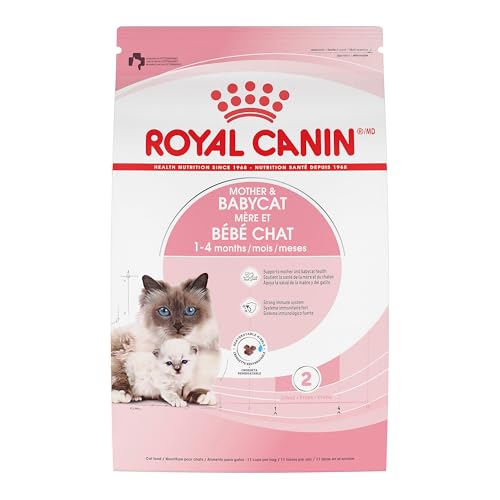
Royal Canin Mother & Babycat Queen Dry Cat Food 6 lb Bag

Delectables Squeeze Up Kitten Variety Pack 20 Tubes

Royal Canin Maine Coon Kitten Dry Cat Food 3 lb Bag

Stella & Chewy’s Raw Coated Kitten Chicken Recipe 2.5 lb

Meow Mix Kitten Li’l Nibbles Dry Cat Food 3.15 lb

Hill’s Science Diet Kitten Sensitive Stomach & Skin
Meet The Standout Selections
Cats are obligate carnivores, meaning their bodies are built to run on animal tissue rather than grains or plant fillers. The ORIJEN kitten recipe leans hard into that biology with a chicken-and-fish base available in chicken-and-salmon or chicken-and-tuna variants, sized in a 4-pound bag that suits a single growing kitten over several weeks.
In a busy household where a kitten races between meals, a protein-forward kibble tends to sustain energy better than carb-heavy formulas. Owners commonly report strong palatability, though the richness means a slow transition from previous food is wise.
Good Reasons To Consider
- Animal-first ingredient philosophy mirrors what a kitten’s ancestors ate, supporting lean growth
- Grain-free formulation suits kittens whose systems struggle with cereal-heavy diets
- Multiple flavor variants let you rotate proteins without switching brands mid-growth
- The 4-pound bag stays fresher than bulk sizes for single-kitten homes
Things To Consider
- Rich, meat-dense recipes can cause loose stools during abrupt food switches, so transition gradually over a week or more
- The premium positioning puts it above everyday grocery brands in cost per pound
Key Specs
Who It Suits Best
Kitten owners who prioritize a biologically dense, grain-free diet and don’t mind paying more per bag.
Where A Sibling Pick Shines
Shoppers watching monthly spend will find Meow Mix Kitten Li’l Nibbles delivers balanced nutrition at a friendlier cost.
Few foods serve two animals at once, but this Royal Canin formula is built for both a pregnant or nursing queen and her kittens aged one to four months. That dual purpose matters most during weaning, when tiny teeth meet solid food for the first time and the wrong kibble texture can stall the whole process.
The kibble is deliberately small and soft enough to rehydrate, so you can moisten it into a gruel that bridges the gap from milk. Compared with the ORIJEN pick above, this one trades protein density for gentler digestibility, which suits fragile young guts better.
Everyday Wins
- Rehydratable mini kibble eases the milk-to-solids transition without choking risk
- Vitamins E and C work as antioxidants supporting immune development during a vulnerable window
- Prebiotics paired with highly digestible proteins help balance intestinal bacteria
- One bag feeds mother and litter together, simplifying mealtime logistics
Small Caveats
- Once kittens pass four months, they’ll need a follow-on growth formula, so plan the switch ahead
- Bag storage matters here; keep it sealed in a cool spot since rehydrated feeding means frequent bowl handling
At A Glance
Made For
Foster carers and breeders managing a nursing queen alongside a litter of very young kittens.
Consider Something Else When
Your kitten is past four months and eating confidently; Hill’s Science Diet Sensitive Stomach & Skin then offers broader growth-stage coverage.
This isn’t a staple food, and it shouldn’t be treated as one. What the Delectables tubes do brilliantly is solve two problems at once: hydration and trust-building. Each half-ounce tube holds a thick tuna-and-salmon puree with up to ninety percent moisture, a sharp contrast to dry treats that hover around ten percent.
Hand-feeding from the tube turns snack time into socialization time, which is gold for shy rescue kittens still learning that human hands mean good things. Vitamins D and A support bone and eye development while calcium and phosphorus back healthy growth, so the treat pulls some nutritional weight too.
What Earns Its Place
- Up to 90% moisture meaningfully boosts daily water intake, helpful for kittens reluctant around the bowl
- Squeezable format makes hand-feeding easy, turning nervous kittens into lap cats faster
- Calcium and phosphorus content supports skeletal growth during the treat window
- Twenty-tube pack spreads across weeks of training sessions
Points To Note
- Treats complement rather than replace a complete kitten diet, so portion them accordingly
- Opened tubes don’t keep long; plan sessions so nothing sits half-used in the fridge
Right Fit For
Anyone socializing a timid or newly adopted kitten under a year old who needs positive human contact.
Swap It Out When
You need a full daily diet instead of a reward; the ORIJEN WholePrey Kitten Recipe handles complete nutrition far better.
Maine Coons grow on a different clock than other cats, sometimes maturing as late as fifteen months. Generic kitten food assumes a shorter runway, which is why this breed-specific formula stretches its nutrient profile across that extended growth period instead of front-loading everything into twelve months.
The kibble shape itself is the detail worth noticing. Royal Canin molds it larger and differently textured to match the Maine Coon’s broad jaw, encouraging actual chewing rather than gulping. Where the Mother & Babycat formula shrinks kibble for tiny mouths, this one scales up for big ones.
Notable Gains
- Nutrition calibrated for growth up to 15 months, matching the breed’s unusually long development window
- Jaw-adapted kibble size and texture promote proper chewing mechanics in large-mouthed kittens
- Balanced vitamin D and minerals support bone and joint development under rapid size gains
- Highly digestible proteins protect a digestive system still finding its footing
Less Ideal Details
- Strictly a Maine Coon formula, so mixed-breed kittens gain little from the breed-specific calibration
- The 3-pound bag runs out quickly against a giant breed’s appetite; owners commonly report frequent repurchasing
Quick Facts
Who Will Love This
Purebred Maine Coon owners committed to feeding through a long, demanding growth phase.
Another Choice May Suit
Domestic shorthair kittens get everything they need from Meow Mix Li’l Nibbles at a fraction of the specialty cost.
Picky kittens can turn mealtime into a standoff, and that’s the specific problem this Stella & Chewy’s recipe attacks. The kibble carries a coating of freeze-dried raw, a preservation method that removes moisture at low temperatures to retain nutrients and aroma. That coating acts like a scent amplifier, drawing in kittens who sniff at ordinary kibble and walk away.
The cage-free chicken base keeps things grain free and protein rich, sitting philosophically close to the ORIJEN pick earlier in this list. The difference is delivery: where ORIJEN builds density into the kibble itself, Stella & Chewy’s adds a raw layer on top. In our view, that makes it the stronger choice for fussy eaters specifically.
Everyday Advantages
- Freeze-dried raw coating boosts aroma and taste, often winning over selective kittens
- Cage-free chicken provides a single clear primary protein source
- Grain-free, protein-rich profile aligns with feline dietary needs
- The 2.5-pound size lets you trial the formula before committing to bulk
Trade Offs To Consider
- Raw-coated pieces can leave residue in the bowl, so wash dishes more often than with plain kibble
- Smaller bag size means more frequent restocking in multi-cat homes
Whose Shelf It Belongs On
Owners of stubbornly picky kittens who’ve rejected two or three standard formulas already.
Reach For A Different Pick When
Budget drives the decision; Meow Mix Li’l Nibbles costs considerably less per feeding day.
Raising a litter on a premium diet adds up fast, and this is where Meow Mix earns its place on the list. The Li’l Nibbles formula delivers complete and balanced nutrition for growing kittens, with bite-sized kibble shaped for small mouths, at a price point that leaves room in the budget for vet visits and toys.
The flavor lineup of chicken, ocean fish, salmon, and turkey gives variety within a single bag, and DHA, a nutrient found in mother cats’ milk, supports vision and brain development. It’s produced in the U.S.A. from globally sourced ingredients, a detail some shoppers weigh heavily.
Noteworthy Benefits
- Complete, balanced nutrition formulated specifically for growing kittens
- DHA inclusion supports brain and eye development during early growth
- Four-protein flavor mix keeps mealtime interesting for finicky youngsters
- Cost per pound leaves budget for litter, vet care, and the Delectables tubes above
Where It May Fall Short
- Ingredient quality sits below the whole-prey and raw-coated options in this roundup
- Owners commonly report the fish-heavy aroma lingers in storage areas, so an airtight container helps
Core Details
Who Should Grab It
Multi-kitten households and first-time owners who want dependable nutrition without premium pricing.
Not Your Match When
Your kitten has a sensitive stomach; the Hill’s Science Diet option below is engineered precisely for that situation.
Some kittens handle any food thrown at them. Others produce loose stools after every formula change and scratch at dull coats no matter what. For that second group, this Hill’s recipe targets three systems at once: stomach, skin, and immunity, using a highly digestible base with prebiotic fiber that eases nutrient absorption.
Omega-3 and omega-6 fatty acids, fats that the body can’t manufacture on its own, pair with vitamin E to support skin condition and coat shine. DHA backs brain development while quality protein fuels muscle growth, so the sensitivity focus doesn’t come at the expense of growth-stage nutrition.
The Upside
- Prebiotic fiber supports gentle digestion and steady nutrient uptake in easily upset stomachs
- Omega fatty acids plus vitamin E promote healthier skin and a glossier coat
- Antioxidant blend of vitamins C and E supports immune system development
- DHA and high-quality protein cover brain and muscle growth simultaneously
Details To Watch
- Formulas aimed at sensitivity typically carry a higher cost than general kitten blends
- Any diet change should be gradual; even gentle formulas can unsettle a reactive gut if swapped overnight
Feature Snapshot
Best Suited To
Kittens with recurring digestive upset or lackluster coats whose owners want a science-backed, targeted formula.
Look Elsewhere When
Your kitten eats anything without issue; the ORIJEN WholePrey recipe offers richer protein density for robust eaters.
What Matters Most Before Choosing Hard Foods For Kittens
Match The Formula To The Growth Stage
A kitten’s nutritional needs shift roughly every eight weeks. Weaning-age babies need small, softenable kibble, while four-month-olds can handle denser bites. Buying a bag sized to your kitten’s current stage prevents waste, since opened food loses freshness faster than most people expect.
Read The Protein Story First
Cats build muscle, bone, and brain tissue from animal protein, so the source and quality of that protein deserve your first glance at any label. Named meats such as chicken or salmon signal clearer sourcing than vague descriptions. Kittens burning energy all day simply use protein differently than adult cats do.
Factor In Sensitivity Early
Digestive upset in kittens often traces back to rich formulas introduced too fast or ingredients their young systems haven’t met yet. Prebiotic fiber and highly digestible proteins reduce that friction. Households juggling multiple kittens benefit from choosing one forgiving formula everyone tolerates.
Weigh Cost Against Feeding Duration
A premium bag looks expensive until you calculate cost per day against a kitten’s small portions. Bulk sizes suit multi-cat homes, while smaller bags protect freshness for solo kittens. Balance the sticker number against how long the bag actually lasts in your kitchen.
Key Considerations Across These Picks
Traps First Timers Fall Into
The most common mistake is switching foods abruptly, which upsets even healthy kitten stomachs. Blend new food into old over seven to ten days. Another trap is buying huge bags for a single kitten; kibble stales once opened, and stale fat loses appeal fast. Treats also creep into daily calories unnoticed, so count them.
When Paying More Pays Off
Higher-tier formulas spend their extra cost on named animal proteins, specialized kibble engineering, and targeted nutrients like DHA and prebiotics. That investment pays off for kittens with sensitivities, breed-specific growth patterns, or stubborn appetites. Healthy, unfussy kittens thrive on well-made mid-tier food, so upgrade only where your cat’s situation calls for it.
Closing Thoughts
Every kitten on this list gets fed well by at least one of these seven options, but the right match depends on age, temperament, and stomach sensitivity. Start with your kitten’s current stage, transition slowly, and adjust from there. The best food is the one your kitten eats consistently and thrives on, and you’ll know within a couple of weeks.
