

Cats are obligate carnivores, which means their bodies are built to run on animal protein rather than the starch-heavy fillers found in a lot of mainstream kibble. The trouble is that many bags labeled “high protein” still sneak in corn, wheat, or potato to cut costs, and your cat pays for it in sluggish energy and extra pounds. This roundup cuts through that noise with eight formulas built around meat-first recipes and reduced carbohydrates. Whether you’re managing an overweight indoor cat, feeding a senior who needs joint-friendly nutrition, or simply tired of a picky eater turning up her nose at dinner, there’s a fit here for your household.
The Shortlist At A Glance

Nulo Freestyle Adult Trim Salmon & Lentils Dry Cat Food

Nulo FreeStyle Senior Alaska Pollock & Sweet Potato Dry Cat Food

Applaws Fish Variety in Broth Wet Cat Food 16-Pack

Solid Gold High Protein Chicken Dry Cat Food

Stella & Chewy’s Raw Coated Cage-Free Chicken Kibble 2.5lb

Rawz Dehydrated Chicken, Turkey & Chicken Recipe Dry Cat Food
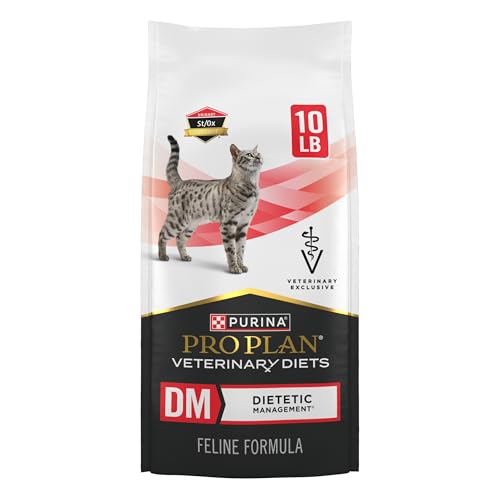
Pro Plan Veterinary Diets Purina DM Feline Formula 10 lb

CRAVE Grain Free High Protein Salmon & Ocean Fish Dry Cat Food
More Details On Our Top Picks
Indoor cats that nap eighteen hours a day tend to pack on weight fast, and this Nulo recipe was designed exactly for that lifestyle. Deboned salmon leads the ingredient list, backed by 83% animal-based protein to protect lean muscle while calories stay trimmed.
Lentils and sweet potato supply natural fiber, so cats feel fuller between meals instead of begging at 3 a.m. L-carnitine, a nutrient involved in fat metabolism, rounds out the formula alongside BC30 probiotics for digestion.
Strong Points
- 83% of protein comes from animal sources, supporting muscle during weight loss
- Fiber-rich lentils help cats stay satisfied longer between feedings
- BC30 probiotics and prebiotic fibers aid nutrient absorption day to day
- Available in 2, 4, and 14 lb bags, so you can trial small before committing
Things To Consider
- The smaller bag costs more per pound, so the 14 lb size makes sense once your cat accepts the flavor
- Some owners report a slow transition period when switching from grain-inclusive foods
Key Specs
Made For
Adult cats carrying extra weight, especially indoor loungers whose activity levels can’t burn off standard kibble.
A Better Fit Elsewhere
Seniors doing fine at their current weight will get more age-specific value from the Nulo FreeStyle Senior Pollock recipe reviewed next.
Where the Adult Trim above targets waistlines, this senior formula targets everything else that changes with age. Alaska pollock sits first in the recipe, delivering 78% animal-based protein to help older cats hold onto muscle they’d otherwise lose.
The disc-shaped kibble is deliberately small, which matters for cats whose teeth aren’t what they used to be. Omega fatty acids from fish and salmon oil support coat condition, while taurine backs heart function through the later years.
What We Like
- Small discs are easier on aging teeth and promote proper chewing
- Taurine, vitamin A, and amino acids back heart and vision health
- No corn, wheat, soy, rice, white potato, or tapioca anywhere in the formula
- Made in the USA with a complete profile for indoor and outdoor seniors
Worth Noting
- Fish-forward recipes can produce noticeably stronger-smelling litter box visits
- Only two bag sizes exist, so multi-cat homes may reorder more often than they’d like
Who Should Grab It
Cats seven years and older who need muscle-preserving protein in a texture their jaws can handle comfortably.
Swap It Out When
A younger overweight cat should stick with the Nulo Freestyle Adult Trim instead, since its calorie profile is tuned for reduction rather than maintenance.
Not every entry here is dry, and that’s deliberate. Wet food in broth delivers protein with natural moisture, something cats evolved to get from prey. This Applaws variety pack rotates three fish flavors in 2.47 oz cans, sized for single servings without fridge leftovers.
In practice, these tins work well as a topper over kibble or as a standalone meal for cats who turn their nose up at anything crunchy. The short, recognizable ingredient lists are what draw most owners in.
Highlights
- Three flavors keep rotation interesting for cats bored by one-note menus
- Single-serve cans mean no half-eaten portions drying out overnight
- Broth-based format adds hydration, useful for cats that drink little water
Small Caveats
- Wet food costs considerably more per calorie than any kibble on this list
- Open cans need refrigeration and get fussy within a couple of days
- Flavor preferences vary wildly, so one cat may ignore two of the three varieties
Quick Facts
Right Fit For
Owners mixing wet and dry feeding routines, or coaxing hydration into cats that ignore the water bowl.
Where A Sibling Pick Shines
Households wanting a single economical daily staple will find the CRAVE salmon kibble further down far easier on the wallet.
This one keeps things simple: chicken and whole egg doing the heavy lifting on protein. Whole egg brings a complete amino acid profile, the building blocks cats need for everyday metabolism and tissue repair, without relying heavily on plant proteins.
Because the recipe suits both kittens and adults, it’s a practical choice for households that don’t want to juggle two bags. Owners commonly report steady acceptance from cats that reject fish-based formulas, which makes it a useful pivot from the pollock-led Nulo earlier in this list.
Upsides
- Chicken paired with whole egg covers essential amino acids naturally
- One formula feeds both kittens and adults, simplifying multi-age homes
- Two 6 lb bags per order stretch the budget further than boutique brands
Points To Note
- Chicken-based recipes won’t suit cats with suspected poultry sensitivities
- Bag resealing matters here; owners suggest a clip or container to preserve freshness
Whose Shelf It Belongs On
Multi-cat or growing-kitten households that want dependable meat-first nutrition without premium pricing.
Consider Something Else When
Cats needing aggressive carbohydrate restriction do better on the Rawz dehydrated recipe coming up, which strips starch out entirely.
The trick here is the coating: freeze-dried raw chicken dusted over each piece of kibble, which is why even stubborn cats tend to come running. Underneath sits a 65-70% animal protein recipe with cage-free chicken as the lead ingredient.
The kibble runs small, a genuine advantage for kittens, seniors, or cats with dental trouble who struggle with large pieces. Probiotics and natural fiber round out digestion support, echoing what the Nulo formulas offer but with raw appeal layered on top.
Bright Spots
- Freeze-dried raw coating converts notoriously picky eaters
- 65-70% animal protein mirrors ancestral feline diets closely
- Small kibble suits kittens, seniors, and dental-sensitive mouths
- Multiple bag sizes let you scale from trial to bulk
Honest Caveats
- Raw-coated pieces can leave greasy residue in storage containers, so wash bins regularly
- Per-pound cost sits well above conventional kibble like CRAVE
Feature Rundown
Who Will Love This
Owners of finicky cats who’ve cycled through multiple brands without success and want raw benefits without freezer storage.
Reach For A Different Pick When
Budget-limited shoppers should head straight to the CRAVE salmon recipe, which delivers strong protein numbers at a fraction of the cost.
Most grain-free kibbles swap grains for potatoes or tapioca, which keeps the carb count quietly high. Rawz skips that move entirely, using real chicken, turkey, and chicken liver in a dehydrated format with no grains and no starches at all.
Dehydration preserves nutrients without the high-heat extrusion typical of kibble manufacturing, and moderate naturally occurring fats round out the profile. Compared with the Stella & Chewy’s above, you trade the raw coating for an even lower carbohydrate load.
Reasons To Buy
- Grain-free and starch-free, among the lowest-carb formats available in dry form
- Chicken liver adds concentrated micronutrients alongside muscle meat
- Highly digestible protein suits sensitive stomachs
- Three sizes from 1.75 to 7.78 lbs accommodate trial runs
Softer Spots
- Dehydrated pieces benefit from added water, adding a step some owners skip
- Premium pricing puts it out of reach for tight monthly budgets
- Texture differs from standard kibble, and a few cats need encouragement to adjust
At A Glance
Best Suited To
Owners prioritizing minimal carbohydrates above all else, including cats with vet-noted carb sensitivities.
Not Your Match When
Cats requiring veterinary-supervised glucose management belong on the Purina DM formula below, formulated specifically for that purpose.
This is the therapeutic option on the list, built for cats whose veterinarians recommend carbohydrate control. The high-protein, low-carb profile supports healthy glucose levels, and the St/Ox Defense system creates a urinary environment unfavorable to both struvite and calcium oxalate crystals.
Lean body mass preservation is another stated goal, which overlaps nicely with what the Nulo Trim does for weight, though this formula approaches it from a clinical angle. The 10 lb bag suits long-term feeding plans where consistency matters more than variety.
Plus Points
- Formulated to support healthy glucose levels through low carbs and high protein
- St/Ox Defense addresses two common crystal types in one diet
- Large 10 lb bag reduces reordering frequency for ongoing use
Trade Offs
- Therapeutic diets carry a higher price tag than grocery-brand kibble
- Best introduced under veterinary guidance rather than chosen independently
The Right Fit
Cats whose vets have flagged glucose or urinary concerns and need a purpose-built daily diet.
Another Choice May Suit
Healthy cats simply needing everyday high-protein nutrition are better served by the Solid Gold chicken recipe, no prescription-style formulation required.
Forty percent protein from real salmon and ocean fish, with no chicken by-product meal, corn, wheat, or soy. That combination at a grocery-accessible price point is why CRAVE earns a permanent spot in so many pantries.
Against the pricier picks above, you give up probiotics and specialty coatings but keep the core promise: meat-led nutrition inspired by ancestral diets. For most multi-cat homes, that trade lands exactly right.
Standout Traits
- 40% protein supports muscle development and immune function
- Salmon and ocean fish lead the recipe, appealing to seafood-loving cats
- No by-product meal, corn, wheat, or soy protein anywhere
- Complete and balanced for adult maintenance without supplements
Minor Gripes
- No added probiotics, unlike the Nulo and Stella & Chewy’s entries
- The 2 lb bag runs out quickly; larger sizes make more sense long term
Core Details
Perfect Match For
Budget-aware owners of healthy adult cats who want genuinely high protein without boutique pricing.
Skip It When
A cat struggling with food acceptance will respond better to the raw-coated Stella & Chewy’s, whose aroma wins over hesitant eaters.
What Matters Most Before Choosing High Protein Low Carb Dry Cat Foods
Read Past The Front Of The Bag
The guaranteed analysis panel tells you actual protein and fat percentages, while the front label tells you marketing. Look for named meats in the first three ingredients, since ingredient lists run heaviest to lightest. A bag shouting “grain free” can still be loaded with pea starch or tapioca, so check the carbohydrate story indirectly by favoring recipes led by two or three animal ingredients.
Match The Formula To Life Stage And Body Condition
A kitten burning energy all day needs different calorie density than a ten-year-old indoor napper. Senior formulas add joint, heart, and vision support; weight-management recipes trim fat and add fiber. Feeding an adult maintenance diet to a chubby housecat works against your goals, so pick the category that matches your cat’s current reality, not its age on paper.
Transition Slowly And Watch The Litter Box
Whatever you choose, blend the new food into the old over seven to ten days. Sudden switches commonly cause digestive upset regardless of quality. Firm, consistent stools in week two tell you the recipe agrees with your cat; loose ones suggest trying a different protein source rather than abandoning the brand outright.
Budget For Consistency
Cats thrive on routine, and constantly rotating bargain-bin foods undermines the benefits of any single good formula. Price out the per-day cost of your top choice at your cat’s feeding volume before committing, then buy the largest bag your storage situation allows.
Key Considerations Across These Picks
Where Shoppers Go Wrong
The classic error is trusting “grain free” as shorthand for low carb, since starches like tapioca and white potato slip in unnoticed. Another frequent misstep is switching foods cold turkey, which triggers the very digestive issues that get blamed on the new recipe. Check the guaranteed analysis, transition gradually, and give any formula a fair two-week window.
What Separates Premium From Basic
Higher-tier foods spend money where it counts: named whole proteins, functional additives like L-carnitine and BC30 probiotics, and gentler processing such as dehydration. Basic kibble hits respectable protein numbers but skips those extras. Paying up makes sense for cats with weight, digestive, or pickiness challenges; healthy easy keepers often do fine on solid mid-tier options.
Frequently Asked Questions
Why do cats need high protein diets?
Cats are obligate carnivores, meaning their bodies require nutrients found primarily in animal tissue. Adequate protein preserves lean muscle and fuels normal metabolism throughout life.
Is grain free automatically low carb?
No, many grain-free recipes replace grains with potatoes, peas, or tapioca, keeping carbohydrates high. Review the full ingredient list rather than relying on front-label claims.
How long should a food transition take?
Plan on seven to ten days, blending increasing amounts of new food into the old. Slower transitions reduce the chance of stomach upset and refusal.
Can high protein food help an overweight cat?
Protein-rich, lower-carb recipes help maintain muscle while body fat decreases, especially alongside portion control. Pair any diet change with your veterinarian’s guidance on target weight.
Do senior cats need different protein levels?
Older cats often need ample, highly digestible protein to counter natural muscle loss. Senior-specific formulas pair that protein with heart, vision, and joint support nutrients.
Closing Thoughts
Every cat on this list has a clear job: trimming weight, easing senior years, winning over picky eaters, or simply delivering honest protein at a fair cost. Start with the profile that matches your cat today, transition slowly, and let the litter box and energy level confirm the choice. Your cat’s approval at the bowl is the only review that ultimately counts.
