

A bored horse chews fences, cribbing boards, and stall walls faster than you can repaint them. The right toy gives that energy somewhere better to go, whether your horse lives out in a field or spends long hours inside. This shortlist covers tug toys, treat dispensers, hay feeders, and herding balls built to survive real equine enthusiasm.
The Shortlist At A Glance

Horsemen’s Pride Jolly Tug Horse Toy, Blue (JT14 B)

Horsemen’s Pride Jolly Tug Horse Toy, Green (JT14 G)

Horsemen’s Pride Jolly Tug Horse Toy, Red

Horsemen’s Pride Combo Stall Toy: Apple Scented Jolly Ball & Snack Holder (SS203)

Horsemen’s Pride Jolly Hay Ball Stall Toy, Blue, 8″

VercanMonth Giant 40 Inch Herding Ball with Cover
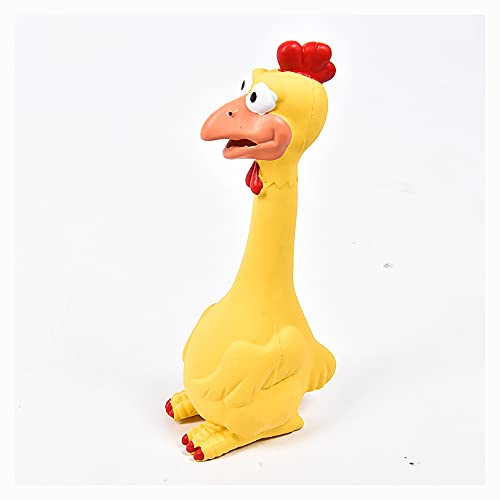
LONG RIVER Rubber Chicken Squeaky Horse Play Ball

Horsemen’s Pride Stall Snack Treat Holder & Refill, Apple Flavor
More Details On Our Top Picks
A 14-inch Jolly Ball sealed inside a tough Cordura nylon cover, this tug toy is built around one idea: horses play harder together than alone. Two rope-reinforced handles let a pair of pasture mates pull from opposite ends, or you can join in yourself for a bonding session.
Cordura is a heavy-duty woven nylon fabric known for resisting tears and abrasion, which matters when a 1,000-pound animal decides the handle looks edible. Owners commonly report it standing up well to rough turnout groups, though no fabric cover survives every determined chewer indefinitely.
Strong Points
- Dual handles support multi-horse tug games without fighting over access
- The machine washable cover means mud season won’t ruin it
- Rope reinforcement inside each handle adds bite resistance where it counts
- Sized for all breeds, from ponies to warmbloods
Things To Consider
- The fabric cover will eventually show wear with constant chewing, so inspect handles regularly
- Blue blends into some paddock backgrounds at dusk
Key Specs
Who It Suits Best
Horses turned out in pairs or small groups who need a shared outlet for playful energy.
Where A Sibling Pick Shines
Solo stalled horses get more mileage from the Horsemen’s Pride Combo Stall Toy, which rewards independent play with treats.
This is the same proven Jolly Tug platform as the blue version above, just dressed in green. Identical 14-inch ball, identical double-handle layout, identical Cordura construction. Your choice here comes down purely to visibility and taste.
In our view, green earns its keep in sandy or pale paddocks where darker toys vanish into the footing. Horses on long-term turnout benefit from a toy they can find again after a good roll across the field, and owners appreciate not trekking the fence line hunting for it.
What We Like
- Machine washable cover keeps maintenance simple after muddy weeks
- Rope-cored handles resist the tearing that kills cheaper tug toys
- Green tone stays visible against sand, dirt, and dry grass
Minor Gripes
- Camouflages somewhat in lush spring pasture, unlike the red variant
- Same fabric-cover caveat: persistent chewers wear any nylon eventually
The Right Fit
Owners of sandy-lot or dry-lot turnouts who want durable group-play enrichment in a low-key color.
Swap It Out When
Green-heavy grazing fields call for the Horsemen’s Pride Jolly Tug in Red, which pops against grass far better.
Red closes out the Jolly Tug trio, and it’s the color most owners gravitate toward for one practical reason: spotting it across a big field. The manufacturer highlights that bright finish deliberately, since a toy lost in tall grass helps nobody.
Everything else carries over from its siblings, including the washable Cordura shell, dual handles, and the 14-inch ball core. For large acreage turnouts where toys wander, that visibility edge is worth more than it sounds on paper.
Bright Spots
- High-visibility color makes retrieval quick even in deep pasture
- Encourages exercise and play that curbs stall-rest boredom
- Two handles still allow paired horses to tug together
- Washable cover simplifies seasonal cleanup
Small Caveats
- Faded red after seasons of sun exposure is a commonly reported outcome
- Fabric covers need periodic seam checks with hard-playing horses
Made For
Anyone running multi-acre turnout where a lost toy means a long walk with a lead rope.
Another Choice May Suit
Stall-bound horses during layups are better served by the Horsemen’s Pride Jolly Hay Ball, which turns feeding time into enrichment.
Stall rest is where bad habits start, and this combo attacks the problem two ways at once. You get an apple-shaped treat holder plus an apple-scented Jolly Ball in one hanging unit, designed to mount away from walls so it swings and spins when nudged.
That movement is the whole trick. Because the toy shifts in every direction as your horse licks and bumps it, working the treat out becomes a game rather than a snack. Each block lasts roughly three weeks under normal use, which beats replacing a destroyed toy monthly.
Reasons To Buy
- Two enrichment formats in a single hanging unit
- Multi-directional swing keeps interest alive longer than static licks
- One treat block stretches about three weeks per fill
- Apple scent draws in hesitant or picky horses
Points To Note
- Treats and refills cost extra beyond the initial block
- Hang it clear of walls and feeders, or expect it to bang around
At A Glance
Who Will Love This
Horses on extended stall rest, from injury recovery to winter board, who need mental work as much as physical.
Look Elsewhere When
You’d rather skip refill costs entirely: the VercanMonth Giant Herding Ball offers active play with zero consumables.
Where the SS203 combo leans on flavored treats, this 8-inch blue ball works with what’s already in your barn: hay. Stuff the chamber, tuck apple chunks or carrot pieces into the smaller openings, hang it, and your horse works for every mouthful.
That makes it a slow feeder as much as a toy, stretching a flake of hay into a longer project. Ponies, goats, and other livestock fit the format too, according to the maker. One honest note: sticky treat residue builds up inside, so plan on regular rinsing.
Plus Points
- Doubles as a hay slow feeder, extending eating time naturally
- Small holes accept fresh treats like apple chunks and carrots
- Works for horses, ponies, goats, and similar livestock
- No proprietary refills required, just barn-standard hay
Softer Spots
- Interior needs frequent cleaning once mushy fruit goes in
- Aggressive biters may eventually enlarge the openings
Quick Facts
Right Fit For
Easy keepers and fast eaters who bolt their hay and then stare at the wall for hours.
Not Your Match When
Field-kept horses with free-choice forage may ignore it; the LONG RIVER squeaky ball suits interactive ground play better.
Herding balls tap into the same instinct that makes horses chase and drive moving objects, and at 40 inches fully inflated, this one is sized for genuine equine soccer. The kit arrives complete: inner bladder, protective outer cover, air plug, and a manual pump, so setup needs nothing extra.
The cover isn’t optional flair, either. The manufacturer states plainly that the ball should never be used bare, since the fabric layer takes the kicks and bites that would otherwise puncture the bladder. Inflation technique matters too; the guide walks you through reaching full size gradually so the cover seats evenly.
Highlights
- All-in-one kit includes pump, plug, and cover for immediate use
- Full 40-inch diameter stands up to real chasing and kicking
- Outer cover absorbs impact that would destroy a naked bladder
- Great energy outlet for high-drive horses in open space
Trade Offs
- Requires proper inflation patience; rushing it stresses the seams
- Needs flat, obstacle-free ground, so rocky lots are risky
- Bladder punctures remain possible despite the cover
Who Should Grab It
Owners of arena or large-flat-paddock horses with excess energy and a chasing streak.
Reach For A Different Pick When
Confined stall settings favor the Horsemen’s Pride Combo Stall Toy, which needs only a few feet of hanging clearance.
Yes, it’s a rubber chicken, and yes, horses genuinely go for it. Hand-painted details give it a novelty look, while the squawking valve emits sound on every bite, which is precisely what hooks a curious horse into picking it up and carrying it around.
The body is washable latex rubber, safe for indoor and outdoor use, and sized for medium and large breeds. Trainers often reach for toys like this during groundwork and desensitization sessions, since a noisy, odd-shaped object teaches young horses to investigate new things calmly rather than spook.
Upsides
- Squawk-on-bite sound sustains interest even without human involvement
- Latex rubber wipes clean easily after dusty sessions
- Doubles as a desensitization tool for young or nervous horses
- Hand-painted finish holds color longer than printed alternatives
Honest Caveats
- Latex is softer than polyethylene, so determined chewers can puncture it
- The squeaker may irritate noise-sensitive barnmates
Whose Shelf It Belongs On
Trainers and owners doing regular groundwork who want a compact, interactive fetch-style toy.
Consider Something Else When
Hard-chewing turnout horses need tougher construction; the Horsemen’s Pride Jolly Tug’s Cordura build survives far more abuse.
This is the simpler sibling of the SS203 combo reviewed earlier: one apple-shaped holder, one apple-flavored treat block, no ball. Hung away from stall walls, it swings and spins as your horse licks, turning a plain salt-block routine into a moving puzzle.
Each block runs about three weeks with normal use, so ongoing cost stays modest compared to replaceable toys. For budget-minded boarding situations or a first test of whether your horse engages with lick toys at all, it’s a sensible entry point before committing to the pricier combo.
Positives
- Single treat block lasts roughly three weeks per fill
- Swinging motion extends engagement versus stationary blocks
- Lower entry commitment than the ball-included combo version
- Apple flavor appeals broadly across fussy eaters
Areas To Watch
- Refills are sold separately, adding recurring cost over time
- Some horses lose interest once the novelty scent fades
Core Details
Who It Suits Best
Cost-conscious owners testing lick-toy engagement with a stalled horse before upgrading.
A Better Fit Elsewhere
Horses already proven to love lick toys justify stepping up to the Horsemen’s Pride Combo Stall Toy with its added scented ball.
What Matters Most Before Choosing Horse Chew Toys
Match The Toy To The Housing Situation
A turnout toy and a stall toy solve different problems. Field horses need durability and visibility across distance, which favors the Jolly Tug line and herding balls. Stalled horses need mental occupation in a few square feet, which points toward hanging treat holders and hay balls. Buying the wrong category for your setup is the fastest route to a toy that gets ignored.
Material Determines Lifespan
Cordura nylon, molded polyethylene, and latex rubber each fail differently. Fabric covers fray at seams under constant chewing; hard plastics crack in freezing weather; latex punctures under determined teeth. Consider your horse’s chewing intensity honestly, because a gentle player and a destroyer need very different builds.
Factor In Ongoing Costs
Treat-based toys carry refill expenses, while hay balls and herding balls run on supplies you already own. A three-week treat block sounds cheap until you multiply it across a year. Budget the total ownership picture, not just the sticker moment.
Supervise Early Sessions
Any new toy deserves a watched introduction. Watch how your horse interacts, check for loose parts, and confirm hanging hardware sits clear of walls and feeders before leaving it unattended.
Key Considerations Across These Picks
Where Shoppers Go Wrong
The classic error is buying for the horse you wish you had instead of the one in the barn. A timid gelding won’t chase a 40-inch herding ball, and a dedicated chewer will shred latex in an afternoon. Start conservative, observe, then scale up.
When Paying More Pays Off
Higher-priced picks earn their cost through materials and longevity. Reinforced handles, thicker plastic, and included accessories like pumps mean fewer replacements. For hard-playing horses, spending up front usually beats cycling through three cheap toys a season.
Frequently Asked Questions
Are chew toys actually useful for horses?
Yes, they redirect natural chewing and playing instincts away from fences and stall walls. Enrichment also reduces repetitive behaviors common in confined horses.
How do I introduce a new toy safely?
Hang or place it within view during a supervised session first. Remove it if your horse shows frustration or tries to dismantle it aggressively.
How often should I clean these toys?
Rinse treat-based and hay-filled toys weekly to prevent spoilage buildup. Wipe rubber and plastic surfaces whenever they collect manure or mud.
Can ponies and goats use these too?
Several picks, notably the Jolly Hay Ball, are explicitly suited to ponies and other livestock. Always match toy size to the animal to avoid choking hazards.
What if my horse ignores the toy completely?
Try a different enrichment style, since preferences vary widely between individuals. Food-motivated horses often respond to treat toys after ignoring pure play items.
Closing Thoughts
The right choice comes down to where your horse lives and how it plays. Turnout groups thrive with the Jolly Tug, stall-bound horses need the treat holders, and high-energy athletes deserve the herding ball. Match the toy to the behavior you’re seeing today, and you’ll spend less and see more engagement.
