

Indoor cats burn fewer calories than their outdoor counterparts, and that changes everything about what belongs in the bowl. The right kibble manages weight, keeps hairballs moving through the digestive tract, and still gets a clean bowl at the end of the day. This roundup covers eight options spanning budget-friendly bulk bags to premium, meat-first recipes, so you can match a formula to your cat’s age, activity level, and stubbornness at mealtime.
The Shortlist At A Glance

Purina Friskies Surfin’ & Turfin’ Favorites Dry Cat Food, 16 lb
IAMS Proactive Health Indoor Weight & Hairball Care, 3.5 lb

Tiki Cat Born Carnivore Trout & Menhaden, 3 lb Bag

Purina Pro Plan Adult Indoor High Protein Chicken & Rice, 3.5 lb
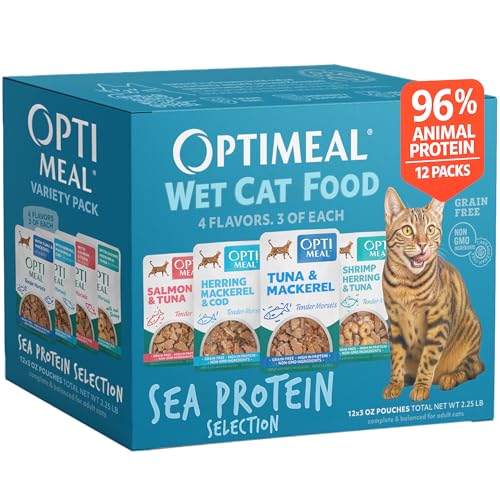
Optimeal Sea Protein Wet Cat Food Variety Pack, 12 x 3oz

Friskies Party Pack’d Dry Cat Food, 15 lb Bag

Purina Cat Chow Indoor Hairball + Healthy Weight, 4 x 3.15 lb

Purina Cat Chow Naturals Hairball Indoor, 13 lb Bag
More Details On Our Top Picks
A sixteen-pound bag of variety is the whole pitch here: chicken, ocean whitefish, salmon, and filet mignon flavors share one bag, so cats that lose interest in a single flavor usually stay engaged longer. The mixed shapes add texture curiosity, which matters more than most owners expect with indifferent eaters.
This is a sensible baseline for multi-cat homes where one premium formula rarely suits everyone. The crunchy kibble also gives teeth something to work against, a small but real benefit for indoor cats that never chew on prey.
Strong Points
- Four protein flavors in one purchase cut down on buying multiple bags.
- Crunchy pieces help reduce plaque buildup between dental cleanings.
- Complete nutrition for all life stages simplifies feeding kittens through seniors.
- Taurine and vitamin A back eye health, a priority for aging indoor cats.
- Produced in Purina-owned U.S. facilities with safety checks along the line.
Things To Consider
- The large bag needs an airtight container once opened, since kibble staling is a commonly reported issue with big-format bags.
- It’s a general adult formula, so overweight or hairball-prone cats may need something more targeted.
Key Specs
Who It Suits Best
Homes with two or more cats of varying ages and tastes that want one dependable bulk bag.
Where A Sibling Pick Shines
Overweight or sedentary cats do better on the IAMS Proactive Health Indoor Weight & Hairball Care, whose lower-fat profile targets body condition directly.
Where the Friskies bag chases variety, this IAMS formula chases two specific problems: creeping weight gain and hairballs. L-carnitine, an amino acid that helps the body convert fat into energy, supports metabolism in cats that spend most of the day on a windowsill. The fat content runs ten percent lower than IAMS’ standard adult chicken recipe.
The fiber blend pairs prebiotics with beet pulp, a gentle soluble fiber that helps swallowed hair pass through instead of clumping in the stomach. Owners of long-haired cats commonly report fewer incidents after switching to fiber-forward formulas like this one.
What We Like
- L-carnitine supports fat burning for less active indoor cats.
- Beet pulp and prebiotics aid digestion while helping move hair along.
- Seven essential nutrients are included specifically for heart support.
- The 3.5-lb size stays fresh before you finish it, even for a single cat.
Worth Noting
- Small bags mean frequent repurchasing, which adds up for multi-cat homes.
- Some cats take a week or two to accept a lower-fat formula’s taste.
Right Fit For
Sedentary or long-haired indoor cats battling both weight creep and regular hairballs.
Swap It Out When
Cats that need a bigger, more natural ingredient list may suit the Purina Cat Chow Naturals Hairball Indoor better, especially at the 13-lb value size.
This is the meat-first option on the list. Real trout sits as the first ingredient, and the grain-free recipe skips potatoes, corn, wheat, and soy entirely, built around what a natural hunter would actually eat. The kibble is minimally processed compared with conventional extruded formulas.
Pumpkin provides gentle fiber for digestion, and the recipe targets indoor cats a year and older whose calorie needs have dropped. Vitamins A and E plus omega-6 fatty acids round out skin, coat, and immune support. The honest trade-off is cost per pound, which runs noticeably above the Purina options here.
Bright Spots
- Trout as the first ingredient delivers animal protein from the top of the list.
- No corn, wheat, soy, potatoes, or GMO ingredients, suiting sensitive stomachs.
- Pumpkin fiber supports digestion without harsh laxative-style additives.
- Added taurine backs heart and vision function over the long term.
Small Caveats
- The 3-lb bag empties fast, so budget-conscious owners will feel the per-pound difference.
- Fish-forward recipes leave a stronger odor some kitchens notice at feeding time.
At A Glance
Made For
Owners who prioritize ingredient quality over bag size and feed a single adult cat.
Another Choice May Suit
Households watching monthly food spend will find the Purina Pro Plan Adult Indoor High Protein covers similar high-protein ground at a friendlier price point.
Pro Plan occupies the middle ground between grocery-store staples and boutique brands: a science-backed formula with real chicken leading the protein sources, priced below the Tiki Cat option. The high-protein design helps adult indoor cats hold onto lean muscle while managing a healthy weight, which matters once activity drops off.
Natural prebiotic fiber supports digestion, and omega-6 fatty acids with vitamin A keep coats in showable condition. Antioxidants back immune function, a quiet advantage for cats that live entirely indoors where immune challenges come from stress rather than exposure.
Highlights
- High protein content helps maintain muscle mass in less active adults.
- Prebiotic fiber promotes steady digestion day to day.
- Omega-6 and vitamin A visibly improve coat softness for many owners.
- Available in 3.5, 7, and 16-lb formats to match household size.
Points To Note
- Contains rice and grains, so it won’t fit strict grain-free feeding plans.
- No dedicated hairball-control blend, unlike several other picks here.
Who Will Love This
Owners stepping up from basic grocery kibble who want research-backed nutrition without boutique pricing.
Look Elsewhere When
Cats with confirmed grain sensitivities belong on the Tiki Cat Born Carnivore Trout & Menhaden, which removes corn, wheat, and soy altogether.
Yes, this one breaks the dry-food pattern, and deliberately so. Indoor cats on dry-only diets often run mildly dehydrated, and rotating in wet pouches is the simplest fix. Optimeal’s sea selection brings salmon, tuna, shrimp, herring, mackerel, and cod fillets in gravy, formulated by pet nutritionists as complete meals rather than treats.
Each 3-ounce pouch works as a standalone dinner or a topper spooned over kibble, which is how many owners stretch a pack furthest. Prebiotic FOS, a fiber that feeds beneficial gut bacteria, joins digestible protein to keep digestion settled. There are no grains, artificial colors, flavors, soy, or GMOs in the mix.
Plus Points
- Six seafood proteins across twelve pouches keep mealtime genuinely varied.
- Added moisture supports hydration, a common gap in dry-only feeding.
- Doubles as a kibble topper to revive interest in stale routines.
- Prebiotic FOS and fiber support balanced gut function.
- European-sourced ingredients with no artificial colors or flavors.
Softer Spots
- Opened pouches need refrigeration and should be used within a day or two.
- Twelve pouches cover under two weeks for a single cat fed daily.
Quick Facts
Whose Shelf It Belongs On
Dry-food loyalists looking to add hydration and excitement without abandoning their current kibble.
Reach For A Different Pick When
Anyone wanting a single all-dry routine should stick with the Purina Friskies Surfin’ & Turfin’ Favorites bag and skip wet rotation entirely.
Picky cats are a real category of problem, and this bag attacks them head-on. Chicken, liver, and turkey flavors get mixed with star-shaped Party Mix pieces, so every scoop delivers different shapes and textures. Cats that sniff and walk away from uniform kibble often respond to that variety.
The recipe carries 38 essential nutrients and positions itself as complete adult nutrition despite the playful framing. Protein fuels play sessions, and the formula includes immune-supporting nutrients alongside the crunch. Compared with the Surfin’ & Turfin’ bag earlier in this list, this one leans harder into texture novelty than flavor breadth.
Reasons To Buy
- Mixed shapes and Party Mix stars tempt cats that reject plain kibble.
- Three savory flavors layer taste variety into a single bag.
- 38 essential nutrients deliver complete adult nutrition, not just treats.
- Crunchy texture gives teeth regular resistance during chewing.
Minor Gripes
- The novelty pieces can encourage selective eating, where cats pick out favorites and leave the rest.
- A 15-lb bag demands sealed storage to keep every piece crisp.
Who Should Grab It
Owners of notoriously fussy eaters who’ve cycled through multiple rejected bags already.
Not Your Match When
Cats needing weight management fit the IAMS Proactive Health Indoor Weight & Hairball Care far better than this palatability-first formula.
The four-bag format is the smart part of this listing. Instead of one giant sack slowly going stale in the pantry, you open 3.15-lb portions as needed, which keeps kibble fresher for single-cat homes. Farm-raised chicken anchors the recipe, aimed squarely at indoor cats dealing with both hairballs and gradual weight gain.
A natural fiber blend handles the hairball side, while omega-6 fatty acids maintain coat and skin condition. Twenty-five vitamins and minerals round out daily nutrition. In our view, this hits the practical sweet spot: targeted indoor benefits without premium pricing.
Upsides
- Four smaller bags preserve freshness better than one bulk sack.
- Fiber blend helps manage hairballs for grooming-heavy cats.
- Omega-6 fatty acids support coat shine and skin comfort.
- 25 vitamins and minerals cover everyday nutritional bases.
Honest Caveats
- Total volume across four bags requires decent pantry space.
- Chicken-only flavor limits rotation for cats that crave fish varieties.
Best Suited To
Single-cat households wanting targeted hairball and weight support with manageable storage.
Consider Something Else When
Multi-cat homes burning through food faster will save trips with the larger Purina Cat Chow Naturals Hairball Indoor 13-lb bag.
This is the naturals-leaning sibling of the four-bag Cat Chow above, sold as one 13-lb bag instead. Real turkey and real chicken lead the ingredient list, and the formula leaves out artificial flavors, colors, and preservatives, which matters to owners reading labels closely these days.
The same natural fiber blend tackles hairballs, and the recipe is calibrated for healthy weight in less active indoor cats. Twenty-five vitamins and minerals support overall condition. You give up the freshness advantage of smaller bags, but gain fewer repurchases and typically a better per-pound position.
Standout Traits
- Real turkey and chicken lead the recipe for strong palatability.
- No added artificial flavors, colors, or preservatives.
- Natural fiber blend helps control hairballs over time.
- Weight-support formulation matches typical indoor activity levels.
- 13-lb supply cuts shopping frequency for single-cat homes.
Areas To Watch
- One large bag can lose crispness near the bottom without a quality sealed container.
- Only available in limited size options, so trial runs mean committing to a big bag.
Details At A Glance
The Right Fit
Label-readers with one or two cats who want natural positioning and hairball control in a value-sized bag.
Skip It When
Cats preferring fish-based recipes will take to the Tiki Cat Born Carnivore Trout & Menhaden far more readily.
What Matters Most Before Choosing Indoor Cat Dry Foods
Match The Formula To Activity Level
An indoor cat typically burns fewer calories than an outdoor roamer, so weight-management formulations with adjusted fat levels make sense for most house cats. Sedentary seniors need less calorie density than a young cat that sprints hallway laps at midnight. Reading the feeding guide on the bag against your cat’s actual weight beats guessing.
Hairball Support Is More Than Marketing
Fiber blends using beet pulp, pumpkin, or cellulose help swallowed grooming hair travel through the digestive tract instead of forming clumps. Long-haired breeds and heavy groomers see the biggest difference. One caveat: persistent vomiting or constipation warrants a vet conversation, not just a food swap.
Ingredient Order Tells The Story
The first three ingredients carry the most weight in any formula. Named proteins like chicken, turkey, or trout at the top generally indicate a meat-forward recipe, while grain-heavy openings suggest filler-led economics. Neither approach is wrong, but the price-to-quality relationship should feel fair either way.
Storage Decides Freshness
Large bags save money only when stored properly. An airtight container in a cool, dry spot keeps fats from oxidizing and kibble from turning stale, which is the most common reason cats suddenly refuse a food they previously enjoyed.
Key Considerations Across These Picks
Traps First Timers Fall Into
Switching foods overnight is the classic error; cats develop preferences early, and abrupt changes often trigger refusal or digestive upset. Blend old and new food across seven to ten days instead. Another slip is buying bulk before confirming your cat accepts the formula at all.
What Separates Premium From Basic
Higher-tier recipes spend more on named animal proteins, gentler processing, and functional additions like prebiotics or omega fatty acids. That translates to smaller feeding portions per meal in many cases, since nutrient density rises. Budget formulas remain nutritionally complete; the upgrade pays off mainly for sensitive cats or owners prioritizing ingredient transparency.
Frequently Asked Questions
How much dry food should an indoor cat eat daily?
Follow the feeding chart on the specific bag, adjusting to your cat’s weight and body condition. Most indoor adults land between a quarter and half cup per day, split into two meals.
Can indoor cat food help with hairballs?
Formulas with added fiber blends such as beet pulp or pumpkin help hair pass through the digestive system naturally. Results vary by cat, and heavy groomers usually see the clearest improvement.
Is grain-free food necessary for indoor cats?
Most cats digest grains without issue, so grain-free is a preference rather than a requirement. Cats with diagnosed sensitivities benefit most from grain-free recipes.
How do I switch my cat to a new food?
Mix increasing amounts of the new food into the old over roughly a week. Slow transitions prevent stomach upset and give a picky cat time to adjust.
Does wet food need to accompany dry food?
Dry food alone meets nutritional needs when complete and balanced, though wet food adds helpful moisture. Many owners use wet pouches as occasional toppers for hydration and variety.
Closing Thoughts
The right choice comes down to your cat’s body, habits, and stubbornness at the bowl. Multi-cat homes lean toward the Friskies variety bags, single cats with hairball trouble fit the Cat Chow or IAMS formulas, and ingredient-focused owners will justify the Tiki Cat premium. Start with a smaller bag whenever possible, transition gradually, and let your cat’s energy and coat tell you whether the pick is working.
