

Scooping litter is nobody’s favorite chore, and tracked granules across the hallway make it worse. The right box changes that daily routine entirely, whether you want a simple steel pan or a unit that cleans itself while you sleep. This roundup covers eight options for 2026, from jumbo high-sided pans for big cats to app-connected automatic units for multi-cat homes. Each pick is matched to a specific situation so you can skip the guesswork and land on the one that fits your home.
The Shortlist At A Glance

TownTime Extra Large High-Sided Litter Box (Grey)

Mimfam AS11 Automatic Self-Cleaning Litter Box
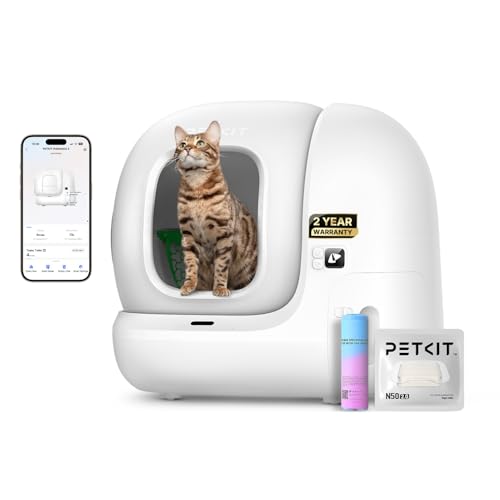
PETKIT PuraMax 2 Self-Cleaning Litter Box

PetPivot Open Top Self Cleaning Litter Box

KISENG Stainless Steel Cat Litter Box
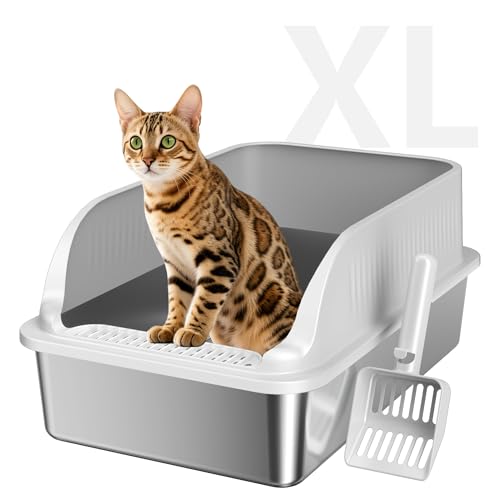
KISENG Stainless Steel Litter Box with Lid

LCZLBRRD Covered Cat Litter Box with Lid

Idymere Stainless Steel High Sided Litter Box
More Details On Our Top Picks
Big cats need room to turn around, and this TownTime pan delivers nearly 25 inches of length with sides rising to about 13 inches. That height matters most for enthusiastic diggers who treat every bathroom visit like an excavation project.
The anti-scatter walls are continuous, with no gaps for granules to escape through, which is the difference between a tidy corner and a daily sweep. A non-slip pad underneath keeps the whole thing planted on hard floors during vigorous use.
Strong Points
- Jumbo interior gives large breeds genuine freedom of movement instead of a cramped fit
- High, gap-free walls contain kicked litter, cutting down sweeping time noticeably
- Non-slip base pad keeps the box stable on tile or hardwood
- Tool-free assembly means it’s ready within minutes of unboxing
Things To Consider
- The oversized footprint demands real floor space, so measure your spot first
- Plastic surfaces can hold odors over years of use unless cleaned regularly
Who It Suits Best
Maine Coon owners, multi-cat homes, and anyone tired of litter trails will get the most from this pick.
A Better Fit Elsewhere
Shoppers wanting self-cleaning convenience should look at the Mimfam AS11 Automatic Self-Cleaning Litter Box instead.
Where the TownTime pan handles mess passively, the Mimfam AS11 removes waste automatically after each visit. Its top entrance spans roughly 16 by 15 inches, wide enough that larger cats won’t feel squeezed climbing in from above.
Safety hardware is the headline here: four pairs of infrared sensors plus three hall sensors pause the rake cycle the moment a cat is detected inside, resuming only after exit. At around 32dB, the motor runs quieter than a soft conversation, so nighttime cycles shouldn’t wake light sleepers.
What We Like
- Layered sensor array stops cleaning instantly when your cat re-enters
- 10L waste bin stretches manual emptying to roughly ten days for one cat
- Whisper-level operation suits bedrooms and small apartments
- Liner bags and a litter mat come included, saving a separate purchase
Worth Noting
- Top-entry access can challenge kittens, seniors, or cats with mobility limits
- Disposable liners become a recurring cost over the unit’s life
Made For
Busy multi-cat households that want scooping off their to-do list without constant monitoring.
Consider Something Else When
Owners of older or arthritic cats should weigh the PetPivot Open Top Self Cleaning Litter Box, whose entry step suits limited mobility better.
The PuraMax 2 sits at the connected end of this list, pairing automatic cleaning with app control over 2.4GHz WiFi. You can check status and trigger cycles remotely, which appeals to anyone away from home for long stretches.
Odor handling gets a two-pronged approach: a sealed waste drawer plus the N50 2.0 odor remover cartridge working together. Placement matters more than with simpler pans, since carpets can interfere with the sensors and cause malfunctions, so a flat, hard floor is the right home for it.
Highlights
- App control lets you manage cycles and monitor use from anywhere with WiFi
- Sealed bin plus N50 2.0 cartridge tackles smells at two points rather than one
- Works with most clumping litters, keeping your brand choice open
- Low entrance design eases access compared with top-entry rivals
Small Caveats
- This bundle version doesn’t support the K3 Smart Spray accessory
- Sensor reliability depends on hard flooring; rugs nearby can trigger faults
Quick Facts
Right Fit For
Tech-comfortable owners in apartments where odor control carries extra weight.
Swap It Out When
Anyone allergic to apps and subscriptions will prefer the app-free PetPivot Open Top Self Cleaning Litter Box.
Not everyone wants another app account, and the PetPivot respects that. It runs fully standalone with no downloads, subscriptions, or connectivity worries, which makes setup as simple as plugging it in and adding litter.
Safety redundancy runs deep here: seven pairs of infrared sensors cover the chamber, a touch-sensitive pedal interrupts motion on contact, and a mechanical limiter backs both up. For senior cats, the included access step provides a stable climb-in path that top-entry designs simply can’t match.
Upsides
- Triple-layer safety stack offers backup protection beyond single-sensor designs
- Modular quick-release parts disassemble tool-free for deep cleaning
- Built-in step helps aging cats enter comfortably and confidently
- No app or subscription keeps long-term ownership costs predictable
Points To Note
- Without app connectivity, you lose remote usage tracking some owners enjoy
- Sensor cavities still collect dust between deep cleans despite the modular design
Who Will Love This
Owners of senior or mobility-limited cats, plus anyone who wants automation without digital overhead.
Reach For A Different Pick When
Remote control matters more than simplicity, in which case the PETKIT PuraMax 2 is the stronger match.
Plastic absorbs odor over time; stainless steel doesn’t. That single material difference is why metal pans keep earning loyal followings among cat owners, and this KISENG model captures the benefit at a modest size of 17.3 by 13.4 inches with 7.87-inch walls.
The non-porous surface resists sticking and won’t soak up waste smells, so cleanup often takes a wipe rather than a scrub. In our view, that ease of maintenance is worth more than any single feature on a spec sheet.
Bright Spots
- Smooth steel surface releases clumps easily, speeding daily scooping
- Metal construction shrugs off the odor absorption plastic develops over months
- Low profile suits kittens and smaller frames stepping in comfortably
Honest Caveats
- At under 8 inches tall, determined kickers may still fling litter past the rim
- Sized for small cats only, so larger breeds will find it cramped
Details At A Glance
Who Should Grab It
Owners of kittens or small breeds in compact living spaces who prioritize hygiene on a budget.
Another Choice May Suit
Households with bigger cats should step up to the KISENG Stainless Steel Litter Box with Lid for its XL interior.
Think of this as the KISENG small pan grown up: nearly 23 inches long, over 10 inches deep, and topped with a lid for added containment. Cats get space to turn and dig, while you get splash protection the open version can’t offer.
The same non-porous steel applies here, resisting the odor retention that gradually ruins plastic boxes. Owners commonly report metal pans holding up far longer before replacement becomes necessary, which offsets the higher upfront spend.
Plus Points
- XL interior accommodates large breeds and enthusiastic diggers alike
- Included lid adds privacy for shy cats and blocks stray spray
- Steel body outlasts plastic equivalents by years in typical use
- High walls cut down tracked litter around the placement area
Trade Offs
- Steel construction makes it heavier to move during full litter changes
- Covered designs trap smells inside until you scoop, so frequency matters
Spec Overview
Best Suited To
Owners of large or multiple cats who want steel durability with covered-box containment.
Not Your Match When
Kitten households will find the LCZLBRRD Covered Cat Litter Box with Lid a friendlier scale.
Kittens and cats up to 12 pounds are this box’s entire brief, and it executes well within that range. The fully enclosed shell keeps granules contained even when a young cat digs with abandon, and the grey-white finish blends into bedrooms or bathrooms without shouting.
Cleaning happens through a pull-out drawer rather than lifting a heavy lid, which is genuinely kinder on your back during weekly changes. A deodorization bag tucks inside to keep surrounding air fresher between scoops.
Reasons To Buy
- Drawer-style tray lets you swap litter without dismantling the enclosure
- Fully sealed design contains scatter and allows discreet placement anywhere
- Deodorization bag helps manage odor in closed rooms
Minor Gripes
- Strictly sized for cats up to 12 lbs, so growing kittens will outgrow it
- Enclosed interiors need frequent scooping to stay appealing to fussy cats
The Right Fit
New kitten owners in apartments who want a tidy, private station that doesn’t dominate a room.
Look Elsewhere When
Adult cats over 12 pounds belong in the TownTime Extra Large High-Sided Litter Box instead.
The Idymere rounds out the steel contingent with a shallow, open design offered in two sizes, including a 16.93-inch option just over 5 inches deep. That openness promotes airflow, which naturally reduces standing odor compared with covered alternatives.
It’s aimed squarely at kittens, elderly cats, and medium-sized cats in single or small multi-cat homes. Compared with the KISENG small pan earlier in this list, the lower walls trade some scatter protection for easier entry, a fair deal for older joints.
Standout Traits
- Open-top airflow keeps the area smelling fresher between cleanings
- Two size options let you match the pan to your cat and your floor space
- Steel surface wipes clean without absorbing lingering waste smells
- Low entry height welcomes kittens and senior cats with stiff joints
Softer Spots
- Shallow walls offer little defense against high-arcing kickers
- Best suited to smaller cats; large breeds will feel underserved
Core Details
Whose Shelf It Belongs On
Owners of kittens, seniors, or small-to-medium cats who value ventilation and effortless access.
Where A Sibling Pick Shines
Heavy diggers need taller walls, making the TownTime Extra Large High-Sided Litter Box the smarter call.
What Matters Most Before Choosing Kitty Litter Boxes
Size And Entry Height
Your cat needs roughly one and a half times its body length in usable interior space to turn and dig comfortably. Large breeds like Maine Coons demand jumbo footprints, while kittens and seniors do better with low entry points they can step into without effort. Measure both your cat and your intended floor spot before committing.
Manual Versus Automatic
Self-cleaning units rake or sift waste into a sealed drawer shortly after each visit, sparing you daily scooping entirely. They cost more upfront and need periodic sensor cleaning, but multi-cat homes often find the time savings decisive. Standard pans remain perfectly serviceable for one or two cats with a consistent scooping habit.
Material And Odor Control
Plastic is lightweight and affordable but gradually absorbs ammonia smells and scratches over time. Stainless steel costs more yet resists odor retention and typically outlasts several plastic replacements. Covered designs add privacy but concentrate smells inside, so they reward diligent scooping habits.
Placement Realities
Automatic models with sensors generally require flat, hard flooring, since carpet can interfere with detection and trigger malfunctions. Leave clearance around entrances so nervous cats never feel cornered, and keep the unit away from loud appliances that might spook hesitant users.
Key Considerations Across These Picks
Traps First Timers Fall Into
The most common mistake is buying for your floor plan instead of your cat. A huge automatic unit crammed beside a dryer will sit unused, and a covered box for a claustrophobic cat invites accidents elsewhere in the house. Skipping the size check against your cat’s adult weight is the second frequent misstep, especially with kitten-sized enclosures.
What Separates Premium From Basic
Higher-tier automatic boxes buy layered sensor arrays, quieter motors, and sealed odor systems rather than cosmetic upgrades. That engineering shows up as fewer interrupted cycles, safer operation for curious cats, and less smell in shared living space. Paying up makes sense in multi-cat homes; a single relaxed cat rarely needs it.
Frequently Asked Questions
How many litter boxes does a multi-cat home need?
The widely followed guideline is one box per cat plus one extra. Spreading them across different rooms also reduces territorial disputes.
Do automatic litter boxes work with all litter types?
Most clumping litters are compatible, though some brands perform better than others in sifting mechanisms. Always confirm compatibility before switching products.
Are covered litter boxes better for odor?
They contain visible mess and scatter but trap smells inside until emptied. Frequent scooping matters more with covered designs than open ones.
How often should I replace a plastic litter box?
Even with regular cleaning, plastic absorbs odors and accumulates scratches over one to three years. Stainless steel lasts considerably longer before replacement.
Where should a litter box be placed in a small apartment?
Choose a quiet, ventilated corner away from food areas and loud appliances. Hard flooring is preferable, particularly for sensor-equipped automatic models.
Closing Thoughts
Matching the box to the cat beats chasing features every time. Big diggers thrive in the TownTime’s tall walls, busy multi-cat homes benefit from the Mimfam or PETKIT automation, and seniors deserve the PetPivot’s gentle entry. Steel pans reward patient owners with years of odor-free service. Start with your cat’s size and temperament, and the right choice usually reveals itself quickly.
