

Raising a big puppy means feeding a body that’s growing fast in every direction, and the wrong food can work against you. Oversized breeds need controlled calcium, joint-friendly nutrition, and enough protein to build lean muscle without piling on weight their frames can’t carry yet. Grain free formulas appeal to owners dealing with sensitive stomachs or itchy skin, and plenty of large-breed puppies fall into that camp. This shortlist covers eight options that handle those demands differently, from budget-friendly staples to limited-ingredient recipes built for allergy-prone pups.
The Shortlist At A Glance

Wellness CORE Small Breed Puppy Turkey & Salmon Recipe, 12 lb

Wellness CORE Large Breed Puppy Chicken & Turkey Recipe, 24 lb

Merrick Grain Free Puppy Food Real Texas Beef & Sweet Potato, 22 lb

Open Farm Grass-Fed Beef Kibble, 22 lb Bag
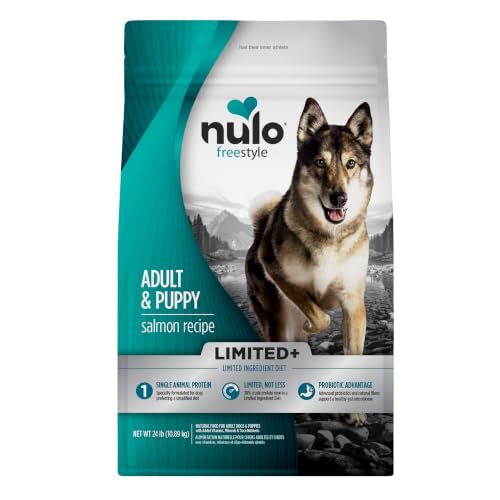
Nulo FreeStyle Limited+ Salmon Recipe, 24 lb
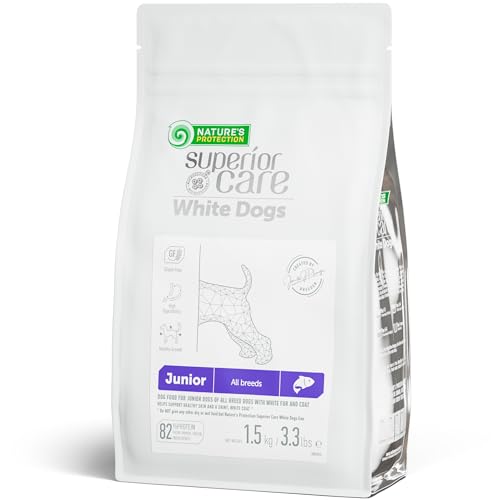
Nature’s Protection Superior Care Salmon Puppy Food, 3.3 lb

Hill’s Science Diet Puppy Large Breed Dry Dog Food

Fromm Heartland Gold Puppy Beef Recipe, 12 lb
More Details On Our Top Picks
Tiny jaws need tiny kibble, and that’s the whole point of this turkey-and-salmon recipe from Wellness CORE. The pieces are sized for small mouths, which matters more than most people expect during weaning and early growth.
The formula leans heavily on responsibly sourced turkey, backed by guaranteed DHA levels for brain development and a calcium-phosphorus pairing aimed at bone growth. One honest note: despite the name, this is a small-breed recipe, so it isn’t the right tool for a Great Dane puppy.
Strong Points
- Guaranteed DHA supports brain development during the fastest learning months
- 53% high-quality protein ingredients help build lean muscle instead of soft weight
- No corn, wheat, soy, poultry by-products, artificial colors, or preservatives
- Probiotics support digestion, handy during stressful transitions like new homes
Things To Consider
- Kibble size suits small breeds only, so measure your puppy’s adult size before committing
- It’s made in a facility that also processes grains, worth knowing for strictly grain-free households
Who It Suits Best
Owners of toy and small breed puppies who want a meat-first, additive-free diet in an easy-to-chew kibble.
Where Another Pick Suits Better
Large breed puppies belong on the Wellness CORE Large Breed Chicken & Turkey recipe below, which is engineered for slower, controlled growth.
This is the recipe most large-breed owners should look at first. Wellness builds it around responsibly sourced chicken, then calibrates fat and calorie levels specifically so a growing giant doesn’t bulk up faster than its skeleton can handle.
Where the small-breed version above focuses on compact kibble, this one adds taurine for heart health alongside DHA, omega fatty acids, and antioxidants. The 24-pound bag also stretches further, which matters when a Saint Bernard puppy eats like one.
What We Like
- Optimal fat and calorie levels encourage healthy body weight through the growth spurt
- Guaranteed DHA feeds brain development while calcium and phosphorus steady bone growth
- Taurine inclusion supports heart health, a real consideration for deep-chested breeds
- Made in the USA at the company’s own facility with non-GMO ingredients
- Omega fatty acids keep skin and coat in good shape through shedding seasons
Worth Noting
- A 24-pound bag needs an airtight container to stay fresh over several weeks of feeding
- Chicken-based recipes don’t suit every protein-sensitive puppy
Key Specs
Made For
Owners of Labrador, German Shepherd, Great Dane, and similar large breed puppies who want controlled growth nutrition without compromise.
Consider Something Else When
Puppies with suspected chicken sensitivities do better on the Nulo FreeStyle salmon recipe later in this list.
Beef is the headline here, and Merrick leads with deboned Texas beef rather than a meal or a filler. That gives the recipe a flavor profile many puppies take to immediately, useful for fussy eaters in a busy household.
Sweet potato supplies digestible carbohydrate in place of grains, and added vitamins round out the profile. Compared with the Wellness CORE chicken recipe above, this one trades taurine-specific marketing for a broader all-breeds fit, so it works in mixed-size homes too.
Highlights
- Deboned beef as the first ingredient delivers high-quality protein for growing muscle
- Grain free formulation suits puppies with wheat or corn sensitivities
- Available in smaller trial bags before committing to the 22-pound size
Trade Offs
- Not formulated specifically around large-breed calcium control, so portion carefully for giant breeds
- Beef is a common sensitivity trigger, and some owners report needing to rotate away from it
At A Glance
Right Fit For
Homes with one or more growing puppies of any size that thrive on red-meat recipes.
Not Your Match When
For strict large-breed skeletal control, the Hill’s Science Diet large breed formula handles calcium balance more deliberately.
Open Farm sits at the premium end of this list, and the sourcing story explains why. The grass-fed beef comes from ethically raised animals, paired with non-GMO produce and superfoods such as pumpkin and coconut oil.
In day-to-day use, that translates into a nutrient-dense kibble where smaller portions carry more nutrition per cup. Owners commonly report good stool quality on pumpkin-inclusive formulas, though your mileage will depend on the individual dog. The brand also offers duck and turkey-chicken variants if beef doesn’t land well.
Upsides
- Grass-fed, ethically sourced beef anchors a transparent ingredient chain
- Pumpkin and coconut oil support digestion and coat condition
- Nutrient density means measured portions go further per bag
- Multiple protein variants let you rotate without switching brands
Minor Gripes
- Premium sourcing shows up in the price per pound compared with mainstream picks here
- This specific listing is an adult formula, so confirm life-stage labeling before feeding young puppies
- Grain free plus legume-containing recipes remain a topic vets discuss, worth raising at checkups
Who Will Love This
Shoppers who prioritize ethical sourcing and traceable ingredients and are comfortable paying for them.
Look Elsewhere When
Budget-focused owners of large breed puppies will find better value in the Hill’s Science Diet option further down.
Limited ingredient diets strip a recipe down to reduce trigger exposure, and Nulo takes that seriously here: deboned salmon is the single animal protein, with no chicken, eggs, peas, or artificial additives anywhere in the bag.
That simplicity doesn’t cost much nutritionally. The recipe holds 30% crude protein with essential amino acids for lean muscle and steady energy, and it’s rated for puppies through adults across all breed sizes. For an elimination-style approach to itching or loose stools, it’s one of the cleaner tools available.
Plus Points
- Single animal protein makes food trials easier to interpret with your vet
- Free of chicken, eggs, peas, and artificial additives, covering common triggers
- 30% crude protein supports muscle development without excess fillers
Softer Spots
- Fish-based recipes leave a noticeable odor some households find strong
Quick Facts
Who Should Grab It
Owners running a vet-guided food trial for a puppy with suspected chicken or egg sensitivities.
Swap It Out When
Puppies with no known sensitivities get more targeted large-breed support from the Wellness CORE Chicken & Turkey recipe.
Most foods on this list chase growth; this one chews on a cosmetic problem too. Nature’s Protection formulates its salmon recipe to influence saliva and tear composition, aiming to reduce the brown tear staining that plagues white and light-coated puppies.
Norwegian salmon leads the ingredient list, and the recipe skips wheat, pork, and beef entirely, which keeps it friendly to sensitive stomachs. The junior-dog window runs from three to twelve months, so plan your timeline accordingly. The small 3.3-pound bag stays fresh easily but won’t last long past the toy-breed stage.
Bright Spots
- Formulated to help maintain a clean muzzle and brighter coat in light-colored dogs
- Norwegian salmon as the main ingredient suits skin-sensitive puppies
- No wheat, pork, or beef, easing digestion for bloating-prone pups
- Small bag preserves freshness between servings
Points To Note
- The 3.3-pound size disappears quickly even with a medium puppy, making frequent reorders likely
- Tear stain results vary dog to dog, and genetics often play the bigger role
- Age range tops out at twelve months, requiring a transition food afterward
Feature Snapshot
Perfect Match For
Owners of Maltese, Bichon, or other light-coated puppies bothered by tear staining and mild food sensitivities.
Another Choice May Suit
Larger breed puppies need far bigger bags, and the Merrick beef recipe offers that scale with a similar grain free approach.
Note upfront: this Hill’s formula includes brown rice, so it isn’t grain free. It earns its place because controlled bone growth is the single biggest nutritional issue for large breed puppies, and Hill’s balances minerals precisely for that job.
DHA and fish oil support brain and eye development, and the brand’s veterinary heritage gives many owners confidence during the risky fast-growth months. Against the Wellness CORE large breed recipe earlier, you’re trading the grain free label and taurine callout for a lower cost per pound and decades of clinical formulation history.
Reasons To Buy
- Balanced minerals support growing bones and teeth at a controlled pace
- DHA from fish oil backs healthy brain and eye development
- Large 27.5 and 30-pound bags suit big-breed appetites economically
Small Caveats
- Contains brown rice, ruling it out for strictly grain free households
- Chicken and lamb variants mean limited options for uncommon protein allergies
Core Details
Whose Shelf It Belongs On
Cost-conscious owners of Labradors, Shepherds, and Danes who value clinically grounded formulation over the grain free trend.
Reach For A Different Pick When
Grain free is non-negotiable in your home, in which case the Wellness CORE Large Breed recipe is the direct swap.
Fromm has been making pet food in Wisconsin since 1904, and that fifth-generation family operation shows in how this recipe is positioned. Heartland Gold Puppy is formulated to meet AAFCO nutrient profiles for both growth and gestation/lactation, meaning it can feed pregnant or nursing mothers alongside weaning puppies.
That dual rating makes it a quiet favorite among hobby breeders managing litters. Beef drives the recipe, giving it a hearty profile similar in spirit to the Merrick option earlier, though Fromm’s bag sizes run smaller and its distribution is more boutique.
Standout Traits
- Meets AAFCO profiles for growth and gestation/lactation, covering mothers and puppies alike
- Beef recipe appeals to hearty appetites during weaning
- Long family-owned production history with consistent recipe stewardship
- Multiple bag sizes ease the step up from trial to bulk buying
Honest Caveats
- Smaller retail footprint means availability can be patchy depending on your region
- The 12-pound bag goes fast with a large breed puppy, pushing up reorder frequency
Built With In Mind
Breeders and multi-dog households feeding litters, nursing mothers, and growing puppies from the same bag.
Where A Sibling Pick Shines
Single-puppy homes wanting a larger economy bag will find the Merrick beef recipe more practical at 22 pounds.
What Matters Most Before Choosing Large Breed Grain Free Puppy Foods
Controlled Calcium Beats Everything Else
Large breed puppies grow on a schedule their skeletons set, not their appetites. Excess calcium accelerates bone growth and is widely linked to developmental joint problems in giant breeds, so look for formulas explicitly calibrated for large breed growth. Your vet can confirm whether a specific recipe matches your puppy’s expected adult weight.
Protein Quality Over Protein Hype
A named whole protein at the top of the ingredient list tells you more than any percentage claim. Deboned meats deliver amino acids in a form puppies use efficiently for muscle. Meat meals aren’t automatically bad, but they shouldn’t be the only protein source on the label.
Match The Bag To The Appetite
A 3.3-pound bag suits a Maltese; a Great Dane puppy will empty it in days. Buying appropriately sized bags keeps food fresher, since kibble fats oxidize once opened. An airtight container in a cool spot protects whatever size you choose.
Transition Slowly, Watch Closely
Switch foods over seven to ten days, blending increasing amounts of the new recipe into the old. Loose stools during week one usually mean the switch ran too fast, not that the food failed. Persistent itching or digestive upset deserves a vet conversation before you blame the bag.
Key Considerations Across These Picks
Traps First Timers Fall Into
The classic mistake is feeding adult maintenance food to a large breed puppy, or vice versa, ignoring the growth-specific mineral balance both stages need. Another common slip is judging a food by the first week alone; coat and stool quality tell the real story over a month. And skipping the transition period invites stomach upset that gets blamed on the wrong culprit.
What Separates Premium From Basic
Higher-tier foods spend on named whole proteins, ethically sourced ingredients, and functional add-ins like DHA, taurine, and probiotics. You’re paying for tighter sourcing and fewer vague ingredients, not magic. That premium pays off most for sensitive dogs or owners running elimination trials; a healthy puppy on a well-formulated mid-tier recipe loses little.
Frequently Asked Questions
Do large breed puppies really need special food?
Yes. Their bones grow for longer than small breeds’, and uncontrolled calcium or calorie intake is associated with developmental orthopedic problems. A large breed puppy formula manages that pace deliberately.
Is grain free actually necessary?
Only for dogs with diagnosed grain sensitivities, which are less common than protein sensitivities. Many owners choose grain free for digestibility reasons, and that’s a legitimate preference, just not a medical requirement for most puppies.
How long should a puppy stay on puppy food?
Large breed puppies typically stay on growth formulas until 12 to 18 months, with giant breeds sometimes longer. Follow the manufacturer’s life-stage guidance and confirm timing with your vet.
Can I mix two brands together?
Mixing works nutritionally as long as both are complete and balanced for the same life stage. Keep the blend consistent rather than rotating randomly, so you can trace any reaction to a specific recipe.
What does DHA do for my puppy?
DHA is an omega-3 fatty acid concentrated in the brain and eyes. Guaranteed DHA levels in puppy food support cognitive development during the first year, which is why nearly every serious puppy formula includes it.
Closing Thoughts
Feeding a large breed puppy well comes down to patience and the right formula: controlled minerals, real protein, and a bag size that matches the appetite. Start with the Wellness CORE large breed recipe for a purpose-built option, or the Hill’s formula when budget leads. Whichever you choose, transition slowly and give each food a fair month before judging it.
