

Training a dog comes down to communication, and the leash is where that conversation happens. A six-foot nylon lead behaves nothing like an 18-inch traffic handle or a 15-foot check cord, and picking the wrong length for your dog’s stage of training makes every walk harder than it needs to be. This roundup sorts eight solid options by job: close-control work in crowds, recall practice at distance, pull correction, and everyday walking. Whether you’re raising a strong-headed puppy or tightening up heel work with a large breed, there’s a fit here.
The Shortlist At A Glance

Coastal Pet Single-Ply Dog Leash (Neon Pink, 3/8″ x 6′)

YMTHamaz3 Short Heavy Duty Traffic Dog Leash

Joytale Short Dog Leash for Close Control & Training, 18″

Peflex 20.1 ft Retractable Dog Leash
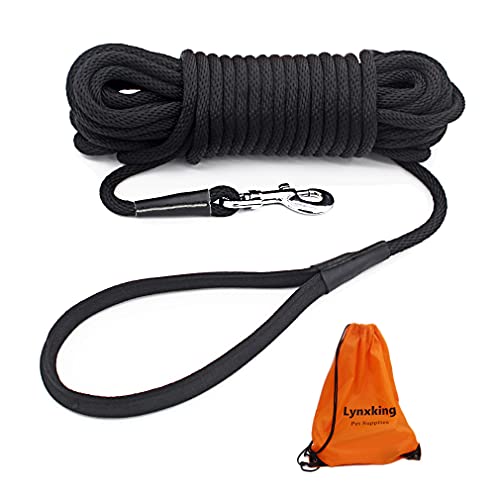
lynxking Check Cord Long Lead Training Line 15ft
Fenrir Slip Leash 1.4m Professional Training Lead (Green)

Siumouhoi 6 FT Puppy Leash (Pink, 5/8 in x 6 ft)

leadfar Leather Dog Leash 6 ft x 1/2 inch (Brown)
More Details On Our Top Picks
Six feet is the classic training length for good reason: enough slack for loose-leash walking, short enough to reel in a distraction. The single-ply webbing here keeps weight down while still standing up to tugs, which matters on a slim 3/8-inch strap built more for small and medium dogs than heavy pullers.
The neon pink shade stays visible at dusk, and owners commonly report the color holds up through repeated washes rather than fading to pastel within a season.
Strong Points
- Single-ply web design resists fraying along the edges, so the strap doesn’t fuzz up after months of daily use
- Fade-resistant dye keeps the bright color recognizable in low light, a genuine safety perk for evening walkers
- Available in wider 1-inch versions in both 4-foot and 6-foot lengths if you need more strength for bigger dogs
- Lightweight feel suits puppies still learning what a leash even is
Things To Consider
- The 3/8-inch width is thin for powerful breeds; a determined puller can put real strain on a narrow strap
- Nylon webbing can feel abrasive during sudden lunges, something glove-wearing winter walkers notice most
Who It Suits Best
Small-to-medium dog households wanting one dependable, colorful lead for both training sessions and casual walks.
A Better Fit Elsewhere
Owners of strong large breeds will get more reassurance from the padded-handle YMTHamaz3 traffic leash further down this list.
Where the Coastal lead gives a dog room to roam, this one does the opposite: a deliberately short strap that keeps a large dog pinned to your side. That’s the whole point of a traffic leash, and it shines on sidewalks, near roads, and anywhere a lunge would be a problem.
The padded handle is the detail worth paying attention to. With a big breed leaning into the strap, padding spreads the pressure across your palm instead of digging a rope burn into it.
What We Like
- Short length eliminates tangling around legs, a common frustration with longer leads on narrow city paths
- Cushioned handle protects your wrist and grip when a heavy dog surges forward
- Doubles as a hiking backup or car-transfer lead, which adds versatility beyond street work
Worth Noting
- Too restrictive for teaching loose-leash walking; a dog needs some slack to learn position
- Heavy-duty build means slightly more bulk in a pocket or treat pouch than a standard strap
Made For
Handlers of large, strong breeds who walk busy urban routes and want instant physical control.
Swap It Out When
For tighter quarter control in dense crowds, the 18-inch Joytale below compresses the control zone even further.
Eighteen inches sounds almost absurd until you’ve navigated a crowded farmers market with a reactive dog. At that length, your dog physically cannot get more than a foot and a half from your hip, which turns chaotic environments into manageable ones.
The 1.2-inch width is the standout spec here: noticeably beefier than the Coastal’s 3/8-inch strap, built to absorb force from large breeds without stretching or fraying. It clips to a collar or harness equally well.
Bright Spots
- Wide 1.2-inch webbing delivers extra tensile strength for large, powerful dogs
- Ultra-short reach stops pulling behavior quickly because there’s simply nowhere to go
- Works as a connector between harness and seatbelt anchor for car rides
- Simple black styling looks understated next to brighter options like the neon Coastal
Small Caveats
- Zero freedom means zero sniffing; dogs can find short leads frustrating on relaxed walks
- Not intended as a standalone walking lead for most routines, more of a specialty tool
Quick Facts
Right Fit For
Urban handlers doing impulse-control work with big dogs in high-traffic areas.
Reach For A Different Pick When
Recall training across open fields calls for the 15-foot lynxking check cord instead of any short strap.
A retractable lead trades fine-tuned training feedback for range, and this one leans hard into that trade. Twenty feet of reinforced nylon tape lets a well-mannered dog explore a park edge while you stay planted on the bench, then a one-click brake locks the line the moment things look sketchy.
The rating spans 10 to 100 pounds, so it covers everything from a beagle to a German shepherd. The ergonomic non-slip grip helps on long walks, though retractable handles are always chunkier than a plain strap.
Highlights
- One-click brake and lock responds fast, useful when another dog rounds a corner unexpectedly
- Reinforced tape and internal mechanism are rated for daily pulling from dogs up to 100 lbs
- 360-degree swivel prevents the line twisting as your dog circles trees and posts
Points To Note
- Trainers generally advise against retractables for teaching loose-leash skills, since constant tension teaches the wrong lesson
- Tape lines can cause friction burns if grabbed mid-run; keep hands away from the extended line
- The housing mechanism needs occasional debris cleaning to keep retraction smooth
Who Will Love This
Suburban owners with already-trained dogs who want supervised freedom on open paths and quiet trails.
Consider Something Else When
For structured distance work with reliable lockup, the fixed-length lynxking long line gives cleaner handling.
A check cord is the bridge between on-leash obedience and off-leash reliability, and fifteen feet is the sweet spot for recall drills. The round climbing-rope profile is the smart part here: unlike flat webbing, a round cord sheds grass, mud, and water instead of soaking them up.
Lynxking settled on a 3/8-inch diameter to balance strength against carry weight, and the rotating clasp keeps the line from kinking whether it’s deployed or coiled in your bag.
Upsides
- Round rope construction resists tangling during use and storage alike
- 360-degree rotating clasp prevents twist buildup as the dog changes direction
- Comfortable handle section gives you something secure to grab during drag-line exercises
- Suits small, medium, and large dogs thanks to the balanced thickness
Softer Spots
- Rope picks up burrs and seeds on weedy terrain, so expect occasional picking-through after field sessions
- Fifteen feet demands open space; it’s overkill on sidewalks and awkward around furniture
Feature Snapshot
Best Suited To
Trainers running recall, tracking, or fieldwork drills in parks and open ground with any size dog.
Another Choice May Suit
Apartment dwellers working heel position indoors will find the 18-inch Joytale far more practical.
A slip lead loops over the head instead of clipping to a collar, which means collar and leash become one system. The spring-loaded stopper is the mechanism that makes it work: slide it snug high on the neck, and gentle tension translates directly into guidance without a separate collar doing the talking.
This fourth-generation version uses a thinner 8mm rope specifically to sharpen that signal, and at 1.4 meters it sits between a traffic lead and a full six-footer. It slips on fast, which trainers appreciate for board-and-train turnover.
Reasons To Buy
- Spring-powered stopper holds position in the high-neck control zone without constant readjustment
- Thinner 8mm gauge improves the clarity of subtle leash cues during heeling work
- No clip or collar needed, so there’s one less piece of gear to forget
- Lightweight build stays comfortable on long training walks
Room For Improvement
- Slip leads require correct fit and technique; used carelessly high tension rests on the throat, so guidance should stay gentle
- Not a tie-out or tether solution, purely a handled training and walking tool
Core Details
Who Should Grab It
Intermediate-to-advanced handlers working on pull correction who understand slip-lead mechanics.
Look Elsewhere When
First-time puppy owners are usually better served by the gentler Siumouhoi traditional clip lead.
Puppies don’t need tactical gear; they need a light, forgiving lead that won’t drag their heads down. The 5/8-inch width hits that mark, narrow enough for a twelve-week-old neck yet sturdy enough to survive the zoomies phase.
The chrome-plated rotating clip is reinforced with zigzag stitching at the stress points, a construction detail that separates this from the flimsiest budget straps. Six feet gives a young dog room to explore while you shape early loose-leash habits.
Plus Points
- Zigzag-reinforced stitching at the clip junction resists the tearing that kills cheap leashes
- Rotating bolt-style clasp prevents twists as a puppy spins and circles
- Also sized suitably for cats, handy for multi-pet homes
- Offered in a two-pack variant, useful for keeping a spare in the car
Minor Gripes
- Thin width and light build aren’t meant for adult dogs over roughly medium size
- Nylon can hold onto mud stains, so plan on hand washing after wet-weather walks
The Right Fit
New puppy raisers and small-dog owners starting foundational leash manners from scratch.
Where A Sibling Pick Shines
Once that puppy matures into a strong puller, the Fenrir slip lead offers firmer communication tools.
Leather changes the feel of a walk in a way nylon never quite matches: it softens against your palm, warms in cold weather, and develops a patina instead of wearing out. This one uses hand-selected high-density hide with double rivets and reinforced stitching holding the hardware in place.
The copper hook rotates a full 360 degrees and carries a stated 500-pound pull rating, generous headroom for the small and medium dogs this half-inch width targets. Compared to the Siumouhoi nylon, it’s the dressier, longer-lasting option.
Standout Traits
- Genuine leather handle cushions sudden pulls, sparing your hand that burning snap feeling
- Double rivets plus reinforced stitching anchor the hardware against years of daily stress
- Electroplated copper swivel hook resists twisting and knots during walks
- High tensile capacity leaves a wide safety margin for its size class
Honest Caveats
- Leather needs occasional conditioning to stay supple; neglect it and the strap stiffens or cracks
- Keep it dry when possible, since repeated soak cycles shorten leather’s lifespan versus synthetic webbing
Details At A Glance
Whose Shelf It Belongs On
Style-conscious owners of small and medium dogs who walk daily and value gear that ages gracefully.
Not Your Match When
Anyone wanting a wash-and-go strap for muddy trail days should stick with the lynxking rope line.
What Matters Most Before Choosing Leashes For Training
Match Length To The Lesson
Length dictates what you can teach. An 18-inch strap builds impulse control, six feet shapes loose-leash walking, and a 15-foot line develops recall. Buying one lead and expecting it to cover all three jobs sets you up for frustration.
Width And Strength Go Together
A 3/8-inch strap suits a beagle; a lunging husky needs an inch or more. Check the manufacturer’s weight range before committing, and remember that hardware matters as much as webbing. A weak clasp fails before the strap ever does.
Handle Comfort Is Real Money
On a strong dog, an unpadded handle turns every lunge into a wrist injury risk. Padded grips, soft leather, or round rope all spread load differently. Daily walkers should prioritize this above almost anything else.
Think About Your Environment
City sidewalks favor short traffic leads, open parks reward long lines, and muddy trails call for materials that rinse clean. Match the strap to where your training actually happens, not where you wish it did.
Key Considerations Across These Picks
Wrong Turns To Avoid
The most common mistake is buying a retractable for a dog that hasn’t learned loose-leash basics yet; constant tension teaches pulling. Another trap is sizing up on style while ignoring width, ending up with a pretty strap that frays under a strong dog within weeks.
The Case For Spending Up
Higher-tier leads earn their cost in hardware and materials: riveted leather anchors, spring-loaded stoppers, and rotating clasps rated for hundreds of pounds. Those details outlast cheap stitching many times over, which matters once training becomes a daily habit rather than a weekend project.
Frequently Asked Questions
What length works best for basic obedience training?
Six feet remains the standard because it allows slack for loose-leash positioning while keeping the dog reachable. Shorter lengths serve specialized control work rather than general lessons.
Are slip leads safe for beginners to use?
They’re effective but technique-sensitive, since incorrect fit places pressure on the throat. New handlers should learn proper placement first or start with a clip lead and flat collar.
Can a short traffic leash replace a regular walking lead?
No, it’s a supplement for crowded or high-risk situations. Dogs need slack to sniff and move naturally, which a regular six-foot lead provides.
How do I stop my dog from chewing through leashes?
Supervise closely and redirect chewing toward appropriate toys, since no strap survives a determined chewer indefinitely. Some owners keep a dedicated backup lead for dogs going through the habit.
Do leather leashes last longer than nylon?
With conditioning and reasonable care, quality leather often outlasts nylon and improves with age. Nylon wins on washability and price, so the choice depends on maintenance willingness.
Bottom Line
The right leash depends less on brand loyalty and more on matching length, width, and material to your dog’s size and your training goals. Start with a dependable six-footer like the Coastal, add a short traffic lead for city work, and bring in a long line once recall becomes the priority. Gear won’t train your dog for you, but the right strap makes every session smoother.
