

A litter box is the one piece of cat gear you interact with daily, so the wrong choice shows up fast in smell, mess, and your cat’s willingness to cooperate. This roundup covers open pans, disposable trays, stainless steel builds, and enclosed designs, plus a deodorizing gel that earns its spot beside any of them. Whether you share a small apartment with one kitten or juggle multiple cats in a busy household, there’s a fit here for your setup.
The Shortlist At A Glance

So Phresh Open Cat Litter Box Grey Large

Kitty Lounge Disposable Litter Tray Black 25-Pack

Litter Box Magic Deodorizer Gel Fresh Scent 16 Oz

Disposable Litter Boxes Brown Large 8-Pack

KISENG Stainless Steel Cat Litter Box
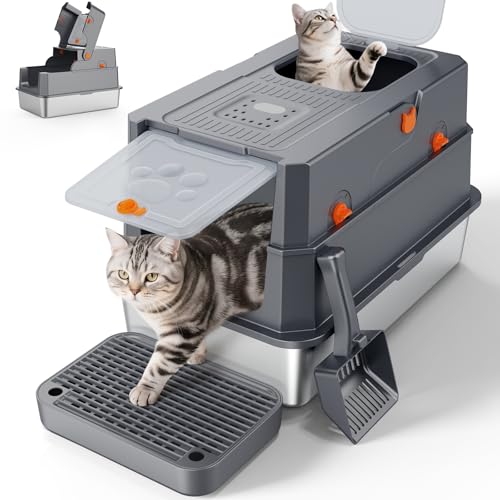
FURTIME Stainless Steel Litter Box with Lid
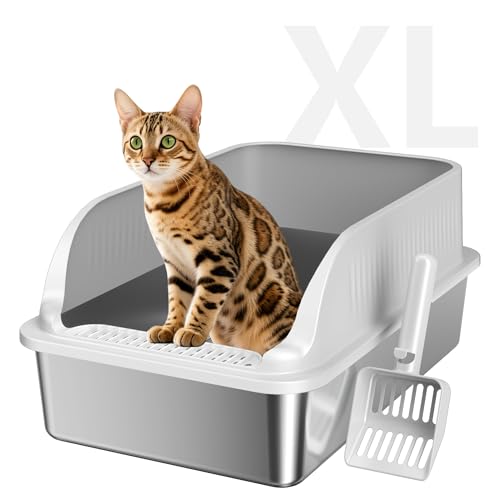
KISENG Stainless Steel Litter Box with Lid XL

LCZLBRRD Covered Cat Litter Box with Lid Grey-White
More Details On Our Top Picks
Sometimes the boring option is the right one. This open gray pan from So Phresh measures 19.5 by 14.8 inches with a shallow 4.3-inch profile, which makes entry effortless for kittens, seniors, and stiff-jointed cats alike. The reinforced bottom and rim add stiffness where cheap pans usually flex and crack.
The neutral gray finish blends into most rooms instead of shouting “cat corner,” and So Phresh sells matching rims, hoods, mats, and scoops separately, so you can build out the setup over time rather than all at once.
Strong Points
- Low 4.3-inch walls make climbing in easy for kittens and older cats
- Reinforced base resists the warping that plagues flimsy plastic pans
- Compatible with the brand’s separate hoods and rims for later upgrades
- Muted gray tone looks tidy in visible spots like bathrooms
Things To Consider
- Shallow walls mean enthusiastic diggers can scatter litter onto nearby floors
- You’ll need to buy accessories like hoods separately if you want them
Who It Suits Best
A first-time cat owner who wants a dependable open pan without overthinking the purchase.
Where A Sibling Pick Shines
Cats that kick litter everywhere will suit the KISENG XL high-sided model better, since its taller walls contain the mess.
Nobody enjoys scrubbing dried litter paste off a pan, and this Argee pack sidesteps the chore entirely. The trays nest inside each other, so when the top one gets soiled you lift it away and a clean tray waits underneath. Each tray is molded from sturdy recycled plastic and works with whatever litter you already use.
Foster caregivers, travelers, and anyone managing a sick or post-surgery cat will find the format genuinely useful. The honest trade-off is cost per tray versus a permanent box, though many owners report the time saved outweighs it.
Bright Spots
- Toss-and-replace design eliminates scrubbing altogether
- Nested stacking keeps spares compact until needed
- Recycled plastic construction holds up under normal use
- No odor buildup since ammonia never gets a chance to soak in
Small Caveats
- Ongoing replacement costs add up compared to a washable pan
- Single-use plastic creates waste, unlike the compostable Animaru trays below
Quick Facts
Made For
Foster homes, road trips, and recovery situations where hygiene matters more than long-term value.
Swap It Out When
Daily at-home use favors the Animaru compostable large trays, which cut plastic waste while staying disposable.
This isn’t a litter box itself but the companion piece that makes any box on this list easier to live with. The 16-ounce jar holds an odor-absorbing gel formulated for multi-cat setups, sitting near the pan and pulling smells from the surrounding air rather than masking them with perfume alone.
The fresh scent is noticeable at first, then fades while the gel keeps working, which suits people sensitive to heavy fragrances. Place it within a foot or two of the box for best effect; tucked behind furniture, its reach drops off.
Reasons To Buy
- Gel absorbs odors continuously rather than just covering them
- Non-toxic formula is safe around curious pets
- One jar handles multi-cat households without constant refills
- Scent softens over time, sparing fragrance-sensitive noses
Points To Note
- Works best positioned close to the box, limiting placement flexibility
- It supplements scooping, not replaces it; neglected boxes still smell
Right Fit For
Apartment dwellers with two or more cats whose litter area shares air with living space.
Another Choice May Suit
For built-in odor management, the FURTIME enclosed steel box traps smells structurally, making a gel jar less essential.
Compared to the plastic Kitty Lounge trays above, Animaru takes disposability in a greener direction. These large brown trays are made from recycled materials and break down in soil within roughly 90 days, leaving no toxic residue behind. That makes disposal guilt-free for owners trying to shrink their household’s plastic footprint.
They’re described as leak-resistant and sturdy enough for everyday litter duty, and the eight-pack covers about two months of weekly swaps for one cat. In our view, they’re the smarter disposable choice for eco-minded homes, provided you have composting or garden disposal available.
Upsides
- Biodegrades in soil within about 90 days
- Recycled-material construction avoids new plastic production
- Leak-resistant build handles wet litter without seeping
- Large sizing gives adult cats room to turn comfortably
Worth Noting
- Cardboard-style material can soften with prolonged heavy moisture exposure
- Eight trays run out faster than the 25-pack Argee set
Feature Snapshot
Who Will Love This
Eco-conscious owners with access to soil disposal who still want throwaway convenience.
Look Elsewhere When
Maximum tray count matters more than sustainability, in which case the Argee 25-pack stretches further.
Plastic pans eventually scratch, and those micro-scratches trap urine odor no amount of scrubbing removes. This KISENG open pan solves that with a smooth, non-porous stainless steel surface that litter and waste simply don’t bond to. At 17.3 by 13.4 inches with 7.87-inch sides, it’s sized deliberately for small cats.
Cleanup becomes a wipe-down rather than a battle, and the metal won’t absorb smells the way aged plastic does. The catch is scale: larger breeds will feel cramped, so measure your cat before committing.
What We Like
- Non-porous steel surface prevents waste sticking and odor absorption
- Wipes clean faster than scratched plastic ever will
- 7.87-inch walls offer more containment than shallow starter pans
- Metal construction resists the cracking that ends a plastic pan’s life
Minor Gripes
- Interior runs small; big cats won’t fit comfortably
- Steel shows water spots and needs occasional polishing to stay sharp-looking
At A Glance
Best Suited To
Owners of small or medium cats who want a hygienic, long-lasting upgrade from plastic.
Not Your Match When
Big breeds need the KISENG XL lidded version, which adds nearly six inches of length and a cover.
Enclosed boxes usually force an awkward choice: privacy for the cat or easy access for you. FURTIME’s flip-top lid splits the difference, letting you swing the cover open for scooping without dismantling anything. The three-layer shell also detaches fully, and it can be configured as semi-enclosed during transition periods.
The layered structure doubles as leak protection, channeling stray moisture away from floors. Shy cats get the covered den they prefer, and steel surfaces keep odor from settling in the way it does inside plastic hoods.
Standout Traits
- Flip door opens for cleaning without removing the whole lid
- Three-layer detachable shell supports enclosed or semi-enclosed setups
- Layered design adds leak resistance for floor protection
- Stainless steel interior resists odor absorption over years of use
Trade Offs
- Assembly of the three layers takes some patience the first time
- Covered designs can feel tight for very large or arthritic cats
Core Details
Who Should Grab It
Owners of private, skittish cats who still refuse to sacrifice convenient scooping.
Reach For A Different Pick When
Cats that reject covers entirely will do better with the open KISENG pan, which skips the lid question altogether.
Maine Coons, Ragdolls, and vigorous diggers need real estate, and this XL version delivers it: 22.83 inches long, 14.57 wide, and 10.24 tall. That extra height does double duty, giving tall cats headroom while containing the litter spray that shorter pans let escape across the floor.
Like its smaller sibling reviewed earlier, the non-porous steel shrugs off odor and wipes clean in seconds. Owners commonly report that high-sided pans pay for themselves in reduced sweeping alone, and this one pairs that benefit with a lid for added containment.
Plus Points
- Generous interior lets large cats move and turn freely
- 10.24-inch walls dramatically cut tracked litter
- Steel surface cleans with a quick wipe, no soaking required
- Included lid adds privacy and further odor containment
Areas To Watch
- The footprint demands dedicated floor space in smaller homes
- High walls may challenge kittens or mobility-limited seniors
The Right Fit
Households with large breeds or powerful diggers tired of daily floor sweeping.
Consider Something Else When
Small apartments and petite cats fit the compact KISENG open pan far more sensibly.
The drawer mechanism is what separates this covered box from ordinary hoods. Instead of lifting a lid and reaching into the chamber, you slide the bottom drawer out, scoop, and push it back. Litter stays contained throughout, and the fully enclosed shell keeps granules from leaking onto bedroom or bathroom floors.
A deodorization bag ships included to help freshen the interior air, and the grey-white finish reads more like furniture than pet equipment. It’s rated for cats up to 12 pounds, so it’s genuinely a kitten-to-medium-cat product rather than an all-size solution.
Best Bits
- Slide-out drawer makes scooping cleaner and faster
- Fully enclosed space stops litter leakage in living areas
- Deodorization bag included for fresher surrounding air
- Neutral grey-white styling blends into home decor
Honest Caveats
- 12-pound limit rules out larger adult cats entirely
- Drawer tracks need occasional clearing of stray granules to glide smoothly
Details At A Glance
Whose Shelf It Belongs On
Kitten adopters and small-apartment residents who want a discreet, furniture-like station.
Skip It When
Cats over 12 pounds belong in the KISENG XL, whose dimensions accommodate bigger frames properly.
What Matters Most Before Choosing Litter Boxes For Cats
Size And Your Cat’s Comfort
Cats avoid boxes they can’t turn around in, and cramped quarters are a leading cause of accidents outside the pan. Measure your cat nose-to-tail and pick a box at least half again that length. Large breeds and senior cats both reward you for erring generous.
Open Versus Enclosed Designs
Open pans offer easy access and better airflow, which helps odor dissipate naturally. Enclosed models contain scatter and give shy cats privacy, but some felines refuse covers outright. Watch your cat’s habits before committing either way.
Material And Long-Term Hygiene
Plastic scratches over time, and those grooves harbor odor that scrubbing can’t reach. Stainless steel costs more upfront yet stays non-porous for years, wiping clean in seconds. Disposable trays split the difference for short-term needs.
Maintenance Reality
Whatever you choose, plan to scoop daily and do full changes on schedule. Accessories like drawer systems, flip lids, and deodorizer gels reduce friction, but no design survives a neglectful routine.
Key Considerations Across These Picks
Traps First Timers Fall Into
The most common mistake is buying too small, especially for growing kittens who’ll outpace a compact pan within months. Another frequent misstep is choosing a covered model before confirming your cat tolerates enclosures; many don’t, and retraining gets frustrating. Skip ultra-cheap thin plastic too, since warped bases crack within a year.
What Separates Premium From Basic
Higher-tier boxes spend their budget on materials and mechanics: stainless steel bodies that resist odor permanently, drawer systems that cut scooping mess, and layered leak barriers protecting your floors. Paying up makes sense for multi-cat homes and large breeds. For a single laid-back cat, a solid open pan remains entirely adequate.
Frequently Asked Questions
How often should a litter box be fully emptied and washed?
Plan a complete change every two to four weeks depending on litter type and cat count. Wash the box with mild soap at each change, avoiding harsh scented cleaners that deter cats.
Do covered litter boxes work for all cats?
No, plenty of cats dislike the confined feeling and reduced airflow of hoods. Introduce a covered box alongside the old open one first, and keep whichever your cat actually uses.
Why choose stainless steel over plastic?
Steel’s non-porous surface doesn’t scratch or absorb urine odors the way plastic eventually does. It also wipes clean faster and typically outlasts several plastic pans.
Are disposable litter trays practical for everyday home use?
They shine for travel, fostering, and recovery situations rather than permanent daily duty. Ongoing replacement costs and waste make reusable boxes more economical long-term.
Where should a litter box be placed in a home?
Choose a quiet, low-traffic spot with decent ventilation, away from food bowls and loud appliances. Consistency matters too, so avoid relocating an established box without good reason.
Closing Thoughts
The right box comes down to your cat’s size, temperament, and your own tolerance for maintenance. Small cats thrive in the compact KISENG pan, big diggers need the XL, and anxious felines often prefer the FURTIME’s covered den. Add the deodorizer gel wherever space is shared, and keep a disposable pack on hand for trips. Match the tool to the cat, and the daily routine gets noticeably easier.
