

Rabbits are tidy animals by nature, but they need a well-designed corner pan to keep that habit going. The right litter pan cuts daily scooping to a minute or two and keeps hay, droppings, and urine where they belong instead of scattered across the cage floor. This roundup covers eight pans and feeder-litter combos suited to everything from a single dwarf bunny in an apartment to a full-grown Flemish in a large hutch.
The Shortlist At A Glance

RUBYHOME Rabbit Litter Box Potty Trainer Corner Pan
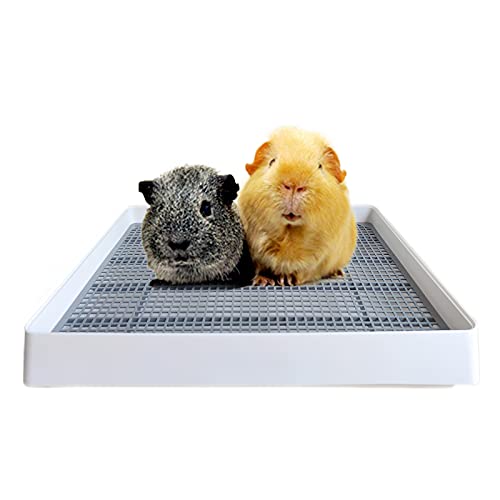
PODOO Rabbit Litter Box Training Potty Tray

PINVNBY Large Rabbit Litter Box with Drawer (Pink)
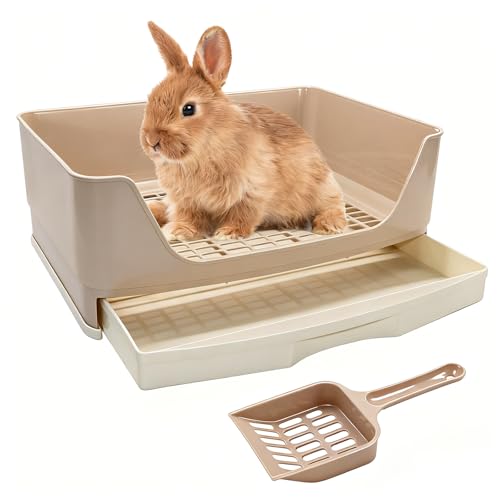
BWOGUE Large Rabbit Litter Box with Drawer, White

RUBYHOME Oversize Rabbit Litter Box with Drawer 16.9 inch (White)

BESNEW 3 in 1 Rabbit Hay Feeder with Litter Box

BESNEW Upgraded Wooden Hay Feeder Set with Litter Box
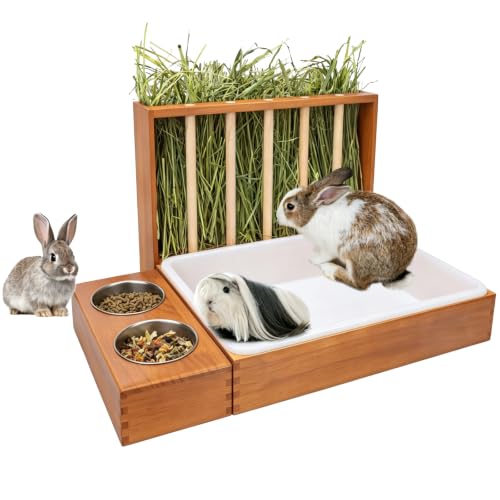
BESNEW Rot Resistant 3-in-1 Hay Feeder with Litter Box
More Details On Our Top Picks
This corner pan is the straightforward starting point most new rabbit households reach for first. Its deeper basin gives bedding room to absorb before anything overflows, which means fewer midweek full dumps than a shallow tray forces on you.
The removable center grate lifts out in seconds, so you can pair it with puppy pads or cage liners underneath and turn cleanup into a swap rather than a scrub. In a small apartment setup, that difference adds up fast over a week of daily maintenance.
Strong Points
- Deep design extends time between full litter changes
- Grate pops out for quick rinsing under the tap
- Works with pads or liners for near-scoop-free upkeep
- Corner shape tucks neatly into standard cage layouts
Things To Consider
- Plastic surfaces can hold stains over months of use without regular wiping
- Sized for smaller pets, so adult giants will feel cramped
Who It Suits Best
First-time bunny or guinea pig owners who want simple, low-effort training from day one.
A Better Fit Elsewhere
Owners of full-grown rabbits should look at the PINVNBY Large Rabbit Litter Box with Drawer, whose taller walls handle bigger animals.
Where the RUBYHOME leans deep, this tray goes wide and low. The entrance sits close to the floor, so guinea pigs, young rabbits, and shorter-legged pets step in without hopping, which matters during early potty training when hesitation means accidents elsewhere.
The grid floor lets droppings fall through while keeping paws off soiled material, and the stain-resistant plastic wipes down without much fuss. You get two medium trays per order, handy for a two-cage household or rotating one through the wash.
What We Like
- Low entry point welcomes small and young animals
- Grid keeps feet clean and dry between cleanings
- Two-pack covers multiple cages or a spare rotation
- Roomy interior reduces litter kicked over the edge
Worth Noting
- Shallower profile fills faster than drawer-style pans
- Medium sizing may pinch larger adult rabbits
At A Glance
Made For
Guinea pig and small-rabbit keepers working through house-training in compact cages.
Consider Something Else When
Adult rabbit owners needing more depth should step up to the BWOGUE Large Rabbit Litter Box with Drawer below.
Once your bunny passes the baby stage, a pull-out drawer changes the whole rhythm of cage care. Slide it out, dump, wipe, slide back, done, no lifting the whole pan or disturbing a pet mid-use. That single design choice is why this model earns its spot here.
The reinforced polypropylene base carries animals in the 3 to 8 kg range, covering most adult rabbits and chinchillas comfortably. Owners commonly report the odor-resistant surface holds up well to routine vinegar-and-water washes, though the pink finish won’t suit every cage aesthetic.
Highlights
- Drawer removes waste without moving the whole unit
- Reinforced bottom supports heavier adult animals
- Non-toxic PP plastic stands up to repeated scrubbing
- Taller walls contain kicking and spraying better than trays
Minor Gripes
- Color options are limited, so it may clash with some setups
- Measure your cage first; the tall profile needs clearance
Quick Facts
Right Fit For
Owners of mature rabbits or chinchillas who want drawer convenience without paying premium prices.
Not Your Match When
Anyone wanting a neutral white finish will prefer the BWOGUE model next on this list.
Think of this as the PINVNBY’s calmer sibling: same drawer concept, same reinforced base, but dressed in a clean white that disappears into most cage interiors. The mesh spacing is tuned so droppings drop through cleanly instead of smearing across the grate.
In a busy household with ferrets or chinchillas sharing space, that fine-mesh behavior keeps paws cleaner and cuts how often you wipe the grid itself. The trade-off shows up at cleaning time, since finer holes trap stuck debris and want a brush pass now and then.
Upsides
- Mesh sized so waste falls through without clogging
- Drawer design keeps hands away from mess
- Neutral white blends into any enclosure style
- Stain-resistant body simplifies weekly deep cleans
Small Caveats
- Fine mesh benefits from an occasional bristle-brush session
- White plastic shows discoloration sooner than darker finishes
Details At A Glance
Best Suited To
Multi-pet homes running chinchillas, ferrets, or adult rats alongside their rabbit.
Swap It Out When
Owners of very large breeds should compare the RUBYHOME Oversize box coming up next for extra length.
Rabbits like to eat hay while they go, and a cramped pan makes them perch awkwardly or avoid the box entirely. At 16.9 inches long, this oversize version gives big breeds and bonded pairs the stretch-out room the standard RUBYHOME can’t offer.
You still get the pull-out drawer, plus a grate that separates feet from waste. For anyone upgrading from a starter tray, the extra floor area usually ends the missed-corner problem on its own, since the animal simply fits the way nature intended.
Reasons To Buy
- Extra length accommodates giant breeds fully
- Drawer empties waste in one smooth motion
- Grate keeps paws off soiled litter
- Corner orientation saves usable cage floor
Points To Note
- Large footprint demands a genuinely spacious enclosure
- Overkill for dwarf breeds who’d rattle around inside
Feature Snapshot
Who Will Love This
Flemish, Continental, or other large-breed owners tired of pans their rabbit outgrows in weeks.
Reach For A Different Pick When
Space-tight apartments may serve a single dwarf better with the PODOO Training Potty Tray’s slimmer profile.
Rabbits naturally graze and relieve themselves at the same time, and this wooden station builds the whole routine into one footprint. A hay rack sits above the litter area, two iron bowls handle pellets and water, and dropped hay lands where waste belongs instead of across the floor.
That layout trims wasted hay noticeably, since what falls through gets caught by the pan below rather than soiled on cage bedding. The honest caveat is wood itself: untreated timber in a damp room can swell or sour over a season, so placement matters here.
Bright Spots
- Combines feeder, bowls, and pan in one compact unit
- Catches falling hay before it soils the cage
- Large hay capacity stretches refill intervals
- Iron bowls lift out for separate washing
Honest Caveats
- Standard wood finish wants a dry, ventilated spot
- Fixed footprint leaves less layout flexibility than standalone pans
Whose Shelf It Belongs On
Small-animal keepers consolidating feeding and toilet zones in a single tidy corner.
Look Elsewhere When
Humid basements or bathrooms call for the rot-treated BESNEW version at number eight.
This upgraded take on the previous BESNEW station attacks the chore everyone dreads: emptying the pan. It ships with liner bags plus a matching dustpan and broom, so the daily reset becomes lift the frame, tie the bag, sweep strays, done in about a minute.
The stainless steel mesh center lets droppings pass straight into the litter zone while your pet eats above, keeping the eating surface cleaner than plain wood slats manage. Owners juggling several cages tend to value that speed most.
Plus Points
- Bag system turns pan emptying into a one-minute job
- Includes dustpan and broom sized for the station
- Steel mesh drops waste through while pets feed
- Removable net frame rinses clean quickly
Softer Spots
- Consumable liner bags add a small recurring cost
- More parts to reassemble after each deep clean
Core Details
Who Should Grab It
Multi-cage owners and anyone whose schedule leaves only minutes for daily pet chores.
Another Choice May Suit
Shoppers wanting simpler hardware with fewer consumables may favor the original BESNEW 3 in 1 station at number six.
Moisture is the quiet killer of wooden pet furniture, and this third BESNEW variant answers it directly with rot-resistant treated timber. Urine splashes and spilled water that would gradually degrade ordinary feeders meet a surface built to shrug them off season after season.
You keep the same winning layout as its siblings: hay rack up top, two iron bowls, litter zone beneath. The upgrade is purely in longevity, which makes it the sensible choice for humid climates or outdoor-adjacent hutches where the standard wood versions age faster.
Standout Traits
- Treated wood withstands damp conditions far longer
- All-in-one layout curbs hay waste effectively
- Two iron bowls cover food and water in place
- Sturdy build tolerates enthusiastic chewers better
Areas To Watch
- Treatment adds weight, so repositioning takes two hands
- Still worth checking joints periodically in very wet environments
The Right Fit
Keepers in humid regions or anyone placing the station near water sources or exterior walls.
Where A Sibling Pick Shines
Dry indoor rooms with light budgets are served just as well by the BESNEW Upgraded Wooden Hay Feeder Set at number seven.
What Matters Most Before Choosing Litter Pans For Rabbits
Size Comes First, Always
A pan too small gets avoided, and an avoided pan means mess everywhere else. Your rabbit should stand fully inside with room to turn, and large breeds generally need 16 inches of length or more. Measure your cage floor before ordering, because tall drawer models also demand vertical clearance.
Grate Or No Grate
A grate, the slotted floor that separates paws from waste, dramatically cuts dirty feet and stained fur. Some rabbits dislike walking on grids though, so watch your pet’s reaction during the first week. Shy or senior animals often prefer a soft bedding layer instead.
Cleaning Style Fits Your Routine
Drawer designs let you remove waste without lifting the whole unit, which matters in tight spaces or with heavy pans. Bag-based systems like the BESNEW sets trade a small recurring cost for near-zero contact with mess. Match the mechanism to how often you actually want to touch the thing.
Material And Placement
Plastic pans resist odor and rinse easily, while wooden stations consolidate feeding and toileting but need dry air to last. Place any pan where your rabbit already chooses to go, since relocation fights instinct and slows training considerably.
Key Considerations Across These Picks
Traps First Timers Fall Into
The most common error is buying for a baby rabbit and never upsizing. Juveniles grow fast, and a pan that fit at twelve weeks becomes useless by six months. Another frequent slip is ignoring cage dimensions; oversized corner units simply don’t fit standard hutches, forcing returns. Check both numbers before checkout.
What Separates Premium From Basic
Higher-tier picks earn their cost through mechanics, not looks. Pull-out drawers, stainless mesh, and rot-treated timber all reduce the minutes you spend on maintenance every single day. Over a year of ownership, those saved minutes and extended lifespan typically outweigh the initial gap between basic and upgraded models.
Frequently Asked Questions
How often should a rabbit litter pan be cleaned?
Spot-clean droppings daily and refresh litter every two to three days. A full wash with mild soap weekly keeps odor down.
Can guinea pigs use the same pans as rabbits?
Yes, most corner pans suit both species. Choose lower-entry models like the PODOO tray for guinea pigs’ shorter legs.
Do rabbits need litter with special properties?
Paper-based or aspen bedding works well; avoid clumping cat litters and cedar or pine shavings. Plain paper pellets absorb well and track less.
Why does my rabbit use the pan inconsistently?
Placement and size are the usual culprits. Move the pan to the corner your rabbit already favors and confirm it fits comfortably.
Are hay feeder and litter combinations worth it?
For most owners, yes, since rabbits eat and relieve themselves simultaneously. Combos cut hay waste and concentrate mess in one cleanable zone.
Closing Remarks
The right pan quietly improves daily life for both you and your rabbit, turning cage upkeep from a chore into a two-minute habit. Start with size, match the cleaning style to your routine, and let your pet’s habits guide placement. Any of these eight will serve you well once it fits the animal and the cage alike.
