

Bringing a kitten home means weeks of small victories and the occasional surprise on your carpet. The right setup, a low-entry box, a litter that clumps fast, maybe an attractant to point the way, makes those first months far less messy. This roundup covers boxes, litters, sprays, and additives that work together during housebreaking season.
The Shortlist At A Glance

chuyouan Collapsible Kitten Litter Box

GreenJoy Kitten Litter Box Starter Kit (PinkScoop Set)

Dr. Elsey’s Clean Tracks Clumping Clay Cat Litter 18 lb
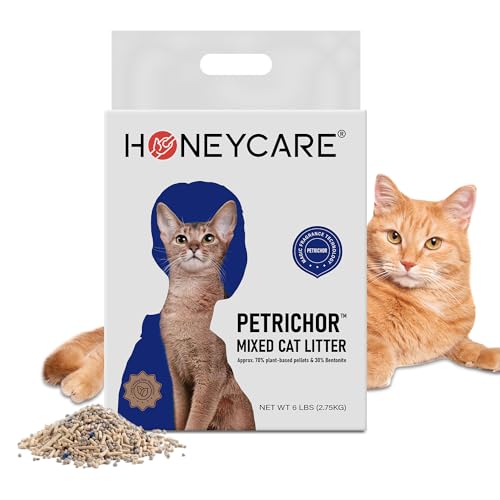
HONEY CARE Petrichor Mix Tofu Cat Litter 6 Lbs

PET YOUR PET Cat Potty Training Spray 16 Fl Oz
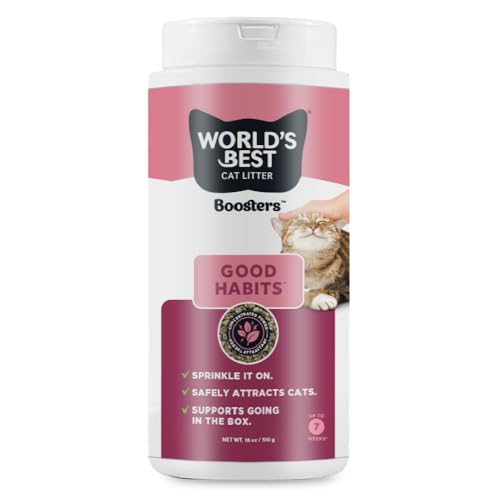
World’s Best Good Habits Litter Additive 18 oz Canister

TomteNisse Foldable Height-Adjustable Cat Litter Box (Gray)
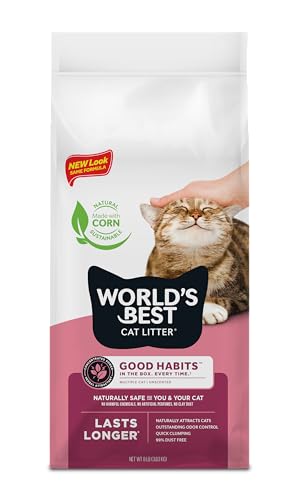
World’s Best Good Habits Cat Attract Litter Unscented 8 lb
More Details On Our Top Picks
A foldable pan sounds gimmicky until you live in a studio apartment or need a second box tucked behind a door. In its collapsed mode this chuyouan sits barely two inches tall, which puts the entrance low enough for a four-week-old kitten to waddle straight in without a running start.
Expanded, it measures roughly 17.7 by 13.4 inches with five-inch walls, enough depth for a light layer of litter without overwhelming a tiny body. Owners commonly report the shallow profile also suits senior cats with stiff joints.
Strong Points
- Two usable modes mean one purchase covers both the training phase and later travel or storage needs.
- The folded height of about 1.9 inches creates a near-ground entry that very young kittens can manage on day one.
- Open-top design makes daily scooping quick since there is no lid or hood to remove.
Things To Consider
- Five-inch walls are shallow by design, so enthusiastic diggers may scatter litter beyond the rim.
- The folding hinge points are worth checking periodically for wear once your cat reaches full size.
Quick Facts
Who It Suits Best
Apartment dwellers and foster homes juggling several very young kittens will get the most out of this space-saving design.
Where A Sibling Pick Shines
Once your kitten passes three months, the TomteNisse Foldable Height-Adjustable Cat Litter Box offers taller walls and more room to grow into.
Nobody adopting their first kitten wants to research six separate products at midnight. GreenJoy bundles the essentials into one pink-themed set: a compact low-entry box, an anti-tracking mat, a scoop, and a couple of toys, so day one runs smoothly instead of turning into a supply run.
The low entrance matters most here. Very young kittens have short legs and zero patience, and a high rim is one of the most common reasons they give up and go elsewhere. The included mat catches granules stuck between tiny paw pads before they reach your hallway, which in most homes is where the real mess happens.
What We Like
- One purchase covers the box, floor protection, scooping tool, and play items, saving multiple checkout trips.
- The anti-tracking mat traps scattered litter, meaning noticeably fewer crunchy surprises underfoot.
- Compact footprint fits bathrooms, laundry corners, and other small spaces new owners usually assign.
Minor Gripes
- The box itself is sized for kittens and small cats only, so plan an upgrade around the six-month mark.
- Pink styling won’t suit every room, though function is identical across the set.
Built With In Mind
First-time adopters who want a complete, no-research starter package for a kitten under twelve weeks.
Skip It When
Households with an adult cat already in residence should look at the larger TomteNisse box instead of outgrowing this one quickly.
Clay litter gets a bad rap for dust clouds and tracked granules, and Dr. Elsey’s built Clean Tracks specifically to answer both complaints. The medium-grain texture is heavy enough to stay put in the pan yet still forms firm clumps you can lift out whole during a morning scoop.
There’s no added fragrance here, which matters more than people expect. Kittens are sensitive to strong scents, and a perfumed box can actually discourage use. An eighteen-pound bag fills a standard pan generously and, depending on how many cats share it, typically lasts several weeks of daily scooping.
Highlights
- Formulated to be 99 percent dust-free, so pouring the bag doesn’t fog up your laundry room.
- Low-tracking medium grains stay in the box rather than riding out on paws.
- Fragrance-free formula keeps the box appealing to scent-sensitive kittens.
- Natural clay ingredients with dependable hard clumping for easy waste removal.
Softer Spots
- Clay is heavier than plant-based alternatives, so hauling an 18-pound bag upstairs takes some effort.
- Used clay clumps belong in the trash, not the toilet, unlike flushable corn or tofu litters.
At A Glance
Right Fit For
Multi-cat homes and anyone tired of sweeping tracked granules off hardwood floors every evening.
Another Choice May Suit
Shoppers wanting a lighter, flushable option should compare the HONEY CARE Petrichor tofu blend below.
Tofu litter, made from processed plant fibers, has quietly become the favorite of apartment dwellers because it’s lightweight and often flushable in small amounts. HONEY CARE blends those pellets with bentonite clay, the absorbent mineral behind classic clumping litters, aiming for both worlds at once.
The pellets run about 2mm across, chunky enough that they don’t wedge between paw pads and hitch a ride across your floors. On contact with urine the mix firms up quickly, so spot cleanup stays a one-scoop job. At six pounds the bag is genuinely easy to carry, a small thing you’ll appreciate weekly.
Plus Points
- Bean-husk and bentonite blend delivers odor control without heavy synthetic perfume.
- 2mm pellet size resists tracking far better than fine sandy litters.
- Low-dust pour keeps surfaces clean, helpful for allergy-prone households.
- Six-pound bag is manageable to store and carry compared with bulky clay.
Points To Note
- Some cats raised on clay take a few days to accept the different texture underfoot.
- Smaller bag means more frequent repurchasing in multi-cat homes.
Core Details
Made For
Dust-sensitive owners and city dwellers who value a lightweight, low-mess litter over maximum bag volume.
Consider Something Else When
Traditionalists who want proven, widely available clay performance will prefer Dr. Elsey’s Clean Tracks from earlier in this list.
Cats are creatures of habit, and once one picks a corner behind the couch, that spot becomes a repeat destination unless something changes. This deterrent spray works by making off-limits areas unappealing, gently redirecting your kitten back toward the box you’ve already set up.
A sixteen-ounce bottle covers a lot of baseboards, rugs, and furniture legs, indoors or out. Consistency is the honest catch here: results depend on reapplying after cleaning and pairing the spray with an inviting, clean litter box. Used alone, no spray fixes the underlying problem.
Bright Spots
- Helps break the habit of returning to previously soiled spots around the home.
- Large 16-ounce bottle handles multiple rooms and lasts through a full training period.
- Works both inside and outside, useful for screened porches and balconies.
Honest Caveats
- Individual cats respond differently, so patience and repeated application are part of the deal.
- Always spot-check fabrics first, since sprays can leave residue on delicate upholstery.
Whose Shelf It Belongs On
Owners dealing with a stubborn repeat offender spot alongside an otherwise solid litter routine.
Swap It Out When
Your goal is attracting a hesitant kitten toward the box rather than pushing it away from a corner; the World’s Best attractant litter handles that job better.
An additive is the flexible middle path when your cat ignores the box but you’ve already invested in a litter you like. You sprinkle this natural powder over whatever’s currently in the pan, and its plant-derived scent draws your kitten back to the right spot without forcing a full litter switch.
The shaker-style canister makes dosing simple, and an 18-ounce supply stretches across many weeks of regular top-ups. Worth noting though, it complements good hygiene rather than replacing it; a dirty box will defeat any attractant.
Reasons To Buy
- Mixes with any existing litter brand, protecting the investment you’ve already made.
- Natural scent-based attraction encourages consistent box visits without harsh chemicals.
- Simple sprinkle application takes seconds during routine litter refreshes.
Small Caveats
- It’s a supplement, not a standalone fix, so pair it with frequent scooping.
- Response varies cat to cat; some ignore attractants entirely.
The Right Fit
Owners of a fussy or recently adopted cat who want to reinforce box habits without changing their current litter.
Reach For A Different Pick When
You’d rather solve attraction and litter quality in one step; the World’s Best Good Habits attractant litter bakes the attractant directly into the granules.
Where the chuyouan collapsible box earlier in this list is built strictly for the kitten stage, TomteNisse designs for the whole journey. Collapse it for a low entry that suits training weeks, senior cats, or cats with mobility limits, then raise the walls for a full-grown adult who digs with enthusiasm.
The included scoop comes with its own caddy, a detail that sounds trivial until you stop fishing a grimy scoop off the floor. Anti-splash walls contain the kick-back that open pans spread across tile, and the design accepts any scoopable material, from clumping clay to crystal to wheat-based options.
Standout Traits
- Adjustable wall height serves kittens, adults, seniors, and handicapped cats in one product.
- Scoop-and-caddy combo keeps the cleaning tool contained and presentable.
- Compatible with clumping clay, crystal, corn, and wheat litters alike.
- Larger interior gives adult cats room to turn and dig comfortably.
- Foldable construction simplifies storage and moving day.
Trade Offs
- Folding panels add assembly steps compared with a rigid one-piece pan.
- Owners commonly report the hinges deserve gentle handling during height changes.
Details At A Glance
Who Will Love This
Planners adopting a kitten they intend to keep for life, plus households caring for elderly or mobility-limited cats.
Not Your Match When
You need the absolute smallest footprint for a bathroom shelf; the chuyouan collapsible box folds flatter and costs less commitment.
This is the additive concept from item six baked directly into the litter itself. A plant-based attractant is infused through every granule, coaxing hesitant kittens toward the box on instinct rather than habit. For a newly adopted eight-week-old who hasn’t fully connected the dots yet, that nudge can shorten the training curve considerably.
The base material is corn and plant fiber, which carries a practical safety angle: kittens sometimes taste-test new litter, and this natural composition is designed with sampling in mind. The unscented formula avoids the perfumed smell many cats dislike, and the eight-pound bag suits single-kitten households well.
Positives
- Built-in plant attractant encourages box visits without a separate additive step.
- Corn and plant-fiber composition is gentle by design for curious tasters.
- Unscented profile keeps the pan welcoming to sensitive noses.
- Lightweight bag handles easily compared with dense clay alternatives.
Areas To Watch
- Eight pounds goes faster than an 18-pound clay bag, so multi-cat homes reorder sooner.
- Texture differs from clay, and a gradual transition helps picky cats adjust.
Feature Snapshot
Perfect Match For
Newly adopted kittens under four months whose owners want attraction and safety handled in a single bag.
Look Elsewhere When
You already own a litter you like and only need a habit boost; the World’s Best Good Habits additive canister does that job without replacing anything.
What Matters Most Before Choosing Litters For Kitten Training
Entry Height Comes First
A kitten under ten weeks has legs barely two inches long, and a tall rim is the number one reason training stalls. Look for entrances at or near ground level, whether that’s a dedicated low-entry pan or a foldable box used in collapsed mode. Senior and handicapped cats benefit from the same geometry years later.
Match The Litter To The Kitten
Fine, soft textures feel closest to what very young kittens naturally dig in, while medium-grain clay trades some softness for less tracking. Fragrance-free formulas win almost every time during training, since strong perfumes can push a hesitant kitten away from the box entirely.
Think About Your Floors
Tracking is the complaint that outlasts training itself. Anti-tracking mats, larger pellet sizes around 2mm, and low-dust formulas each cut down the granules that end up underfoot. Homes with allergies should weigh dust levels heavily when comparing clay against plant-based options.
Plan For Growth
The box that fits a two-pound kitten won’t fit a ten-pound adult. Adjustable-height designs and foldable pans bridge that gap, letting one purchase serve the training phase and beyond instead of forcing a replacement within months.
Key Considerations Across These Picks
Traps First Timers Fall Into
The most common mistake is buying a hooded, high-sided box for a tiny kitten, then blaming the cat when accidents happen. Another frequent slip is switching litter brands abruptly mid-training; gradual mixing over a week keeps habits intact. Skipping the mat to save a few dollars usually costs more time sweeping.
When Paying More Pays Off
Higher-tier boxes earn their price through adaptability: adjustable heights, included accessories, and sturdier folding hardware that survives years rather than months. Premium litters justify cost through lower dust, better clumping, and less waste per scoop. Pay up once your kitten is settled; budget gear is fine for the earliest weeks.
Frequently Asked Questions
What age should litter training start?
Most kittens begin learning between three and four weeks old, guided by their mother or by placement in a shallow box. By eight weeks, consistent habits usually form with a proper setup.
How many litter boxes does one kitten need?
One box per cat plus one extra is the widely recommended baseline. A single kitten can start with one low-entry box in a quiet, accessible spot.
How often should I change the litter completely?
Full changes every two to four weeks suit most setups, with daily scooping in between. Plant-based litters may need fresher cycles depending on humidity and usage.
Are scented litters bad for kittens?
Strong fragrances can discourage box use because cats rely heavily on scent cues. Unscented or lightly scented formulas are the safer default during training.
How do I stop my kitten from missing the box?
Lower the entry height, keep the box scrupulously clean, and place it somewhere calm. Deterrent sprays help protect previous accident spots while good habits form.
Closing Thoughts
Training a kitten rewards preparation more than patience alone. Pair a low-entry box with a litter your kitten actually likes, add an attractant or deterrent only where the situation calls for it, and upgrade the box as your cat grows. Start with the setup that matches your space today, and adjust as your kitten shows you what works.
