

Setting up a snake terrarium means balancing two goals that sometimes fight each other: a habitat that looks like a real forest floor, and one you can actually keep clean. Live greenery adds humidity, cover, and visual depth, but some species demand more attention than a busy schedule allows. That’s where this list earns its keep. It mixes genuinely living options, like a hardy snake plant and greenhouse-grown mosses, with realistic artificial pieces for the corners where nothing survives.
The Shortlist At A Glance

Altman Plants Live Snake Plant (Laurentii) 30″ Tall

Exo Terra Boston Fern Terrarium Plant, Medium

MEPHAN Reptile Hanging Vine Decor Set (Group BN)

LUCKYRUNES Live Moss Duo Pack, Sheet & Sphagnum

LUCKYRUNES Live Moss Terrarium Bedding
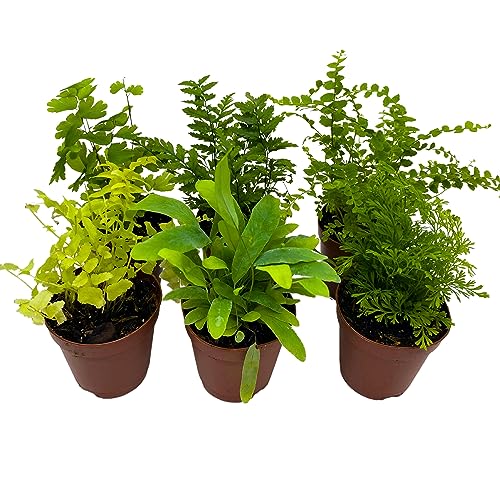
BubbleBlooms Fern Variety Assortment, 6 Mini Ferns

USMOLA Bendable Moss Vine, Jungle Green, 6.5 FT
More Details On Our Top Picks
A Laurentii snake plant brings something most terrarium greenery can’t: height. The tall, sword-shaped leaves reach roughly 30 inches and carry bright yellow margins against deep green centers, so a single pot fills vertical space in an enclosure backdrop or beside the tank itself.
This is a succulent, which means it stores water in its leaves and shrugs off missed waterings. In dry snake setups, especially ball python or corn snake enclosures kept on the arid side, that tolerance matters more than any decorative flourish.
Strong Points
- Survives irregular watering schedules, so travel weeks won’t kill it
- Tolerates nearly any light level, from dim rooms to bright indirect sun
- The yellow-edged variegation adds contrast against bark and cork backgrounds
- Arrives in a 4-inch nursery pot, easy to sink into substrate or display outside the tank
Things To Consider
- It dislikes soggy roots, so heavy misting routines aimed at humidity-loving species can rot it; owners commonly report overwatering as the main failure point
- Sharp leaf tips sit within reach of curious snakes, worth positioning carefully
Who Should Grab It
First-time reptile keepers who want genuine living greenery without adding a second daily chore.
Where Another Pick Suits Better
High-humidity tropical setups favor the LUCKYRUNES Live Moss Duo Pack, since sphagnum thrives in damp air where this succulent would struggle.
Honest answer first: this isn’t alive. Exo Terra built it as a faithful copy of a Boston fern, with long arching fronds and a weighted base that keeps it upright under digging snakes. Where the Altman snake plant needs light and restraint with water, this piece needs nothing at all.
Its stated purpose is filling the dead zones, quarantine enclosures, sterile hospital tubs, or shaded corners where real plants simply decline. A new arrival recovering in a bare setup still gets visual cover, which reduces stress without introducing soil, pests, or cleanup.
Bright Spots
- Zero upkeep: no misting, pruning, or lighting requirements whatsoever
- Weighted base resists tipping when heavier colubrids push past it
- Fronds create instant hiding structure for shy or newly acquired snakes
Worth Noting
- Plastic construction offers none of the humidity or air benefits of living plants
- Long-term UV exposure near basking lamps tends to fade the coloring, based on widely reported owner feedback
Made For
Keepers running quarantine tubs, breeding racks, or low-light enclosures where living foliage has no chance.
A Better Fit Elsewhere
Showpiece naturalistic builds get more life from the BubbleBlooms fern assortment, which supplies six actual growing species instead of one static replica.
Arboreal species need vertical territory, and this six-piece kit builds it fast. You get two large hanging leaf vines, a bendable 47-inch branch, an extra vine-leaf accent, two 12-inch ivy hangers, and six two-inch suction cups to anchor everything to glass.
Compared with the single USMOLA vine later in this list, MEPHAN trades one long continuous run for several shorter elements, which suits corner-heavy layouts. Installation takes minutes: press a cup, hook a vine, reshape the branch around branches or background foam.
Upsides
- Six coordinated pieces let you dress an entire enclosure in one order
- The flexible core branch holds whatever curve you bend it into
- Oversized suction cups grip smooth glass better than the small cups bundled with cheaper kits
- Works equally well in lizard, gecko, and snake habitats
Small Caveats
- Suction cups lose grip on textured or frosted glass, so plan anchor points accordingly
- Plastic vines collect dust between cleanings and need occasional rinsing
Right Fit For
Owners of climbing corn snakes, crested geckos, or chameleons who want layered cover without live-plant upkeep.
Consider Something Else When
A single dramatic horizontal route across the tank calls for the longer USMOLA moss vine rather than this multi-piece arrangement.
Sheet moss and sphagnum moss behave differently, and getting both in one pack is the smart part of this duo. Each piece measures roughly 3.5 by 7 inches and arrives greenhouse-grown, giving you two distinct colors and textures for layering a forest-floor look.
It ships dry and dormant on purpose, a transit method that prevents rot in the box. Generous misting or a light soak revives it within about 30 to 60 minutes, after which it reads as soft, living groundcover in humid vivariums and humid hides alike.
What We Like
- Two varieties mean natural contrast instead of one flat green carpet
- Dry shipping keeps mold out of the package before it ever reaches your tank
- Rehydration is quick enough to landscape the same day it arrives
- Doubles as craft material for bonsai and plant décor projects
Points To Note
- Two modest patches cover limited square footage; larger floors need multiple packs
- Living moss demands consistent moisture, so arid-species keepers should skip it
Quick Facts
Whose Shelf It Belongs On
Keepers of humidity-dependent species, think rainbow boas or Asian vine snakes, who want authentic living groundcover.
Swap It Out When
Drier desert-style enclosures match the Altman snake plant far better than moisture-loving moss ever will.
Where the duo pack above works as accent patches, this listing positions moss as functional bedding. Spread it across the floor of a humid hide or lay it as a fresh green layer over substrate, and it serves frogs, geckos, turtles, and snakes in equal measure.
The practical appeal is dual duty: decoration and microclimate in one material. Mist it to rehydrate, tuck it into a hide box, and you’ve given a shedding snake a damp retreat that also looks intentional rather than clinical.
Plus Points
- Functions as both visual décor and a humidity-retaining bedding layer
- Suits a wide range of species, from dart frog vivariums to snake humid hides
- Real green tone beats dyed substrates that bleed color when wet
Softer Spots
- Bedding-scale use means replacing it periodically as it breaks down, a routine maintenance cost many owners mention
- Needs regular misting to stay viable in drier rooms
Who Will Love This
Multi-species keepers who want one natural material serving hides, floors, and display tanks across several enclosures.
Reach For A Different Pick When
Structured texture contrast matters more than coverage area, in which case the LUCKYRUNES duo pack delivers two distinct moss types.
Six different ferns, each in a two-inch pixie pot, arrive hand-selected from professional growers. Natural variation guarantees no two sets look identical, which suits keepers who’d rather build a one-of-a-kind layout than replicate a stock photo.
These are true houseplants meant for bright, indirect light, so they shine brightest in open-top terrariums or planted displays beside the enclosure. Ferns appreciate humidity, making them natural companions for misted reptile setups, though they’ll want their own care routine once established.
Reasons To Buy
- Six species in one order creates instant planting diversity
- Two-inch pots slot neatly into small terrarium pockets and shelf gaps
- Nursery-container shipping follows standard horticultural handling, reducing transplant shock
- Giftable presentation for the plant-and-reptile enthusiast in your life
Minor Gripes
- Miniature size means slow initial impact; patience is required before they fill out
- Individual care needs vary by fern type, so research each species after arrival
At A Glance
The Right Fit
Patient hobbyists building planted vivariums who enjoy nurturing young plants toward maturity.
Not Your Match When
Instant fullness matters more than variety, and the taller Altman snake plant delivers immediate height instead.
One continuous 6.5-foot rope wrapped in soft green moss changes what an enclosure can do. Bend it into ramps, loops, or elevated highways, and climbing species gain territory that flat layouts never offer. Size options extend to a 9.8-foot twin pack for larger builds.
Unlike the segmented MEPHAN kit, this is a single sculptable line, which makes it easier to design one flowing path from floor to perch. The moss covering looks convincingly natural and gives arboreal snakes and geckos a grippy surface to traverse.
Standout Traits
- Wire-friendly flexibility holds custom shapes without sagging
- Moss exterior provides traction for climbing scales and toes
- Multiple length configurations suit everything from 20-gallon tanks to walk-in habitats
Honest Caveats
- Artificial moss traps waste in high-traffic zones, so spot cleaning becomes part of the routine
- Heavy-bodied species may compress the padding over time, per common owner reports
Best Suited To
Chameleon, crested gecko, and tree boa keepers designing vertical enrichment into tall enclosures.
Look Elsewhere When
Ground-dwelling species with no interest in climbing get better value from the LUCKYRUNES bedding moss instead.
What Matters Most Before Choosing Live Plants For Snake Terrarium
Match The Plant To Your Humidity Zone
A rainforest species and a desert species can’t share the same greenery. Living moss and ferns thrive where misting runs daily, while succulents like the Laurentii snake plant rot in those same conditions. Check your target species’ native climate first, then pick flora that agrees with it.
Weigh Upkeep Against Reward
Real plants filter air, hold humidity, and look alive in ways plastic never will. The trade-off is watering, pruning, and the occasional replacement. Busy schedules or quarantine setups justify artificial pieces; show tanks reward the extra effort.
Mind Placement And Safety
Anything inside the enclosure gets climbed, pushed, and possibly tasted. Anchor climbing structures firmly, avoid sharp edges near resting snakes, and confirm any species is non-toxic before it shares space with your animal.
Start Small, Then Expand
A single well-chosen plant teaches you your enclosure’s light and moisture patterns. Add more once you know how the microclimate behaves across seasons.
Key Considerations Across These Picks
Traps First Timers Fall Into
Mixing arid and tropical plants in one tank tops the list. The second mistake is skipping the revival step on shipped moss; dry dormancy is intentional, not damage. New keepers also tend to underestimate suction cup limits on textured glass, so test anchors before loading weight onto them.
The Case For Spending Up
Higher-tier picks earn their cost through longevity and realism. Dense moss coverage, stronger suction hardware, and greenhouse-grown stock all last longer and perform better than thin budget versions. Paying up pays off most in permanent display enclosures you’ll photograph and enjoy for years.
Frequently Asked Questions
Are live plants safe for snake enclosures?
Most non-toxic species are fine, but always verify a plant’s safety for reptiles before introduction. Quarantine new plants separately to avoid transferring pests into the tank.
Do live plants really help with terrarium humidity?
Yes, living foliage releases moisture through transpiration and slows evaporation from substrate. The effect is modest on its own but meaningful when combined with proper misting.
How often should terrarium moss be replaced?
Expect to refresh heavily used bedding every few months depending on traffic and moisture levels. Accent patches in low-contact zones can last considerably longer with regular misting.
Can artificial and live plants be mixed?
Absolutely, and many experienced keepers do exactly that. Artificial pieces handle harsh microclimates while live plants occupy the favorable zones.
What light do terrarium plants need?
Most thrive in bright, indirect light positioned away from basking heat sources. Low-light tolerant options like snake plants forgive dimmer placements.
Closing Thoughts
Building a snake terrarium that looks genuinely wild comes down to matching each plant to your enclosure’s climate and your own maintenance bandwidth. Start with one resilient option, learn how your tank breathes, then layer in mosses, ferns, or vines as confidence grows. Your snake gets richer cover, and you get a habitat worth showing off.
