

Cats with kidney concerns, heart conditions, or touchy stomachs need food that goes easy on sodium without skimping on protein or flavor. The problem is that most grocery-store cans and kibble bags don’t make their sodium levels obvious, so you end up squinting at labels in the aisle. This shortlist pulls together eight options built around gentler formulations, from everyday wet variety packs to veterinary kidney diets and broth toppers for fussy eaters. Whether you’re managing a senior cat’s diet or just want a lower-salt pantry staple, there’s a fit here.
The Shortlist At A Glance

A Strong Heart Dinner Variety Pack Shreds & Cuts 32pk

Hill’s Science Diet Sensitive Stomach & Skin Wet Variety Pack

Hill’s Science Diet Sensitive Stomach & Skin Wet Variety Pack

Stella & Chewy’s Raw Coated Cat Food Cage-Free Chicken 2.5lb Bag
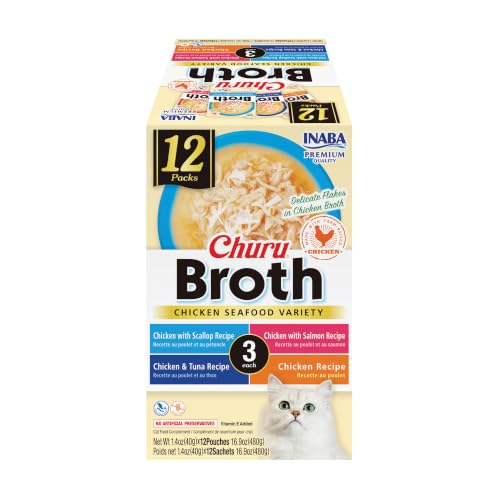
INABA Churu Broth for Cats Side Dish Pouches Chicken & Seafood Variety

Hill’s Prescription Diet k/d Kidney Care Wet Cat Food

Hill’s Prescription Diet k/d Kidney Care Dry Cat Food

Tiki Cat Silver Wet Cat Food Variety Pack Senior 12 Count
More Details On Our Top Picks
Thirty-two cans is serious pantry coverage, and this pack keeps mealtime interesting by mixing smooth pâté recipes with shredded cuts in gravy. Flavors run through chicken, tuna, salmon, and fish dinners, so a cat who tires of one texture has three others waiting.
The formulas carry balanced vitamins and minerals across life stages, which matters in homes where a kitten and an adult share the bowl rotation. Owners commonly report the shreds hold together well in gravy rather than turning mushy, a small detail that decides whether a can gets finished or abandoned.
Strong Points
- Four distinct recipe styles keep finicky cats engaged week after week
- Gravy-based shreds add moisture, which supports hydration in cats that drink little water
- Bulk case format means fewer reorders and a lower cost per can than single-flavor buys
- Suitable for every life stage, simplifying feeding in mixed-age households
Things To Consider
- Texture varies by flavor within the case, so a cat locked onto pâté may leave the shreds behind
- Storage takes real cupboard space until the case works down
Key Specs
Who Should Grab It
Multi-cat homes and anyone tired of buying single flavors every fortnight will get the most out of this case.
Where A Sibling Pick Shines
Cats with diagnosed digestive trouble are better served by the Hill’s Science Diet Sensitive Stomach & Skin minced variety pack, which targets gut health directly.
Where the Strong Heart case wins on volume, this Hill’s pack wins on purpose: every minced recipe is built around easy digestion and skin support. The lineup pairs chicken with tuna, duck, or salmon alongside vegetables, giving you rotation without leaving the sensitive-stomach lane.
Natural fiber helps firm up stools, which anyone scooping a litter box daily will appreciate more than any marketing claim. Omega-6 fatty acids and vitamin E round out the formula for coat condition, so improvements tend to show up in the fur before anywhere else.
What We Like
- Minced texture suits cats that struggle with large chunks or thick pâté
- Fiber content translates to easier litter box cleanup in day-to-day ownership
- Omega-6s and vitamin E support visible coat improvement over weeks of feeding
- Multiple protein options let you isolate a flavor if one triggers fussiness
Worth Noting
- Formulated for adult cats specifically, so growing kittens need a different diet
- Some owners report a transition period of loose stools when switching too quickly
Right Fit For
Adult cats with recurring tummy upset or dull coats, especially those whose owners want a vet-backed brand name behind the formula.
Swap It Out When
A cat that prefers gravy and chunkier bites may take to the Hill’s stew-style sensitive stomach pack further down this list instead.
This is the stew sibling of the previous Hill’s entry, swapping minced loaves for chunks swimming in savory gravy. Two flavor pairings, chicken and beef or salmon and tuna, keep things simple, and the 2.8-ounce cans suit smaller appetites or split feedings.
The gravy does double duty: it entices reluctant eaters and adds moisture to every bite. High-quality protein supports lean muscle maintenance, while vitamin E and fatty acids continue the skin-and-coat work the minced version handles. Available in 12- and 24-count cases depending on how fast your cat works through them.
Highlights
- Gravy texture reliably tempts cats that sniff and walk away from pâté
- Small 2.8 oz cans reduce waste for grazers or single-meal portions
- Antioxidants including vitamins C and E back up immune health alongside digestion
Softer Spots
- Only two flavor combinations, less rotation than the minced four-flavor pack
- Gravy-heavy recipes can leave residue on whiskers and chin fur that needs wiping
- Adult-formula only, not designed for kitten growth needs
Quick Facts
Made For
Owners of adult cats who turn up their noses at loaf textures but still need gentle, digestible nutrition.
Another Choice May Suit
Kittens and seniors sharing a kitchen do better with the all-life-stage A Strong Heart variety pack at the top of this list.
Dry food usually loses the aroma battle against wet, but a freeze-dried raw coating changes the math. Each piece of this grain-free kibble carries a layer of raw chicken that delivers the scent and taste selective eaters respond to, wrapped around 65 to 70 percent animal protein with cage-free chicken leading the ingredient list.
The small kibble size earns its keep in real homes: kittens manage it, senior cats with dental sensitivity manage it, and probiotics plus natural fiber keep digestion steady. Bag sizes run from 2.5 pounds up to multi-pack five-pounders, so commitment level stays flexible.
Reasons To Buy
- Raw coating converts known kibble refusers without switching to an all-wet diet
- Ancestral protein levels mirror what obligate carnivores are built to process
- Probiotics support gut balance during and after the transition period
- Small pieces suit tooth-sensitive seniors and young kittens alike
Minor Gripes
- Costs noticeably more per pound than standard grocery kibble
- Once opened, the bag needs sealing well; the raw coating’s aroma fades with air exposure
Whose Shelf It Belongs On
Owners of stubborn dry-food refusers who want premium ingredients and are willing to pay for them.
Reach For A Different Pick When
Budget comes first, since the Hill’s k/d dry formula later in this list delivers specialized nutrition at a friendlier per-pound figure.
This isn’t a meal replacement, and that’s the point. Each 1.4-ounce pouch holds silky chicken broth with flakes of chicken plus tuna, scallop, or salmon, made from farm-raised chickens with no grains, preservatives, or artificial colors. A dedicated senior 10+ recipe sits inside the variety too.
In practice these pouches shine as hydration insurance. Cats chronically under-drink, and pouring broth over kibble or serving it straight adds fluid intake without a fight. Twelve pouches per case means a daily topper habit lasts about two weeks per cat.
Plus Points
- Broth format sneaks extra moisture into cats that ignore their water bowl
- Clean ingredient list avoids grains, preservatives, and artificial colors entirely
- Tear-open pouches portion perfectly with no can opener or leftovers
- Works as a medication-hiding vehicle, a trick many owners rely on
Points To Note
- Supplemental only; it cannot replace complete nutrition on its own
- At roughly two weeks of daily use per case, costs add up for multi-cat homes
Feature Snapshot
Who Will Love This
Senior cat owners and anyone coaxing a dehydrated or medication-averse cat toward better fluid intake.
Not Your Match When
You need a standalone dinner, in which case the Tiki Cat Silver cans below deliver complete senior nutrition instead.
For cats with diagnosed kidney disease, this is the category heavyweight. The k/d line is clinical nutrition developed by Hill’s nutritionists and veterinarians, built around ActivBiome+ Kidney Defense, a proprietary prebiotic blend shown to activate the gut microbiome in ways that help protect kidney function.
Three stew recipes, chicken and vegetable, chicken vegetable and rice, or vegetable and tuna, give declining appetites some variety, which matters because kidney cats often stop eating altogether. Cases come in 24-count runs of either 2.9- or 5.5-ounce cans. One honest note: this is a prescription product, so your veterinarian’s sign-off is required before purchase.
Bright Spots
- Clinically formulated kidney support rather than a generic low-sodium label claim
- Prebiotic blend works through the gut microbiome, an approach backed by published research
- Three stew flavors combat the appetite loss common in kidney patients
- Wet format boosts moisture intake, valuable for kidney-compromised cats
Small Caveats
- Requires veterinary authorization, adding a step before ordering
- Prescription pricing runs higher than over-the-counter wet food
- Stew texture leaves some gravy residue around the bowl area after meals
Details At A Glance
Best Suited To
Cats with veterinarian-diagnosed kidney disease whose owners want clinically developed dietary management.
Consider Something Else When
Your cat has no diagnosis and you simply want gentler everyday food; the Hill’s Science Diet sensitive stomach packs cover that without a prescription.
Same clinical kidney platform as the wet k/d above, just in ocean-fish kibble form. That trade matters more than it sounds: dry food stores longer once opened, free-feeds cleanly through automatic dispensers, and typically costs less per calorie than canned equivalents.
The formulation carries the same ActivBiome+ Kidney Defense prebiotic blend and exceeds AAFCO minimums for essential amino acids, supporting lean muscle maintenance alongside kidney function. Bags come in 4-pound and 8.5-pound sizes. Many vets actually recommend pairing this with the wet version, using kibble for grazing and cans for hydration.
Upsides
- Identical kidney-support science as the wet formula at a lower cost per serving
- Longer shelf life after opening compared with canned food
- Compatible with automatic feeders for cats that graze through the day
- Amino acid levels above minimum standards help preserve muscle mass
Trade Offs
- Lower moisture than wet food, a real consideration for kidney patients
- Still prescription-gated, so plan for the vet conversation first
The Right Fit
Budget-aware owners of kidney-diagnosed cats, especially those already adding wet food or broth for moisture.
Look Elsewhere When
Hydration is the priority concern; the wet k/d stew version earlier in this list delivers the same support with far more water content.
Tiki Cat built the Silver line specifically for cats aged 11 and up, and the spec sheet reads like a senior-care checklist: real shredded chicken and flaked salmon, tuna, and mackerel in broth, high protein to protect muscle mass, and low phosphorus to ease the load on aging kidneys.
Unlike the prescription k/d formulas, no vet authorization stands between you and the checkout page, yet the phosphorus-conscious design overlaps with what kidney-focused diets prioritize. Three recipes per 12-can case provide rotation, and the 2.4-ounce cans suit smaller senior appetites without half-eaten leftovers drying out overnight.
Standout Traits
- Low phosphorus formulation aligns with senior kidney-friendly feeding priorities
- High animal protein counters the muscle loss typical in geriatric cats
- Broth-rich texture encourages eating and drinking in one pass
- No prescription required despite the therapeutic-leaning design
Honest Caveats
- Shredded and flaked pieces vary can to can, and some cats fixate on one recipe
- Open cans need refrigeration and lose appeal quickly, so portion timing matters
Core Details
Perfect Match For
Owners of healthy seniors who want proactive, kidney-conscious nutrition without navigating a prescription process.
Where Another Pick Suits Better
Once kidney disease is formally diagnosed, the Hill’s Prescription Diet k/d wet food becomes the appropriate choice under veterinary guidance.
What Matters Most Before Choosing Low Sodium Cat Foods
Confirm The Reason Behind The Restriction
Sodium reduction serves different goals depending on your cat’s situation. Heart conditions, early kidney disease, and general senior wellness each call for slightly different nutrient balances, and a food built for one won’t automatically serve another. A quick conversation with your veterinarian narrows the field faster than any label comparison.
Read Past The Front Of The Can
Marketing copy rarely mentions sodium; the guaranteed analysis and ingredient list do. Look for named animal proteins in the first few ingredients, moderate phosphorus for older cats, and moisture content above 70 percent in wet foods. Terms like “holistic” or “natural” carry no regulatory meaning here.
Match Texture To Your Actual Cat
The best formula on paper fails if your cat refuses the texture. Pâté loyalists ignore shreds, gravy fans abandon loaves, and kibble-only cats often reject anything moist. Buying a small case first beats committing to 32 cans of something that ends up donated.
Plan For Transition And Storage
Switch foods gradually over seven to ten days, blending increasing amounts of the new option into the old. Once opened, wet food keeps roughly three days refrigerated in a sealed container, so can size should match your cat’s appetite to avoid waste.
Key Considerations Across These Picks
Traps First Timers Fall Into
Assuming “low sodium” appears on the packaging is the classic error; most brands bury that detail in the analysis panel, and some never state it plainly. Another frequent misstep is self-prescribing a veterinary renal diet without a diagnosis, which can shortchange a healthy cat of nutrients it actually needs. Buy small quantities first, watch stool quality and appetite for a week, then scale up.
What Separates Premium From Basic
Higher-tier foods pay for named protein sources, research-backed additives like prebiotic blends, and tighter quality control. In this category that shows up as clinically studied kidney support or raw-coated palatability rather than generic filler. The upgrade pays off when a specific condition demands it; for a healthy adult cat, a well-balanced mid-tier option usually covers the bases.
Frequently Asked Questions
Why would a cat need low sodium food?
Reduced sodium eases strain on cats with heart or kidney conditions, where excess salt worsens fluid balance. Some owners also choose it proactively for senior cats as a precautionary measure.
Is low sodium food safe for healthy cats?
For most healthy adults, moderate sodium levels pose no issue, but unnecessarily restrictive diets aren’t automatically healthier. Your veterinarian can confirm whether restriction makes sense for your specific cat.
Can I mix wet and dry low sodium foods?
Yes, and many owners do exactly that, using dry for convenience and wet for hydration. Just confirm both products suit your cat’s life stage and any medical needs.
How long does opened wet cat food last?
Refrigerated in a covered container, opened wet food generally stays fresh about three days. Warming it slightly before serving restores aroma that cold storage dulls.
Do senior cats always need low phosphorus food?
Healthy seniors benefit from moderate phosphorus, while cats with kidney disease need clearly restricted levels. A blood panel from your vet tells you which side of that line your cat falls on.
Closing Thoughts
Feeding a cat with sodium sensitivities comes down to matching the right formulation to the right reason, whether that’s a veterinary kidney diagnosis, a sensitive stomach, or simply an aging body that deserves gentler nutrition. Start narrow, buy small, and let your cat’s appetite and your vet’s guidance steer the final call. Any of these eight will serve a specific cat well; the trick is knowing which one yours is.
