

Dietary fats have become part of the conversation around canine seizure management, and medium-chain triglycerides sit at the center of it. If your dog takes daily anti-seizure medication, you already know how much of your routine revolves around consistency, and adding an oil or capsule to meals has to fit that rhythm without fuss. This shortlist covers dedicated pet formulas, human-grade oils that work for dogs, and a few supporting options like omega and hemp blends that round out a wellness plan. Every item here was chosen for clean sourcing, straightforward dosing, and real-world practicality at mealtime. One thing worth stating plainly up front: none of these products replace veterinary care, so loop your vet in before changing anything.
The Shortlist At A Glance

Carlyle MCT Oil Capsules 3600 mg, 70 Softgels

Micro Ingredients Organic MCT Oil 32 fl oz
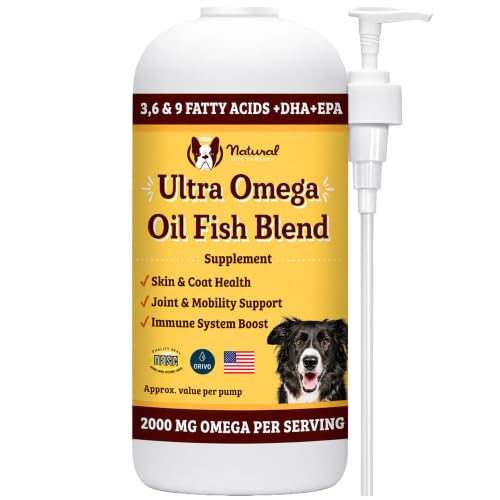
Natural Dog Company Ultra Omega Oil 16oz

CocoTherapy Organic Virgin Coconut Oil for Pets 16 Oz

Buster’s Hemp Oil for Dogs & Cats 4-Pack 60ml
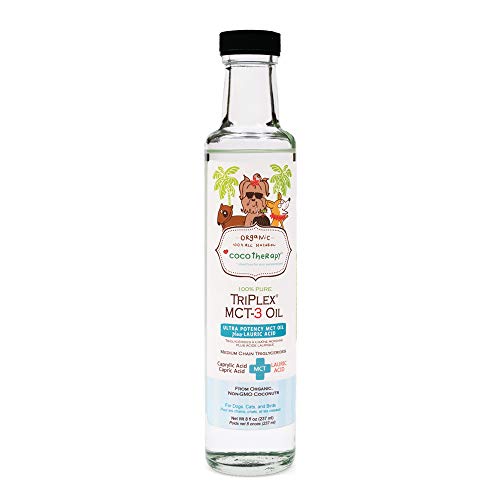
CocoTherapy Triplex MCT-3 Oil 8 oz
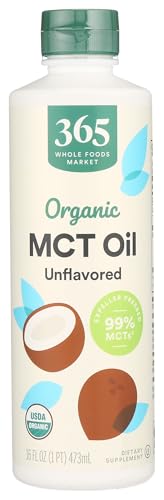
365 by Whole Foods Market MCT Oil 16 Fl Oz

LifeSense C8 MCT Oil for Dogs 32 oz
More Details On Our Top Picks
Capsules solve the messiest problem with liquid oils: dosing accuracy. Each quick-release softgel carries a concentrated serving of MCT oil drawn from coconut and palm sources, rich in caprylic and capric acids, the two fatty acids most often discussed in canine dietary-fat research.
For dogs that spit out oily food or refuse anything with a coconut smell, hiding a softgel in peanut butter or a pill pocket keeps the routine intact. The formula skips gluten, wheat, yeast, lactose, soy, artificial flavors, and preservatives, which matters when a sensitive stomach is already part of the picture.
Strong Points
- No measuring spoons or drips, so servings stay identical every single day
- Concentrated 3,600 mg per-serving strength means fewer capsules per dose
- Made without common allergens like soy and lactose, easier on reactive tummies
- Softgels store cleanly in a cupboard without refrigeration concerns
Things To Consider
- Large dogs may need several capsules per serving, which burns through the 70-count bottle faster than expected
- Some dogs resist swallowing pills outright, no matter how well they’re hidden
Who It Suits Best
Owners of small to medium dogs who want precise, repeatable dosing without oily bowls or stained floors.
Where Another Pick Suits Better
Big breeds needing tablespoon-scale servings will get better value from Micro Ingredients Organic MCT Oil 32 fl oz.
This is the workhorse bottle of the list. Thirty-two fluid ounces of unflavored, USDA Organic MCT oil delivers 14 grams of medium-chain triglycerides per tablespoon, built on a caprylic (C8) and capric (C10) acid profile rather than diluted blends padded out with longer-chain fats.
In practice, that means one bottle covers roughly two months of daily tablespoons, which matters enormously in multi-dog homes or long-term protocols where cost per serving adds up. Third-party lab checks and cGMP manufacturing add a layer of confidence, and since it’s flavorless, stirring it into kibble gravy rarely triggers a dinner strike.
What We Like
- Two-month supply per bottle keeps long routines affordable and interruption-free
- Organic certification and third-party lab verification back up label claims
- Neutral taste disappears into wet food, broths, or homemade dressings
- C8/C10 composition favors the faster-metabolizing fatty acids
Worth Noting
- Liquid format demands careful measuring; overpouring is the most commonly reported mistake
- The large jug can feel unwieldy on narrow pantry shelves
At A Glance
Made For
Households running a consistent daily protocol for one or several dogs who want bulk value without sacrificing quality signals.
Consider Something Else When
Dogs that reject liquids entirely will do better with Carlyle MCT Oil Capsules 3600 mg, 70 Softgels.
Not every dog on this journey needs MCT alone. This salmon, pollock, and flaxseed blend supplies 2,000 mg of combined omega 3, 6, and 9 fatty acids per serving, including EPA and DHA, the long-chain omegas tied to cognitive function in aging dogs.
Think of it as a companion piece rather than a substitute: while an MCT oil handles medium-chain fats, this topper covers skin, coat, and joint territory. Owners of itchy, dull-coated dogs on dry kibble tend to notice the difference within weeks, and the pump-style measuring keeps servings consistent even on groggy mornings.
Highlights
- EPA and DHA content supports brain health alongside skin and coat benefits
- Fish-based flavor tempts picky eaters who turn their nose up at plain kibble
- No artificial colors, keeping the ingredient list honest
- Easy-to-measure format prevents accidental double servings
Trade Offs
- Fish oils can oxidize once opened, so cool, dark storage and prompt use matter
- It contains no MCTs, so it can’t stand in for the primary picks on this list
- A few owners report fishy breath in the first week of use
Quick Facts
Right Fit For
Dogs whose wellness plan pairs dietary fat support with visible skin, coat, or mobility concerns.
Look Elsewhere When
Your priority is strictly ketogenic fat; CocoTherapy Triplex MCT-3 Oil 8 oz stays on-target for that goal.
Before concentrated MCT extracts, there was virgin coconut oil, and plenty of vets still recommend starting here. This cold-pressed, USDA Organic jar is made specifically for pets, and its gentler fatty-acid concentration makes it a sensible stepping stone for dogs new to added fats.
Beyond the bowl, owners commonly scoop a fingertip’s worth for dry noses and rough paw pads, and the brand notes benefits for breath and digestion. The texture shifts with temperature, solid below about 76 degrees and liquid above, which surprises first-timers but changes nothing about quality.
Upsides
- Milder concentration allows slower, stomach-friendly introduction schedules
- Doubles as a topical balm for paws, elbows, and dry patches
- Organic virgin sourcing with no processing shortcuts
- Solid-at-room-temp texture makes spooning precise amounts simple
Minor Gripes
- Lower MCT density means larger servings are needed to match extract-level doses
- Seasonal melting and re-solidifying can look odd, though it’s harmless
Who Will Love This
Cautious owners starting a fat-supplementation plan gradually, especially with sensitive or small-breed dogs.
A Better Fit Elsewhere
Once tolerance is established, LifeSense C8 MCT Oil for Dogs 32 oz offers far stronger per-serving potency.
Stress is a known trigger conversation in many seizure households, and that’s where hemp seed oil earns its spot. Each 1 ml serving brings 1,000 mg of cold-pressed hemp seed oil with 160 mg omega-3 and 480 mg omega-6, plus vitamins A and D, aimed at settled demeanor during storms, travel, and grooming visits.
The four-bottle pack stretches to roughly eight months for a mid-size dog, and weight-based dosing is printed clearly: half a milliliter for dogs under 55 pounds, a full milliliter above. Cold-pressing preserves nutrients that heat extraction degrades, and third-party lab checks back the batch quality.
Bright Spots
- Clear weight-based dropper chart removes guesswork at feeding time
- Omega-rich profile supports joints and coat alongside calm behavior
- Eight-month supply minimizes reordering interruptions
- Vegan, additive-free formula suits restricted diets
Softer Spots
- Hemp seed oil differs from CBD oil, a distinction some shoppers miss at checkout
- Four bottles demand storage discipline so older bottles don’t linger past freshness
Core Details
Whose Shelf It Belongs On
Owners of anxious or senior dogs whose routine includes thunderstorms, car rides, or vet-visit jitters.
Skip It When
Your focus is purely ketogenic fat intake; the CocoTherapy Triplex MCT-3 Oil 8 oz serves that aim directly.
Where the brand’s virgin coconut oil plays the gentle opener, this Triplex formulation is the specialist. It isolates and concentrates the medium-chain triglycerides themselves, designed for rapid absorption and quick conversion to energy, with stated aims around brain function, immune response, and healthy yeast balance.
The pet-focused positioning shows in the details: non-GMO sourcing, a pure single-ingredient formula, and an 8-ounce bottle sized for supplement routines rather than kitchen shelves. Compared with generic human MCT oils, everything here assumes a dog is the end user, which simplifies conversations with your vet about serving sizes.
Reasons To Buy
- Rapid absorption profile suits pre-meal or activity-timed dosing
- Single-ingredient purity keeps allergen worries off the table
- Formulated specifically for pets, easing vet discussions
- Compact bottle fits small-cupboard storage without clutter
Points To Note
- The 8-ounce volume runs out quickly for large breeds on daily servings
- Introduce slowly; concentrated MCTs can loosen stools early on, a pattern owners frequently mention
Best Suited To
Dogs already tolerating coconut-derived fats whose plan calls for a concentrated, purpose-built MCT source.
Swap It Out When
You’re still in the introduction phase; CocoTherapy Organic Virgin Coconut Oil for Pets 16 Oz eases dogs in more gently.
Trial runs deserve trial-sized bottles. This 16-ounce, expeller-pressed organic option from 365 keeps the commitment small while carrying serious credentials: USDA Organic status and Non-GMO Project verification, both meaningful markers in a category full of vague labeling.
It’s unflavored and marketed for coffee and smoothies, but nothing about the formula excludes canine use, and plenty of owners split household bottles between their own morning cup and the dog’s dinner. The honest read is that it costs less upfront than pet-branded equivalents, though you’ll measure servings yourself against your vet’s guidance.
Plus Points
- Low-commitment size suits first-time trials before buying bulk
- Expeller-pressed organic coconut sourcing avoids solvent extraction
- Non-GMO Project verification adds independent accountability
- Neutral flavor mixes invisibly into wet food
Small Caveats
- No canine-specific dosing guidance, so you’re relying on your vet’s math
- Smaller bottle means more frequent repurchasing for big dogs
The Right Fit
Budget-conscious owners testing whether their dog accepts MCT oil before committing to a large-format purchase.
Reach For A Different Pick When
The trial succeeds and volume matters; step up to Micro Ingredients Organic MCT Oil 32 fl oz for better cost per serving.
C8, or caprylic acid, is the fastest-converting fatty acid in the MCT family, and this bottle is built almost entirely around it. Sourced from coconut oil and formulated by a PhD nutritionist with veterinary input, it targets cognition, alertness, and sustained energy, drawing on canine clinical research referenced by the brand.
Against blended C8/C10 products like the Micro Ingredients jug, pure C8 is generally considered more ketogenic per gram, which is precisely why seizure-focused protocols gravitate toward it. The 32-ounce volume supports months of consistent use, and mixing it into gravies or peanut butter masks the taste for fussy eaters.
Standout Traits
- Pure C8 concentration maximizes ketogenic potential per serving
- Canine-focused formulation with nutritionist and vet involvement
- Human-grade, non-GMO sourcing reassures cautious households
- Large 32-ounce supply sustains long daily routines
Honest Caveats
- Pure C8 can cause digestive upset during ramp-up, so slow titration is widely advised
- Premium positioning typically means a higher cost per ounce than blended oils
Details At A Glance
Built With In Mind
Committed owners following a vet-guided ketogenic-support plan who want maximum potency and don’t mind paying for it.
Where A Sibling Pick Shines
Cost-sensitive starters get comparable peace of mind from 365 by Whole Foods Market MCT Oil 16 Fl Oz at a smaller scale.
What Matters Most Before Choosing Mct Oils For Dogs With Epilepsy
Fatty Acid Profile Comes First
Not all MCTs behave identically. Caprylic acid (C8) converts to ketones fastest, capric acid (C10) follows closely, and longer-chain variants contribute far less to the ketogenic effect researchers study. Read labels for the actual C8/C10 breakdown rather than trusting a generic “MCT oil” claim, because blends padded with lauric acid dilute what you’re paying for.
Purity And Verification
A short ingredient list is your friend. Single-source coconut derivatives, non-GMO labeling, and third-party lab verification separate trustworthy bottles from marketing-heavy ones. Human-grade products are perfectly usable for dogs, though pet-specific formulas simplify dosing conversations with your veterinarian.
Dosing Practicality
The best oil is the one your dog actually consumes daily. Liquids suit food-motivated eaters, capsules suit pill-trained dogs, and droppers suit weight-based precision. Whatever format you choose, consistency beats potency; a missed dose helps nobody.
Your Vet Holds The Pen
Supplemental fats sit alongside, never instead of, prescribed anti-seizure medication. Bring the label to your next appointment and agree on a starting amount and ramp-up schedule together.
Key Considerations Across These Picks
Traps First Timers Fall Into
The classic error is starting at full dose. Concentrated MCTs commonly cause loose stools when introduced abruptly, so begin with a fraction of the target amount and build over a week or two. Another frequent misstep is confusing hemp seed oil with CBD oil; Buster’s is the former, a nutritional fat, not a cannabinoid product.
The Case For Spending Up
Premium bottles buy concentration and verification. Pure C8 formulas deliver more ketogenic potential per teaspoon, and third-party lab checks cost money that cheaper brands skip. For a short trial, a compact bottle makes sense; for a months-long daily protocol, the stronger per-serving value of larger, purer formats usually wins out.
Frequently Asked Questions
Can MCT oil replace my dog’s seizure medication?
No. These oils are dietary supplements, not treatments, and stopping prescribed medication is dangerous. Use them only alongside your vet’s ongoing plan.
How long before any effect shows?
Most protocols suggest several weeks of consistent daily use before evaluating changes. Keep a simple journal of observations to share at follow-up visits.
Is human MCT oil safe for dogs?
Generally yes, since the oils come from the same coconut sources. The differences lie in dosing guidance and flavoring, so confirm amounts with your vet.
How should I introduce MCT oil to a sensitive stomach?
Start with roughly a quarter of the intended serving and increase gradually across one to two weeks. Slower ramps dramatically reduce digestive upset.
Do these products need refrigeration?
Most MCT and coconut oils store fine in a cool, dark cupboard. Fish-based omega oils benefit from refrigeration after opening to slow oxidation.
Closing Thoughts
Managing a dog with epilepsy is a marathon of small, consistent choices, and the right oil should make those choices easier rather than harder. Start with your vet’s guidance, pick the format your dog will actually accept every day, and give any new addition a fair few weeks before judging results. Whether you land on a capsule, a bulk jug, or a pet-specific blend, patience and consistency will do more for your dog than any single bottle ever could.
