

New parents rarely sleep deeply during those first months, and a good monitor is what lets you finally exhale. This roundup covers eight options built for overnight reassurance, from under-mattress movement pads to wearable socks and 2K cameras. Each pick suits a different nursery setup, budget mindset, and comfort level with tech, so you can match the monitor to your actual routine instead of guessing.
The Shortlist At A Glance

Levana Oma Sense Portable Baby Breathing Movement Monitor

Babysense 7 Baby Sleep Movement Monitor with 2 Under-Mattress Sensors

Owlet Dream Duo 3 Smart Baby Monitor System
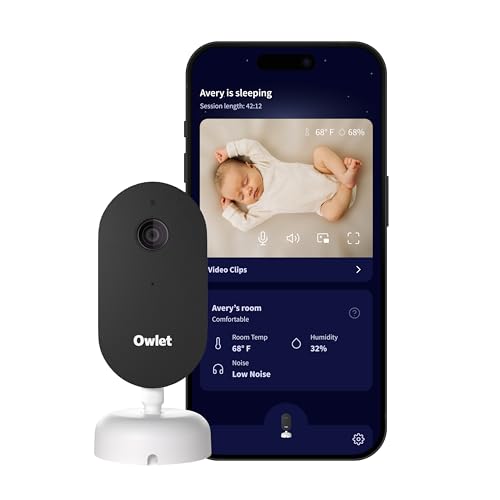
Owlet Dream Sight Smart Baby Monitor 2K HD Camera

Dr.Care VistaView 5″ 1080P Smart WiFi Baby Monitor

Philips Avent Premium Connected Baby Monitor 1080p
Sense-U Pro Baby Monitor (Long Range)
Sense-U Smart Sock Shoe 2 Baby Monitor
More Details On Our Top Picks
The Oma Sense takes an unusual approach among medical infant monitors: instead of just alerting you, it tries to nudge your baby first. Its patented Wakeup Technology watches abdominal movement continuously, and after 15 seconds without detected movement, a randomized vibration pattern gently rouses your little one before any alarm reaches your phone.
That two-step design matters at 3 a.m., because fewer false-scare wakeups means everyone sleeps more. The clip-on unit also avoids direct skin contact, which keeps things comfortable for babies who hate anything strapped tight.
Strong Points
- Vibration stimulation can resolve brief pauses before they escalate into full alerts
- No skin contact required, so there’s nothing rubbing against delicate newborn skin
- Small clip-on body travels easily between crib, bassinet, and grandma’s house
- Audible alerts reach you alongside the on-device response
Things To Consider
- Owners commonly report repositioning the unit after diaper changes to keep readings accurate
- No video feed here, so you’ll still want a separate camera for visual checks
Who It Suits Best
Frequent travelers and co-sleeping households who want movement monitoring that packs down to pocket size.
Where Another Pick Suits Better
Parents wanting continuous pulse and oxygen data should look at the Owlet Dream Duo 3 instead.
Where the Levana clips onto clothing, the Babysense 7 disappears entirely beneath the mattress. Two sensor pads span the crib, detecting movement through the bedding with no wearables, no charging routines, and nothing touching your baby at all. It notifies you when no movement registers within 20 seconds or when motion slows noticeably.
This is the classic choice for families who want set-it-and-forget-it operation. Once installed, there’s essentially zero nightly interaction, which is a real advantage over sock-style monitors that need daily battery management.
What We Like
- Full crib coverage from two pads means rolling to a corner doesn’t blind the sensor
- No WiFi dependency, so it keeps working through router outages
- Passive sensing design adds nothing to the sleep surface your baby touches
- Enhanced sensitivity tuning reduces nuisance alarms compared with earlier generations
Worth Noting
- Pad placement matters: owners note mattress thickness and pad centering affect detection quality
- No video or audio component, so pair it with a camera for complete coverage
Made For
Minimialist-minded parents of newborns who prefer a non-wearable, non-connected nursery setup.
Consider Something Else When
Households wanting heart-rate detail will find the Sense-U Smart Sock Shoe 2 a stronger match.
Owlet bundles its two flagship products into one connected ecosystem: the FDA-cleared Dream Sock plus the 2K Dream Sight camera. The sock uses pulse oximetry, the same light-based method hospitals use to read pulse rate and oxygen levels, streaming both to your phone with zone-based alerts. The camera adds a 130-degree wide view with 4x zoom.
For data-oriented parents, this is the deepest insight available in this lineup. Predictive Sleep Technology even flags optimal wake windows, and Owlet reports most users see better family sleep once routines settle. One honest caveat: a system this connected depends on solid home WiFi.
Highlights
- Medical-grade pulse oximetry tracks pulse rate and oxygen level throughout the night
- 2K HD video outresolves standard 1080p monitors, with usable night vision
- 256-bit encryption plus an independently verified cybersecurity mark protects footage and health data
- One app consolidates vitals, video, and sleep coaching
Softer Spots
- Sock sensors need regular cleaning and correct fit to stay accurate, per common owner feedback
- Premium pricing puts it above every other option here
Quick Facts
Right Fit For
Tech-comfortable parents who want vitals tracking and high-quality video unified in a single app.
Another Choice May Suit
Anyone on a tighter budget gets strong video value from the Dr.Care VistaView below.
Already own a movement monitor? The Dream Sight slots in as the visual half of Owlet’s ecosystem without the sock. You get crisp 2K HD streaming, night vision for around-the-clock visibility, and cry alerts pushed straight to your phone whether you’re downstairs or across town.
In practice this suits parents who trust their ears and a good camera more than wearable sensors. Video quality genuinely outclasses typical 1080p units, enough that you can see chest movement and swaddle position clearly on the night feed check.
Upsides
- 2K resolution delivers noticeably sharper low-light detail than 1080p rivals
- Cry alerts mean you don’t need the speaker volume cranked all night
- Integrates cleanly with the Dream Sock later if you upgrade
Minor Gripes
- WiFi-only operation leaves gaps during internet outages, unlike the Babysense 7’s offline design
- Camera placement takes some trial and error in smaller rooms, based on widely reported owner experience
Who Will Love This
Apartment dwellers and frequent travelers who rely on remote video checks more than bedside audio.
Swap It Out When
Prefer a dedicated handheld screen over phone-only viewing? The Philips Avent Premium Connected covers that.
The VistaView splits the difference between old-school and app-era monitors: a dedicated 5-inch screen sits on your nightstand while the camera simultaneously streams to your phone. Resolution runs 1080p on the handheld display with 2K capture available through the app, including split-screen viewing for two cameras.
Night vision handles the dark hours, and smart alerts cover motion, crying, and temperature changes. For the money, that feature stack is hard to argue with, though the screen resolution trails the Owlet Dream Sight’s 2K feed.
Bright Spots
- Dedicated screen works without opening an app during bleary 2 a.m. checks
- Split-screen mode supports a second camera for twins or sibling rooms
- Temperature alerts flag room conditions that disturb sleep
- Clip mount simplifies shelf or crib-rail installation
Points To Note
- Handheld display shows 1080p rather than the camera’s full 2K capture
- App pairing occasionally needs a retry after router restarts, per common user reports
Feature Snapshot
Who Should Grab It
First-time parents furnishing a nursery on a sensible budget who still want app access.
Reach For A Different Pick When
Shoppers wanting hospital-grade vitals data belong with the Owlet Dream Duo 3 instead.
Philips Avent brings brand-name polish to a genuinely flexible design. The 5-inch HD screen pairs with a 1080p camera, and breathing motion tracking happens through the camera itself, no sock or clip required. Better yet, the system toggles between WiFi and non-WiFi modes depending on how connected you want your nursery.
That dual-mode capability is the headline. Local mode keeps video inside your walls for privacy-conscious households, while remote mode unlocks away-from-home viewing. Compared with the Dr.Care VistaView, you’re paying more for the brand pedigree and the breathing-motion feature.
Reasons To Buy
- Contact-free breathing motion tracking means zero wearables to charge or clean
- Switchable WiFi and local modes balance convenience against privacy
- 5-inch HD screen gives instant bedside visibility
Small Caveats
- Camera-based motion tracking is less granular than the sock-style pulse oximetry on the Owlet Dream Duo 3
- Some owners report the companion app benefits from occasional updates to stay stable
Whose Shelf It Belongs On
Privacy-minded families who want premium-brand reliability with optional remote access.
Not Your Match When
Parents prioritizing raw video sharpness over flexibility may prefer the Owlet Dream Sight’s 2K feed.
The Sense-U Pro clips onto a diaper rather than wrapping around a foot or chest, which makes it one of the least intrusive wearables in this guide. It tracks abdominal movement, rollover onto the stomach, and skin temperature, then flags slow movement, tummy sleeping, or overheating as likely sources of restless nights.
Twins get explicit support too, with a base station providing light and sound alerts alongside app notifications. Long-range transmission keeps the connection alive across larger homes where weaker monitors drop out.
Plus Points
- Diaper clip attachment stays put through wiggly sleepers better than sock designs, per owner reports
- Rollover and temperature tracking addresses stomach-sleeping and overheating concerns together
- Native twin support saves buying and juggling two separate systems
- Base station alerts work even when phones are silenced or in another room
Areas To Watch
- Clip mechanism needs checking after each change to confirm proper seating
- No video component, so pair it with a camera such as the Owlet Dream Sight
Core Details
Built With In Mind
Parents of twins or active rollers who want multi-point tracking without a bulky sock.
Look Elsewhere When
Heart-rate precision matters most, and that’s the Sense-U Smart Sock Shoe 2’s specialty.
Sense-U’s sock-style entry uses transmissive PPG sensing, a photoplethysmography method where light passes through tissue to measure blood flow, giving it a precision edge over reflective sensors. The result is steadier heart-rate and sleep-pattern data for babies aged 1 to 12 months.
An on-device indicator shows sleep status at a glance, and built-in audible alerts fire locally even before app notifications arrive. In our view, this hits a sweet spot between the Babysense 7’s simplicity and the Owlet Dream Duo 3’s premium price.
Standout Traits
- Transmissive PPG design improves reading consistency versus older reflective approaches
- On-device audible alerts work independently of your smartphone
- Sleep-pattern analysis helps you spot schedule issues worth adjusting
- Foot-worn form factor suits babies who resist chest straps
Honest Caveats
- Sizing runs 1 to 12 months, so it ages out faster than under-mattress options like the Babysense 7
- Sock fabric requires regular washing to stay hygienic, a chore some owners mention
Details At A Glance
The Right Fit
Data-curious parents of young infants who want vitals accuracy without Owlet’s top-tier cost.
Where A Sibling Pick Shines
Households past the 12-month mark should pivot to the contact-free Levana Oma Sense approach.
What Matters Most Before Choosing Medical Infant Monitors For Peace Of Mind At Night
Sensing Style Shapes Your Nights
Wearable socks and clips track vitals directly but demand daily charging, fitting, and washing. Under-mattress pads like the Babysense 7 ask nothing of your baby yet deliver less physiological detail. Decide first which maintenance load fits your energy level at 2 a.m.
Connectivity And Privacy Trade Offs
WiFi-enabled models let you check in from anywhere but depend on your router and raise questions about where footage lives. Non-WiFi designs such as the Babysense 7 keep everything local. Homes with spotty coverage should weight reliability heavily.
Alert Behavior Matters More Than Features
A monitor that cries wolf trains you to ignore it. Look for adjustable sensitivity zones, staged responses like Levana’s vibration-before-alarm approach, and redundant alert paths. Fewer false alarms equals deeper sleep for everyone in the house.
Match The Age Window
Sock sensors typically serve the 1-to-12-month stretch, while camera and pad systems grow with your child. Buying for the full first year avoids a mid-year replacement.
Key Considerations Across These Picks
Traps First Timers Fall Into
Many shoppers buy on feature lists alone, then discover a sock monitor doesn’t fit their chunky-thighed newborn or their router sits too far from the nursery. Others skip checking mattress compatibility for under-pad sensors. Read the age range and placement requirements before committing.
When Paying More Pays Off
Premium systems earn their cost through medical-grade sensing, encryption, and polished apps. Families planning multiple children or wanting long-term sleep analytics see real returns. Everyone else gets genuine peace of mind from mid-range picks.
Frequently Asked Questions
Do these monitors replace safe sleep practices?
No monitor substitutes for following established safe sleep guidance from your pediatrician. Treat them as an added layer of awareness, never a safeguard on their own.
Are wearable monitors uncomfortable for babies?
Most infants adapt within a few nights according to widespread owner feedback. Clip-on designs like the Sense-U Pro tend to bother babies less than foot-worn socks.
Do I need WiFi for every model?
No. The Babysense 7 operates entirely offline, and the Philips Avent offers a switchable local mode. WiFi only matters for remote viewing and cloud features.
How often do wearable sensors need cleaning?
Sock fabrics generally need washing every few days with regular use. Clip-on units need only a quick wipe-down during diaper changes.
Can one system handle twins?
The Sense-U Pro supports twins natively, and the Dr.Care VistaView accepts a second camera. Most single-sensor wearables require purchasing duplicate units.
Closing Thoughts
Every family’s anxiety profile looks different, so the right monitor is the one matching your habits rather than the longest spec sheet. Travelers lean toward the Levana, traditionalists toward the Babysense 7, and data lovers toward Owlet. Whichever direction you go, choosing deliberately tonight buys quieter nights ahead.
