

Nothing ruins a cookout faster than a swarm of biting insects circling the patio. The right setup depends on your space: some homes need an indoor plug-in unit, others a solar-powered zapper for the yard, and many need both working together. This roundup covers eight options across every approach, from scent-based repellent balls to larvicide stations that break the breeding cycle before it starts. Match the tool to your problem and you’ll spend summer evenings outside instead of swatting.
The Shortlist At A Glance
AUDQQM Mosquito Repellent Balls Indoor-8P
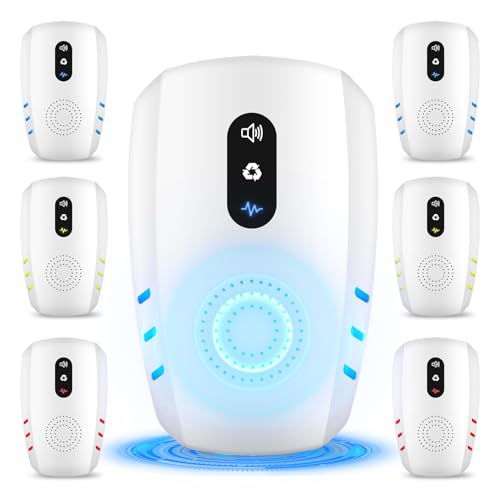
Jqely Ultrasonic Indoor Pest Repeller 6 Pack

Zwiran Solar Bug Zapper Outdoor 4500V

Ortho Home Defense Mosquito Kill & Prevent

Aion Outdoor Mosquito Barrier 4 Pack

Grandpa Gus’s Mosquito Trap 2 Pack

BAIMNOCM 20W Electric Indoor Bug Zapper

NYATNO Indoor Bug Zapper Fly Trap
A Closer Look At Each Pick
This eight-pack of scent-based repellent balls asks nothing of you beyond placement. Tuck them into corners of a screened porch, a mudroom, or a camper, and they release their fragrance over roughly two months without cords, batteries, or refills.
The catch is airflow. In open, breezy spaces the scent disperses fast, so these work best in enclosed or sheltered spots with doors and windows kept shut. Renters and anyone avoiding sprays will appreciate how quietly they fit into a routine.
Points In Its Favor
- Roughly two months of continuous scent per set means no weekly maintenance
- No power source needed, so closets, campers, and sheds are fair game
- Eight pieces let you cover several rooms or swap locations as needed
- Silent operation suits bedrooms and nurseries where noise matters
Things To Consider
- Strong wind or frequent door traffic can shorten effective life noticeably
- Repels rather than traps, so existing populations won’t drop
Who It Suits Best
Renters, campers, and anyone wanting passive indoor protection without plugs or sprays.
A Better Fit Elsewhere
For active reduction indoors, the BAIMNOCM 20W Electric Indoor Bug Zapper draws and eliminates flying pests instead of only discouraging them.
Ultrasonic repellers emit high-frequency sound waves, inaudible to people and most pets, that make indoor spaces uncomfortable for common pests. This six-pack from Jqely covers a wide 10kHz to 65kHz range aimed at mice, roaches, ants, spiders, and mosquitoes alike.
Plug one into each room and forget about it. Results tend to build over days rather than appearing overnight, which is worth setting expectations around. Compared with the AUDQQM scent balls, this option targets a broader pest list but won’t help outdoors at all.
A Strong Showing
- Three operating modes let you adjust output per room
- Six units cover a whole floor or apartment from standard outlets
- No chemicals, mess, or dead-insect cleanup involved
- Runs continuously at negligible electricity cost
Honest Caveats
- Ultrasonic waves don’t pass through walls, so each room needs its own unit
- Owners commonly report a gradual adjustment period before results show
Quick Facts
Made For
Apartment dwellers and homeowners wanting silent, chemical-free indoor defense across multiple rooms.
Consider Something Else When
Outdoors is your battleground; the Zwiran Solar Bug Zapper handles open-air coverage far better.
Cordless zappers live or die by battery life, and this one manages it well. A large top-mounted solar panel charges the unit through the day, while USB top-ups take about four hours and deliver up to twelve hours of runtime once dark falls.
The upgraded lamp attracts mosquitoes, flies, moths, and fruit flies in a full 360-degree pattern, then a 4500-volt grid finishes the job. Manufacturer-rated coverage reaches half an acre, enough for most suburban backyards. Hang it near seating areas away from competing light sources for the strongest pull.
What Earns Its Place
- Solar charging plus USB backup keeps it running off-grid all season
- Twelve-hour runtime comfortably spans dusk-to-bedtime peak activity
- Waterproof housing shrugs off sprinklers and summer storms
- Half-acre rating suits larger yards where plug-ins can’t reach
- Portable enough to bring along on camping trips
Trade Offs
- Grid needs occasional brushing to clear accumulated insect debris
- Extended cloudy stretches may force more frequent USB charging
Feature Snapshot
Right Fit For
Homeowners with big yards, campers, and anyone who wants cordless outdoor control after sunset.
Where A Sibling Pick Shines
Smaller balconies and apartments get better value from the compact NYATNO Indoor Bug Zapper Fly Trap instead.
Most products chase adult mosquitoes. This station flips the strategy: it creates an attractive breeding site where females lay eggs, then the formula inside stops those larvae from ever becoming biting adults. Adults exposed to it also spread the material to other breeding spots, with effects showing within about nine days.
That lifecycle approach rewards patience. You won’t see instant results like a zapper delivers, but over weeks the population in your yard genuinely shrinks. Pairing it with the Grandpa Gus’s trap below covers both ends of the cycle.
Practical Pluses
- Attacks mosquitoes at the larval stage, cutting next week’s biters today
- Two wearable bands extend personal protection beyond the station itself
- From a long-established home-defense brand with professional-grade roots
Softer Spots
- Roughly nine days before adult impact, so plan ahead of peak season
- Works only where mosquitoes actually breed nearby
Whose Shelf It Belongs On
Gardeners with ponds, rain barrels, or damp corners who want population-level control rather than spot relief.
Swap It Out When
You need same-evening results; the Zwiran Solar Bug Zapper kills adults on contact instead of waiting out a lifecycle.
Households with kids and pets usually want two things at once: keep mosquitoes out and avoid harsh chemistry. Aion’s four-pack attempts both, positioning itself as a perimeter deterrent that also traps the insects that wander close.
The natural-ingredient formulation is the headline here. Place the units around patio edges, play areas, or garden beds to build a soft boundary. In our view, expectations should stay realistic: natural barriers reduce pressure rather than clearing a yard outright, and heavy infestations call for backup from something like the Ortho station.
What Pays Off
- Dual barrier-and-trap design addresses deterrence and capture together
- Natural ingredients suit yards where children and pets roam freely
- Four units distribute easily across a typical patio perimeter
Details To Watch
- Natural formulations generally act slower than electric options
- Placement matters; gaps in the line let insects slip through
Core Details
Perfect Match For
Families prioritizing gentle ingredients around play spaces, gardens, and pet runs.
Reach For A Different Pick When
Standing water drives your mosquito problem; the Ortho Home Defense station attacks the source directly.
Setup doesn’t get simpler than this. Add water, place the trap in a shady spot under bushes or trees, and female mosquitoes arrive to lay eggs inside. The larvae never mature, so no new biters emerge from your yard.
It’s a decoy breeding site, essentially, and it works alongside rather than against other tools. Where the Ortho station adds a chemical formula, this one relies purely on the water-and-trap mechanism, which appeals to gardeners keeping things minimal. Two traps cover separate corners of a typical lot.
Positive Takeaways
- Water activation takes seconds, no tools or power required
- Breaks the breeding cycle right in your own yard
- Two-pack lets you guard multiple shady zones at once
- Safe placement under plantings keeps it out of sight
Small Caveats
- Needs periodic water checks to stay effective through dry spells
- Only intercepts mosquitoes seeking a place to lay eggs
Who Will Love This
Low-effort gardeners who want passive, chemical-light population control tucked into landscaping.
Not Your Match When
Indoor flying pests are the issue; the NYATNO Indoor Bug Zapper Fly Trap is built for exactly that job.
Twenty watts of UV output puts this unit in a different league from typical plug-in zappers. High-intensity ultraviolet light pulls mosquitoes, flies, and moths toward the grid, making it a sensible fit for kitchens, dining rooms, offices, and even restaurant service areas.
An inner mesh screen sits between curious hands and the electrified grid, a detail that matters enormously in homes with children or pets. Compared with the smaller NYATNO unit, this one trades compactness for raw attraction power, and busy commercial-style spaces will feel the difference.
Features That Help
- 20W UV lamp delivers strong attraction across a wide area
- Protective mesh guard prevents accidental contact with the grid
- Handles mosquitoes, flies, and moths in one device
- Suits demanding spaces like restaurants and open-plan offices
Points To Note
- Larger footprint than plug-in models, so counter or wall space is needed
- Collection tray needs regular emptying during heavy pest seasons
Key Specs
Who Should Grab It
Home cooks, restaurateurs, and office managers dealing with steady flying-pest traffic in larger indoor spaces.
Another Choice May Suit
Bedroom users wanting near-silent, unobtrusive operation will prefer the compact NYATNO Indoor Bug Zapper Fly Trap.
Plug it into any AC outlet and it starts working immediately, no switches or assembly. The mini body hides behind furniture or sits on a nightstand while its high-transmittance protective cover lets the internal light shine through, which the manufacturer credits with triple the efficiency of a basic design.
Coverage tops out around 300 square feet, honest territory for a bedroom, bathroom, or garage corner. The cover also shields fingers and paws from the charged metal grids, though common sense still says keep little ones clear. For apartment living, this is the least intrusive option on the list.
Useful Highlights
- True plug-and-play setup with zero learning curve
- Quiet operation won’t disturb sleep or conversation
- Protective cover with high light transmittance boosts attraction efficiency
- Mini footprint fits bedrooms, kitchens, bathrooms, and garages
Where It May Fall Short
- 300-square-foot range limits it to single-room duty
- Indoor-only design offers no help on the patio
At A Glance
The Right Fit
Apartment renters and light sleepers who want discreet, single-room pest control overnight.
Look Elsewhere When
Your problem lives outside; the Zwiran Solar Bug Zapper brings far greater range to open yards.
What Matters Most Before Choosing Misquito Killers
Match The Tool To The Lifecycle
Mosquitoes pass through egg, larva, pupa, and adult stages, and each product here attacks a different point. Traps like the Grandpa Gus’s and the Ortho station interrupt breeding, while zappers and repellents handle adults already flying. Lasting relief usually comes from combining one of each.
Coverage And Placement
Coverage ratings describe ideal conditions, not guaranteed ones. A half-acre solar zapper performs best away from competing lights, and a 300-square-foot indoor unit belongs in the room where you actually relax. Measure your space honestly before committing.
Household Safety Priorities
Homes with children and pets should weigh mesh guards, natural formulations, and chemical-free designs heavily. Electric grids demand placement above small hands’ reach, while scent-based and larvicide options trade speed for gentler profiles.
Power And Maintenance Reality
Solar units need sun exposure and occasional USB top-ups. Plug-ins cost pennies but tie up outlets. Every option requires some upkeep, whether emptying trays, refreshing water, or replacing scent balls, so choose the routine you’ll actually follow.
Key Considerations Across These Picks
Traps First Timers Fall Into
The classic error is buying a zapper for a breeding-ground problem. Standing water in gutters, plant saucers, and birdbaths produces mosquitoes faster than any grid can dispatch them. Another slip: placing attractant devices right beside seating, which draws pests toward you instead of away.
When Paying More Pays Off
Higher-tier units justify their cost through wattage, coverage, and durability. A 20W indoor zapper clears a great room where a mini plug-in barely handles a closet, and a waterproof solar build survives seasons of weather that cheaper housings won’t. Spend up when the space is large or the exposure constant.
Frequently Asked Questions
Do ultrasonic repellers really work on mosquitoes?
They emit high-frequency sound intended to discourage pests, though field results vary widely by species and layout. Treat them as one layer of a broader strategy rather than a standalone fix.
How long do zapper bulbs last?
UV output gradually dims with use, typically over a season or more depending on runtime hours. Diminished attraction is the signal to replace the bulb.
Are solar bug zappers reliable in cloudy climates?
Solar charging slows considerably without direct sun, so expect shorter runtimes. Most models include USB charging as a dependable backup.
Can I use outdoor traps indoors?
Breeding-site traps are designed for shaded exterior placement where mosquitoes seek egg-laying spots. Indoors, a plug-in zapper or repellent makes more sense.
How quickly will I notice fewer mosquitoes?
Electric zappers show results the first evening, while lifecycle products need one to two weeks. Combining both approaches shortens the wait.
Closing Thoughts
Your best outcome likely pairs two products: something that stops breeding and something that clears the air tonight. Start with the space you use most, match coverage to its true size, and stay realistic about timelines. Whichever combination you land on, consistent placement beats constant switching every time.
