

Dogs chew. It’s not a habit problem, it’s a need, and the wrong chew leaves you with shredded couch cushions or a splintered mess on the carpet. Natural bones and chews give your dog something satisfying to work on while scraping plaque off teeth in the process. This roundup covers eight options across real beef bones, plant-based chews, and single-ingredient treats, so whether you share your home with a gentle nibbler or a jaw-powered power tool of a dog, there’s a fit here. Each entry breaks down what it does well, where it falls short, and which dog it actually suits.
A Quick View Of The Lineup

WOOF HonestChew Duo Dog Chew Toy Set

Lively Tails Beef Knee Cap Bones 10 Count

Redbarn Choppers Beef Lung Chews 9 oz Bag

NATURE’S LOGIC Beef Hind Shank Bone 7-8″
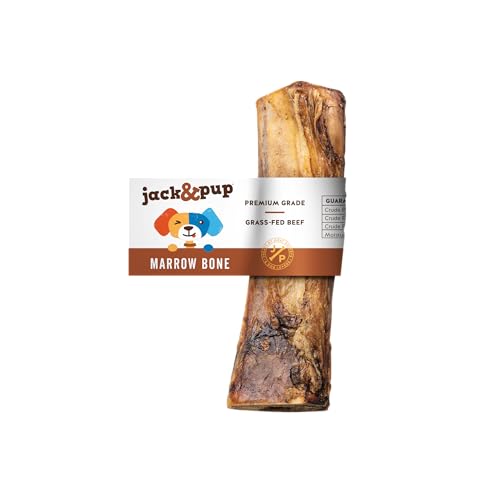
Jack&Pup Marrow Bones for Dogs 6″ Beef Bone

Lively Tails Marrow Bones for Dogs 3-6 Inch 6-Pk

Country Kitchen Genuine Serrano Half Ham Bones

Jack & Pup Beef Knuckle Bones for Dogs
A Deeper Look At The Lineup
Most long-lasting chews are nylon wearing a costume, and that’s the gap WOOF set out to close. The HonestChew duo is built from food-grade plant materials, cellulose being the star, a tough natural fiber found in plants that holds up to serious gnawing without petroleum in the mix.
You get two shapes in one bundle: an Antler that mimics how dogs chew in the wild, and an Infinity Bone whose ergonomic curves are easy for paws to pin down. In a living room where furniture legs have already taken damage, that second shape matters more than it sounds.
Why It Works Well
- Plant-based, petroleum-free construction gives peace of mind that nylon can’t match.
- Splinter-resistant by design, sidestepping the shard risk natural bones carry.
- Hypoallergenic formula suits sensitive dogs on limited diets.
- The gnawing action scrubs teeth and gums, helping reduce plaque and tartar buildup over weeks of use.
- Two shapes keep rotation fresh, which slows down boredom chewing.
Things To Consider
- Rated for dogs 25-60 lbs, so toy breeds and giant breeds fall outside the sweet spot.
- It’s a chew toy, not an edible treat, so flavor-driven dogs may take longer to commit.
Key Specs
Who It Suits Best
Owners of medium-sized dogs who want a durable, non-edible chew without rawhide or plastic in the house.
Where Another Pick Suits Better
Dogs who live for real meat flavor will get more from the Jack&Pup Marrow Bone, which puts actual beef at the center of the experience.
Knee caps are dense, knobby cuts that give a dog’s back teeth something to really work against, and this ten-count bag means you’re never caught without a backup when the current one disappears under the sofa. Each piece is exactly one ingredient: beef knee cap, nothing added.
The appeal is simplicity. No soy, no wheat, no artificial anything, just a fully digestible bone that keeps jaws busy for hours. For households with more than one dog, buying in bulk like this usually works out cheaper per chew than singles.
Useful Highlights
- Single-ingredient beef means you know precisely what’s going into your dog.
- Fully digestible, unlike nylon toys that pass through unchanged or worse.
- The rough surface scrapes away plaque and tartar during normal chewing sessions.
- Ten pieces per pack stretch across weeks of rotation for most homes.
Worth Noting
- Natural bones vary in size and density from piece to piece, so expect some inconsistency between knee caps.
- Grease and meat residue mean these belong on a washable surface, not your carpet; owners commonly report some odor as the bone dries out.
Made For
Power chewers of any size whose owners want an edible, digestible option instead of synthetic toys.
Consider Something Else When
For lighter snack-style chewing between meals, the Redbarn Choppers beef lung treats offer a crunchy, lower-commitment alternative.
Not every dog needs a marathon chew. Some just want a crunchy, meaty something after dinner, and that’s exactly the lane Redbarn’s Choppers occupy. These are all-natural beef lung, baked into a light, airy crunch that carries a surprisingly big meaty aroma.
Sourcing is a genuine differentiator here: the lung comes from US cattle ranchers and is processed in Redbarn’s own facility in Great Bend, Kansas. That vertical control shows up in consistency, since the company isn’t relying on outside plants to hold its standard.
A Few Strong Suits
- High protein and low fat, a rare combination in the treat aisle.
- Additive-free and suited to limited ingredient diets.
- The crunchy texture gently scrapes plaque and massages gums as dogs chomp.
- Roughly nine ounces per bag makes portioning easy for small and medium dogs.
Trade Offs
- Beef lung is a fast-eaten treat, not a long-lasting bone, so heavy chewers finish a piece in minutes.
- The crumbly texture leaves bits behind, so hard floors beat carpets for serving.
At A Glance
Right Fit For
Owners of senior dogs, small breeds, or weight-conscious pups who want a healthy daily reward rather than a project chew.
Not Your Match When
A dog that demolishes everything in seconds needs the NATURE’S LOGIC hind shank bone, built for exactly that kind of persistence.
A hind shank is one of the densest bones on the animal, and at seven to eight inches long it gives large dogs a proper two-paw grip. Nature’s Logic positions this as a recreational chew, meaning it’s about occupation and satisfaction rather than calories consumed.
The brand also sells a whole range of beef parts, from tendon to pizzle to femur slices, so if your dog takes to this format, there’s a rotation waiting. Compared with the smaller Lively Tails knee caps earlier in this list, this is the step up for genuinely powerful jaws.
Real Benefits
- Seven to eight inches of length suits big breeds that swallow smaller chews whole.
- Extra-meaty shin bone delivers flavor beyond what bare bones offer.
- Extended chewing sessions help reduce plaque and tartar accumulation.
- Rich in protein and collagen, nutrients tied to joint and coat support.
Minor Gripes
- One bone per purchase means restocking regularly for daily chewers.
- Shank bones are heavy and greasy at first; owners commonly report wiping them down before indoor use.
- Too dense and large for toy breeds to handle comfortably.
Best Suited To
Large and extra-large breed owners dealing with aggressive chewers who destroy softer options within days.
Look Elsewhere When
Smaller dogs under 30 pounds will manage the Lively Tails knee caps far more easily than this full-size shank.
Marrow is the prize inside every beef bone, and Jack&Pup builds its six-inch version around it. These bones come from grass-fed, free-range cattle raised without added hormones or antibiotics, then get a savory smoke that turns the whole session into an event for the dog.
Beyond the flavor, the nutritional profile is legitimately strong: omega-3 fatty acids plus calcium, phosphorus, iron, zinc, selenium, magnesium, and manganese. Processing happens in a USDA-certified facility, with each bone handpicked and inspected before shipping.
Useful Touches
- Grass-fed sourcing and no added hormones raise the quality bar over commodity bones.
- The smoked exterior holds attention far longer than unseasoned bone.
- Rough texture works off tartar and freshens breath through ordinary chewing.
- Nutrient density makes this more than empty entertainment.
Points To Note
- A single-bone pack means frequent repurchasing for multi-dog homes.
- Marrow is rich; vets commonly advise limiting fatty marrow for dogs prone to digestive upset.
Quick Facts
Who Will Love This
Owners who read ingredient panels on their own food and want the same scrutiny applied to their dog’s chews.
A Better Fit Elsewhere
Households needing volume on a budget should look at the Lively Tails six-pack of marrow bones instead of paying premium prices per bone.
Six marrow bones in one order changes the math entirely. Instead of rationing a single premium bone, you can hand one out, freeze a couple, and still have spares for the weekend. Each piece is 100% beef marrow bone, sourced in the USA and inspected by hand.
The three-to-six-inch size range covers small through large dogs, though you’ll find the spread means some bones suit certain mouths better than others. Nutritionally they run high protein and low calorie, a sensible swap for processed biscuits.
Advantages To Know
- Six-pack quantity keeps a rotation going without constant reordering.
- No additives, preservatives, or artificial ingredients anywhere on the label.
- Chewing action supports jaw strength while scraping plaque from teeth.
- USA sourcing with individual inspection adds a layer of accountability.
Softer Spots
- Inconsistent sizing within the pack, so smaller dogs may draw a bone too big for comfortable handling.
- Raw-style bones need refrigeration or freezing between sessions; leaving them out for days invites spoilage.
Core Details
Perfect Match For
Multi-dog families and budget-conscious owners who go through bones quickly and want natural quality in bulk.
Skip It When
For a single showpiece chew with grass-fed credentials, the Jack&Pup six-inch marrow bone is the more refined choice.
Ham bones rarely make these lists because most are brittle oven-baked affairs. Country Kitchen takes a different route: genuine serrano ham bones, dry aged for at least ten months, which the maker says triples their strength and splinter resistance versus conventional baking.
That aging process concentrates flavor too, and dogs tend to treat these like buried treasure. Rich in protein and calcium, gluten free and grain free, they occupy a niche somewhere between a beef bone and a cured delicacy. Multiple pack sizes exist, from single bones up to four-count bundles.
The Helpful Details
- Ten-plus months of dry aging produces a notably harder, safer bone structure.
- Real serrano ham flavor keeps picky dogs engaged far longer than plain bone.
- Gluten and grain free formulation fits restricted diets.
- Protein and calcium content adds modest nutritional value alongside the fun.
Small Caveats
- Ham is saltier than beef, so dogs on sodium-restricted plans may need a different option.
- Intended for breeds 20 pounds and up; small dogs get oversized portions here.
Who Should Grab It
Owners of medium and large dogs bored by standard beef bones who want a distinctive, long-lasting flavor change.
Another Choice May Suit
Sodium-sensitive dogs do better with the single-ingredient Lively Tails knee caps, which skip the curing process entirely.
Knuckle bones are the round-ended joints that give a dog angles to work from every direction, and Jack&Pup slow-roasts and naturally smokes these with chunks of meat still attached. The result smells like barbecue day, which explains why dogs stay locked in for hours.
Sourcing mirrors the brand’s marrow bone from earlier in this list: grass-fed, free-range cattle, no added hormones or antibiotics, processed in a USDA human grade certified and inspected facility. Each knuckle gets handpicked for consistency before it ships.
Bright Spots
- Irregular knuckle shape challenges jaws from multiple angles, extending chew time.
- Attached meat chunks deliver flavor intensity bare bones can’t reach.
- Packed with omega-3s, vitamins, and minerals including calcium, iron, zinc, and selenium.
- Chewing action removes tartar, strengthens gums, and exercises jaw muscles.
- Human grade processing sets a high safety standard.
Room For Improvement
- One bone per pack runs costly for households with several heavy chewers.
- Best matched to medium and large dogs; smaller breeds may find the knuckle unwieldy.
Feature Snapshot
The Right Fit
Owners of determined medium-to-large chewers who want maximum engagement per bone and don’t mind paying for premium sourcing.
Reach For A Different Pick When
Bulk value matters more than single-bone quality, and the Lively Tails six-pack of marrow bones stretches further per dollar.
What Matters Most Before Choosing Natural Bones For Dogs
Match The Bone To The Jaw
A bone that’s too small becomes a swallowing hazard, while one that’s too big frustrates a smaller mouth. As a working rule, the chew should be larger than your dog’s muzzle so it can’t be gulped whole. Aggressive chewers need dense structures like shanks and knee caps; gentler nibblers do fine with lung treats and softer formats.
Know Your Ingredient Tolerance
Single-ingredient bones suit dogs with sensitivities, while cured products like serrano ham carry more sodium. Rawhide alternatives matter too: plant-based chews and real bone both avoid the digestion issues rawhide is known for. Reading the label once saves vet visits later.
Plan For Mess And Storage
Real bones come with grease, crumbs, and smell. Hard flooring, a washable mat, and refrigeration between sessions keep things manageable. Frozen storage extends the life of raw-style marrow bones considerably.
Rotate Rather Than Repeat
Dogs tire of a single texture. Keeping two or three formats in circulation, say a durable bone plus a crunchy treat, maintains interest and spreads wear across your dog’s teeth more evenly.
Key Considerations Across These Picks
Traps First Timers Fall Into
The classic error is buying by size of dog alone rather than chewing style. A gentle beagle and a relentless lab mix may weigh the same yet need completely different densities. Another common slip is leaving edible bones out for days, which dries them out and invites bacterial growth. Supervise new chews until you know how your dog handles them.
What Separates Premium From Basic
Higher-priced bones typically earn their cost through sourcing and inspection: grass-fed cattle, USDA-certified facilities, and hand-selection all add expense upstream. Whether that matters depends on your priorities. For everyday rotation, mid-tier bulk packs serve well; reserve premium single bones for special sessions or dogs with sensitive systems.
Frequently Asked Questions
Are natural bones safe for aggressive chewers?
Dense bones like shanks and knee caps are built for powerful jaws, but supervision still matters. Remove any bone once it cracks or shrinks small enough to swallow.
How often should my dog get a bone?
Most dogs do well with two to three supervised sessions per week. Daily chewing is fine with durable non-edible options, provided teeth and gums stay healthy.
Do natural bones actually clean teeth?
Yes, mechanically. The abrasive action of gnawing scrapes plaque and massages gums, though it supplements rather than replaces brushing.
Can puppies have natural bones?
Wait until adult teeth are in, usually around six months. Puppy teeth are fragile, and overly hard bones can fracture them.
How should I store marrow bones?
Refrigerate or freeze between chewing sessions and discard after several days. Dried-out bones become brittle and harder to digest.
Closing Thoughts
Every dog on this list gets something honest to chew, whether that’s a plant-based duo, a dry-aged ham specialty, or a smoked knuckle with meat still clinging to it. Start by matching density to your dog’s chewing style, then let flavor and format sort themselves out. Rotate a couple of options, supervise early sessions, and pull any bone that starts breaking apart. Your furniture will thank you, and so will your dog’s teeth.
