

Clay litter works, but it comes with baggage: dust clouds, heavy bags, and a quarry’s worth of material heading to landfill every year. That’s why so many cat households are switching to natural clumping litters made from pine, walnut shells, pea husks, corn, or tapioca. These eight options cover the full range, from budget pine pellets to premium multi-cat formulas, so you can match the litter to your cat’s habits rather than settling for whatever’s closest to the register.
The Leading Options At A Glance

NATURE’S LOGIC Pine Pellet Cat Litter, Unscented
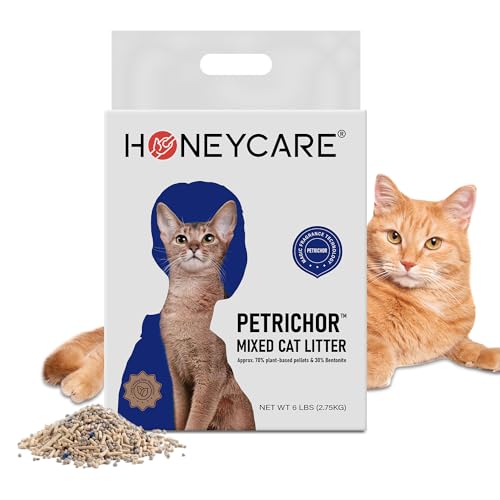
HONEY CARE Petrichor Mix Tofu Cat Litter, 6 Lbs

Catit Go Natural Pea Husk Clumping Litter, 12.3 lbs

Dr. Elsey’s R&R Stress-Reducing Clumping Clay Litter, 18 lb
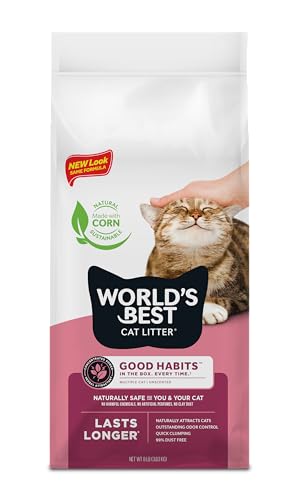
World’s Best Good Habits Cat Attract Litter, 8 lb

Naturally Fresh Walnut Shell Cat Litter, Multi-Cat, 30 Lbs

ökocat Super Soft Natural Wood Clumping Litter, 15.8 Lbs

EZSKUUP Non-Stick Ultra Clumping Tapioca Litter, 9lbs
Why These Options Stand Out
This one keeps the ingredient list almost embarrassingly short: 100% Ponderosa pine, nothing else. There are no silica particles here, which matters because silica dust is the main complaint people have with conventional clay. The pellets are also safe around kittens and small mammals, so a rabbit or guinea pig in the same room isn’t a problem.
In practice, pellet litters like this suit households that scoop daily and don’t mind a coarser texture under paw. Owners commonly report very little dust when pouring, which your floors and your vacuum will appreciate.
Why It Works Well
- Single-ingredient pine formula means fewer unknowns near curious pets
- Virtually dust-free pouring keeps shelves and floors cleaner
- Long-lasting odor control stretches time between full box changes
- Sized for cats, kittens, and small mammals alike
Things To Consider
- Pine pellets break down into sawdust as they absorb, so sifting becomes part of the routine
- Cats raised on fine clay sometimes reject the larger pellet feel at first
Key Specs
Who It Suits Best
Households with several small pets who want one simple, unscented litter everyone can share safely.
Where Another Pick Suits Better
Cats that demand a soft, sandy texture will settle faster with ökocat’s finely milled wood fiber instead.
Tofu litter alone clumps gently but can crumble; bentonite clay clumps hard but tracks everywhere. Honey Care blends both, pairing plant-based pellets with bentonite, a naturally absorbent clay mineral, to get quick-setting clumps without going full quarry. The 2mm pellet size is deliberate too: it’s small enough to feel comfortable yet large enough that paws tend to leave it in the box.
For apartment living, where tracked granules end up in bed sheets, that low-tracking claim is the real selling point. The low-dust formula also cuts down on those faint paw prints across hard floors.
A Few Highlights
- Bean-husk and bentonite blend delivers firm clumps fast
- 2mm pellets resist being carried out between toes
- Low-dust pour means less sweeping around the box
- Plant-forward recipe suits owners avoiding pure clay
Worth Noting
- The 6 lb bag runs small, so multi-cat homes will reorder often
- Blended formulas generally shouldn’t be flushed; plan for trash disposal
Made For
Apartment and condo dwellers who want clay-level clumping with far less tracking through small spaces.
Consider Something Else When
Owners feeding multiple boxes will find Naturally Fresh’s 30 lb walnut-shell bag more economical per refill.
Most litters start life as mined clay or freshly cut timber. Catit takes a different route entirely, building its formula from recycled pea husks, the outer shells left over after peas are processed, bound with food-grade starch, corn powder, and guar gum, a natural thickener. Nothing synthetic goes into the mix, and no fragrance either.
The pellets are soft underfoot and absorb up to three times their weight in moisture, which translates into clumps that hold together during a scoop instead of shattering mid-lift. Compared with NATURE’S LOGIC’s coarse pine pellets, this feels much closer to what a clay-trained cat expects.
Benefits That Matter
- Upcycled pea husks give agricultural waste a second job
- Food-grade binders mean nothing harsh if a kitten samples a pellet
- High moisture absorption locks odor inside the clump
- Unscented formula respects sensitive feline noses
Trade Offs
- Plant-based pellets can soften if humidity stays high where the bag is stored
- Some cats need a gradual transition week before fully accepting the texture
Feature Snapshot
Right Fit For
Eco-minded owners whose cats want a soft, familiar texture while they cut back on clay consumption.
Not Your Match When
Heavy multi-cat traffic calls for the larger capacity and ammonia-fighting walnut shell of Naturally Fresh.
Yes, this is still clay, but it earns its place by removing nearly everything cats and humans dislike about clay. The formula is rated 99% dustless, contains no plant proteins, perfumes, or deodorants, and skips common irritants altogether. For a cat that sneezes or squints at every other bag, that stripped-down approach can make the litter box a calmer place.
The clumps set hard, so scooping stays clean even in busy boxes. Owners switching from scented litters often notice their cats lingering longer in the box rather than rushing out, which suggests the missing perfume is doing its quiet work.
Where It Delivers
- 99% dustless formulation spares sensitive airways during pours
- No perfumes or deodorants to put picky cats off the box
- Hard-clumping action keeps scoops intact and pans tidy
- 18 lb bag covers a standard single-cat box for weeks
Minor Gripes
- Clay is heavier to haul than any plant-based option on this list
- It won’t biodegrade the way pine, corn, or walnut alternatives do
Who Will Love This
Homes with sneezy cats or allergy-prone family members who still want classic clay scooping behavior.
Look Elsewhere When
Anyone prioritizing compostable waste should reach for World’s Best’s corn-based attractant litter instead.
Litter-box avoidance is the problem nobody wants to solve by trial and error. This corn-based formula tackles it head-on with a plant-based attractant worked into the granules, encouraging hesitant cats toward the box instead of behind the couch. Because the base is 100% natural corn and plant fibers, an occasional taste test from a curious kitten isn’t cause for panic.
The 8 lb bag is a sensible trial size for testing whether your cat responds to the attractant before committing to bulk. Odor control holds up well for a single-cat household in most apartments.
What It Does Well
- Plant-based attractant nudges reluctant cats into the box
- Corn and plant fiber base is harmless if nibbled
- Odor control handles everyday single-cat use comfortably
- Lightweight bag makes carrying upstairs far easier than clay
Small Caveats
- Corn-based granules track more than pellet-style litters in some homes
- The attractant won’t override deeper behavioral issues; persistent avoidance deserves a vet conversation
Quick Facts
The Right Fit
New cat adopters and anyone rehabbing a cat with patchy litter-box habits.
Swap It Out When
Once good habits stick, Dr. Elsey’s R&R offers a lower-tracking daily driver for the long haul.
Three cats sharing one box is a different sport entirely, and this 30 lb bag is built for it. Walnut shells carry a genuine chemical edge here: they naturally counteract ammonia odors without leaning on perfume, which matters when the box gets heavy use all day. The shells are upcycled, so the environmental story is solid too.
Being labeled non-toxic and free of harmful silica dust rounds out the case. In most multi-cat homes, the larger bag size alone pays off by cutting reorder frequency roughly in half compared with smaller plant-based options.
Real Benefits
- Walnut shell chemistry neutralizes ammonia organically
- Upcycled shells keep nut-processing waste out of landfills
- Low-dust pour keeps the laundry room tolerable
- 30 lb supply suits busy multi-cat boxes
- Unscented, non-toxic profile fits cautious households
Points To Note
- Dark walnut granules show up against light tile until swept
- Used clumps should go in the trash, not the toilet, in most plumbing setups
Core Details
Built With In Mind
Two-or-more-cat households that empty the box daily and want odor handled without fragrance.
Another Choice May Suit
Single-cat owners wanting a softer, finer texture may prefer the milled wood feel of ökocat below.
Wood litter usually means coarse pellets, and plenty of cats vote no with their paws. ökocat mills its rescued wood fiber fine enough to earn the “super soft” name, giving declawed, senior, or simply fussy cats a gentler surface than most natural options manage. The fiber comes from sustainably sourced timber that was never chemically treated, with no synthetic dyes or artificial fragrance anywhere in the bag.
Odor control is plant-based, and because wood fiber weighs far less than clay, a 15.8 lb bag covers a lot of box. You may find the lighter weight makes monthly full changes noticeably less of a chore.
Everyday Wins
- Finely milled fiber feels gentle on tender or senior paws
- Untreated, responsibly sourced wood with no dyes or fragrance
- Plant-based odor control without perfume cover-ups
- Lightweight bag eases storage and handling
Softer Spots
- Wood clumps can be slightly softer-edged than clay, so a deep-scoop shovel helps
- Kittens occasionally kick the light granules farther than expected
Perfect Match For
Senior cats, post-surgery recoveries, and any feline that rejects coarse pellet textures outright.
Reach For A Different Pick When
Maximum clump hardness matters more than comfort, in which case HONEY CARE’s bentonite blend sets firmer.
Ask any daily scooper about their least favorite moment and it’s scraping cemented clumps off the pan bottom. EZSKUUP attacks that exact annoyance with a tapioca cassava base that forms tight clumps quickly, then releases cleanly even when they’ve settled against the box floor. A gentle lift is supposed to be enough, no chisel required.
The brand also rates the formula 99.95% dust-free and claims roughly double the usable life of comparable clay, which offsets the modest 9 lb bag somewhat. For small apartments, the compact footprint is genuinely convenient.
Where It Excels
- Non-stick clumps lift off the pan without scraping
- 99.95% dust-free rating keeps pouring clean
- Extended lifespan versus clay stretches each bag further
- Natural tapioca base avoids synthetic additives
Honest Caveats
- The 9 lb bag suits one cat; bigger households burn through it fast
- Tapioca formulas can soften in humid bathrooms, so store the bag somewhere dry
At A Glance
Whose Shelf It Belongs On
Busy professionals who scoop daily and would happily never scrape a pan bottom again.
Skip It When
Multi-cat volume demands the 30 lb Naturally Fresh walnut-shell supply instead.
What Matters Most Before Choosing Natural Clumping Cat Litters
Material And Your Cat’s Texture Preference
Cats are creatures of habit, and texture drives acceptance more than any marketing claim. Fine-milled options like ökocat’s wood fiber or Catit’s pea husk pellets mimic sand closely, while pine pellets demand a transition period. Introduce any new litter gradually over a week, mixing ratios until the old bag runs out.
Clumping Strength Versus Cleanup Style
Bentonite-blended and tapioca formulas form hard, scoopable clumps, whereas pure pellet litters absorb and break down instead. Sifting-style boxes pair beautifully with pellets; standard scoops favor tight clumps. Match the litter to the equipment you actually own.
Dust, Tracking, And Your Living Space
Dust ratings matter most in small apartments and homes with allergy sufferers. Tracking depends on granule size: 2mm pellets stay put, fine granules travel. Place a mat under the box regardless, since even low-tracking formulas shed a little.
Bag Size And Household Math
A single cat burns through roughly one small bag per month, while three cats multiply that fast. Larger bags cost more upfront but reduce reordering, and lighter plant-based materials make big bags manageable to carry.
Key Considerations Across These Picks
Traps First Timers Fall Into
Switching litters overnight is the classic error; abrupt changes trigger box avoidance that can take weeks to undo. Another common slip is buying a huge bag of a texture your cat has never touched. Always trial small first, then scale up once acceptance is clear.
What Separates Premium From Basic
Higher-priced formulas typically invest in finer milling, better odor chemistry, and cleaner sourcing, think untreated wood fiber or upcycled walnut shells. Paying more pays off for sensitive cats, multi-cat homes, and anyone who scoops daily and values easy cleanup over rock-bottom cost.
Frequently Asked Questions
Are natural clumping litters as effective as clay?
Modern plant-based formulas clump firmly enough for daily scooping, though textures vary by material. Most cats adjust within one to two weeks of a gradual switch.
Can I flush plant-based litter down the toilet?
Even flushable-looking formulas can stress older plumbing and local sewer systems. Trash disposal remains the safest routine in most homes.
How do I transition my cat to a new litter?
Mix increasing amounts of the new litter into the old over seven to ten days. Watch box visits closely and slow the ratio if hesitation appears.
Do unscented litters really control odor?
Yes, materials like walnut shell and pine neutralize ammonia chemically rather than masking it. Perfume often bothers cats more than the underlying smell does.
Which option suits a multi-cat household best?
High-capacity, ammonia-resistant formulas win here, and the 30 lb Naturally Fresh walnut-shell bag is sized for exactly that workload.
Closing Thoughts
The right natural clumping litter comes down to your cat’s texture tolerance and your own cleanup habits. Soft-pawed seniors do well with ökocat, busy multi-cat homes lean on Naturally Fresh, and stubborn box avoiders respond to World’s Best’s attractant blend. Start with a small bag, transition slowly, and let your cat cast the deciding vote.
