

Fleas don’t wait for an invitation. One trip to the dog park or a single squirrel crossing the backyard is enough to start a cycle that ends with scratching at 2 a.m. and a vacuum running daily. For households that want to skip harsh chemical treatments, plant-based sprays, chews, and spot-ons offer a workable middle ground.
This roundup covers eight options built around essential oils, pyrethrin, and naturally derived ingredients. Some target your dog directly, others treat bedding and resting areas, and a couple work from the inside out. Match the format to your routine and you’ll get far better results than grabbing whatever bottle looks familiar.
A Snapshot Of The Selections

Nature-Cide All Natural Flea & Tick Spray, 8 oz
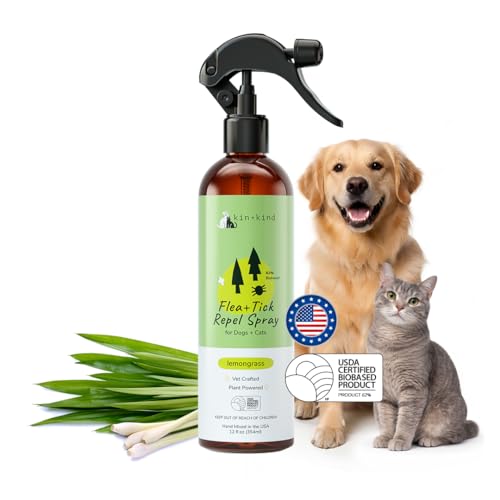
kin+kind Flea & Tick Repel Coat Spray, Lemongrass, 12 fl oz

kin+kind Flea & Tick Repel Dog Coat Spray, Lavender Mint, 12 fl oz
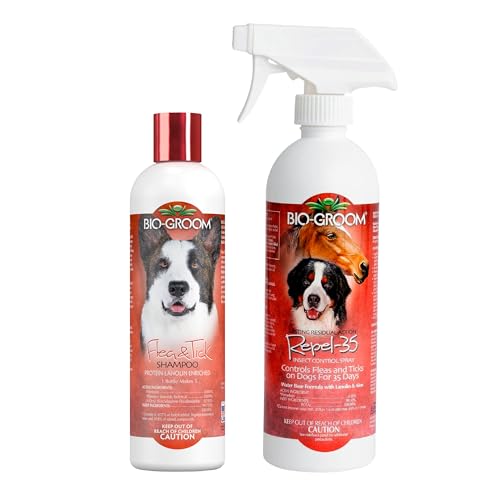
Bio-Groom Flea & Tick Dog Shampoo & Repel 35 Spray, Pack of 2
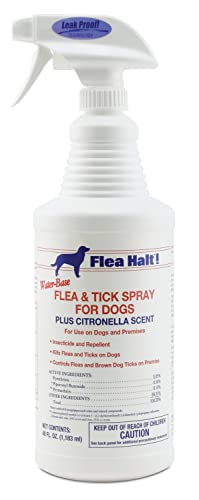
Farnam Flea Halt! Water-Based Flea & Tick Spray, 40 fl oz

Cudory Flea and Tick Prevention Chews for Dogs, 500 Count

Wondercide Flea Tick & Mosquito Dog Spot On, 3 Tubes

Trail Guard Natural Extra Strength Flea & Tick Spray, 16oz
Inside Each Recommended Option
An active infestation rarely stays on the dog. It spreads to couches, rugs, and the corner of the bed where your pup naps, which is exactly why this Nature-Cide bottle earns its place here. It’s formulated from natural essential oils and designed for use both on pets and around the house.
The 8 oz size suits targeted work: baseboards, pet bedding, door thresholds. Owners commonly report the scent is mild compared with conventional insect sprays, a real advantage in small apartments where ventilation is limited.
Key Advantages
- Kills fleas and ticks on contact, so visible pests drop fast during treatment sessions
- Doubles as a home spray, letting you hit bedding and carpets without buying a second product
- No strong odor, which matters in shared living spaces and for scent-sensitive dogs
- Essential-oil base avoids the synthetic pesticide load many households want to skip
Things To Consider
- The 8 oz bottle goes quickly when treating whole rooms; heavy infestations may need multiple purchases
- Contact-based action means reapplication after vacuuming or washing treated areas
At A Glance
Who It Suits Best
Apartment dwellers fighting an active indoor flea problem who want one bottle for pet and premises.
A Better Fit Elsewhere
Owners of large or multi-dog homes will burn through this size fast, so the Farnam Flea Halt! 40 fl oz jug covers more ground per purchase.
Where the Nature-Cide pick leans toward household cleanup, this kin+kind spray is built purely for prevention on the animal itself. The lemongrass blend works by disrupting how pests detect your pet in the first place, aiming to stop attachment before it starts rather than killing afterward.
Daily use before walks is the intended rhythm, and the 12 fl oz bottle holds up well to that schedule. A practical bonus: it’s labeled for cats too, which most flea sprays for dogs are not.
Positive Takeaways
- Plant-powered blend of lemongrass, cedarwood, and rosemary targets pest senses instead of relying on synthetic pesticides
- Safe for both dogs and cats, simplifying routines in mixed-pet homes
- Designed for daily pre-walk application, fitting easily into leash-and-out-the-door habits
- Fresh lemongrass scent doubles as a light coat freshener between baths
Worth Noting
- Repellent-style protection requires consistent reapplication; skipping days weakens the shield
- Some dogs dislike being sprayed, so misting your hands and wiping the coat may take patience at first
Made For
Households with both dogs and cats that want a single preventive product applied before outdoor time.
Consider Something Else When
If the lemongrass aroma feels sharp indoors, the lavender mint version of the same kin+kind spray offers a softer scent with the same core approach.
This is the sibling of the lemongrass version above, swapped to a peppermint, cedarwood, and rosemary blend with a lavender-mint finish. Functionally the two are close cousins: both aim to block pest detection before attachment happens through daily coat application.
The difference shows up in the room. Lavender-mint reads calmer and less citrusy, which you’ll notice spraying a wiggly dog in a hallway at 7 a.m. In our view, scent preference is the deciding factor between the two bottles.
A Few Highlights
- Peppermint-forward oil blend repels pests while leaving a gentler, spa-like scent on the coat
- Same daily-use format as its lemongrass sibling, so switching between scents costs nothing in routine
- Plant-based ingredient list appeals to owners avoiding conventional topical pesticides
- 12 fl oz supply supports a full season of regular applications for one dog
Small Caveats
- Mint and lavender won’t suit every nose; test a light mist before committing to full-coat sprays
- Like all repellents, effectiveness depends on thorough coverage down to the skin, not just the topcoat
Right Fit For
Scent-sensitive owners and calm-natured dogs whose families prefer a milder fragrance over bright citrus notes.
Reach For A Different Pick When
Multi-pet homes needing cat compatibility should stick with the kin+kind Lemongrass version, since this lavender mint variant is marketed specifically for dogs.
Bath day already exists in your calendar, so why not make it do double duty? This Bio-Groom pair combines a fast-acting pyrethrin shampoo, a botanical-derived insecticide class used widely in pet care, with a follow-up spray rated for extended resistance between washes.
The two-step logic is sound: the shampoo strips existing pests off the coat, then the Repel 35 spray maintains the barrier afterward. It also carries a fly-repellent use for horses, hinting at the brand’s farm-and-field roots.
A Few Strong Suits
- Shampoo knocks down live fleas immediately during the bath itself
- Companion spray extends protection for weeks rather than hours after washing
- Cruelty-free formulation made in the USA, a meaningful sourcing point for many shoppers
- Pack-of-two format keeps both steps stocked through a full season
Points To Note
- Pyrethrins demand careful label adherence around dosage and rinsing, especially with cats nearby
- Two products mean two storage spots and a slightly more involved routine than a single spray
Quick Facts
Who Will Love This
Owners already committed to regular bathing who want their wash routine to pull pest-control weight too.
Swap It Out When
Dogs that hate baths will fight this system, so the Wondercide Spot On tubes deliver similar staying power without any water involved.
Forty fluid ounces changes the math entirely. Where the Nature-Cide bottle handles spot jobs, this Farnam jug treats multiple dogs, their bedding, and favorite resting corners without constant repurchasing. Farnam has decades of history in livestock care, and that bulk-format thinking shows.
The water-based formula is ready to use straight from the container, and the citronella scent gives it a garden-fresh character rather than a chemical bite. It’s approved for the dog and the premises alike.
The Value In It
- Large 40 fl oz volume supports whole-household treatment across an entire season
- Water-based ready-to-use mix means no diluting, measuring, or mixing errors
- Labeled for both animals and premises, covering kennels and pet resting areas
- Citronella scent is pleasant by pest-spray standards
Less Ideal Details
- The big jug is awkward to store under a bathroom sink and heavy to maneuver one-handed
- Citronella lingers; owners with very scent-sensitive households may find it noticeable indoors
Details At A Glance
Whose Shelf It Belongs On
Multi-dog families and anyone managing kennels or outdoor runs who needs serious volume at sensible cost.
Another Choice May Suit
Single-dog apartment owners should look back at the Nature-Cide 8 oz spray, which handles the same job in a far smaller footprint.
Not every dog tolerates being misted. Sound-sensitive pups, rescue dogs still building trust, and wriggly puppies often turn bath-and-spray routines into wrestling matches. These Cudory chews sidestep the struggle entirely by working from the inside, using brewer’s yeast, pumpkin seed extract, and B-complex vitamins.
The 500-count tub stretches across many months even with daily dosing, and the formula doubles as a skin and coat supplement. Note that chew-based support is gentler than a true insecticide; pairing it with a topical spray during peak season is a common owner strategy.
Notable Upsides
- No spraying or bathing required, making it realistic for anxious or uncooperative dogs
- Naturally derived ingredients like brewer’s yeast and pumpkin seed extract support internal balance
- Dual benefit of pest support plus skin hydration and coat shine
- Sized for all breeds and life stages, from puppy through senior
- 500-count supply reduces how often you reorder
What To Weigh
- The maker suggests starting at half dose for the first two weeks, adding a short adjustment period
- Internal support works differently than contact sprays, so expectations should match the format
Who Should Grab It
First-time owners of spray-shy dogs who want a low-stress daily habit instead of a physical battle.
Look Elsewhere When
Active tick exposure on hikes calls for direct topical defense, making the Trail Guard Extra Strength spray the stronger companion for trail-heavy lifestyles.
Consistency beats intensity in pest control, and monthly spot-on dosing is the easiest consistency there is. Each Wondercide tube applies once, then keeps working for roughly a month against fleas and ticks, with about a week of mosquito repellency layered on top. Three tubes equal a three-month supply.
This large-dog sizing suits bigger breeds, and the plant-powered formula positions it as a natural alternative to conventional spot-ons. Compared with the daily kin+kind sprays earlier in this list, you trade frequent application for a set-it-and-check-the-calendar rhythm.
Real Benefits
- Monthly application schedule replaces daily spraying for busy households
- Adds mosquito repellency, useful in humid regions where other picks stay silent
- Three-tube pack covers a full quarter without reordering
- Plant-powered formula aligns with natural-prevention priorities
Factors To Consider
- Mosquito coverage fades within about a week, faster than the flea and tick window
- Spot-on sizing must match your dog’s weight class; this large format won’t fit small breeds properly
Core Details
The Right Fit
Owners of large dogs with packed schedules who keep forgetting daily sprays but remember a monthly date.
Where A Sibling Pick Shines
Small-breed homes need the weight-appropriate kin+kind Lemongrass spray instead, since this tube size is calibrated for larger dogs.
Deep-woods ticks don’t negotiate. Trail Guard builds its extra-strength cedarwood and rosemary formula specifically for hikers, campers, and hunting dogs that push into tall grass where pest pressure peaks. The 16 oz bottle is sized for a backpack side pocket.
Unusually for this category, it’s cleared for people as well as dogs and cats, meaning one bottle protects both ends of the leash. That shared-use angle makes it a genuine outlier among the sprays covered here.
Advantages To Know
- Extra-strength essential-oil blend aimed at heavy outdoor exposure, not just backyard duty
- Safe for dogs, cats, people, and home surfaces, consolidating several products into one
- 16 oz capacity balances portability with a full season of trail trips
- Cedarwood and rosemary leave an earthy, outdoorsy scent rather than a medicinal one
Practical Considerations
- Stronger oil concentration means patch-testing sensitive-skinned dogs before full application
- Essential-oil formulas generally need reapplication after swimming or heavy rain
Feature Snapshot
Built With In Mind
Trail runners, hunters, and camping families whose dogs log serious miles in tick country every weekend.
Skip It When
Mostly-indoor city dogs face lighter pressure, so the gentler kin+kind Lavender Mint spray fits urban routines better.
What Matters Most Before Choosing Natural Flea Sprays For Dogs
Match The Format To Your Dog’s Temperament
Sprays demand cooperation. A calm adult Lab will stand for a daily misting, while a nervous rescue may need the hands-off route of chews or a monthly spot-on. Honest self-assessment here saves money on abandoned bottles gathering dust under the sink.
Read The Species Label Carefully
Natural doesn’t automatically mean safe across species. Essential oils affect cats differently than dogs, and some dog-formulated products explicitly exclude feline use. Mixed-pet households should verify the label covers every animal in the home before the first application.
Prevention Versus Knockdown
Contact-kill sprays like Nature-Cide address pests you can already see, while repellent formulas such as kin+kind aim to stop attachment before it starts. Active infestations call for the former; seasonal defense favors the latter. Many experienced owners run one of each.
Coverage Area And Reapplication Reality
An 8 oz bottle treats a crate; a 40 oz jug treats a kennel. Check the stated duration too, since a 35-day spray and a daily mist represent wildly different time commitments. Choose the cadence you’ll actually maintain through a full flea season.
Key Considerations Across These Picks
Traps First Timers Fall Into
The classic error is buying a repellent to solve an active infestation, then blaming the product when scratching continues. Repellents prevent attachment; they don’t clear established populations. Another slip is ignoring the environment, since fleas spend most of their lifecycle in bedding and carpet, not on the dog.
When Paying More Pays Off
Higher-tier options earn their cost through concentration and longevity. An extra-strength formula like Trail Guard, or a month-long spot-on like Wondercide, reduces how often you reapply and how much you buy per season. Frequent-use households recover that premium quickly in convenience alone.
Frequently Asked Questions
How often should natural flea sprays be applied?
Most repellent sprays call for daily or every-other-day use before outdoor time. Always follow the specific label, since durations vary widely between formulas.
Are essential-oil sprays safe for puppies?
Many are, but age minimums differ by brand and concentration. Check the label and confirm with your veterinarian for young puppies.
Can I use a dog flea spray on my cat?
Only when the label explicitly states feline use. Cats metabolize certain oils differently, so cross-species assumptions are risky.
Do natural sprays work as well as chemical ones?
They perform well for prevention and light exposure, though severe infestations often need stronger intervention. Pairing formats frequently delivers the best outcome.
Should I treat my home along with my dog?
Yes, because most of a flea population lives in bedding, rugs, and cracks rather than on the animal. Premises-labeled products handle that half of the problem.
Closing Thoughts
The right choice comes down to your dog’s temperament, your local pest pressure, and the routine you’ll genuinely keep. Start with the format that fits your household, stay consistent through the warm months, and treat the environment alongside the animal. Whichever bottle lands in your cart, steady use beats occasional heroic efforts every single time.
