

Bottle-feeding a breastfed baby comes down to one small piece of silicone. The wrong nipple shape or flow rate turns an easy feed into gulping, gas, and outright refusal, which is why so many nursing parents cycle through half a dozen options before finding one their baby accepts. This roundup narrows the field to eight bottles and nipple sets built specifically for babies who split time between breast and bottle, from extra-slow newborn flows to medium-flow options for older infants. Each entry covers what the design actually does during a feed, where it falls short, and which reader profile it fits best.
The Picks In Brief

NUK Simply Natural Baby Bottle with SafeTemp

Lansinoh NaturalWave Nipples, Extra Slow Flow (XS), 4 Count

Thyseed Anti-Colic Glass Baby Bottle, Extra Slow Flow, 5 oz

Thyseed Anti-Colic Glass Baby Bottle, Medium Fast Flow, 8 oz
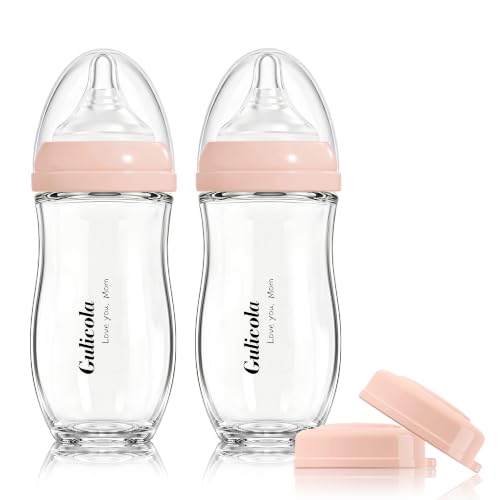
Gulicola Natural Glass Baby Bottle Set, Medium Flow, 8 oz, 2 Pack
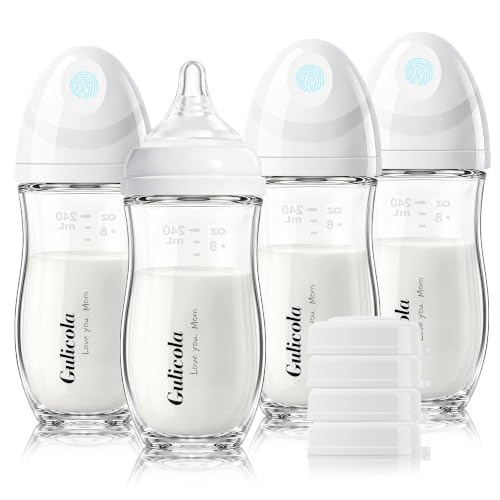
Gulicola Natural Glass Baby Bottle Set, Medium Flow, 8 oz, 4 Pack

Lansinoh NaturalWave Nipples, Slow Flow (S), 4 Count

Pigeon PP Wide Neck Anti-Colic Nursing Bottle, 5 oz, 4-Pack
A Closer Look At Each Pick
The SafeTemp strip is the reason this bottle earns its spot. It changes color when milk runs too hot, which matters most at 3 a.m. when you’re half asleep and guessing at temperature by feel. The nipple uses multiple openings rather than a single hole, spreading milk out in a way that mimics how a breast delivers it.
Flow scales with size: the 5-ounce version ships with a slow-flow nipple using three holes, while larger sizes step up to six. An anti-colic vent sits inside to cut down on swallowed air.
What Stands Out
- SafeTemp color indicator removes guesswork before every feed
- Multi-hole nipple spreads flow naturally instead of streaming it
- One-piece air vent means fewer parts to wash and reassemble
- Compact 5-ounce capacity suits early newborn portions
Things To Consider
- You’ll outgrow the 5-ounce body quickly once feeds lengthen
- The vent’s narrow channel needs careful rinsing after fatty milks
Key Specs
Who It Suits Best
Parents of brand-new babies doing frequent small feeds, especially overnight ones where a quick temperature read saves fumbling.
A Better Fit Elsewhere
Once your baby drinks more than five ounces per sitting, the Thyseed Anti-Colic Glass Baby Bottle, Medium Fast Flow, 8 oz handles bigger volumes with a faster nipple.
Unlike the complete bottles elsewhere on this list, this is a nipple-only pack, which makes it the cheapest way to experiment if you already own compatible wide-neck bottles. The extra-slow flow rate is deliberately unhurried, letting your baby set the pace instead of the bottle.
The silicone tip flexes and compresses as your baby sucks, so milk only moves when they work for it. That baby-led behavior is exactly what lactation consultants tend to recommend when introducing a first bottle alongside nursing.
Useful Highlights
- Extra-slow rate discourages gulping and flow preference
- Wide textured base gives small mouths something to latch onto
- Ultra-soft silicone compresses naturally under suction
- Four-count pack covers a full replacement rotation
Small Caveats
- Nipples only, so you’ll need matching wide-neck bottles separately
- Extra-slow pace may frustrate hungrier babies mid-growth-spurt
Made For
Nursing parents offering a very first bottle to a young breastfed infant who still nurses well and needs pacing protection above all else.
Swap It Out When
Once feeding rhythm settles around three months, the Lansinoh NaturalWave Nipples, Slow Flow (S), 4 Count steps the rate up without changing the latch feel your baby already knows.
Gas is the complaint that sends most parents shopping, and thyseed attacks it from the base of the bottle rather than the nipple. A vent at the bottom separates air from milk as your baby drinks, so fewer bubbles travel up through the liquid and into tiny stomachs. The company points to published clinical research behind that vent design, which is more substantiation than most bottles offer.
The nipple itself relies on several micro-openings instead of one hole, evening out the stream so your baby isn’t hit with sudden surges.
Well-Handled Touches
- Base vent keeps air out of the milk column entirely
- Micro-opening nipple smooths flow and reduces gulping
- Glass body resists odors and scratches better than plastic
- Extra-slow newborn rate suits the earliest weeks
Points To Note
- Glass adds weight and breaks risk compared with plastic rivals like the Pigeon PP Wide Neck
- Single-bottle pack means buying multiples for daily rotation
Quick Facts
Right Fit For
Parents dealing with a gassy, fussy newborn who wants a research-backed vent system and prefers glass over plastic.
Where A Sibling Pick Shines
Caregivers who need shatterproof bottles for daycare bags will get more mileage from the Pigeon PP Wide Neck Anti-Colic Nursing Bottle, 5 oz, 4-Pack.
This is the grown-up version of the thyseed 5-ouncer reviewed earlier: same base-vent anti-colic system, same micro-opening nipple philosophy, scaled to an 8-ounce body with a medium-fast nipple rated for three months and up. Older babies drink faster and more per session, and a nipple that still trickles at this stage leaves them pulling off the bottle annoyed.
The glass construction stays consistent across the line, so switching sizes doesn’t mean relearning a new latch shape. That continuity matters more than most product pages admit.
Key Advantages
- Medium-fast rate matches stronger three-month sucking
- 8-ounce capacity covers longer, fuller feeds
- Same base vent as the smaller model keeps gas under control
- Familiar nipple geometry eases the transition between sizes
Honest Caveats
- Too fast for newborns, so timing the switch matters
- One bottle per pack stretches budgets versus multi-packs
Whose Shelf It Belongs On
Parents of babies around three months old who started on slow-flow bottles and now see fussiness or unfinished feeds signaling readiness for more volume.
Another Choice May Suit
Households wanting several identical bottles for daycare rotation will find better value in the Gulicola Natural Glass Baby Bottle Set, Medium Flow, 8 oz, 4 Pack.
Gulicola takes a teaching approach to the nipple. Small raised points sit on the silicone surface to guide your baby toward a proper latch, encouraging the same wide-mouth suction pattern breastfeeding builds. For a baby who’s sloppy on the bottle but efficient at the breast, that tactile cue can make a real difference over a few weeks.
The two-bottle set includes storage caps, so expressed milk can go straight from fridge to bottle without a transfer. Borosilicate glass handles temperature swings without worry.
Useful Strengths
- Latch-guiding texture trains correct suction habits
- Ultra-soft silicone mimics natural flex during feeds
- Storage caps turn each bottle into a milk container
- Borosilicate glass avoids BPA, BPS, and phthalates
Less Ideal Details
- Medium flow skips the newborn stage entirely
- Pink colorway won’t suit every nursery aesthetic
Details At A Glance
Who Will Love This
Nursing moms around the three-month mark who want bottles that reinforce good latch habits while doubling as storage vessels.
Reach For A Different Pick When
Parents needing a full week’s worth of clean bottles should jump to the Gulicola Natural Glass Baby Bottle Set, Medium Flow, 8 oz, 4 Pack instead.
Everything true of the two-pack Gulicola holds here, just doubled. Four 8-ounce borosilicate bottles with medium-flow nipples and four storage caps give you enough inventory to run a real washing rotation: some in use, some drying, some packed for a sitter. Anyone who has washed bottles twice a day knows why that headroom matters.
The white colorway reads neutral, and the latch-guiding nipple points carry over unchanged from the smaller set.
Where It Excels
- Four-bottle depth supports genuine daily rotation
- Storage caps cover every bottle for fridge-to-feed workflow
- Neutral white finish suits shared caregiving setups
- Same latch-training nipple as the two-pack
Trade Offs
- Upfront commitment before confirming your baby accepts the nipple
- Four glass bottles demand careful cabinet storage space
The Right Fit
Households past the trial stage, especially those juggling daycare drops or multiple caregivers who need clean bottles always on hand.
Consider Something Else When
Still testing whether your baby takes a bottle at all? Start with the two-pack Gulicola set, or try the Lansinoh NaturalWave Nipples, Extra Slow Flow (XS), 4 Count for a lower-commitment first attempt.
Think of this as the next chapter of the extra-slow Lansinoh pack covered earlier. Same wide textured base, same gentle slope, same compressible silicone tip, now with a slow-flow rate sized for babies whose sucking strength has matured past the newborn weeks. Because the latch geometry stays identical, most babies move between the two rates without protest.
Owners commonly report these nipples holding their softness through repeated sterilizing cycles, though silicone does eventually fatigue and deserves periodic inspection for stickiness or tears.
Points In Its Favor
- Slow rate bridges newborn and older-infant pacing
- Identical latch shape to the XS version eases upgrades
- Textured wide base supports secure, comfortable attachment
- Tip flexes with suction for baby-controlled milk delivery
Things That May Matter
- Requires compatible wide-neck bottles you supply yourself
- Silicone wears with heavy sterilizer use and needs replacing
Feature Snapshot
Best Suited To
Families already using Lansinoh wide-neck bottles whose babies have outgrown extra-slow flow but still need measured pacing alongside breastfeeding.
Not Your Match When
Starting from zero equipment, a full bottle like the NUK Simply Natural Baby Bottle with SafeTemp gets you feeding immediately without sourcing a separate vessel.
Pigeon designed its nipple around observed sucking behavior, mapping the three movements a baby makes during a natural feed. The result is a super-soft silicone tip that lets the tongue move the way it does at the breast, plus a printed latch-on line showing caregivers exactly how deep the nipple should sit. That visual guide is quietly useful for grandparents and sitters new to paced feeding.
Compared with the glass thyseed picks, the polypropylene bodies trade heft and break-resistance trade-offs for lightweight portability, and the four-pack travels well.
A Favorable Mix
- Nipple engineered from documented sucking-motion research
- Latch-on line guides correct insertion depth every time
- Lightweight plastic suits diaper bags and car rides
- Four 5-ounce bottles cover a full day away from home
Room For Improvement
- Plastic bodies scratch and cloud faster than glass over months
- Fixed 5-ounce size limits use beyond early infancy
Core Details
Perfect Match For
On-the-go families and caregiver handoffs where lightweight, unbreakable bottles matter more than glass purity.
Look Elsewhere When
Home-focused parents prioritizing odor-free glass and a published vent study will prefer the Thyseed Anti-Colic Glass Baby Bottle, Extra Slow Flow, 5 oz.
What Matters Most Before Choosing Nipples For Breastfed Babies
Flow Rate Comes First
A breastfed baby controls milk delivery with suction, so a nipple that pours defeats that instinct and can build a preference for the easier option. Start extra slow for newborns and step up only when feeds consistently drag or your baby seems frustrated. Watch the feed itself: gulping, milk leaking from the mouth corners, or pulling off repeatedly all signal the rate is wrong.
Shape And Latch Behavior
The best designs mimic the mechanics of nursing rather than just its look. Wide bases give your baby something to root against, soft silicone that compresses under suction keeps your baby working for milk, and features like latch guides help less experienced caregivers position things correctly. A nipple your baby accepts at the breast-and-bottle crossover is worth more than any feature list.
Material And Daily Reality
Glass resists odors and scratches but adds weight and breakage risk; polypropylene travels light but clouds over months of washing. Silicone nipples fatigue with repeated sterilizing, so plan replacements every couple of months regardless of brand. Also count your actual rotation needs before choosing single bottles over multipacks.
Key Considerations Across These Picks
Traps First Timers Fall Into
Buying a dozen bottles before your baby accepts any of them is the classic error. Start with one or two units, confirm acceptance over several days, then scale up. Another slip: jumping straight to medium flow because it seems faster and easier, which often backfires with breastfed babies who then refuse the slower work of nursing.
What Separates Premium From Basic
Higher-priced options tend to earn it through engineering, not marketing: base vents backed by published research, multi-hole nipples that even out flow, temperature indicators, and latch-guiding textures. Those details pay off most for gassy babies, overnight feeders, and households sharing feeding duties with caregivers who need visual guidance.
Frequently Asked Questions
Which flow rate should a breastfed baby start with?
Extra slow is the standard starting point because it preserves the effort-based pacing babies know from nursing. Move up only when your baby finishes feeds quickly without gulping and seems impatient for more.
How often do bottle nipples need replacing?
Silicone nipples commonly wear out within one to three months of daily use and sterilizing. Inspect regularly for stickiness, thinning, or tears, and swap them at the first sign of wear.
Do anti-colic vents actually help with gas?
Vent systems reduce the air mixed into milk during a feed, which many parents report meaningfully calmer sessions with. Results vary by baby, since gas has multiple causes beyond swallowed air.
Can switching nipple shapes cause bottle refusal?
Yes, some babies notice and reject unfamiliar shapes, especially strong nurser types. Sticking with one geometry across flow-rate changes, as the Lansinoh line does, usually smooths those transitions.
Are glass bottles safe for everyday use?
Borosilicate glass is durable, odor-resistant, and handles temperature swings well. The trade-offs are weight and breakage risk, which is why many households pair glass at home with plastic for travel.
Closing Thoughts
Matching a nipple to a breastfed baby is part science, part patience. Start slow, watch how your baby actually feeds rather than what the box promises, and change one variable at a time. Any of these eight can anchor a workable setup; the right one is simply the one your baby accepts without a fight. Trust the feed itself to tell you what’s working.
