

Introducing a bottle to a breastfed baby can feel like a negotiation you didn’t sign up for. Some newborns refuse outright, others gulp air and end the feed fussy and gassy, and a few latch fine but leave you wondering whether the flow is too fast for their little mouths. The right nipple changes that equation, because shape, softness, and flow rate all shape how naturally your baby transitions between breast and bottle.
This roundup covers eight options built with breastfed infants in mind, from extra-slow-flow silicone nipples to anti-colic glass bottles and latch-assisting shields. Each entry breaks down where it shines, where it falls short, and which feeding situation it fits best.
A Closer Look At The Lineup

Similac Infant Nipples & Rings, Standard Flow (10 Pack)

Lansinoh NaturalWave Nipples, Extra Slow Flow (XS), 4 Count
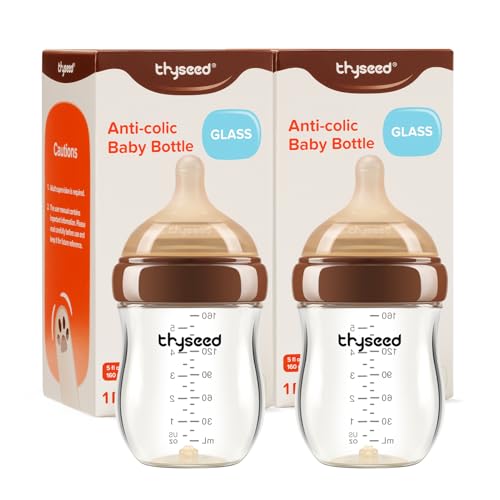
Thyseed Anti-Colic Glass Baby Bottle, Slow Flow Nipple, 5 oz
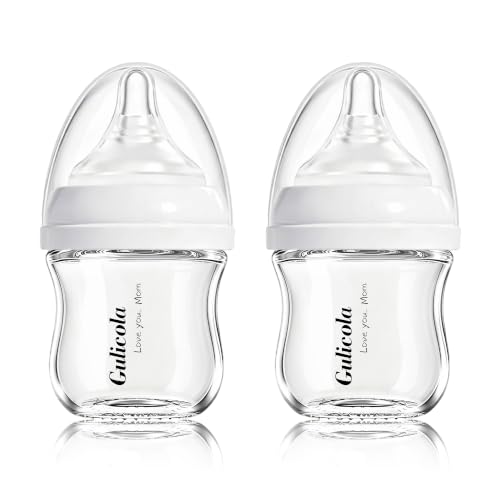
Gulicola Small Glass Baby Bottle, Extra Slow Flow (SS), 3 oz

Lansinoh NaturalWave Nipples, Slow Flow (S), 4 Count

Evenflo Feeding Classic Silicone Fast Flow Nipples, 6 Pack

Abbott Similac Component Infant Nipple and Ring, L00079

YIYEE Nipple Shields for Nursing Newborn, 2 Count
What Each Pick Brings To The Table
This set leans practical rather than fancy. You get ten standard-flow nipples with matching rings sized for the full first year, which means replacements are always within reach when one goes missing in the diaper bag or wears out from daily washing.
Households already using Similac ready-to-feed bottles will find these drop straight into their existing routine. The honest read is that this is a supply-and-convenience play, not a latch-engineering product.
Noteworthy Benefits
- Ten pieces per pack means fewer mid-week reorders during round-the-clock feeds.
- Rings included, so each nipple pairs up without hunting for compatible parts.
- Covers the 0 to 12 month range on a single standard-flow design.
- Straightforward to stock alongside formula bottles you may already own.
Things To Consider
- A single standard flow rate offers no step-down option for very young or slow feeders.
- Fits Similac’s own bottle system, so check compatibility before mixing brands.
Who It Suits Best
Parents running a formula-heavy routine who want a deep bench of spares on hand.
Where A Sibling Pick Shines
The Lansinoh NaturalWave XS below suits breastfeeding-focused families who want slower, baby-paced flow instead.
Where the Similac pack above chases quantity, this one chases latch quality. The wide, gently sloped base gives your baby something closer to the feel of nursing, and the ultra-soft silicone flexes rather than fighting a small mouth.
The tip stretches and compresses with each suck, so milk moves at your baby’s pace instead of pouring out. That baby-led pacing matters most in the earliest weeks, when a fast nipple can cause gulping or bottle preference.
A Few Highlights
- Extra-slow flow helps protect the breastfeeding rhythm during early bottle introductions.
- Textured base encourages a wide, secure latch similar to nursing at the breast.
- Flexible silicone tip responds to suction, supporting steadier, more comfortable feeds.
- Four-count pack covers rotation through daily wash cycles.
Minor Gripes
- Only four per pack, so frequent feeders may want a second set.
- Owners commonly report silicone nipples needing periodic replacement as they soften with use.
Feature Snapshot
Made For
Families introducing the very first bottles to a breastfed newborn who guards the nursing relationship closely.
Swap It Out When
Once your baby handles the XS comfortably, the Lansinoh Slow Flow version later in this list is the natural next step.
This pick solves a different problem than the Lansinoh nipples: swallowed air. A vent built into the base separates air from milk as your baby drinks, which means fewer bubbles traveling down with each swallow and, in theory, less gas afterward.
The nipple itself uses multiple micro-openings rather than one hole, spreading the flow into an even stream that discourages gulping. Two five-ounce glass bottles come in the pack, sized well for early feeds.
Points In Its Favor
- Base venting keeps air out of the milk path for calmer, less gassy sessions.
- Micro-opening nipple design delivers smoother, more even flow than single-hole tips.
- Glass construction avoids plastic entirely and scrubs clean without retaining odors.
- Breast-like nipple shape aims to keep breastfed babies interested.
Potential Sticking Points
- Glass adds weight and breakage risk compared with silicone-only options; handle over hard floors with care.
- Vented bases mean more parts to disassemble and wash after every feed.
Core Details
Right Fit For
Parents of gassy, fussy newborns who suspect air swallowing is behind the post-feed discomfort.
Another Choice May Suit
The Gulicola bottle coming next offers a smaller three-ounce volume better matched to premature or tiny eaters.
Compared with the Thyseed’s five ounces, this bottle starts smaller. Three ounces matches what many brand-new babies actually finish in one sitting, so there’s less waste and less overfeeding pressure in those first weeks.
The borosilicate glass body skips BPA, BPS, and phthalates, and the extra-slow SS nipple carries small guide points meant to cue a proper wide latch. That detail targets babies still learning correct suction habits at the breast.
Features That Help
- Three-ounce size fits realistic newborn intake without leftover milk going to waste.
- Preemie-friendly extra-slow flow keeps fragile feeders from being overwhelmed.
- Latch-guiding points on the nipple encourage correct sucking technique.
- Borosilicate glass tolerates temperature swings and cleans up odor-free.
Softer Spots
- You’ll outgrow the three-ounce capacity quickly, likely within a couple of months.
- Only two bottles per pack, so daily-use households often add a second set.
Quick Facts
Who Will Love This
Parents of premature, low-birth-weight, or very young newborns taking small, frequent feeds.
Reach For A Different Pick When
Once intake climbs past three ounces per feed, the Thyseed five-ounce bottle above becomes the better daily driver.
This is the same NaturalWave platform as the XS version reviewed earlier, stepped up one flow level. The wide textured base, gentle slope, and soft flexible tip carry over unchanged, so your baby keeps the latch they’ve already learned.
What changes is throughput. As feeding strength builds, the S rate keeps pace without forcing a switch to a different nipple geometry, which is exactly the kind of continuity breastfed babies tend to appreciate.
Real Benefits
- Same familiar shape as the XS, easing the transition between flow stages.
- Slow flow still respects a paced, baby-led rhythm rather than flooding the mouth.
- Flexible tip compresses with suction to keep milk movement steady.
- Works across mixed feeding routines once nursing is established.
Points To Note
- Too fast for day-one newborns; start with the XS and graduate here.
- Four-count packaging means budgeting for repeat purchases over a long stretch.
Whose Shelf It Belongs On
Breastfed babies around one month and older who’ve mastered the extra-slow stage and want slightly quicker milk delivery.
Look Elsewhere When
Babies past eight months with strong suction are better served by the Evenflo fast-flow pack further down this list.
Everything before this point targets the newborn window; this one doesn’t. Rated for eight months and up, the fast-flow rate matches older babies who drink efficiently and get impatient with slow nipples.
The standout convenience is cleanup: these go on the dishwasher’s top rack, which frees you from hand-scrubbing six times a day. They’re clear silicone, sized for Evenflo’s Classic standard-neck bottles including the tinted, glass, and printed variants.
Notable Gains
- Dishwasher-safe on the top rack, cutting daily washing time significantly.
- Six-pack sizing spreads across multiple bottles in rotation.
- Fast flow suits efficient older drinkers who frustrate easily at slow rates.
- Clear silicone lets you spot residue and wear at a glance.
Where It May Fall Short
- Compatibility limited to Evenflo Classic standard-neck bottles, not other brands.
- Fast flow is inappropriate for young breastfed newborns still learning to pace themselves.
Feature Rundown
The Right Fit
Parents of older breastfed babies who’ve moved to expressed milk or supplementing and want low-maintenance gear.
Consider Something Else When
For a newborn under two months, the Lansinoh XS earlier in this list remains the safer starting point.
This one fills a narrow but real gap: replacing lost or worn nipples on Abbott’s component feeding system. It’s made in the United States and sold through clinical nutrition channels, which tells you its home turf is hospital-discharge setups and structured feeding programs.
The latex construction differs from every silicone option in this roundup. Some babies accept latex readily; others show sensitivity, so it’s worth watching skin reaction during early uses.
The Good Stuff
- Direct replacement fit for Abbott’s infant nipple-and-ring feeding components.
- US manufacturing supports consistent sourcing for institutional-style routines.
- Simple two-piece design rinses clean quickly between feeds.
Details To Watch
- Latex material isn’t the right call for babies with known latex sensitivity.
- Minimal published feature detail, so verify compatibility with your specific bottle setup before ordering.
Built With In Mind
Caregivers continuing a hospital-recommended Abbott component feeding system at home who need exact-fit replacements.
Where Another Pick Suits Better
General household use favors the Similac ten-pack at the top of this list, which bundles rings and covers a wider age range.
Every other entry here sits between bottle and baby; this one sits between breast and baby. A nipple shield is a thin silicone cover worn during direct nursing, and this pair targets flat or inverted anatomy, sore or cracked skin, and latch trouble.
The clear food-grade silicone is soft, lightweight, and see-through, so you can still watch milk transfer during a feed. A carrying case keeps the pair sanitary in a diaper bag, which matters more than most first-time parents expect.
Strong Points
- Protects sore or cracked skin while healing continues underneath.
- Assists latch for flat or inverted nipple shapes where direct attachment struggles.
- Clear silicone lets you confirm milk flow visually mid-feed.
- Included case shields the shields from lint and bag grime between uses.
Trade Offs
- Shields require thorough washing and full drying after every session to stay hygienic.
- Some babies take time adjusting to the added layer, and prolonged shield reliance is worth discussing with a lactation consultant.
Essential Details
Who Should Grab It
Nursing mothers dealing with painful latches or anatomy challenges who want to keep direct breastfeeding going.
Not Your Match When
If nursing is comfortable and the goal is bottle introduction, the Lansinoh NaturalWave XS near the top of this list is the tool for that job.
Choosing Well: What Actually Matters For Breastfed Babies
Flow Rate Comes First
Flow rate describes how quickly milk exits the nipple, usually labeled preemie, extra slow, slow, medium, or fast. A breastfed newborn is used to working for milk, so a nipple that pours too freely can cause gulping, gas, and eventually a preference for the easier option. Start slower than you think necessary and move up only when your baby finishes feeds without frustration.
Shape And Softness Shape The Latch
A wide base with a gradual slope asks your baby to open wide, much like latching onto the breast. Softer silicone flexes with suction instead of collapsing or resisting it. Rigid, narrow nipples tend to teach shallow latching habits, which is the last thing a breastfeeding relationship needs.
Material And Cleaning Realities
Silicone dominates for good reason: it’s durable, odor-resistant, and tolerates repeated sterilizing. Latex feels softer to some babies but raises sensitivity concerns for others. Glass bottles cost more upfront yet scrub cleaner than plastic and never hold milk smell. Whatever you choose, plan on replacing nipples every couple of months as material fatigues.
Match The Tool To The Problem
Gassy baby? Prioritize venting. Refusing the bottle? Prioritize breast-like shape. Sore and dreading feeds? A shield may buy relief while you heal. Diagnose the actual friction point before spending.
Key Considerations Across These Picks
Traps First Timers Fall Into
The most common misstep is buying fast-flow nipples for a weeks-old newborn because the pack looked convenient. The second is mixing nipple brands with incompatible bottle threads and blaming the baby for the resulting leaks. Buy for the stage your baby is actually in, and confirm compatibility before checkout.
Where The Extra Money Goes
Pricier options typically fund venting engineering, softer multi-stage silicone, and research-backed shapes. Those features earn their keep for gassy babies or difficult transitions. Straightforward replacement nipples remain perfectly sensible once feeding is established.
Frequently Asked Questions
Which flow rate should a breastfed newborn start with?
Extra slow or preemie flow is the usual starting point. It preserves the effort-based pacing babies know from nursing.
How often should bottle nipples be replaced?
Most manufacturers suggest roughly every two to three months, sooner if you notice cracking, stickiness, or thinning. Inspect them at every wash.
Can nipple shields reduce my milk supply?
Prolonged use can affect transfer for some mothers. Many lactation consultants recommend treating shields as a short-term bridge rather than a permanent fixture.
Are glass bottles safe for newborns?
Yes, and borosilicate glass handles temperature changes well. The trade-off is weight and breakage risk, so supervision during feeds matters.
How do I introduce a bottle without causing nipple confusion?
Wait until breastfeeding is well established, usually around three to four weeks, then start with a slow-flow, breast-shaped nipple and let another caregiver offer the first attempts.
Closing Thoughts
Feeding a breastfed newborn from a bottle is less about finding one magic product and more about matching the tool to your baby’s current stage. Start slow, watch the latch, upgrade flow only as skill grows, and keep a lactation consultant’s number handy for anything that hurts. One of these eight should fit wherever you are in that journey today.
