

A dog that drags you down the sidewalk turns a pleasant stroll into an arm workout nobody asked for. That’s the problem a good no pull harness solves: it shifts pressure away from the throat and gently redirects your dog’s momentum back toward you. Whether you’re training a young Lab or managing an enthusiastic terrier on city sidewalks, the right harness makes daily walks something both of you look forward to. This roundup covers eight options for 2026, from budget-friendly starter sets to heavy-duty builds with grab handles.
An Overview Of The Picks

PetSafe Easy Walk Comfort No Pull Dog Harness
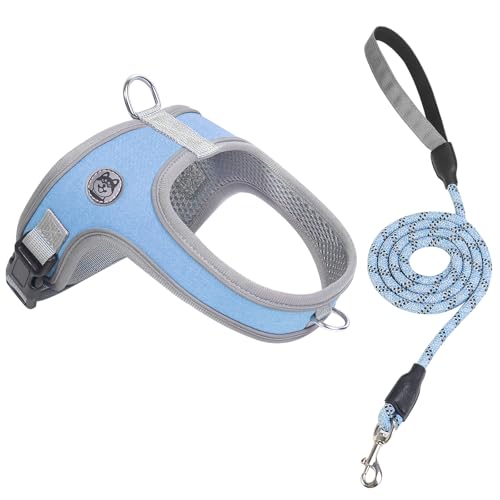
Mengbei Tribe No Pull Saddle Style Dog Harness and Leash Set
BEAUTYZOO No Pull Step-In Dog Harness and Leash Set

Dog Friendly Co. Dog Harness for Medium Sized Dogs
Forestpaw No Pull Dog Harness with Large Handle

APAKBAK No Pull Dog Harness with Handle, Soft Mesh Padded Vest

Lukovee No Pull Dog Harness and Leash Set, Soft Padded

Azinoo Blue No-Pull Dog Harness with 2 Leash Clips
A Deeper Look At The Lineup
The Easy Walk Comfort line has been around long enough that most trainers recognize it on sight, and this padded version leans into that reputation. Extra cushioning sits where the harness contacts your dog’s chest and shoulders, which matters on longer walks when thinner straps start to rub.
In practice, the no-pull geometry discourages leaning into the leash without relying on pressure at the throat. For a daily walker with a moderately enthusiastic dog, that combination of softness and steering tends to be enough.
What Helps Most
- Boosted padding reduces chafing on long neighborhood loops
- No-pull layout deters stubborn pullers without choking pressure
- Vest-style coverage spreads force over a wider area of the body
- Recognized design many trainers already recommend
Things To Consider
- Sizing runs specific to this brand, so measuring your dog before ordering saves return trips
- Owners commonly report the fit needs a few walks to settle in correctly
Who It Suits Best
Daily walkers with medium-sized dogs who want a proven, comfort-first option rather than a feature-heavy build.
Where Another Pick Suits Better
Strong, muscular pullers get more value from the Forestpaw No Pull Dog Harness with Large Handle and its tougher 1000D nylon shell.
Getting out the door quickly is half the battle with an excited dog, and this saddle-style set is built around speed. The manufacturer describes a two-step process, over the head then fasten the chest, that takes seconds once your dog learns the routine.
The cationic fabric shell pairs with a breathable mesh lining, so dogs wearing it through summer runs or winter layers stay comfortable in either season. Unlike the bare-bones PetSafe option above, this one arrives as a matched harness-and-leash kit with two attachment points.
The Value In It
- Breathable mesh keeps coats cool during warm-weather walks and jogs
- Two D-rings give you a choice of leash attachment positions
- Adjustable straps grow with puppies and young dogs
- Reflective detailing improves visibility on early morning or evening routes
- Two-section on/off design means less wrestling before every walk
Worth Noting
- Lightweight construction suits smaller frames better than powerful pullers
- Mesh panels need occasional rinsing to stay fresh after muddy outings
At A Glance
Made For
Owners of small and medium dogs who want one purchase covering harness, leash, and everyday wearability.
Consider Something Else When
Dogs over roughly 50 pounds with serious pulling habits are better served by the Forestpaw harness later in this list.
Step-in harnesses remove the awkward head-hole maneuver entirely: your dog places paws into the openings, you clip up the back, done. For nervous dogs or squirming puppies, that lower-fuss routine often makes the difference between cooperation and a wrestling match.
This BEAUTYZOO set keeps things simple and affordable while offering four sizes across the range. The trade-off shows up in the measurements, since the front chest panel on the medium is fixed at 14 inches and cannot be adjusted.
Why It Works Well
- Step-in design suits dogs that resist overhead harnesses
- Four size options cover a wide span of body types
- Comes as a matching harness and leash pair
- Gentle price point makes it a low-risk first harness
Trade Offs
- The medium’s 14-inch front chest panel is unadjustable, so precise measurement matters
- Between two sizes, the maker advises choosing the larger one, which may feel loose on narrow-chested dogs
- Basic feature set compared with the Azinoo model near the end of this roundup
Quick Facts
Right Fit For
First-time harness owners with calm-to-moderate medium dogs who want an inexpensive, easy-on starting point.
Not Your Match When
You want dual leash clips and heavier hardware; the APAKBAK harness further down offers both at a modest step up.
Some harnesses look like climbing gear strapped to a beagle. This brown medium from Dog Friendly Co. takes a cleaner approach, with a tailored silhouette and a size range stretching from XXS to XL behind it.
The interesting detail is modularity. The base harness ships with a single heavy-duty back D-ring for everyday walking, while the front D-ring that enables true no-pull steering is a separate add-on purchased on its own. You pay only for the configuration your dog actually needs, though it does mean an extra step before full anti-pull function.
Strengths Worth Knowing
- Adjustable neck and chest straps dial in a secure fit across body shapes
- Wide XXS through XL size range covers multi-dog households
- Modular front clip lets you upgrade only when pulling becomes a problem
- Understated brown styling reads more accessory than equipment
Minor Gripes
- Front D-ring costs extra, unlike the dual-clip designs included with the APAKBAK and Azinoo picks
- Out of the box it functions as a standard back-clip harness, not a no-pull tool
Who Will Love This
Design-minded owners of well-mannered medium dogs who value appearance and may add the front clip later.
Look Elsewhere When
Immediate anti-pull performance is the priority; the Lukovee set below includes front-clip redirection as standard equipment.
Compare the materials here against everything earlier in the list and the intent becomes obvious. Forestpaw builds this medium around 1000D nylon, a tightly woven fabric grade also used in tactical gear, backed by a POM buckle and alloy D-ring rated for tear and abrasion resistance.
The oversized top handle is the second headline feature. Grabbing a dog mid-lunge, steadying them at a curb, or lifting them into a car all become one-handed jobs. For reactive dogs in busy areas, that handle earns its place fast.
The Upside
- 1000D nylon shell resists tearing and abrasion from determined pullers
- Large top handle gives instant physical control in traffic or crowds
- Alloy D-ring and POM buckle hold up better than plastic-only hardware
- Generous belly adjustment range fits stocky medium breeds
Points To Note
- The 17-inch front chest panel is fixed, so deep-chested or narrow dogs may sit between sizes
- Heavier fabric holds warmth, which some owners find less comfortable in peak summer heat
Key Specs
The Right Fit
Owners of muscular 30 to 50 pound dogs, think Beagles, Staffies, or Border Collies, who need real control hardware.
Another Choice May Suit
Smaller or gentler dogs will find the Mengbei Tribe saddle set lighter and easier to wear day to day.
Training a dog out of pulling usually means switching between correction mode and reward mode, and this vest supports both without changing gear. Clip the leash to the front ring during loose-leash practice, then move to the back ring for relaxed strolls once manners improve.
Soft mesh padding lines the vest, and adjustment points sit at both chest and belly, giving a snug fit that still allows natural shoulder movement. Where the Forestpaw leans rugged, this one leans versatile, spanning small through large dogs in its sizing.
Real Benefits
- Front clip encourages better leash manners during active training
- Back ring handles casual walks without repositioning anything
- Dual chest and belly adjustment creates a secure, hard-to-slip fit
- Top handle adds a layer of control near roads and crowds
- Mesh padding stays comfortable across long sessions
Small Caveats
- With five adjustment zones, initial setup takes longer than a basic step-in like the BEAUTYZOO
- Mesh-lined vests benefit from air drying fully after wet walks to prevent odor buildup
Built With In Mind
Owners actively training leash skills who want one harness serving both correction and casual walking roles.
Skip It When
Your dog already walks politely and you just want simplicity; the PetSafe Easy Walk Comfort covers that job with fewer moving parts.
Choking is the fear behind every no-pull purchase, and Lukovee addresses it directly with a triangular frame that spreads leash force across the chest instead of concentrating it at the neck. Attach the included leash to the front chest D-ring and sudden lunges redirect sideways rather than jerking upward.
Switch to the rear O-ring for mellow neighborhood loops, and the same harness serves both purposes. Padding throughout keeps the contact points comfortable for medium and large dogs, the group most likely to generate real pulling force.
Benefits That Matter
- Triangle load distribution helps avoid choking on abrupt lunges
- Front chest D-ring redirects mild to moderate pulling during training
- Rear O-ring suits relaxed, loose-leash daily walks
- Leash included, so the setup works straight out of the package
- Soft padding protects larger chests during extended wear
Honest Caveats
- Front-clip steering works best on mild to moderate pullers, not sled-grade strength
- Owners commonly report checking strap tightness periodically as padding compresses with use
Core Details
Perfect Match For
Households with medium or large dogs in active loose-leash training who want anti-choke engineering built in.
Reach For A Different Pick When
Maximum durability outranks training features; the Forestpaw harness brings tougher materials to the same weight class.
Closing the list is the most hardware-dense option here: four metal delta-shaped rings distributed across front and back, plus four adjustable straps shaping the fit. Delta rings, named for their triangular shape, resist twisting under load better than simple loops, a small detail that adds up over months of use.
Padded Oxford nylon forms the shell with breathable mesh underneath, and reflective threading runs through the design for dusk visibility. The published sizing, neck 14 to 20 inches and chest 21 to 27 inches, targets breeds like Huskies, Labs, and Shepherds in their medium range.
The Practical Payoff
- Four metal delta rings offer flexible, twist-resistant leash attachment
- Four adjustable straps deliver a snug, growth-friendly fit
- Oxford nylon with mesh lining prevents chafing on thick-coated breeds
- Quick-snap buckles make on and off genuinely fast
- Reflective elements support early morning and evening walking routines
Areas To Watch
- More straps mean more to check before each walk, especially with a wriggly dog
- Fit window is specific, so dogs outside the stated neck and chest ranges should look at the BEAUTYZOO’s broader size spread
Feature Snapshot
Whose Shelf It Belongs On
Owners of athletic medium-large breeds, Huskies and Shepherds especially, who want maximum adjustability and attachment flexibility.
Swap It Out When
Simplicity beats features; the PetSafe Easy Walk Comfort delivers calmer walks with far less hardware to manage.
What Matters Most Before Choosing No Pull Harnesses For Dogs
Measure First, Buy Second
Chest girth, measured just behind the front legs, decides fit more than breed or weight does. Several picks here, including the BEAUTYZOO and Forestpaw, use fixed front panels, so a tape measure prevents an unnecessary exchange. Between two sizes, going larger usually works better.
Front Clip Versus Back Clip
A front chest clip redirects a pulling dog sideways toward you, which is why trainers favor it during loose-leash work. Back clips suit dogs that already walk politely. Dual-attachment models like the APAKBAK and Azinoo let you switch as training progresses.
Material And Hardware
Nylon denier indicates fabric density; 1000D nylon on the Forestpaw signals a much tougher weave than lightweight mesh shells. Metal D-rings and quality buckles matter just as much, since hardware fails before fabric does on strong pullers.
Handles And Visibility
A top handle gives you instant physical control near traffic, and reflective stitching extends safe walking hours into early mornings and evenings. Both cost little and earn their keep regularly.
Key Considerations Across These Picks
Traps First Timers Fall Into
The most common mistake is buying by weight alone instead of actual body measurements, then wondering why the harness slips or pinches. Another frequent misstep: skipping the break-in period. Most dogs need several short walks before a new harness feels normal, so judge fit after a week, not one outing.
What Separates Premium From Basic
Higher-tier harnesses spend their budget where failure hurts: denser nylon, metal instead of plastic hardware, and load-spreading frames like the Lukovee triangle. Paying more pays off for strong pullers and daily long-distance walkers. Casual strollers with polite dogs rarely notice the difference.
Frequently Asked Questions
Do no pull harnesses actually stop pulling?
They reduce pulling by redirecting your dog’s momentum and removing throat pressure, but they work best alongside consistent training. Expect improvement, not an overnight fix.
Are front-clip harnesses safe for puppies?
Yes, provided the harness fits properly and pressure stays off the neck. Start with short sessions so your puppy associates the harness with positive walks.
How tight should a no pull harness fit?
You should fit two fingers flat under any strap without room to slide a whole hand. Recheck monthly, since coat changes and growth alter the fit.
Can my dog wear a harness all day?
Most manufacturers recommend harnesses for walks only, then removal at home. Continuous wear can rub fur and skin, particularly under the arms.
How do I clean a padded dog harness?
Hand wash with mild soap, rinse thoroughly, and air dry completely before the next use. Machine drying can warp buckles and shrink padding.
Closing Thoughts
The right harness depends less on rankings and more on your dog’s size, strength, and temperament. Measured honestly and fitted patiently, any pick on this list can turn tense walks into relaxed ones. Start with accurate measurements, choose the attachment style that matches your training stage, and give your dog a week to adjust. The calmer walks follow naturally from there.
