

Tracking litter across the floor is one of those small daily annoyances that adds up fast. Anyone who owns a cat knows the routine: scoop, sweep, repeat. The eight litters below are built around larger granules, denser pellets, and low-dust formulas designed to stay in the box where they belong, so your floors stay cleaner with less effort on your part.
A Quick View Of The Lineup

Dr. Elsey’s Cat Attract Clumping Clay Litter 18-lb. Bag

World’s Best Low Tracking & Dust Control Unscented 8 lb Bag
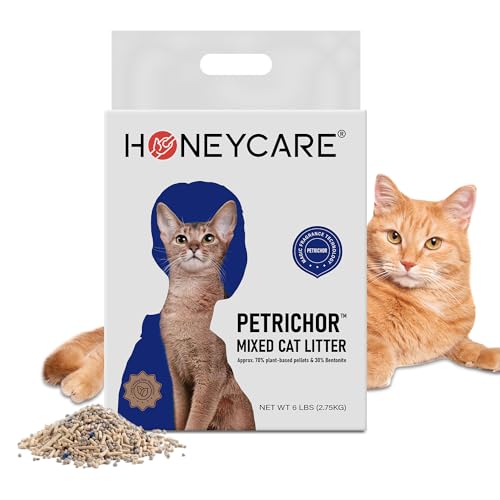
HONEY CARE Petrichor Mix Tofu & Bentonite Litter 6 lbs

Catit Go Natural Pea Husk Clumping Litter 12.3 lbs

Dr. Elsey’s R&R Stress-Reducing Clay Litter 18 lb. Bag

Fresh Step Extreme Clay Non-Clumping Litter 21 Pounds

Naturally Fresh Walnut Shell Quick-Clumping Litter 30 Lbs

ökocat Low Tracking Natural Wood Clumping Litter 14 Lbs
Taking A Closer Look At The Options
This one exists for a specific frustration: a cat that treats the litter box as optional. The blend pairs 100% bentonite clay with an herbal attractant that encourages digging and covering, which is often all it takes to reset a stubborn habit. The medium grain size is deliberately chosen to feel right under paws while staying put in the tray.
In a multi-cat household, that combination matters more than any single spec. Owners dealing with box avoidance commonly report this is the formula they reach for first, and the 18-pound bag gives you enough volume to run a proper two-to-three-inch depth during retraining.
Everyday Perks
- Hard-clumping medium grain keeps moisture from pooling at the bottom of the tray, so scooping stays clean instead of crumbly.
- The 99% dust-free formulation is a real difference for allergy-prone people pouring the bag weekly.
- Particles are sized to resist being flung out of the box during enthusiastic digging sessions.
- The natural herbal attractant does quiet behavioral work that plain clay simply can’t.
Things To Consider
- Clay formulas are heavier than plant-based options like the ökocat below, so hauling an 18-pound bag upstairs takes some grip strength.
- Used clay clumps generally head to the trash rather than compost, unlike the pea husk and wood picks later in this list.
Key Specs
Who Should Grab It
Cat owners mid-battle with litter box avoidance, especially in homes where a recent move, new pet, or new baby has disrupted routines.
Where A Sibling Pick Shines
A calm, healthy cat with no box issues gets everything needed from Dr. Elsey’s R&R Stress-Reducing Clay Litter, which skips the attractant in favor of a gentler, fragrance-free blend.
Where the Dr. Elsey’s option leans on clay, this one builds its tracking defense from whole-kernel corn. Larger granules are physically harder for paws to carry out of the box, and the corn base means there’s no clay dust cloud when you pour. For anyone who has coughed through a bag of cheap clay litter, that alone justifies a look.
The unscented formula suits cats that reject perfumed products, and the multiple-cat strength rating means odor performance holds up in busier households. The 8-pound bag is also noticeably easier to lift than the 18-pound clay sacks elsewhere here.
Why It Works Well
- Larger granules dramatically cut down on the granules stuck between toe beans after each visit.
- No clay dust at all, which keeps the area around the box from developing that chalky film.
- Whole-kernel corn absorbs liquid quickly, so wet spots don’t linger.
- Unscented, which matters for finicky cats that avoid strong-smelling boxes.
Minor Gripes
- Some owners report corn-based litters can attract pantry pests if bags sit stored for months, so keep it sealed.
- Clumps tend to be softer than bentonite’s rock-hard scoops, which can mean slightly more frequent full-box changes.
Made For
Dust-sensitive households and apartment dwellers who want a lightweight, plant-forward litter that still clumps reliably day to day.
Consider Something Else When
Homes fighting active litter box avoidance get better odds with Dr. Elsey’s Cat Attract Clumping Clay Litter and its built-in herbal attractant.
This hybrid splits the difference between soft tofu litter and heavy-duty clay by blending bean husk pellets with bentonite. The result clamps onto urine fast while keeping the overall weight manageable, a pairing that works nicely in smaller homes where you carry bags up stairs. Compared to World’s Best’s corn kernels, these pellets run even bigger at 2mm.
That pellet size is the headline feature. Wide particles are awkward for paws to grip and carry, which translates directly into fewer stray pieces along your hallway. The low-dust pour keeps paw prints off counters too, since less fine powder sticks to feet in the first place.
What It Does Well
- The 2mm pellet size physically resists being tracked out, the most direct anti-tracking design on this list.
- Bean husk and bentonite combine for fast clumping without going full-heavy clay.
- Low-dust behavior means fewer dusty prints trailing away from the box.
- Six-pound packaging stores easily in tight closets or under sinks.
Small Caveats
- Some cats need a transition period to accept larger pellets, so plan on mixing it with your current litter for a week or so.
- Tofu-style litters work best scooped daily; left too long, moisture can soften clumps at the edges.
Feature Snapshot
Right Fit For
Apartment dwellers and anyone tired of sweeping granules daily who still wants genuine clumping performance from a lighter bag.
Skip It When
Owners of very picky cats used to fine sand-texture clay may face rejection; Dr. Elsey’s R&R offers a familiar fine-grain feel instead.
Catit builds this one from recycled pea husks plus food-grade binders like starch, corn powder, and guar gum. No synthetic additives, no added fragrance, and a soft pellet texture that many cats accept quickly. Against HONEY CARE’s bean-and-bentonite hybrid, this is the purer plant play, trading some clump hardness for a fully renewable ingredient list.
The absorbency claim is generous: pellets soak up several times their weight in moisture, which locks odors inside the clump instead of letting them drift. In practice that means the box smells neutral between scoops, assuming you keep up a regular schedule.
Where It Helps
- Recycled pea husks give this a genuinely sustainable sourcing story without gimmicks.
- High moisture absorption means clumps hold together well enough for clean one-pass scooping.
- Soft pellets are gentle on sensitive or declawed paws, a detail owners of senior cats appreciate.
- Lightweight handling compared to any clay bag on this list.
Worth Bearing In Mind
- Plant-based clumps can break apart if they sit saturated for days, so daily scooping preserves performance.
- Bag storage matters: keep it dry, since humid garages can degrade the starch binders over time.
Who Will Love This
Eco-conscious owners who want chemical-free ingredients and don’t mind a scooping rhythm of once a day or better.
Another Choice May Suit
Households prioritizing maximum clump toughness over sustainability credentials will prefer the bentonite-backed HONEY CARE Petrichor Mix.
Think of this as the Cat Attract formula’s quieter sibling. Same premium bentonite base and hard-clumping behavior, minus the herbal attractant, and stripped of plant proteins, perfumes, and deodorants entirely. The idea is simple: nothing in the box that could irritate a sensitive cat or trigger avoidance.
The near-dustless pour stands out immediately next to budget clays. There’s no perfumed blast when you open the bag either, which makes a real difference in small bathrooms where the box lives close to living space. Multi-cat homes juggling different sensitivities tend to land here as their steady default.
Positive Takeaways
- Formulated without common irritants, plant proteins, or added scents, giving reactive cats nothing to object to.
- Hard clumps form quickly and hold shape, so the scoop doesn’t leave crumbs behind.
- Very low dust keeps both the pouring moment and the digging session clean.
- An 18-pound supply supports deep-fill boxes that discourage mess at the edges.
Points To Note
- Clay weight is unavoidable; expect a workout carrying this upstairs versus the Catit pea husk option.
- No odor additives means a very busy box may need more frequent full changes than scented competitors.
Core Details
Who It Suits Best
Owners of anxious, senior, or scent-sensitive cats who want proven clay clumping without fragrances or attractants in the mix.
Swap It Out When
Actively retraining a box-avoidant cat calls for the attractant-powered Dr. Elsey’s Cat Attract Clumping Clay Litter instead.
One honest note upfront: despite sitting in a non-tracking roundup, this is a non-clumping formula. Its role here is odor control on a budget. Highly absorbent clay works alongside activated carbon, a material that traps odor molecules rather than masking them, plus paw-activated fresheners released as your cat walks through the box.
That carbon approach handles ammonia smells impressively for a non-clumping product, and the 21-pound quantity stretches far in single-cat homes. The trade-off is maintenance: without clumps, you’ll rely on regular stirring and full-box swaps rather than quick daily scoops of waste alone.
Strong Points
- Activated carbon absorbs odor molecules instead of covering them with perfume alone.
- Paw-activated fresheners release with each visit, keeping the surrounding area fresher.
- Large 21-pound format reduces how often you’re reordering.
- Quality absorbent clay pulls liquid down fast, limiting standing moisture.
Where It May Fall Short
- No clumping means solid waste removal is less precise; plan on complete box changes on a fixed schedule.
- The scented formula may put off cats that dislike fragrance, unlike the unscented Dr. Elsey’s R&R.
The Right Fit
Budget-minded owners of easygoing cats who prioritize long-lasting odor control over scoop-and-go convenience.
Reach For A Different Pick When
Anyone wanting true daily scoop convenience should step up to a clumping option such as Naturally Fresh Walnut Shell Litter.
Walnut shells sound unusual until you learn why they work: the material naturally neutralizes ammonia, so odor control comes from chemistry rather than perfume. This is upcycled agricultural byproduct turned into a genuinely capable clumping litter, unscented and free of the silica dust that comes with cheap clay.
At 30 pounds, this is the stock-up option on the list, and the granule density gives it decent staying power in the pan. Compared to the Fresh Step clay above, you gain true clumping and lose the added fragrance, a swap most cats would vote for given the chance.
Noteworthy Benefits
- Walnut shell material organically counters ammonia smells without any added fragrance.
- Quick-forming clumps make daily scooping straightforward and tidy.
- Upcycled sourcing keeps waste out of landfills, a real point for sustainability-minded homes.
- No silica dust, so pours stay clean and the air around the box stays clearer.
- The 30-pound volume covers weeks of use for a single cat.
Details To Watch
- Some owners note the dark shell color can show as specks on light flooring until you establish a sweeping rhythm.
- Walnut granules are softer than bentonite, so very saturated spots may need a firm scoop technique.
The Numbers That Matter
Whose Shelf It Belongs On
Single-cat households that buy in bulk and want a sustainable, unscented litter with dependable clumping behavior.
Not Your Match When
Owners of long-haired cats prone to litter clinging will find ökocat’s smooth wood mini-pellets a better match.
ökocat approaches tracking differently than everyone else here: dense wood mini-pellets that are simply too heavy and smooth to hitch a ride on fur. That makes it a standout for long-haired cats, where fine litters cling like glitter and travel room to room. The wood fiber is screened and de-dusted before bagging, so pours stay clean.
Odor control works mechanically. Wood fiber interferes with the enzyme bonding that creates ammonia in the first place, meaning smells never fully form rather than getting covered up. Absorbency runs high too, so a 14-pound bag stretches further than the weight suggests, and the pellets are biodegradable and compostable where local rules allow.
Useful Touches
- Dense mini-pellets resist sticking to fur, a genuine advantage for long-haired breeds.
- Wood fiber blocks ammonia formation at the source instead of masking it with scent.
- Screened, de-dusted fiber means a cleaner pour with no clay dust.
- Strong absorbency lets each bag last longer, cutting both cost and waste over time.
- Free of artificial fragrance, dyes, and harsh chemicals throughout.
Practical Considerations
- Pellet texture differs sharply from sand-like clay, so gradual transition mixing helps hesitant cats adjust.
- Composting used litter depends on local regulations and is never appropriate for gardens growing food.
Quick Facts
Perfect Match For
Long-haired cat owners and anyone wanting maximum odor control with minimal dust in shared living spaces.
Look Elsewhere When
Cats that insist on fine, sandy textures do better with Dr. Elsey’s R&R Stress-Reducing Clay Litter’s traditional granule feel.
What Matters Most Before Choosing Non-Tracking Clumping Cat Litters
Granule Size Does The Heavy Lifting
Tracking is mostly physics. Fine, sandy particles stick easily to paws and fur and ride them across your floors, while larger granules and denser pellets fall straight back into the pan. Anything above roughly 2mm, like the HONEY CARE pellets or ökocat’s wood minis, gives you a structural advantage before odor control even enters the conversation.
The catch is acceptance. Cats develop texture preferences early, and a sudden switch to big pellets sometimes triggers protest behavior. Blend new litter into old over a week or two and watch closely.
Match The Formula To Your Cat
A healthy cat with no history gives you freedom to choose on price and sustainability. A cat recovering from box avoidance needs an attractant formula like Dr. Elsey’s Cat Attract. Sensitive noses and respiratory concerns point toward the near-dustless, fragrance-free options such as R&R or World’s Best. Long-haired breeds benefit disproportionately from smooth pellets that refuse to cling to fur.
Weigh Scoop Style Against Upkeep
Clumping litters reward daily scooping with minimal waste, while non-clumping clay like the Fresh Step demands scheduled full changes. Plant-based clumps soften when neglected, so honesty about your routine matters more than any spec sheet. Choose the maintenance rhythm you’ll actually keep.
Think About Disposal
Clay heads to the landfill forever. Pea husk, wood, and walnut options offer biodegradable disposal paths where local rules permit, though used litter of any type never belongs near edible plants.
Key Considerations Across These Picks
Traps First Timers Fall Into
The classic error is buying on odor claims alone and ignoring texture. A heavily perfumed litter that your cat rejects costs you twice, once in money and again in cleanup. Another common slip is switching formulas cold turkey instead of blending gradually, which invites accidents. Finally, check the clumping claim carefully; a few popular products, including one on this list, are non-clumping despite sitting in clumping searches.
Where The Extra Money Goes
Premium litters spend more on raw material quality and screening. De-dusted wood fiber, food-grade binders, and upcycled walnut shells all cost more per pound than commodity clay. That money buys lower dust, stronger clumps, and less product consumed per month, which narrows the real gap over time. Frequent-use households usually recoup the difference within a couple of bags.
Frequently Asked Questions
What actually causes litter tracking?
Small, lightweight particles cling to moist paws and fur and drop off wherever your cat walks next. Larger granules, denser pellets, and a good mat outside the box all reduce the spread considerably.
Can I switch my cat to a new litter abruptly?
Gradual transition works far better for most cats. Mix roughly a quarter new litter into the old at first, then shift proportions over seven to ten days while watching for avoidance behavior.
Is low dust really important?
For households with allergies, asthma, or a cat that digs enthusiastically, yes. Less airborne dust means cleaner surfaces, easier breathing during pours, and less residue settling around the box area.
Do plant-based litters clump as well as clay?
Modern versions come close, though bentonite still forms the hardest, most durable clumps. Plant-based clumps perform best with prompt daily scooping rather than leaving waste sitting for days.
How often should I fully change non-clumping litter?
Most manufacturers suggest a complete change every week or so for non-clumping clay, adjusted for the number of cats using the box. Clumping litters typically need full changes far less often.
Bottom Line
Tracking control starts with particle design, and every option above attacks the problem from a different angle, whether oversized pellets, dense wood fiber, or low-dust granules. Pick based on your cat’s texture preferences and your own cleaning rhythm, then commit to a steady scooping schedule. Any of these choices beats sweeping the hallway twice a day.
