

Anyone raising a litter knows the scramble: eight puppies who look identical, a whelping box that needs daily checks, and no reliable way to track who’s eating, gaining, or due at the vet. Color-coded identification solves that in seconds. This roundup covers bulk nylon sets, stretchy newborn loops, leather options, and one premium everyday collar worth keeping after the litter moves on.
An Overview Of The Picks
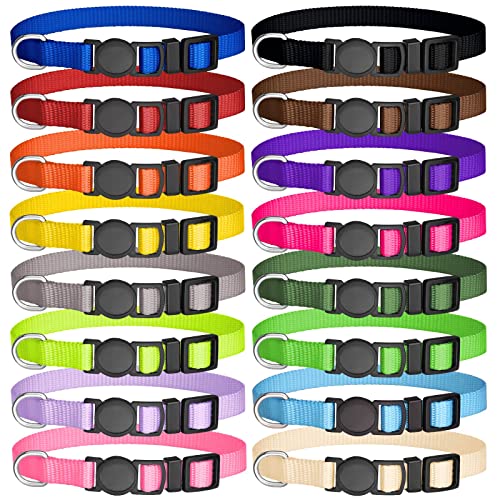
Mtliepte 16 PCS Nylon Puppy ID Collars (S)

BOUMUSOE 16pcs Puppy Whelping ID Bands
Ruffwear Hi & Light Dog Collar, Basalt Gray, 11″-14″

QDYU 20 PCS Nylon Breakaway Puppy Collars (S)

HOLLOSPORT 75Pcs Stretchy Whelping Collars, 15 Colors

Frienda 60 Pcs Puppy Whelping Collars Newborn ID, S, M, L

Periflowin Leather Puppy Litter ID Collars, S/M

Buryeah 12 Pieces Adjustable Dog Collar Bulk
Taking A Closer Look At The Options
Breeder logic is simple here: one bright color per puppy, sixteen puppies covered, done. The Mtliepte set leans on soft nylon with a breakaway safety buckle, sized for small breeds whose necks are still fragile in those first weeks.
In a busy whelping box, quick visual sorting matters more than fancy hardware. You can tell the blue pup from the green one across the room, which makes weight checks and feeding logs far less error-prone.
Where It Delivers
- Sixteen distinct solid colors mean every puppy in a large litter gets its own identifier without repeats.
- The soft nylon weave sits gently against skin, so newborns are less likely to develop irritation marks around the neck.
- Machine-washable and colorfast, these survive the inevitable milk, mud, and mess of early puppyhood.
- A breakaway buckle releases under strain, a meaningful safety layer while pups tumble over each other.
Honest Caveats
- The small sizing runs tight fast; owners commonly report re-checking fit weekly as the litter grows.
Key Specs
Who Should Grab It
Foster homes and hobby breeders managing small-breed litters who want an affordable, washable ID system from day one.
A Better Fit Elsewhere
The HOLLOSPORT 75-piece stretchy set suits newborn litters better, since its spandex blend grows with the pups instead of needing constant swaps.
Where the Mtliepte set uses buckles, this BOUMUSOE option goes softer: hand-tied paracord bands with no hard parts at all. Each band measures about 28 cm long and 1 cm wide, fitting head circumferences under roughly 9 cm, which covers puppies from about four weeks old.
That matters because very young puppies spend their lives pressed against mom and siblings. A band that slides instead of catching is exactly what you want during those crowded naps.
The Helpful Details
- Handmade paracord construction feels pliable in the hand, and it won’t snag fur or cling to bedding the way rougher webbing can.
- Assorted colors across the 16-piece run give you enough identifiers for a typical litter plus a couple of replacements.
- Washable and reusable, so one purchase can serve more than one litter if you keep them clean between rounds.
Points To Note
- The fixed length offers limited adjustment, so measure your puppies’ heads before committing rather than assuming a fit.
- Hand-tied cords may fray at the knots over months of repeated washing, based on widely reported owner feedback.
The Right Fit
First-time breeders with toy or small breeds around four weeks old who want a gentle, hardware-free introduction to litter tracking.
Reach For A Different Pick When
The Frienda 60-piece multi-size pack serves you better once growth spurts start, since its three sizes absorb several weeks of neck changes.
This is the odd one out, deliberately. Once your litter graduates to individual homes, someone still needs a daily collar, and the Ruffwear Hi & Light fills that role with ultralight polyester webbing built to add almost nothing to a dog’s stride.
The ITW Nexus Mach 1 side-release buckle is the headline detail. It locks securely yet adjusts in fine increments, which keeps the collar seated without loose strap flapping around the dog’s neck on trail runs.
Useful Strengths
- Featherweight polyester webbing keeps drag near zero, so small and medium dogs move naturally even at full sprint.
- The micro-adjustable Mach 1 buckle holds position reliably, meaning fewer mid-hike refits.
- A muted Basalt Gray finish hides dirt better than bright webbing tends to.
Small Caveats
- You get one collar, not a bulk set, so it’s a poor value for litter identification specifically.
- The understated gray offers no color-coding function in a multi-dog household.
Feature Snapshot
Whose Shelf It Belongs On
Joggers, hikers, and anyone whose young dog has outgrown ID-band stage and needs a serious lightweight everyday collar.
Swap It Out When
The Buryeah 12-piece adjustable bulk set is the smarter buy for shelter workers outfitting many medium dogs at once.
Twenty colors puts the QDYU set ahead of most rivals on pure capacity. Rescue groups and kennels juggling multiple litters will appreciate having four spare identifiers beyond a standard sixteen-pup litter, especially when a band gets lost in the laundry.
Construction mirrors the Mtliepte approach: genuine nylon webbing, breakaway release, small sizing. The difference shows up in volume and in how long one order lasts you across successive litters.
Where It Excels
- Twenty vibrant shades allow instant identification even across two litters sharing a room.
- Durable nylon holds up to chewing and tugging better than thin ribbon-style bands typically manage.
- Swapping colors as puppies grow lets you keep records consistent without buying new stock.
- Breakaway closures add a safety margin in crowded play areas.
Things To Consider
- Small-size only, so larger breeds age out of these quickly; plan a second purchase for big litters.
- Vivid dyes may transfer slightly onto light bedding during the first washes, a pattern some owners note.
Built With In Mind
Rescue volunteers, shelter staff, and breeders running back-to-back litters who need maximum identifiers per order.
Another Choice May Suit
The Mtliepte 16-piece set costs less per order and fits single-litter households that don’t need the extra four colors.
Newborns change size weekly, and rigid collars fight that reality. These tubular nylon-spandex loops stretch to more than twice their folded six-inch length, covering neck girths from zero up to 16 inches as the litter matures. One band can genuinely last from birth to adoption day.
Seventy-five pieces split into fifteen colors, five per shade, gives catteries and multi-litter setups serious headroom. Keeping the same color on the same animal across replacements protects your records too.
Good Reasons To Consider
- The spandex blend stretches instead of squeezing, so growing pups aren’t choked by yesterday’s fit.
- A 0-to-16-inch girth range means fewer size swaps and less record confusion.
- Tubular construction feels rounded and soft, gentler on kittens as well as puppies.
- Five duplicates per color let you replace worn bands without changing an animal’s identity code.
Details To Watch
- Stretch fabric can loosen over time; owners commonly report re-tightening every few days in the first month.
- No buckle or clasp means slipping them on takes two hands and a calm puppy.
Quick Facts
Right Fit For
Breeders of newborn puppies and kittens who want one flexible ID system that survives the entire nursing period.
Not Your Match When
The Periflowin leather set fits better once pups reach sturdy adolescence and need a collar that doubles as walking gear.
Growth is the problem this pack anticipates. Sixty collars arrive sorted into three sizes, twenty pieces each, so a litter that outgrows small simply moves up to medium without a new order. Twenty colors round out the identification system.
Compare that to the single-size Mtliepte and BOUMUSOE packs earlier in this list: the Frienda set trades per-unit economy for coverage across the whole growth curve, which saves reordering headaches for larger breeds.
Practical Pluses
- Three graduated sizes handle everything from toy-breed newborns to chunkier medium-breed pups.
- Twenty colors per size tier keep identification consistent even as animals swap sizes.
- The sheer quantity means lost or soiled bands never leave a puppy unidentified.
Less Ideal Details
- Buying three sizes at once means paying for sizes a toy-breed litter may never use.
- Storage takes a drawer corner; sixty bands need some organization to stay sorted by size.
Core Details
Who Will Love This
Breeders of medium and large breeds, plus foster networks cycling through litters of unpredictable adult size.
Consider Something Else When
Kitten fosters get more value from the HOLLOSPORT stretchy loops, whose soft spandex build suits feline necks better than fixed-size bands.
Leather changes the conversation. Fourteen richly colored bands, each half an inch wide with seventeen adjustment holes spanning roughly 6.3 to 12.6 inches of neck, look like something a boutique pet shop would hang behind glass. They photograph beautifully for adoption listings, too.
The wide hole range is the functional story: one band follows a small dog from early puppyhood well into adolescence, unlike the fixed nylon loops most bulk sets rely on.
Useful Touches
- Leather construction ages gracefully and resists the fraying that plagues woven bands after repeated washing cycles.
- Seventeen adjustment holes deliver a genuinely custom fit across two listed size ranges.
- Fourteen saturated colors make health monitoring and feeding charts easy to maintain visually.
Trade Offs To Consider
- Leather needs occasional conditioning and shouldn’t be machine washed; spot cleaning is the realistic maintenance path.
- Heavier and stiffer than nylon for the first week or two until it softens with wear.
Technical Reference
Perfect Match For
Breeders of designer or show-bound litters who want identification gear attractive enough to send home with adopters.
Look Elsewhere When
Households prioritizing easy laundering should stick with the QDYU nylon 20-pack, which tolerates machine washing without complaint.
Think of this as the graduation set. Twelve collars in classic and bright shades, each roughly 0.75 inches wide and adjustable from 14 to 20 inches, suit adolescent pups and medium adults rather than newborns. A snap buckle makes on-and-off painless for wiggly dogs.
Shelters and rescue transports get real mileage from a dozen ready-to-use collars sitting in a supply bin, and the wider webbing distributes leash pressure more comfortably than narrow puppy bands ever could.
What Stands Out
- The 14-to-20-inch adjustable span accommodates most medium breeds with room to fine-tune.
- Snap buckles speed up handling during intake, vet visits, and walks alike.
- Three-quarter-inch width spreads pressure evenly, a comfort upgrade over skinny ID straps.
Points To Keep In Mind
- Twelve pieces falls short for full-litter identification, so pair it with a smaller band set for newborns.
- Oversized for toy breeds; the minimum length exceeds many small dogs’ neck measurements entirely.
The Numbers That Matter
Who It Suits Best
Shelter staff and owners of growing medium-breed pups who’ve moved past whelping-stage bands and need durable daily collars in bulk.
Where Another Pick Shines
Newborn litters belong with the HOLLOSPORT stretchy 75-pack, whose soft loops fit day-old puppies these collars physically cannot.
What Matters Most Before Choosing Puppy Collars
Measure First, Order Second
Neck circumference changes fast in the first eight weeks, sometimes visibly week to week. Wrap a soft tape snugly around each pup’s neck and add a finger’s width of slack before comparing any product’s stated range. Skipping this step is why so many bulk sets end up half-used.
Material Decides Comfort
Nylon is the workhorse: washable, colorfast, and gentle once broken in. Paracord and spandex blends feel softer against newborn skin but stretch out sooner. Leather looks refined and lasts longest, though it demands spot cleaning and occasional conditioning. Match the material to how often you’ll actually launder the bands.
Safety Closures Earn Their Keep
A breakaway buckle releases when a collar snags on crate wire, a sibling’s jaw, or bedding. For puppies under supervision in a whelping box, that release mechanism is cheap insurance worth prioritizing over decorative extras.
Quantity Math For Real Litters
Count your litter, then add spares. Bands get chewed, lost in laundry, and swapped during growth spurts. Sets offering duplicate colors per shade, like the five-per-color HOLLOSPORT pack, protect your record-keeping when a replacement becomes necessary.
Key Considerations Across These Picks
Where Shoppers Go Wrong
The classic mistake is ordering one size for a whole litter and discovering week three doesn’t fit week one. Buy stretchy or multi-size options for newborns, and measure heads before choosing fixed-length paracord bands.
When Paying More Pays Off
Higher-tier collars justify cost through finer adjustment, sturdier webbing, and hardware that survives hundreds of on-off cycles. For a single beloved dog past the litter stage, a premium collar like the Ruffwear earns its price daily.
Frequently Asked Questions
When should puppies first wear an ID collar?
Most breeders introduce soft bands within the first week or two, once puppies are stable and nursing well. Always supervise early wear and check fit every few days.
How tight should a puppy collar sit?
You should slide two fingers comfortably between the band and the neck. Any tighter risks chafing, any looser invites snagging or a paw getting caught.
Can litter collars be reused for future litters?
Washable nylon and paracord bands generally hold up across multiple litters with proper cleaning between groups. Inspect for fraying or stretched elastic before reuse.
Do breakaway buckles work for unsupervised puppies?
They reduce risk significantly, but no closure replaces supervision in a whelping box. Check bands daily for wear, tangles, or signs of chewing damage.
How do I track which puppy is which color?
Keep a simple chart pairing each color with birth details, weight logs, and vet dates. Photograph the litter wearing bands weekly so records stay visual and current.
Closing Remarks
Every litter deserves a system that keeps records straight without adding stress to already busy days. Stretchy loops cover newborns, sized nylon packs carry pups through growth, and one quality collar waits at the finish line. Start with accurate measurements, lean toward extra quantity, and the right choice from this list will make those chaotic first weeks noticeably easier.
