

Rats in the yard are more than a nuisance. They chew through feed bags, nest under decks, and move closer to the house once the weather turns. The right outdoor trap or bait station stops that before it starts.
This roundup covers eight options across every approach: snap traps, glue boards, live-catch cages, and lockable bait stations. Some suit a small suburban patio, others a barn or garden plot with an active runway problem. Each entry breaks down what it does well, where it falls short, and who it actually fits.
A Quick View Of The Lineup

Neogen 000550 Rodent Bait Station (Black)

NAMEK Rat Trap 12-Pack Large Reusable

Wanqueen Humane Live Rat Trap 2 Pack
Victor M201 Metal Pedal Rat Trap (Pack of 3)

Qualirey 12 Pack Rat Glue Traps 10×5 Inch

Filpestco Heavy Duty Snap Rat Traps 6 Pcs

Filpestco Tunnel Snap Rat Traps 4 Count
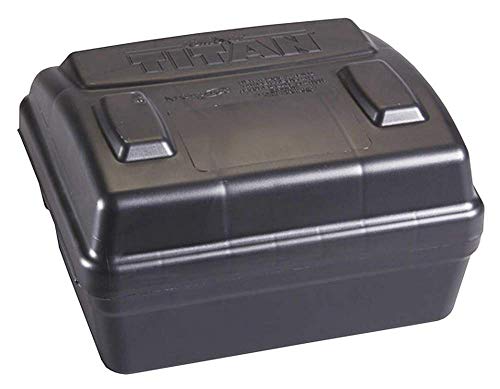
Tomcat Titan Rodent Bait Station
More On The Choices That Made The List
A bait station is a locked box that holds rodent bait while keeping it dry and away from pets, birds, and curious hands. This Neogen unit comes as a six-pack, which matters because rats rarely travel one at a time. Two side openings give rodents easy access from either direction.
For anyone managing a shed line, chicken coop perimeter, or compost corner, the tamper-resistant locking design is the main draw. Interior vertical rods hold bait blocks in place so rodents can’t drag them off into the yard.
Key Advantages
- Tamper-resistant lock keeps bait away from non-target animals and children
- Dual openings let rats and mice enter from either side without repositioning
- Interior rods secure bait blocks so nothing gets carried off
- Six stations per pack cover multiple hot spots around one property
- Shields bait from rain so it stays fresh longer outdoors
Things To Consider
- You’ll need to buy bait blocks separately and check stations regularly
- Plastic housings can crack over years of sun exposure, so shaded placement helps
At A Glance
Who It Suits Best
Property owners running a bait program around barns, coops, or outbuildings who want protected, multi-point coverage.
A Better Fit Elsewhere
Shoppers avoiding poison entirely will get more from the NAMEK Rat Trap 12-Pack, which handles the same yard territory mechanically.
Twelve traps in one purchase changes how you work a property. Instead of guarding a single hotspot, you can blanket fence lines, woodpiles, and garage corners simultaneously, then reset whatever fires. These are reusable snap traps sized for large rats but sensitive enough to catch mice too.
The large clamp plate paired with a reinforced spring widens the trigger zone, which owners commonly report means fewer sprung-empty mornings. No poison involved, so there’s nothing to keep away from dogs or chickens beyond basic placement sense.
Strong Points
- Twelve-trap count lets you cover an entire yard perimeter in one setup
- Oversized clamp plate catches rodents of varying sizes reliably
- Reinforced spring delivers a fast, decisive strike
- Non-toxic operation suits households with pets and kids nearby
- Reusable bodies mean one purchase lasts through multiple seasons
Minor Gripes
- Exposed jaws demand careful placement away from where pets roam
- Resetting twelve traps after a busy night takes real time
Made For
Homeowners with barns, yards, or outbuildings facing a widespread rat problem who want maximum coverage per dollar.
Swap It Out When
Households with free-roaming pets should look at the Filpestco Tunnel Snap Trap instead, since its covered jaw removes the exposed-spring risk.
Not everyone wants a lethal solution, especially near vegetable gardens where kids and pets wander. This two-pack of live-catch cages measures roughly 10.43 by 5.5 by 4.5 inches each, big enough for adult rats yet compact enough to tuck along a shed wall. The cuboid shape gives rodents a clear path straight in.
Lightweight galvanized steel resists rust, which matters when a cage sits outside through damp weeks. The door mechanism is designed to reduce false captures, so you’re less likely to release a songbird or chipmunk you never meant to catch.
Features That Help
- Galvanized steel construction holds up against outdoor moisture
- Cuboid interior guides rats directly toward the trigger
- Design aims to cut down on catching the wrong animal
- Two cages let you work two locations at once
Honest Caveats
- Live catches need daily checks and a relocation plan before you set these
- Lightweight frames can tip if a trapped animal thrashes hard
Quick Facts
Right Fit For
Gardeners and hobby farmers who prefer relocating rodents over killing them and can commit to frequent cage checks.
Reach For A Different Pick When
Anyone wanting zero-maintenance control should pick the Qualirey Glue Traps instead, which require no baiting or resetting at all.
This is the wooden snap trap most people picture, refined over decades. Victor’s metal pedal design uses a sensitive trip plate rather than the older bait-holding bar, so even a light investigative touch sets it off. Three traps come per pack, all disposable after use.
There’s real value in a design pest professionals still reach for. Setup takes seconds, cleanup involves tossing the whole trap, and replacement cost stays low. Compared with the NAMEK pack’s reusable bodies, you trade longevity for simplicity and a lower upfront commitment.
Benefits That Matter
- Metal pedal trigger responds to minimal contact for consistent catches
- No-poison mechanical action keeps the yard safe for other wildlife
- Disposable format means zero cleaning between uses
- Decades-proven platform that behaves exactly as expected
Points To Note
- Single-use disposal adds up over a long infestation
- Wooden bases absorb moisture, so covered placement extends their life
Who Will Love This
First-timers setting their first outdoor traps who want a familiar, low-cost way to learn placement technique.
Where A Sibling Pick Shines
Dealing with repeated heavy activity makes the Filpestco Heavy Duty Snap 6-pack smarter, since its reinforced build survives reuse season after season.
Glue boards skip baiting, snapping, and resetting entirely. You peel, place flush against a wall or runway, and walk away. These Qualirey boards measure 10 by 5 inches on heavier, sturdier trays built to hold larger rodents rather than just mice.
The pre-scented surface needs no added bait, and the adhesive formula tolerates cold and damp conditions better than standard glue. Disposal is hands-off: carry the whole board to the bin without touching anything. Twelve boards cover a full monitoring circuit around a foundation.
Where It Delivers
- Ready to deploy with no bait preparation whatsoever
- Oversized trays handle rats, not only mice
- Adhesive withstands cold and wet outdoor edges
- Contact-free disposal keeps handling unpleasant messes to zero
- Also captures insects and scorpions crossing the same paths
Small Caveats
- Catches aren’t immediate kills, so timely checks matter ethically
- Dust and debris reduce stickiness, meaning periodic replacement outdoors
- Not reusable, unlike the Filpestco tunnel traps elsewhere on this list
Feature Rundown
Who Should Grab It
Busy homeowners who want passive monitoring along walls and under decks without touching bait or springs.
Another Choice May Suit
Anyone uncomfortable with live-stuck animals should choose the Victor M201 snap traps, which end the encounter instantly.
Big rats defeat weak springs. This six-pack leans on a precision-engineered, high-tension mechanism housed in a reinforced strike body, built specifically to secure large rodents on contact. There’s no chemical component anywhere in the design, just raw mechanical force.
The heavy-duty construction works equally well in a basement corner or out along a fence line. Six units give you enough spread to learn which placements produce results, then concentrate there. Against the Victor M201’s disposable wooden bases, these are built to be reset and reused.
Useful Highlights
- High-tension spring secures large rats instantly on trigger
- Reinforced strike housing protects the mechanism through repeated resets
- Chemical-free operation fits organic gardens and pet households
- Six-trap count supports serious multi-point campaigns
What To Weigh
- Strong springs demand careful arming to avoid pinched fingers
- Open jaws pose a hazard to pets roaming the same area
Whose Shelf It Belongs On
Rural properties and farms battling mature, heavy rats that smaller consumer traps fail to hold.
Consider Something Else When
Households with dogs or cats patrolling the yard will find the covered-jaw Filpestco Tunnel Snap far less risky to deploy.
The tunnel design solves the biggest complaint about outdoor snap traps: exposed jaws. Here the striking mechanism sits inside a covered ABS plastic housing, so paws, beaks, and small fingers stay clear while rats walk straight in. Four units come per pack.
An inter-locking tooth jaw pairs with a sensitive trigger for quick, no-escape results, and the whole unit is rated for repeated use. Pest professionals favor this enclosed format for exactly the safety reason above. Cleaning is a rinse-and-reset affair rather than a disposal decision.
A Few Highlights
- Enclosed tunnel hides the jaw from pets, birds, and children
- Inter-locking teeth prevent escape once triggered
- Durable ABS plastic survives many seasons of reuse
- Sensitive trigger catches light-footed rodents too
Less Ideal Details
- Enclosed bodies need rinsing after each catch, unlike disposable boards
- Four units may fall short on very large properties
Core Details
Who It Suits Best
Families with young children or outdoor pets who want lethal efficiency without open-jaw risk.
Look Elsewhere When
Shoppers prioritizing sheer strike power over safety housing may prefer the Filpestco Heavy Duty Snap 6-pack reviewed earlier.
Commercial-grade gear usually demands staking, weighting, or bolting. The Tomcat Titan skips all of that with a custom pre-installed brick inside the housing, so the station stays put wherever you drop it. That single detail cuts setup time to nearly nothing.
The interior accommodates both snap traps and bait blocks running together, letting you layer tactics in one footprint. Servicing is faster than typical stations too, which matters when you’re checking a dozen units across a farmstead. Next to the lighter Neogen six-pack, this is the step up for anyone treating rodent control as an ongoing program rather than a weekend fix.
Notable Gains
- Built-in weighted brick eliminates separate anchoring hardware
- Holds traps and bait simultaneously for layered control
- Fast service access saves time during routine checks
- Commercial-grade construction suits long-term outdoor deployment
Trade Offs
- Heavier body makes repositioning a two-handed job
- Single-unit packaging raises costs for multi-site coverage
Technical Reference
The Right Fit
Landowners and small-farm operators running a structured, season-long rodent program across multiple buildings.
Skip It When
Apartment dwellers and patio gardeners need something simpler, and the Neogen 000550 six-pack covers that scale at lower commitment.
What Matters Most Before Choosing Rat Traps For Outdoors
Match The Tool To The Infestation Size
A couple of droppings near the grill calls for two or three snap traps. Trails along a fence line, chewed feed bags, or burrows under a shed point to a population, and populations need volume: multi-packs like the NAMEK 12-count or a distributed bait program. Sizing your response correctly saves weeks of frustration.
Think About Who Else Uses Your Yard
Pets, chickens, and children change everything. Open-jaw snaps demand placement discipline, while covered tunnels and lockable bait stations remove most of that worry. Live cages add a relocation obligation, so commit to checking them daily before buying.
Weather And Placement Decide Success
Outdoor traps face rain, dew, and dust. Galvanized steel and ABS plastic shrug off moisture; bare wooden bases don’t last long uncovered. Whatever you choose, set it flush along walls or runways, since rats travel edges rather than open ground.
Key Considerations Across These Picks
Mistakes Worth Dodging
The most common error is buying too few traps for a visible problem. A second slip is placing traps in open ground where rats simply walk past; edge placement along walls outperforms guesswork every time. Skipping regular checks turns any method, humane or not, into a bigger problem than the original one.
When Paying More Pays Off
Higher-tier stations like the Tomcat Titan justify their cost through durability and faster servicing across seasons. Weighted builds, commercial plastics, and tandem trap-plus-bait layouts pay back quickly on large properties. For a single patio issue, though, a basic three-pack does the same job for less.
Frequently Asked Questions
Where should outdoor rat traps be placed?
Set them flush against walls, fences, or foundation lines where you’ve spotted droppings or grease marks. Rats hug edges while traveling, so runway placement dramatically improves catch rates.
Are bait stations safe around pets?
Lockable, tamper-resistant designs like the Neogen and Tomcat units keep bait sealed away from non-target animals. Placement out of reach adds another layer of protection.
How often should outdoor traps be checked?
Daily checks are the responsible minimum, especially for glue boards and live cages. Quick intervention keeps catches hygienic and prevents suffering.
Do rats learn to avoid traps?
Yes, wary rats can become trap-shy after near misses. Rotating trap types and moving stations every week or two keeps pressure on the population.
Can I reuse snap traps outdoors?
Metal and ABS plastic models reset repeatedly for seasons of service. Wooden disposable traps work fine once but degrade quickly in wet conditions.
Closing Thoughts
The best outdoor rat strategy matches tool to terrain. Small problems yield to a Victor three-pack or a pair of glue boards, while established populations call for bulk snaps, covered tunnels, or a proper bait program. Start with placement along known runways, check often, and scale up only what the evidence supports. One well-placed trap tonight beats a dozen scattered tomorrow.
