

The right substrate does more than sit at the bottom of your tank. It anchors plants, shelters beneficial bacteria, and sets the entire mood of the aquascape, so a poor choice shows up in every photo you take of the tank. This guide walks through eight sands suited to different setups, from tiny betta bowls to African cichlid displays. Whether you’re cycling your first 10-gallon or rescaping a planted showpiece, there’s a match here for your water chemistry, your fish, and your patience level when it comes to rinsing dust out of a bag.
A Snapshot Of The Selections

FANTIAN 2 lbs Aquarium Sand 1/16 Inch Coarse

Aqua Natural Galaxy Sand 10lb

CaribSea Super Natural Moonlight Sand 5 lb (Pack of 2)

Aqua Natural Oolitic Aragonite Sand 10lb

FANTIAN 5 lbs Beige Aquarium Sand

FANTIAN 5 lbs Aquarium Substrate Gravel 0.6-1.2 mm

FANTIAN White Aquarium Sand 5 lbs
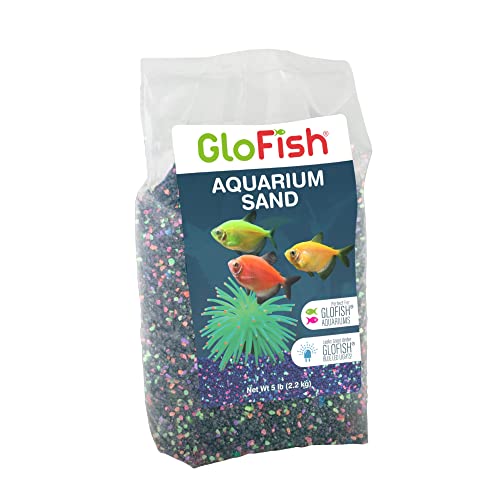
GloFish Aquarium Sand 5 Pounds Black with Highlights
A Deeper Look At The Lineup
The two-pound bag is the whole point here. Grain runs around 1/16 inch, roughly 1 to 2 millimeters, which is coarse enough that bottom-dwellers can sift it without packing into an airless slab. For a five-gallon betta tank or a shrimp cube, one bag covers the floor with room to spare.
The sand ships dry rather than damp, so expect some dust in the bag. A few minutes under running water while you stir it by hand takes care of most of it, though you may find the first day slightly cloudy until your filter catches up.
Notable Upsides
- Coarse 1-2 mm grain resists compacting, keeping gas pockets from forming in shallow beds.
- Two-pound sizing lets you test color and texture before committing to a large order.
- Dry packaging keeps shipping weight down compared with pre-wetted substrates.
Worth Noting
- Rinsing is non-negotiable; skipping it commonly leaves hazy water for a day or more.
Who It Suits Best
First-time keepers setting up a small freshwater tank who want an inexpensive way to learn how sand behaves before scaling up.
Where A Sibling Pick Shines
Larger tanks are better served by the FANTIAN 5 lbs Beige Aquarium Sand, which covers more floor at a similar grain feel.
Where the FANTIAN bags play it neutral, Galaxy Sand goes theatrical. It’s a fine black sand with a sparkle that catches tank lighting, and against a dark floor, green plants and bright fish read like they’re lit from below. Aquascapers building high-contrast layouts tend to gravitate toward exactly this look.
The ten-pound quantity suits a mid-size tank or a deep foreground in a larger one. Because the grain is fine, it slopes well for creating hills and valleys, though fine beds do need gentler vacuuming during water changes.
Positive Takeaways
- Sparkling black finish makes red and orange fish stand out dramatically.
- Fine grain holds aquascape slopes without sliding.
- Ten pounds covers a standard 20-gallon footprint at a modest depth.
- Dark background visually hides fish waste between cleanings.
Things To Consider
- Fine particles cloud easily if poured in aggressively; fill over a plate or bag to protect the bed.
- Black sand shows light-colored dust during rinse water, so plan on a couple of wash cycles.
Feature Snapshot
Made For
Hobbyists who treat the tank as decor first and want a moody, gallery-style aquascape with strong plant contrast.
Skip It When
Bright, natural riverbed looks suit you better; the CaribSea Moonlight Sand below delivers that palette instead.
CaribSea is one of the longest-standing names in aquarium substrate, and this two-pack leans into that reputation with a soft, pale sand meant to mimic a moonlit riverbed. Ten total pounds lands you near the commonly cited ratio of one pound per gallon, enough for a 10-gallon community tank at a healthy depth.
Discus, tetras, and angelfish all do well over smooth fine grain since barbel-bearing species can root around without scraping themselves. In our view, this is the safest aesthetic middle ground in the lineup: natural without being bland.
What Helps Most
- Smooth fine texture is gentle on bottom-sifting fish like corydoras and loaches.
- Two-bag pack simplifies hitting the one-pound-per-gallon coverage guideline.
- Neutral pale tone flatters both planted and driftwood-heavy layouts.
- Trusted brand with decades of freshwater use behind it.
Points To Note
- Light sand shows detritus quickly, so weekly spot-cleaning keeps it looking fresh.
- Pale beds can reflect a lot of light, which some shy fish take time to adjust to.
Quick Facts
Right Fit For
Keepers of peaceful community freshwater tanks who want a proven, natural-looking substrate without experimenting.
Another Choice May Suit
Hard-water species need different chemistry; the Aqua Natural Oolitic Aragonite Sand handles cichlid and reef pH needs far better.
This one isn’t for everyone, and that’s deliberate. Aragonite is a calcium carbonate mineral, meaning it slowly dissolves and releases buffering compounds that hold water alkaline. Marine, reef, and African cichlid keepers want exactly that; a tetra keeper absolutely doesn’t.
Sourced from Bahamian waters, the oolitic grains are tiny rounded pellets with a clean, uniform appearance. Owners commonly report stable pH around 8.2 without dosing chemicals, which is the main reason people pay attention to this material at all.
Everyday Wins
- Naturally buffers water toward a stable alkaline pH, reducing chemical dosing.
- Pure oolitic grain with no tar or organic impurities, per the manufacturer.
- Authentic look for reef and rift lake biotope builds.
Honest Caveats
- Raises hardness and pH, making it unsuitable for soft-water fish like tetras or discus.
- Like any aragonite, it needs occasional stirring to prevent dead spots in deeper beds.
Core Details
Who Will Love This
Reef hobbyists and African cichlid keepers chasing stable alkaline water without constant additive routines.
Consider Something Else When
Soft-water planted tanks call for inert substrate, so the CaribSea Moonlight Sand is the smarter pairing there.
The beige version of FANTIAN’s line splits the difference between the white and black options elsewhere in this list. Its 0.4 to 0.8 millimeter grain is genuinely fine, closer to beach sand than gravel, and the manufacturer offers it in five colors and three weights, so matching an existing scape is straightforward.
The brand states the sand is tested not to bleed color into water, which matters more than most shoppers realize; dyed substrates that leach tint are a recurring complaint in this category. Rinse thoroughly regardless, since fine grain always carries dust.
Real-World Strengths
- Five color and three weight options make matching or topping up easy.
- Manufacturer-tested colorfastness means no tint bleeding into the water column.
- Warm beige tone reads as natural riverbank under standard LED lighting.
Some Limits To Know
- Very fine 0.4-0.8 mm grain demands patient rinsing before it goes anywhere near the tank.
- Fine beds can trap debris at the surface, so gentle vacuum passes are part of routine care.
Best Suited To
Mid-size freshwater keepers who want a warm natural palette with flexible sizing across multiple tanks.
Swap It Out When
You want a brighter, cleaner look in a small tank; the FANTIAN White Aquarium Sand delivers that with less visual warmth.
Compared with its siblings, this FANTIAN bag sits slightly coarser at 0.6 to 1.2 millimeters, and the brand positions it well beyond fishkeeping: potted plants, fire pits, candle vessels, vases, and crafts all get name-checked. One bag, several jobs around the house.
In-tank, the slightly larger grain drains better than ultra-fine sand and stays put under filter outflow. The trade-off is that it won’t slope as smoothly as the Galaxy Sand, so sculpted aquascapes lose some finesse here.
Benefits That Matter
- Works as tank substrate, planter top dressing, vase filler, and fire pit media.
- Mid-range grain resists being blown around by strong filter currents.
- Five pounds covers small-to-medium tanks or several decorative projects.
Details To Watch
- Expect dust on arrival; a couple of rinse cycles are widely reported as necessary.
- Less suited to fine-detail aquascaping than true fine sands.
Who Should Grab It
Multi-project households that keep fish but also want attractive gravel for planters, candles, and seasonal decor.
Reach For A Different Pick When
Your only goal is a shimmering display tank; the Aqua Natural Galaxy Sand gives far more visual drama per pound.
White sand is unforgiving in the best way: it makes colors pop and exposes anything you’ve neglected. This FANTIAN bag runs 0.8 to 2 millimeters with what the brand describes as a dense composition and minimal fines, meaning fewer particles suspended in the water after setup.
That density is the practical win. Lighter fine sands drift into filter intakes and swirl under strong flow, while this heavier grain tends to stay where you rake it. Five pounds suits nano and small desktop tanks nicely.
Key Advantages
- Dense 0.8-2 mm grain stays put instead of blowing around the tank.
- Bright white finish maximizes contrast with colorful fish and green plants.
- Low-fines composition means less post-setup cloudiness than typical fine sands.
Trade Offs To Consider
- White surfaces show algae and waste fast, so upkeep rhythm matters more than with darker beds.
- Initial washing still required despite the low-dust formulation.
At A Glance
Whose Shelf It Belongs On
Nano tank and desktop aquarium owners who want maximum brightness in a compact footprint and don’t mind frequent touch-ups.
Look Elsewhere When
Lower-maintenance aesthetics appeal more; the Aqua Natural Galaxy Sand hides debris far better in busy households.
This is the fun one. GloFish designed this black sand with flecks specifically to glow under the blue LEDs used in their fluorescent tank kits, turning an ordinary evening tank check into something kids actually ask about. Under white light it’s simply a clean dark substrate; under actinic blue, the highlights come alive.
The brand suggests 1.5 to 2 pounds per gallon, denser than typical guidance, so budget accordingly for larger tanks. Rinse first, and when vacuuming later, keep suction brief so you don’t siphon the light grains away with the waste.
Reasons It Performs
- Reflective highlights intensify under blue LED lighting for a striking nighttime effect.
- Anchors GloFish ornaments and plants securely as a base layer.
- Clear per-gallon dosing guidance removes guesswork for families stocking a kit.
Factors To Weigh
- Lightweight grains mean careful, short gravel-vacuum passes to avoid losing substrate.
- Designed around the GloFish ecosystem; plain-lit tanks won’t see the signature effect.
Product Snapshot
Perfect Match For
Families running a GloFish LED kit who want the full fluorescent effect their kids were promised on the box.
Not Your Match When
Serious planted aquascapes are the goal; the Aqua Natural Galaxy Sand offers a more refined black without the novelty flecks.
What Matters Most Before Choosing Sands For Aquarium
Grain Size And Your Livestock
Grain diameter decides whether fish can sift the bed safely. Bottom dwellers such as corydoras prefer smooth fine sand under about 1 millimeter, while heavier 1-2 millimeter grains stay put under strong filter flow. Match the grain to the species, not just the look.
Chemistry: Inert Versus Buffering
Inert sands leave your water parameters alone, which soft-water species and most planted tanks need. Aragonite-based options dissolve slowly and push pH upward, ideal for African cichlids and marine systems. Adding buffering substrate to a soft-water tank is a costly mistake to undo.
Coverage Math And Bag Planning
Most keepers aim for one to two pounds of sand per gallon depending on desired depth. Planted scapes often want a deeper front slope, so buy one extra bag beyond your calculation. Running short mid-setup means mismatched batches later.
The Rinsing Reality
Nearly every bagged sand carries dust, and skipping the rinse is the single most common cause of cloudy new tanks. Stir the sand under running water until runoff runs mostly clear, then fill the tank over a plate to avoid disturbing the bed again.
Key Considerations Across These Picks
Wrong Turns To Avoid
The biggest slip is buying on color alone and ignoring water chemistry, especially dropping aragonite into a tetra tank. The second is under-ordering; a thin sand bed starves beneficial bacteria and shifts constantly. Order by the pound-per-gallon rule, then add a spare bag.
What Separates Premium From Basic
Higher-tier sands pay for consistency: uniform grain size, cleaner sourcing, and less dust per bag. That translates to faster-clearing water and fewer dead spots. Budget bags work fine once rinsed patiently, but premium material saves you an afternoon of washing and a week of haze.
Frequently Asked Questions
How much sand do I need for my tank?
Most freshwater setups use one to two pounds of sand per gallon of water, depending on how deep you want the bed. Deeper planted slopes lean toward the higher end of that range.
Do I really have to rinse aquarium sand?
Yes, virtually all bagged sands carry fine dust that clouds water badly if installed dry. Rinse under running water while stirring until the runoff runs mostly clear.
Can I mix sand with gravel in one tank?
You can, and many aquascapers layer sand over gravel or section zones for visual interest. Just remember sand settles downward over time, so design layers with that migration in mind.
Is sand harder to clean than gravel?
Slightly, because waste sits on top instead of sinking between stones. Short, angled passes with a gravel vacuum lift debris without sucking the sand itself away.
Which sand is safe for soft-water fish?
Inert sands like the CaribSea Moonlight Sand or FANTIAN’s neutral options leave pH untouched. Avoid aragonite products, which actively raise hardness and alkalinity.
Bottom Line
Every tank tells you what it needs once you know your fish and your water. Soft-water community tanks fit the CaribSea Moonlight Sand, cichlid and reef keepers should reach for the Aqua Natural aragonite, and GloFish kits come alive with their matching black sand. Start with chemistry, add the look you love second, and rinse everything twice. Your fish will settle faster, and your first photos will thank you.
