

Nobody adopts a cat dreaming about daily litter duty. Yet scooping is the chore most owners quietly resent, especially in multi-cat homes where the box never seems clean. A self-cleaning electric litter box handles the raking or rotating for you, sifting waste into a sealed bin after each visit. The eight models below cover a wide range: app-connected health trackers, app-free simplicity, quiet motors for skittish cats, and open-top designs built for seniors and kittens alike. Each pick was assessed on safety sensors, capacity, noise, odor control, and day-to-day upkeep so you can match one to your home rather than guess.
The Leading Options At A Glance

DuckSky Automatic Self Cleaning Litter Box 65L+9L

Lohhuby Automatic Self Cleaning Litter Box (White)

Mimfam AS11 Automatic Self Cleaning Litter Box (Grey)
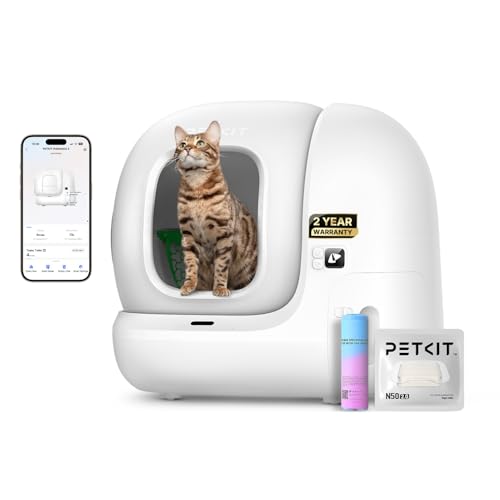
PETKIT PuraMax 2 Automatic Self-Cleaning Litter Box

PetPivot Open Top Self Cleaning Cat Litter Box

CATLINK Open-X Self Cleaning Cat Litter Box

Invengo Open-Top Automatic Cat Litter Box 10.5L Bin

vivirata Self Cleaning Litter Box with App Control
More On The Choices That Made The List
The headline here is sheer volume: a 65-liter toilet area paired with a 9-liter waste compartment, which is generous even by multi-cat standards. Instead of a pull-out drawer, this 2026 model collects waste in an integrated all-in-one system, and the listing emphasizes a design intended to keep cats from being trapped during cycles.
In a three-cat household, that capacity translates to fewer bin trips per week and less daily attention. Three liner rolls and an odor eliminator ship in the box, so you can run it out of the gate without extra purchases.
Real-World Strengths
- 65L of interior space gives several cats room to turn around comfortably, reducing avoidance behavior in busy homes.
- The combined waste-disposal design replaces drawer scooping, so emptying is one contained step rather than a messy tray shuffle.
- App control lets you trigger or schedule cleans from work, handy when guests are coming over.
- Bundled liners and deodorizer mean lower first-month running costs than most rivals here.
Things To Consider
- The large footprint demands real floor space; measure your corner before committing.
- Liner rolls are consumables, and owners commonly report budgeting for replacements as an ongoing cost.
Key Specs
Who It Suits Best
Homes with two or more cats that want maximum capacity and minimal weekly maintenance.
A Better Fit Elsewhere
Single-cat owners who prioritize health analytics will get more value from the CATLINK Open-X below.
Where the DuckSky chases capacity, the Lohhuby keeps things modest and approachable. Its open-style chamber targets medium cats and kittens specifically, and the white finish blends into bright bathrooms better than the usual grey plastic. An anti-pinch mechanism and quiet operation round out a package aimed at nervous first-time users of automation.
One practical note: connectivity runs on 2.4GHz Wi-Fi only, so older routers with dual-band steering occasionally cause pairing hiccups. Worth checking your network before ordering.
A Few Strong Suits
- The open design offers easy access for smaller or hesitant cats, which matters during the transition from a traditional box.
- App control delivers real-time cleaning updates and remote scheduling, useful for people away from home much of the day.
- Anti-pinch protection adds a layer of reassurance around curious kittens.
Worth Noting
- Availability has been inconsistent at times, so confirm stock before planning a switch from your current box.
- 2.4GHz-only Wi-Fi can frustrate households running mesh systems that default to 5GHz bands.
- Cats above the medium size range may find the chamber snug compared with the Mimfam AS11’s wider entry.
Made For
Apartment dwellers with one or two small-to-medium cats stepping up to their first automated box.
Skip It When
Large-breed cat owners should look at the PetPivot instead, whose open top and access step suit bigger frames.
Some cats bolt at the first mechanical whir. The Mimfam AS11 runs at roughly 32 decibels, close to a soft whisper, which makes overnight cleaning cycles a non-event for light sleepers and skittish pets alike. That alone earns it a spot for bedrooms-adjacent placement.
The top entrance measures 16.33 by 15.35 inches, noticeably welcoming next to the Lohhuby’s tighter opening. Four pairs of infrared sensors plus three hall sensors pause any cycle the moment a cat steps inside, resuming only after exit.
The Practical Payoff
- A 10L waste container means a single cat can go up to ten days between manual empties, and multi-cat homes still stretch days per trip.
- The oversized top entry suits larger breeds and older joints better than front-hatch designs.
- Seven total sensors create layered shutdown protection, a spec most budget units don’t match.
- Liner bags and a litter mat come included, trimming startup costs.
Small Caveats
- Top-entry layouts can challenge kittens or arthritic cats until they learn the jump, though the wide rim helps.
- Removable bins still need a periodic wash; residue buildup in seams is a common complaint across this category generally.
Feature Snapshot
Right Fit For
Multi-cat homes where noise sensitivity and safety redundancy rank above smart features.
Another Choice May Suit
Owners wanting app-based health reports will find the Invengo more informative for similar money.
PETKIT brings established-brand polish to this list. The PuraMax 2 pairs a sealed waste bin with its N50 2.0 odor remover, a combination that attacks smells at two points instead of relying on liners alone. For studio apartments or boxes living near living rooms, that dual approach is the difference you notice walking in the door.
The basic bundle ships generously: trash bags, a litter sifter, a magnetic litter remover, and a low entrance that helps shorter cats climb in. Setup guidance matters here, since PETKIT specifies a flat, hard floor away from carpets because rugs can confuse the sensors.
The Upside
- Sealed bin plus N50 2.0 remover delivers layered odor control that outperforms single-method designs.
- Works with most clumping litters, so you aren’t locked into proprietary refill purchases.
- Anti-leakage construction and a low entrance serve both cleanliness and accessibility.
- The accessory bundle covers bags, sifting, and stuck-litter removal from day one.
Points To Note
- This version doesn’t support the K3 Smart Spray add-on, so skip it if that accessory is on your wishlist.
- Carpet placement interferes with sensing, limiting where the unit can live in rug-heavy homes.
- Accessories arrive packed inside the waste bin, which surprises some new owners during unboxing.
Core Details
Who Will Love This
Apartment residents and odor-sensitive households wanting a polished, well-supported ecosystem.
Reach For A Different Pick When
Budget-first shoppers get comparable core function from the vivirata model reviewed later in this list.
Not everyone wants another app. The PetPivot operates entirely standalone: no downloads, no subscriptions, no connectivity worries. Senior pet owners and anyone tired of account creation will appreciate a set-and-forget machine that just runs its cycle.
Safety hardware is the deepest on this list. Seven pairs of infrared sensors provide coverage, backed by a touch-sensitive pedal that interrupts motion on contact and a mechanical limiter as a final physical stop. That triple-layer stack reads like engineering borrowed from heavier machinery, applied here to feline peace of mind.
A Favorable Mix
- Seven infrared sensor pairs give fuller body detection than the four-pair arrays on cheaper units.
- An included access step creates a stable climbing path for senior or mobility-limited cats.
- Tool-free modular disassembly takes seconds, making deep cleans of sensor cavities and seams realistic.
- Zero app dependency removes subscription costs and firmware-update anxiety entirely.
Less Ideal Details
- No remote monitoring means no travel alerts; you’ll discover a full bin in person.
- Modular parts mean more pieces to rinse during monthly deep cleans, though reassembly is quick.
Who Should Grab It
Older owners, tech-averse households, and families caring for senior cats who need assisted entry.
Swap It Out When
Frequent travelers who want phone alerts should choose the Invengo, whose app sends full-bin notifications anywhere.
Cats are notorious for hiding urinary trouble until it’s serious. The CATLINK Open-X addresses that head-on for single-cat homes, logging bathroom habits, separating pee events from poop events, and generating daily and weekly health reports. Owners of cats that barely drink water often cite this tracking as the reason they chose CATLINK over every rival here.
Connectivity is also a cut above: the unit supports both 5GHz and 2.4GHz Wi-Fi, sidestepping the band headaches that plague the Lohhuby and PETKIT on mesh networks. Multiple size configurations exist, including kits sized for multi-cat use.
Strengths Worth Knowing
- Daily and weekly health reports flag changes in bathroom frequency early, valuable for hydration-averse cats.
- Dual-band Wi-Fi support makes setup painless on modern routers.
- Size variants let you match the unit to one cat or several without overbuying.
Factors To Consider
- Multi-cat recognition requires a one-time paid unlock in the app, an extra cost many competitors bundle free.
- Health-tracking depth is designed around single-cat households, so data gets murky with shared use unless you pay for recognition.
Quick Facts
Who It Suits Best
Data-minded owners of one cat, particularly those managing hydration or urinary concerns under vet guidance.
Consider Something Else When
Multi-cat homes unwilling to pay for recognition features fit the Mimfam AS11’s sensor-heavy, no-subscription approach better.
Kittens grow fast, and few boxes accommodate the whole journey. The Invengo supports cats from 3.3 to 27.6 pounds, covering everything from a newly adopted kitten to a hefty adult Maine Coon. That range, plus an ultra-quiet motor, makes it a strong long-term single purchase rather than a stopgap.
The 10.5L waste bin includes odor control, and two garbage-bag rolls ship in the box. Through the 2.4GHz app you can schedule cleans, track litter usage, and receive alerts when the bin fills, a genuine convenience on week-long trips.
Features That Help
- The 3.3 to 27.6-pound weight window means one unit serves a cat from kittenhood through adulthood.
- Full-bin push alerts remove the guesswork on emptying timing, especially useful while traveling.
- Wide entry and airy open-top layout improve airflow, keeping the chamber fresher between cycles.
- Litter usage tracking helps you anticipate refills before the pan runs shallow.
Details To Watch
- Like the Lohhuby and PETKIT, it connects on 2.4GHz only, which can complicate mesh-router setups.
- Bag rolls are consumables; owners typically restock them alongside litter orders.
Essential Details
Best Suited To
New kitten adopters planning to keep one box for years, and travelers who want remote alerts.
Not Your Match When
Households avoiding apps altogether will prefer the standalone PetPivot with its mechanical safety stack.
First steps into automation shouldn’t require a manual marathon. The vivirata keeps the feature set focused: infrared and weight sensors that pause the mechanism whenever your cat enters, plus an app for scheduling and status checks. A litter mat ships alongside the unit, one less separate purchase.
Customization is where it quietly earns its keep. You can adjust clumping wait time, enable a dedicated Kitten Mode for young or small cats, and activate Sleep Mode so night cycles stay silent. Those modes matter more than raw specs for households easing a nervous cat into automation.
What Earns Its Place
- Dual infrared-plus-weight sensing pauses operation on entry, protecting pets of any age or size.
- Kitten Mode and Sleep Mode tailor behavior to young cats and nighttime routines without fiddling.
- Adjustable clumping time lets you match the cycle to your specific litter’s setting speed.
- Full-bin reminders arrive through the app, preventing overflow surprises.
Some Limits To Know
- Capacity details aren’t published prominently, so verify chamber size against your cat’s frame before ordering.
- As with most units here, the mat and any liners need regular washing or replacement to keep odors down.
The Right Fit
First-time automated-box owners with one young or cautious cat who want guided modes over raw power.
Look Elsewhere When
Two-plus cat homes needing documented high capacity should step up to the DuckSky’s 65-liter chamber.
What Matters Most Before Choosing Self-Cleaning Electric Cat Litter Boxes
Size And Entry Style
Measure your cat against the chamber, not the product photo. Large breeds like Ragdolls need wide openings such as the Mimfam’s 16-inch top entry, while kittens benefit from low entrances and dedicated modes. Open-top designs also vent better, which slows odor buildup between cycles.
Sensor Redundancy
Safety hardware varies wildly. Entry-level units run one or two sensor types; stronger picks layer infrared pairs, hall sensors, weight plates, touch pedals, and mechanical limiters. More layers mean faster stops when a curious paw reappears mid-cycle, and that margin matters most in homes with kittens or senior cats.
Connectivity Reality
Most budget models connect on 2.4GHz Wi-Fi only, which conflicts with some mesh routers that auto-steer devices to 5GHz. Dual-band support, as on the CATLINK, removes that friction. Decide honestly whether you’ll use the app; if not, an app-free unit saves money and complexity.
Ongoing Costs
Every automated box consumes something: liner bags, odor cartridges, or proprietary accessories. Factor those recurring purchases into the true cost of ownership before comparing sticker prices, because a cheap unit with expensive refills can cost more within a year.
Key Considerations Across These Picks
Traps First Timers Fall Into
The classic error is buying for today’s cat instead of tomorrow’s. A kitten-sized chamber becomes cramped within months, forcing a second purchase. Another frequent misstep: placing the unit on carpet, which interferes with weight sensors and triggers false readings. Flat, hard flooring near an outlet is the safe bet. Skipping the transition period causes problems too; most cats need a week of coexistence with their old box before accepting automation.
What Separates Premium From Basic
Higher-tier models spend their budget on three things: deeper sensor stacks, quieter motors, and smarter software. A 32-decibel motor and seven sensor pairs cost more to build than a single infrared eye, and health-report algorithms add development expense. Paying up makes sense for multi-cat homes, anxious cats, or owners managing medical conditions. For a single healthy adult cat, a simpler unit often covers everything you actually need.
Frequently Asked Questions
Do self-cleaning litter boxes work with any cat litter?
Most clumping litters work, though crystal and non-clumping varieties often cause sifting failures. Always check the manufacturer’s compatibility notes before switching brands.
How often do I empty the waste bin?
It depends on cat count and bin size. Single-cat homes with a 10L container commonly stretch a week or more, while multi-cat households may empty every two to three days.
Are these boxes safe to leave running unsupervised?
Modern units pause automatically when sensors detect a cat inside. Layered systems with multiple sensor types offer the strongest protection, especially for kittens.
Will my cat actually use an automatic litter box?
Most cats adjust within one to two weeks when the old box remains available during transition. Placing the unit where the previous box sat speeds acceptance considerably.
Do they eliminate litter box odor completely?
No unit eliminates odor entirely, but sealed bins, carbon filters, and deodorizers reduce it dramatically. Regular deep cleaning of the chamber still matters.
Closing Remarks
Scooping is optional in 2026, and the right box depends mostly on your household shape. Multi-cat homes should lean toward the DuckSky’s capacity, single-cat owners toward CATLINK’s health tracking, and app-averse households toward the PetPivot. Match the chamber to your cat, place it on hard flooring, and give your pet a patient transition week. The payoff is a cleaner home and mornings without a scoop in hand.
