

Small senior dogs burn energy differently than they did at two years old, and their jaws, joints, and stomachs change right along with them. The right food keeps a twelve-year-old Chihuahua eating with enthusiasm instead of picking at the bowl. This shortlist covers dry and wet options built specifically for aging small breeds, from budget-friendly kibble to premium multi-protein recipes. Each entry notes who it suits best and where a different pick makes more sense.
How The Shortlist Stacks Up
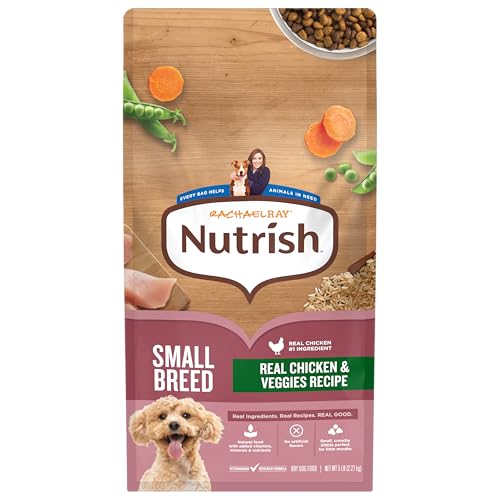
Nutrish Small Breed Dry Dog Food with Chicken, 5 lb Bag

Optimeal Wet Dog Food Small Breed Variety Pack

Royal Canin X-Small Aging 12+ Senior Dry Dog Food, 2.5 lb

Purina Pro Plan Classic Pate Senior Dog Food, 13 oz

Fromm Reduced Activity Senior Gold Premium Dog Food, 5 lb

Hill’s Science Diet Adult 7+ Senior Vitality Small & Mini Wet Food

Purina Pro Plan Small Breed Senior Shredded Blend, 6 lb

Now Fresh Small Breed Senior Dry Dog Food, Turkey Salmon & Duck
The Details Behind The Selections
This is the straightforward option on the list: real chicken listed first, no artificial flavors, and kibble sized for little mouths. For households feeding a healthy adult-to-senior small dog without special dietary needs, it covers the daily basics without fuss.
The five-pound bag also suits apartment dwellers short on storage space, since it fits a cabinet shelf easily. A portion of proceeds supports animal welfare through the Rachael Ray Foundation, which some owners appreciate as a quiet bonus.
The Case For It
- Chicken leads the ingredient list, giving small dogs a familiar protein most tolerate well
- Small crunchy pieces suit tiny jaws, and many owners of fussy eaters report bowls getting finished
- Veterinarian-reviewed formula with added vitamins and minerals for complete daily meals
- No artificial flavors, which matters for dogs with touchy digestion
Things To Consider
- Crunchy-only texture can challenge seniors with dental wear; softening with warm water helps
- Once opened, the bag needs an airtight container to keep the small kibble fresh in humid kitchens
Key Specs
Who It Suits Best
Owners of generally healthy small-breed adults and early seniors who want a dependable, affordable staple.
A Better Fit Elsewhere
Dogs past age twelve with dental trouble will do better on the Royal Canin X-Small Aging 12+, whose kibble softens in water.
Where the Nutrish bag leans on crunch, this pouch format goes the other way entirely: tender morsels suspended in aspic, a savory gel that locks in moisture and flavor. Grain-free and high in animal protein, it targets small dogs whose appetites fade with age.
The three-ounce single-serve pouches mean no half-open cans drying out in the fridge, which is genuinely handy for anyone juggling medications and mealtimes. Prebiotic FOS, a fiber that feeds beneficial gut bacteria, rounds out a formula aimed at easy digestion.
Strong Points
- Omega-3 and omega-6 fatty acids support skin and coat condition over weeks of feeding
- Highly digestible proteins plus prebiotic FOS suit small breeds with sensitive stomachs
- Single-serve pouches eliminate leftovers and portion guesswork entirely
- Soft texture works well for seniors with missing teeth or gum sensitivity
Worth Noting
- Wet food costs more per calorie than kibble, so full-time feeding adds up faster than a dry diet
- Some owners use it as a topper rather than a sole meal to stretch the box further
Right Fit For
Owners of picky or tooth-sensitive small seniors who want zero prep and reliable palatability at every meal.
Skip It When
Budget-focused feeders with hearty eaters may prefer the Purina Pro Plan Small Breed Senior Shredded Blend instead.
Royal Canin built this recipe for a narrow band of dogs: extra-small breeds up to eight pounds, aged twelve and beyond. That precision shows up everywhere, from mineral levels tuned for aging kidneys and heart function to antioxidants like vitamins C and E chosen for immune support.
The standout detail is practical rather than nutritional. The kibble softens in water, turning a crunchy meal into something a dog with worn teeth can actually manage. Pairing it with a matching wet food adds hydration, which older toy breeds often need encouragement to get.
Practical Advantages
- Kibble softens with water, solving the chewing problem many very old dogs face
- Clinically proven antioxidant blend supports immune health in the oldest small dogs
- Tuned minerals and amino acids address kidney and heart concerns common at this life stage
- Prebiotics feed gut bacteria for steadier digestion
Points To Note
- The 2.5 lb bag runs small, so multi-dog homes reorder more often than with larger bags
- Formulated strictly for dogs up to 8 lbs, so slightly bigger small breeds need a different formula
At A Glance
Who Will Love This
Owners of geriatric toy breeds under eight pounds whose chewing ability or appetite has started slipping.
Another Choice May Suit
Younger seniors around seven years old are better served by the Hill’s Science Diet Adult 7+ Senior Vitality line, designed for that earlier stage.
Compared with the Optimeal pouches, this is the heartier wet option: a smooth chicken-and-rice pate in a full thirteen-ounce can, made for dogs seven years and up. Real chicken leads the formula, with protein levels set to help seniors hold onto muscle mass as activity drops.
Production happens in Purina-owned U.S. facilities, a supply-chain detail some owners weigh heavily. With twenty-three essential vitamins and minerals and no artificial colors, flavors, or preservatives, the label reads clean without venturing into boutique pricing.
The Helpful Details
- High protein from real chicken helps maintain ideal body condition in slower-moving seniors
- Smooth pate requires almost no chewing, a relief for dogs with dental disease
- Chicken and rice combination is a classic pairing for stomachs that protest richer foods
- Nutrients support both immune function and skin and coat condition
Some Limits To Know
- A 13 oz can is large for a five-pound dog; opened portions need refrigeration and finish within days
- Pate texture leaves no crunch, so dental-minded owners may still want a kibble component
Made For
Owners of seniors seven and older who need a soft, protein-forward main meal in a widely available format.
Reach For A Different Pick When
Toy-breed owners wanting pre-portioned servings will find the Optimeal Wet Dog Food Variety Pack’s 3 oz pouches far less wasteful.
Fromm Family Foods has been making pet food in Wisconsin since 1904, and this fifth-generation operation brings a craftsman’s approach to the senior category. Three proteins appear here: chicken, duck, and lamb, all selected for digestibility and the amino acids muscles and metabolism rely on.
The “reduced activity” framing matters. Less active and senior dogs gain weight easily, and a formula calibrated for their slower metabolism helps keep body condition in check. Whole grains contribute complex carbohydrates, fiber, and a spread of vitamins and minerals rather than empty filler calories.
Standout Benefits
- Triple-protein blend (chicken, duck, lamb) supplies varied amino acids for muscle maintenance
- Calibrated for reduced activity, helping sedentary seniors avoid unwanted weight gain
- Whole grains deliver steady energy and fiber for digestive regularity
- Meets AAFCO nutrient profiles for maintenance, a baseline worth checking on any senior food
- Family-owned production with a long track record appeals to ingredient-conscious owners
Trade Offs
- Premium positioning means a higher cost per pound than mainstream grocery brands
- Standard-size kibble may still need softening for dogs with significant dental wear
Feature Rundown
Whose Shelf It Belongs On
Owners of medium and small seniors who have slowed down and need calorie-appropriate nutrition from a premium kitchen.
Swap It Out When
Grain-sensitive dogs do better on the grain-free Now Fresh Small Breed Senior recipe later in this list.
Hill’s takes a different angle from the rest of this list: cognitive vitality. A proprietary blend in this chicken and vegetable stew targets brain function, energy, and everyday engagement, the qualities owners notice fading first in a seven-plus-year-old small dog.
The stew format sits between pate and chunks, offering moisture and aroma that tempt declining appetites. Omega-3 and omega-6 fatty acids handle coat health, while easily digestible ingredients respect a mature stomach. Hill’s also carries the distinction of being the brand U.S. veterinarians recommend most, according to the company.
What Works In Its Favor
- Proprietary blend supports brain function and energy, not just physical maintenance
- Omega fatty acids promote a healthy coat through regular feeding
- Gentle ingredients formulated for mature digestive systems
- Moist stew texture encourages hydration and interest at mealtime
A Few Limitations
- Wet-only feeding gets expensive for larger appetites; many owners mix it with dry kibble
- Open cans require prompt refrigeration and quick use, a routine some households find tedious
Who Should Grab It
Owners of small and mini seniors showing early mental dullness or low energy who want targeted vitality support.
Consider Something Else When
Dogs already past twelve with dental issues fit the Royal Canin X-Small Aging 12+ better, thanks to its water-softenable kibble.
This is the joint-health specialist of the dry options. Glucosamine, a compound that supports cartilage, pairs with EPA, an omega-3 fatty acid, to back up mobility in small-breed seniors whose hips and knees start complaining around age seven.
The shredded blend texture mixes soft shreds with crunchy kibble, a combination many dogs find more interesting than uniform pieces. High protein from real chicken supports muscle and heart health, and the six-pound bag strikes a sensible middle ground between freshness and fewer reorders.
Useful Strengths
- Glucosamine and EPA directly target joint comfort and mobility in aging small dogs
- Shredded-plus-kibble texture boosts palatability for hesitant eaters
- Real chicken leads a high-protein formula supporting muscle and cardiac health
- Available in larger sizes for long-term feeding plans
Details To Watch
- Shredded pieces can leave crumbs at the bottom of the bag; a sealed container keeps things tidy
- Contains grains, so grain-restricted diets need a different route
Quick Facts
Built With In Mind
Owners of stiff or slowing small-breed seniors who want visible mobility support in a daily kibble.
Not Your Match When
Very old toy breeds struggling with hard kibble belong on the Royal Canin X-Small Aging 12+ instead.
Chicken allergies and intolerances show up often in senior small breeds, and this is the list’s answer. Now Fresh builds its senior recipe entirely on fresh de-boned turkey, salmon, and duck, delivering a highly digestible multi-protein base with zero chicken.
Digestion gets serious attention here: fiber-rich sweet potato and pumpkin sit alongside added probiotics, live beneficial bacteria that support gut balance and stool quality. Tiny kibble suits toy breeds from Yorkies to Maltese, and moderate protein and fat levels help manage weight in less active golden-years dogs.
Everyday Wins
- Chicken-free turkey, salmon, and duck recipe opens the door for sensitive dogs
- Probiotics plus pumpkin and sweet potato support digestion and stool consistency
- Tiny kibble sized for toy and small breed jaws
- Moderate protein and fat help keep senior weight in check
Practical Considerations
- Fresh-meat recipes can carry a shorter shelf appeal once opened; an airtight bin preserves aroma
- Premium formulation prices above mainstream senior kibbles like the Nutrish option
Core Details
The Right Fit
Owners of chicken-sensitive toy and small breed seniors who want premium, digestion-forward nutrition.
Where A Sibling Pick Shines
Budget-first households with tolerant dogs will find the Nutrish Small Breed Chicken recipe covers essentials at a friendlier cost.
What Matters Most Before Choosing Senior Small Breed Dog Foods
Match The Life Stage Precisely
Senior labels start anywhere from seven to twelve years depending on the brand, so read the age range before committing. A seven-year-old Shih Tzu and a fourteen-year-old Chihuahua have different metabolic and dental needs. Formulas tuned to the exact stage, like the Royal Canin 12+ recipe, justify themselves only when your dog actually fits that window.
Texture Decides Whether The Bowl Empties
Dental wear is nearly universal in older small breeds. Water-softenable kibble, pate, stew, and shredded blends each solve the problem differently. Watch how your dog eats for a week before switching; hesitation, head tilting, or dropping pieces usually points to a texture issue rather than a flavor one.
Protein And Calories Work Together
Aging dogs need adequate protein to preserve muscle but fewer calories overall because activity drops. Look for named animal proteins leading the ingredient list and formulas explicitly calibrated for reduced activity, such as the Fromm Senior Gold. Weight creep sneaks up fast in a five-pound dog where one extra pound is a twenty percent increase.
Digestive Support Pays Dividends
Prebiotics, probiotics, pumpkin, and easily digestible proteins reduce the loose-stool episodes that complicate senior care. Dogs with known sensitivities benefit most from limited or novel protein recipes.
Key Considerations Across These Picks
Traps First Timers Fall Into
Switching foods overnight is the classic error; transition over seven to ten days by blending increasing amounts of the new food into the old. Another slip is buying a huge bag of a new recipe before confirming your dog accepts it. Start small, then scale up once the bowl keeps coming back empty.
What Separates Premium From Basic
Higher-tier foods spend their budget on named fresh meats, targeted additives like glucosamine and probiotics, and tighter quality control. Basic formulas meet daily needs affordably but offer less precision. The upgrade earns its keep when your dog has sensitivities, joint stiffness, or a fading appetite that generic kibble no longer excites.
Frequently Asked Questions
When should a small breed dog switch to senior food?
Most small breeds transition around seven years old, though toy breeds often age more slowly. Your veterinarian can pinpoint timing based on weight, teeth, and activity level.
Can I mix wet and dry senior dog foods?
Yes, mixed feeding is common and adds hydration plus variety. Keep total calories consistent so the combination doesn’t cause gradual weight gain.
Is grain-free necessary for senior small breeds?
No, unless your dog has a diagnosed sensitivity. Whole grains provide useful fiber and energy, as seen in the Fromm recipe.
How do I help a senior dog with bad teeth eat kibble?
Choose soft-textured foods or soften kibble with warm water. The Royal Canin X-Small Aging 12+ is designed to be served this way.
How slowly should I transition between foods?
Plan on seven to ten days, gradually shifting the ratio toward the new food. Slower transitions reduce stomach upset, especially in older digestive systems.
Closing Thoughts
Feeding a senior small breed well comes down to matching texture, protein, and calories to the dog actually sitting in front of you. A healthy seven-year-old may thrive on the Nutrish staple, while a fourteen-year-old Yorkie needs the gentler approach of Royal Canin or a soft Optimeal pouch. Start with your dog’s current challenges, transition slowly, and let appetite and energy tell you whether the choice landed.
