

A dog that barks at every passing car can strain your patience and your relationship with the neighbors. The right anti-bark collar gives you a training tool that corrects the behavior without constant supervision. This roundup covers eight options across different budgets, sizes, and correction styles so you can match one to your dog’s temperament.
A Fast Comparison Of The Options

Keoge Smart Bark Collar 2 Pack (Black)

ODIFRBI Rechargeable Anti Bark Collar 8-120lbs

Tallentrol 2-in-1 Bark & Shock Collar with Remote

Svtrat Smart Anti Bark Collar
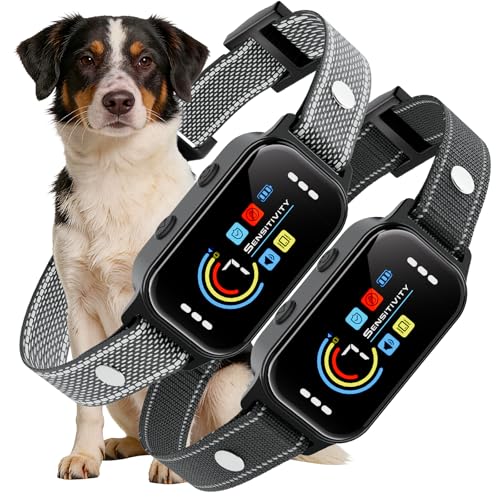
Koguzl Auto Anti Barking Collar 2 Pack

Kollgux Instant Bark Solution
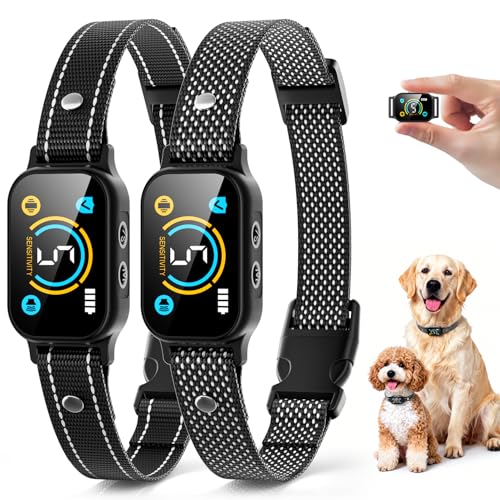
ianciu Ultra-Light Bark Collar 2 Pack (Black)

Dogtra Smart NOBARK E-Collar
Inside Each Recommended Option
Two collars for the price of one changes the math in a two-dog house. The Keoge pack targets small, medium, and large breeds with an adjustable strap, and the reflective nylon stitching adds visibility on evening walks around the block.
Correction stays gentle here: beep, vibration, or both together, with five sensitivity steps to tune how easily the unit triggers. In our view, that makes it a sensible starting point before anything stronger.
Bright Spots
- Two complete collars mean matching gear for a second dog without a separate purchase.
- Reflective double stitching keeps your dog visible during low-light walks.
- Five sensitivity levels let you dial response down for quiet neighborhoods or up for busy streets.
- Beep-only mode works as a warning step many dogs learn from quickly.
Things To Consider
- The strap needs periodic checking for wear where it passes through the buckle, a common spot on nylon collars.
- No waterproof rating is listed, so rainy-day use calls for caution.
Who It Suits Best
Homes with two barking dogs of any size that want consistent, humane correction on a budget.
A Better Fit Elsewhere
Owners wanting rechargeable convenience and water resistance should look at the ODIFRBI collar instead.
Some collars bury you in menus; this one runs on two buttons total. One handles power plus sensitivity, the other cycles four training modes, which matters when you’re fumbling with a wiggling dog at 6 a.m.
The IP67 rating means dust-tight construction and protection against water immersion, so backyard rain sessions won’t kill the unit. Seven sensitivity levels span dogs from 8 to 120 pounds, though the maker notes very small dogs aren’t the target here.
Useful Touches
- IP67 sealing survives splashes, mud, and wet grass better than unsealed budget units.
- Two-button control removes guesswork during quick adjustments.
- Seven sensitivity steps cover everything from a beagle to a mastiff.
- Rechargeable battery cuts the ongoing cost of replacement cells.
Small Caveats
- The manufacturer advises against use on very small dogs, so toy breeds need another option.
- Charging port covers are a known weak point on sealed collars; keep them seated after each charge.
At A Glance
Made For
First-time collar owners who want set-and-forget simplicity with weatherproof durability built in.
Where A Sibling Pick Shines
Anyone needing remote-controlled command training alongside bark correction will get more from the Tallentrol combo unit.
Most anti-bark collars only react; this Tallentrol also obeys. Flip it into auto mode and it detects barking on its own, then switch to remote mode for recall and command work at distances up to 3300 feet, roughly half a mile.
That dual role suits acreage living where your dog roams beyond voice range. Battery life is generous too: the remote holds up to 180 days per charge and the receiver about 40, with a full top-up taking just two hours.
The Helpful Details
- Auto anti-bark mode works hands-free while remote mode adds off-leash training range.
- A dedicated shock-off button lets you run beep and vibration exclusively.
- Power-on lock prevents accidental activation inside a bag or drawer.
- IPX7 waterproofing handles swimming and heavy rain.
- Two-hour charging keeps downtime short between sessions.
Points To Note
- More modes mean more setup time than single-purpose collars like the Svtrat.
- The receiver’s bulk may sit heavily on dogs at the lower end of the 5-pound range.
Feature Rundown
Right Fit For
Rural owners and hunters who want bark control and long-range command training in a single receiver.
Swap It Out When
Apartment dwellers who never train off-leash will find the simpler ianciu collar easier to live with daily.
The standout feature here is a safety pause. Trigger more than seven times within 30 seconds and the collar shuts itself off for two minutes, showing an “E” on its display until you restart it. That guardrail protects anxious dogs from correction loops.
Its recognition chip also filters out neighboring dogs’ barking, so your dog isn’t punished for someone else’s noise. Four modes split evenly between no-shock options and shock combinations, each with seven intensity and seven sensitivity settings.
Why It Works Well
- Automatic timeout stops overcorrection during panic-barking episodes.
- Bark-recognition chip ignores other dogs, cutting false corrections in multi-pet buildings.
- Four distinct modes let you graduate from beep-only upward as needed.
- Digital display shows status at a glance instead of blinking-code guessing.
Less Ideal Details
- The two-minute lockout requires a manual restart, which is awkward mid-walk.
- Contact points need weekly cleaning to maintain reliable skin contact, standard for any static collar.
Quick Facts
Who Will Love This
Owners of nervous or reactive dogs who want strong safeguards against excessive correction.
Reach For A Different Pick When
Households needing two collars at once will find better value in the Koguzl twin pack below.
Like the Keoge pair earlier, this is a two-collar bundle, but Koguzl stretches the fit range wider, from 11 pounds up to 120. That span means one spare collar can move between a terrier and a shepherd as your pack changes.
Operation leans simple: five training modes and seven sensitivity levels, all reachable through a single “M” button press. An anti-false-trigger chip is claimed to cut misfires substantially, which matters in homes where kids, TVs, and doorbells create constant audio clutter.
Advantages To Know
- 11-120 lb sizing fits most family dogs on one adjustable strap design.
- Single-button mode cycling keeps adjustments fast even for kids helping with training.
- Anti-misfire processing reduces corrections triggered by household noise rather than your dog.
- Five modes give room to start gentle and escalate only if needed.
What To Weigh
- Strap holes on adjustable nylon collars can fray over months of daily use; inspect monthly.
- With no remote function, you’re relying fully on automatic detection accuracy.
Whose Shelf It Belongs On
Busy families with multiple dogs of different sizes who want one straightforward system for everyone.
Consider Something Else When
Owners prioritizing skin comfort on short-coated dogs will prefer the seamless ianciu design further down.
Speed is this collar’s whole argument. Twin 12,000 RPM brushless motors drive its vibration response, which the maker credits with noticeably faster interruption than single-motor designs. For a dog that ramps from one bark to full chorus in seconds, that gap matters.
Four correction modes cover the usual ladder from beep through static, sized for dogs between 5 and 150 pounds. The honest read: brushless motors also run quieter and wear longer than brushed equivalents, a real durability advantage for daily outdoor use.
A Few Strong Suits
- Dual brushless motors deliver rapid vibration that interrupts escalating barking early.
- Brushless design typically outlasts brushed motors and runs with less noise.
- 5-150 lb range accommodates everything from corgis to giant breeds.
- Four modes suit both home and yard environments.
Factors To Consider
- Stronger vibration may startle timid dogs initially; begin on beep-only for a week.
- Motor housings collect fur and debris, so a quick wipe-down after muddy play keeps contacts clean.
The Right Fit
Owners of persistent outdoor barkers who need immediate interruption before neighbors hear the third woof.
Not Your Match When
For data-driven trainers who want app feedback, the Dogtra NOBARK offers far richer reporting.
Comfort is where cheap collars fail, usually at the seams. The ianciu units skip seams and pointed edges entirely, using a smooth back surface that sits flat against the coat. Owners of short-haired breeds commonly report fewer rub spots with this style of construction.
Weight matters just as much for a 10-pound dog, and these rank among the lighter options here. Correction tops out at beep plus vibration, no static at all, backed by an AI voice chip and motion sensors that ignore background noise and other animals.
The Case For It
- Seamless contact surface reduces chafing on delicate coats and skin.
- Ultra-light build suits puppies and toy breeds that reject heavier units.
- AI recognition plus motion sensing filters out TV noise and other dogs’ barking.
- Reflective nylon improves visibility on dark evening walks.
- Two collars cover a multi-dog home or provide a charged backup.
Room For Improvement
- No static mode limits options for deeply stubborn barkers.
- Vibration-only correction sometimes loses effectiveness on thick-coated necks; check contact fit regularly.
Core Details
Who Should Grab It
Owners of small or sensitive dogs who want effective correction without any static stimulation whatsoever.
Another Choice May Suit
Strong-willed large breeds often need the graduated static levels found on the Svtrat collar.
Dogtra brings professional-grade thinking to bark control. A triple-detection sequence verifies each vocalization, filtering head shakes and ambient sounds before any correction fires, and it even recognizes whining and howling alongside barking.
The companion app, usable within 33 feet, delivers usage notifications and behavior reports, turning raw corrections into trackable data. Once configured, the collar runs independently, so the app is optional rather than required. IPX9K waterproofing, the highest common rating, shrugs off high-pressure water.
The Good Stuff
- Triple verification dramatically reduces accidental corrections from motion or noise.
- Behavior reports let you measure progress week over week instead of guessing.
- Four modes include auto-increase, which escalates gradually until barking stops.
- IPX9K rating survives pressure washing and full submersion scenarios.
- Compact housing fits dogs as small as 10 pounds.
Trade Offs To Consider
- App features require staying within 33 feet, limiting remote monitoring.
- The premium cost buys capability some casual owners will never touch.
Technical Highlights
Built With In Mind
Committed trainers and behavior-focused owners who want documented progress and maximum correction accuracy.
Skip It When
Casual users wanting a basic beep-and-vibrate fix will be happier with the simpler Keoge two-pack.
What Matters Most Before Choosing Shock Collars For Barking
Match The Correction To The Temperament
A confident lab might shrug off vibration, while a shy sheltie can shut down from it. Start with beep-only modes and climb the ladder slowly, giving each level several days before escalating. Dogs under six months generally aren’t candidates for static correction at all.
Fit And Weight Decide Comfort
The collar should sit snug enough for contact points to reach skin, yet loose enough to slide two fingers underneath. Weigh your dog honestly; a unit built for 80-pound breeds will overwhelm a 15-pound frame regardless of its strap adjustment.
Detection Quality Prevents Unfair Corrections
Look for chips that combine sound with vibration sensing, since throat vibration confirms the bark came from your dog. Single-sensor collars fire at passing trucks, slamming doors, and other dogs, which confuses your pet and slows training.
Battery And Weather Realities
Rechargeable units save money over time but need a charging routine you’ll actually keep. Outdoor dogs need genuine waterproof ratings, not splash resistance, especially if they swim or play in sprinklers.
Key Considerations Across These Picks
Traps First Timers Fall Into
The biggest mistake is buying on size range alone and ignoring detection quality, then blaming the dog for false corrections. Another common slip: leaving the collar on 24 hours a day, which causes pressure sores. Rotate it off every few hours and check the neck weekly.
When Paying More Pays Off
Higher-tier models like the Dogtra justify their cost through verified detection, app reporting, and tougher waterproofing. Those features pay off for serious training programs or harsh climates. For a mild barker in a quiet suburb, a basic beep-and-vibrate unit does the job at a fraction of the spend.
Frequently Asked Questions
Are shock collars safe for controlling barking?
Modern units use low-level static designed to startle rather than punish, and most offer shock-free modes. Always start at the lowest setting and consult a trainer for anxious dogs.
How long does training with a bark collar take?
Many dogs respond within days, though lasting habits typically form over two to four weeks of consistent wear. Pair the collar with praise so your dog learns the quiet behavior, not just the avoidance.
Can one collar work for multiple dogs?
Only if they wear it separately, since correction must match the individual dog’s size and temperament. Two-dog bundles like the Keoge or Koguzl packs solve this cleanly.
Do bark collars work on whining and howling?
Standard models detect barking only, but advanced units such as the Dogtra NOBARK recognize whining and howling too. Check the detection specs before assuming coverage.
Should the collar stay on overnight?
Most manufacturers advise removing it during sleep to protect the skin and give the dog a break. Overnight use also risks false corrections from dreaming or repositioning.
Closing Thoughts
Every dog barks for a reason, and the best collar is the one that interrupts the habit without breaking your dog’s trust. Start gentle, fit it properly, and give the training a few weeks before judging results. One of these eight will fit your situation, your budget, and your dog’s personality.
