

A medium dog pulling toward every squirrel or barking through the fence line wears you down fast. A remote training collar gives you a way to redirect that energy from across the yard instead of chasing your dog around the block. The eight options below cover different needs, from two-dog households to rugged trail use, so you can match the tool to your actual routine rather than settling for whatever shows up first.
The Lineup, Simplified

Asrcs Dog Shock Collar with Remote Control, IPX7 Waterproof

Keoge Smart Dog Bark Collar 2 Pack

BLACKDOG Military Dog Shock Collar 4200ft (Dark Blue)

DDZ Dog Shock Collar with Remote Control, Grey
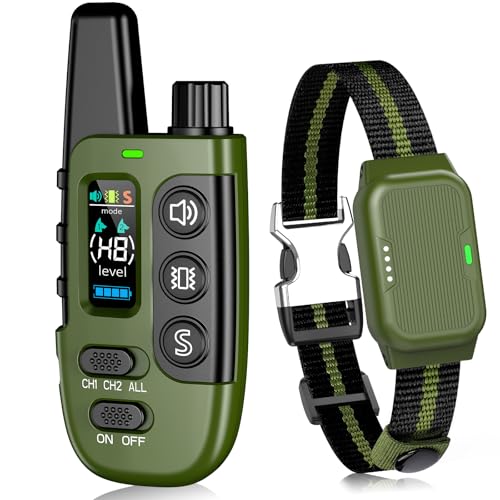
Snsng Dog Training Collar with Remote Control

Jugbow 4200FT Dog Training Collar with Remote
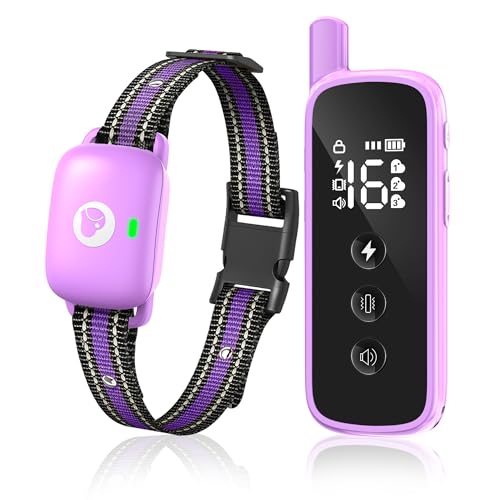
Heaflex Dog Training Collar 2600FT Purple

CIUZL Dog Shock Collar 2 Dogs 3300ft Orange
The Picks, Examined More Closely
This one covers a lot of ground without overcomplicating things. The 2000-foot range handles most suburban yards and open park sessions comfortably, and the four modes (flashlight, beep, vibration, adjustable static) give you room to start gentle and escalate only when needed.
Where it pulls ahead of the Keoge bark collar later in this list is active control: you decide when to cue, not an automatic sensor. Dual-channel support means up to four dogs can share one remote, which is rare at this tier and genuinely useful in busy multi-dog homes.
Standout Benefits
- 2000-foot range reaches across large yards and park distances without signal dropouts
- IPX7 waterproofing shrugs off rain, puddles, and swimming sessions
- Dual-channel remote trains multiple dogs from a single handset
- Rechargeable design cuts ongoing battery costs
- Flashlight mode doubles as a low-light locator on evening walks
Things To Consider
- Contact points need regular checking and cleaning to keep consistent skin contact, especially on thick-coated breeds
- Four-dog simultaneous training works best with dogs of similar temperament
Key Specs
Who It Suits Best
Owners of one to several medium or large dogs who want dependable waterproof performance for yard and park training.
A Better Fit Elsewhere
Shoppers wanting fully automatic bark response without a remote will get more from the Keoge Smart Dog Bark Collar 2 Pack.
Unlike the remote-driven Asrcs unit above, this Keoge set works hands-free: the collar detects barking itself and responds automatically. That makes it a strong fit for apartment dwellers dealing with noise complaints while they’re out of the house, since no human has to press a button for correction to happen.
You get two collars in the box, five sensitivity settings, and a mode ladder that runs from beep through vibration before any static option. The reflective nylon strap is a small but real safety win for evening walks along roads.
Useful Highlights
- Automatic detection corrects barking even when nobody’s home
- Two collars included, handy for a two-dog household
- Five sensitivity levels help avoid false triggers from other dogs’ barking
- Reflective stitching improves visibility after dark
Small Caveats
- Automatic triggers can’t distinguish anxious barking from nuisance barking, so sensitive dogs may need the lowest sensitivity setting
- Nylon straps collect dirt and odor over time and benefit from occasional hand washing
Right Fit For
Apartment and suburban owners whose main problem is barking specifically, especially with two dogs to cover.
Consider Something Else When
For leash pulling, recall work, or any behavior beyond barking, the DDZ remote collar below gives you direct command control.
Trail runners and hunters put gear through abuse that kills ordinary collars, and this Blackdog is built for exactly that crowd. The reinforced housing is rated to survive heavy crush force and repeated bite attempts, which matters when your dog chews at the receiver between commands.
Range is the headline number here: 4200 feet, more than double the Asrcs pick, with signal strength designed to punch through trees and rain. An ON/OFF safety switch prevents pocket activations, a detail anyone who’s carried a remote in a jacket will appreciate.
Positive Takeaways
- 4200-foot range suits beaches, fields, and dense woodland
- IP67 rating handles submersion up to a meter for 30 minutes
- Three-month battery life reduces charging chores on long trips
- Strobe and flashlight modes aid visibility in low light
- Safety switch stops accidental corrections in a pack pocket
Points To Note
- The ruggedized receiver adds bulk that smaller-framed medium dogs may find heavy during all-day wear
- Extra range only pays off in genuinely open terrain
Quick Facts
Made For
Outdoor enthusiasts who train in rough country and need hardware that survives water, mud, and determined chewing.
Swap It Out When
Suburban owners who rarely leave the backyard will find the lighter Jugbow collar more comfortable for daily wear.
Some first-time users don’t want a manual’s worth of modes, and the DDZ respects that. It strips the category back to essentials: a remote, an adjustable-level receiver, and a stable 2000-foot signal for yard and park work. Nothing here overwhelms.
That simplicity is also its ceiling. Compared with the Snsng model coming next, there’s less granularity in intensity steps and fewer extras like tone variety. In our view, that trade is worth it for anyone whose goal is basic recall and boundary training rather than fine-tuned behavior shaping.
Where It Delivers
- Adjustable levels support controlled, gradual correction
- 2000-foot range holds steady indoors and out
- Straightforward setup gets you training the same day
A Few Limitations
- Fewer published details on battery life and waterproofing than rivals, so verify fit for wet climates before committing
- Single-dog setup limits growing households
Who Will Love This
Beginners training one medium dog on basic commands who value clarity over feature depth.
Reach For A Different Pick When
Anyone needing precise intensity tuning for a skittish dog should step up to the Snsng training collar instead.
Intensity granularity is where this Snsng earns its spot. Beep comes in eight tones, vibration spans sixteen levels, and static runs from 1 to 99, letting you land on the mildest cue your dog actually notices. That range matters most for sensitive temperaments where one size never fits.
The dual-channel remote handles two dogs separately, and a 1+2 mode fires commands to both receivers at once, useful when two dogs bolt together. Against the Heaflex pick further down, you’re trading a lower price ceiling for far finer control.
Practical Advantages
- 99 static levels allow truly incremental adjustment
- Eight beep tones keep audio cues varied and fresh
- Dual channels manage two dogs independently
- 1+2 broadcast mode corrects both dogs simultaneously in urgent moments
What To Weigh
- Deep menu layers take a few sessions to memorize, so expect a short learning curve at the remote
- High level counts tempt some owners to overshoot; start low and climb slowly
Feature Snapshot
Who Should Grab It
Owners of reactive or easily startled medium dogs who need the mildest possible starting point and room to adjust upward.
Another Choice May Suit
Households prioritizing a lower entry cost over granular control will be happier with the Heaflex purple collar.
Comfort is the quiet advantage here. Jugbow shrank the receiver by roughly 30% versus typical designs, which translates into less neck bulk for a medium dog during walks, play, and naps. The handheld remote follows suit with an ergonomic shape and buttons placed well enough to operate without looking down.
Range matches the Blackdog at 4200 feet, though the build leans lighter-duty, so it favors neighborhood walks over rock scrambles. Owners commonly report the compact receiver sits better on shorter-necked breeds where bulkier units shift around.
Noteworthy Benefits
- Smaller, lighter receiver reduces strain during all-day wear
- Ergonomic remote enables blind operation mid-walk
- 4200-foot range covers large parks and open fields
Less Ideal Details
- Lighter construction suggests less crush resistance than the reinforced Blackdog casing
- Published detail on waterproofing and battery specs is thin, so confirm against your climate needs
The Right Fit
Daily walkers with medium dogs who want long-range capability without a bulky receiver hanging on the neck.
Look Elsewhere When
Rough-terrain users should stick with the BLACKDOG Military collar for its tougher housing and longer battery life.
Not everyone wants to spend much on a first training collar, and the Heaflex keeps the entry cost low while still covering the fundamentals. Its three modes top out at level 16 for both vibration and static, a deliberately modest ceiling that suits cautious owners worried about overdoing a correction.
The adjustable nylon strap fits necks from 6 to 27 inches across dogs weighing 10 to 120 pounds, and two sizes of silicone contact-point covers come included for coat length differences. That’s thoughtful packaging for a budget-tier item.
What It Does Well
- Capped 16-level maximum keeps corrections gentle by design
- Wide 10 to 120 lb fit range covers most medium breeds with room to spare
- Two silicone contact covers suit both short and thick coats
- 2600-foot range outpaces many pricier single-dog units
Trade Offs To Consider
- Upper intensity limit may feel too mild for very stubborn dogs in distracting environments
- Nylon straps fray faster than coated webbing and need periodic inspection
Core Details
Whose Shelf It Belongs On
Cautious first-time owners of a single medium dog who want a gentle, affordable introduction to remote training.
Not Your Match When
Two-dog homes should look at the CIUZL orange set below, which ships a true dual-receiver system.
Two dogs mean two very different temperaments, and the CIUZL remote is laid out for exactly that reality. Two rows of front-facing buttons map directly to each receiver, so correcting either dog takes zero menu navigation and no re-pairing between animals. It’s the cleanest two-dog workflow in this lineup.
Each mode scales sensibly too: beep runs 1 to 8, vibration 1 to 16, and static starts at 0, meaning you can issue a vibration-only session indefinitely. A built-in light on the receiver helps you spot your dog after dusk, something neither the Asrcs nor the Snsng includes on the collar itself.
Good Reasons To Consider
- Dedicated button rows per dog eliminate switching delays
- Static starts at level 0 for fully non-static sessions
- Receiver light aids nighttime location and roadside visibility
- 3300-foot range splits the difference between the Asrcs and Blackdog picks
Details To Watch
- Two receivers mean two charging routines to keep on schedule
- Button-dense remote takes a walk or two to operate from muscle memory
Product At A Glance
Built With In Mind
Households with two medium dogs trained together, particularly those walking both off-leash in open spaces.
Where A Sibling Pick Shines
Single-dog owners will find the simpler DDZ grey collar easier to live with day to day.
Choosing Between These Collars Without Guesswork
Match Range To Your Actual Space
A 2000-foot rating covers most suburban lots and park visits with margin to spare. Anything beyond 3000 feet earns its keep mainly on farms, beaches, and trail systems where your dog travels far from your side. Paying for range you’ll never use buys nothing.
Count Your Dogs Before You Count Features
Single-dog owners do best with straightforward remotes like the DDZ or Heaflex. Two-dog households should prioritize true dual-channel layouts, and the CIUZL’s per-dog button rows make simultaneous handling noticeably smoother than menu-based switching.
Start With The Mildest Mode Available
Most trainers begin with beep alone and add vibration only when needed. Static levels exist as a last resort, and models that start at zero, like the CIUZL, make shock-free training a realistic default rather than an afterthought.
Waterproofing Depends On Lifestyle
Dogs that swim, hike in rain, or play in sprinklers justify an IPX7 or IP67 rating. A mostly indoor companion can skip that premium entirely.
Key Considerations Across These Picks
Traps First Timers Fall Into
The most common mistake is buying maximum range and maximum intensity when a medium dog needs neither. Oversized receivers also sit poorly on shorter necks, causing inconsistent contact. Measure your dog’s neck first, then choose the smallest receiver that fits your training distance.
When Paying More Pays Off
Higher-tier models earn their cost through durability and battery life rather than raw power. The Blackdog’s reinforced casing and three-month battery matter for weekly trail use; for twice-a-day backyard sessions, a budget pick delivers nearly identical results.
Frequently Asked Questions
Are shock collars safe for medium-sized dogs?
Used at low levels with proper contact-point fit, modern e-collars are designed to deliver a startling sensation rather than pain. Always start with beep or vibration and consult a trainer for persistent behavioral issues.
How tight should the collar sit?
Aim for snug enough that contact points touch skin but loose enough to slide one or two fingers underneath. Too loose causes inconsistent signals; too tight risks irritation during long wear.
Can one remote really handle multiple dogs?
Yes, provided the system uses dedicated channels. Models like the Asrcs and CIUZL assign separate controls per receiver, so corrections go only to the intended dog.
Do these collars work for barking specifically?
Remote collars require you to press the button, so they’re indirect for barking. The Keoge automatic bark collar detects vocalization on its own and responds without any input from you.
How long does training typically take?
Most owners see improvement in basic recall within a few weeks of short, consistent sessions. Results vary widely by dog temperament, consistency, and whether positive reinforcement accompanies the cues.
Wrap Up
Your dog’s temperament, your property size, and how many tails share the house should drive this decision more than any spec sheet. Start gentle, measure the neck, and pick the simplest remote that covers your real training distance. Every collar above rewards patient, consistent use, and none of them replaces good old-fashioned praise and treats alongside the beeps.
