

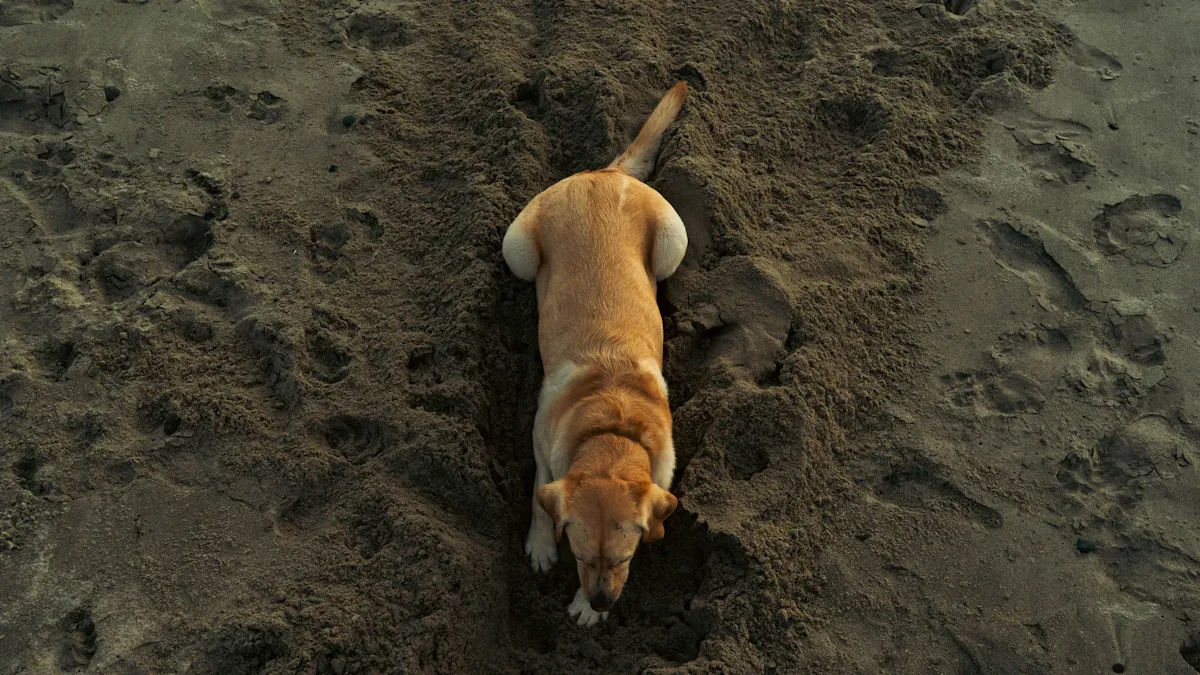
Imagine stepping into your backyard only to find your dog happily engaging in dog digging behavior. You might wonder, why do dogs dig? This behavior can stem from various motivations. Some common reasons behind dog digging behavior include instinctual traits, boredom, or even a desire for attention. Understanding these can help you manage your dog’s digging habits effectively.
Key Takeaways
Dogs dig due to instinctual behaviors inherited from their wild ancestors. Understanding this can help you manage their digging habits.
Boredom and lack of exercise can lead to increased digging. Engage your dog with regular walks and stimulating toys to keep them happy.
Anxiety and stress can trigger digging. Create a calm space for your dog to help them feel secure and reduce unwanted digging.
Instinctual Digging
Hunting and Foraging
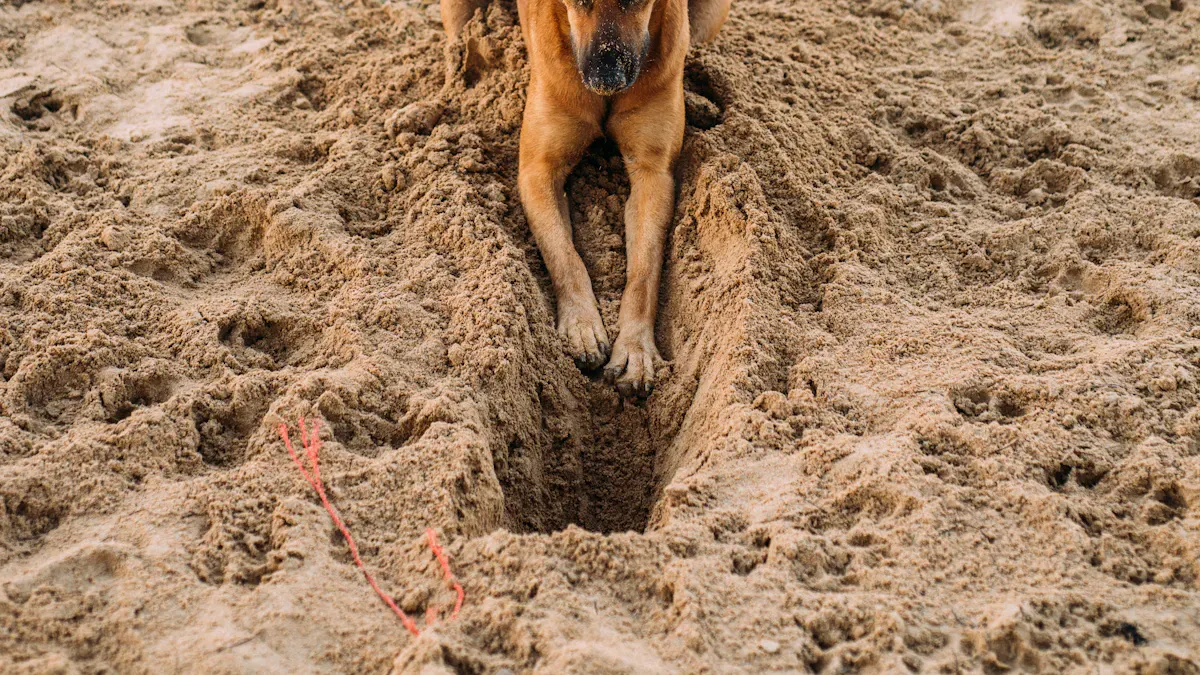
When you think about your dog’s digging habits, consider their wild ancestors. Dogs share a lineage with wolves and other canids, who rely on digging for survival. Wild canids, like red foxes and coyotes, dig intricate burrows to hunt for food and create shelters. For example, red foxes can dig burrows that extend 6-8 feet underground, featuring chambers for sleeping and storing food. This behavior illustrates how digging serves multiple purposes, from hunting to evading predators.
Your dog might not be hunting for food in the backyard, but their instincts still drive them to dig. Certain breeds, like terriers and dachshunds, have been bred specifically for their digging abilities. This genetic predisposition means that when your dog digs, they might be channeling their ancestral hunting and foraging instincts. You may notice them digging in search of small animals or even burying toys and food, reflecting natural behavior that connects them to their wild roots.
Denning Behavior
Denning behavior is another instinctual reason behind your dog’s digging. In the wild, canids dig to create safe spaces for resting and raising their young. This behavior is deeply embedded in their DNA. Even though domestic dogs have adapted to living with humans, they still exhibit these denning instincts. You might see your dog scratching at the ground or turning in circles before lying down, which are remnants of their ancestral habits.
Interestingly, free-ranging dogs often choose to den closer to humans than wolves do. This shift shows how domestication has influenced their behavior. While wolves prefer to stay away from human activities, dogs have adapted to seek comfort and safety near you. This change highlights their need for companionship and security, which can manifest in digging behavior.
Understanding these instinctual drives can help you manage your dog’s digging. By recognizing that digging is a natural behavior rooted in their history, you can provide them with appropriate outlets for their instincts. Whether it’s through play, exercise, or creating a designated digging area, you can help satisfy their needs while keeping your yard intact.
Digging Habit and Environmental Factors
Boredom and Lack of Exercise
If your dog spends too much time alone or lacks physical activity, you might notice them digging more often. Dogs need mental and physical stimulation to stay happy. When they don’t get enough exercise, they can become bored and restless. This boredom often leads to destructive behaviors, including digging.
To keep your dog engaged, consider taking them on long walks or visiting dog parks. You can also provide engaging toys, like puzzle feeders, to challenge their minds. Studies show that dogs who receive regular enrichment are less likely to dig. So, make sure to mix up their routine and keep things interesting!
Weather Effects
Weather can also play a significant role in your dog’s digging habits. During hot summer days, dogs may dig to find cooler soil. In contrast, when it’s cold, they might dig to create a warm, insulated space. Dogs instinctively seek comfort, and digging helps them regulate their temperature.
To help your dog cope with extreme weather, provide shade or cooling mats in the summer. In winter, ensure they have a cozy spot to rest. Keeping your yard secure can also prevent them from digging to escape harsh conditions. Remember, understanding these environmental factors can help you manage your dog’s digging habit effectively.
Emotional Needs and Digging Behavior
Anxiety and Stress
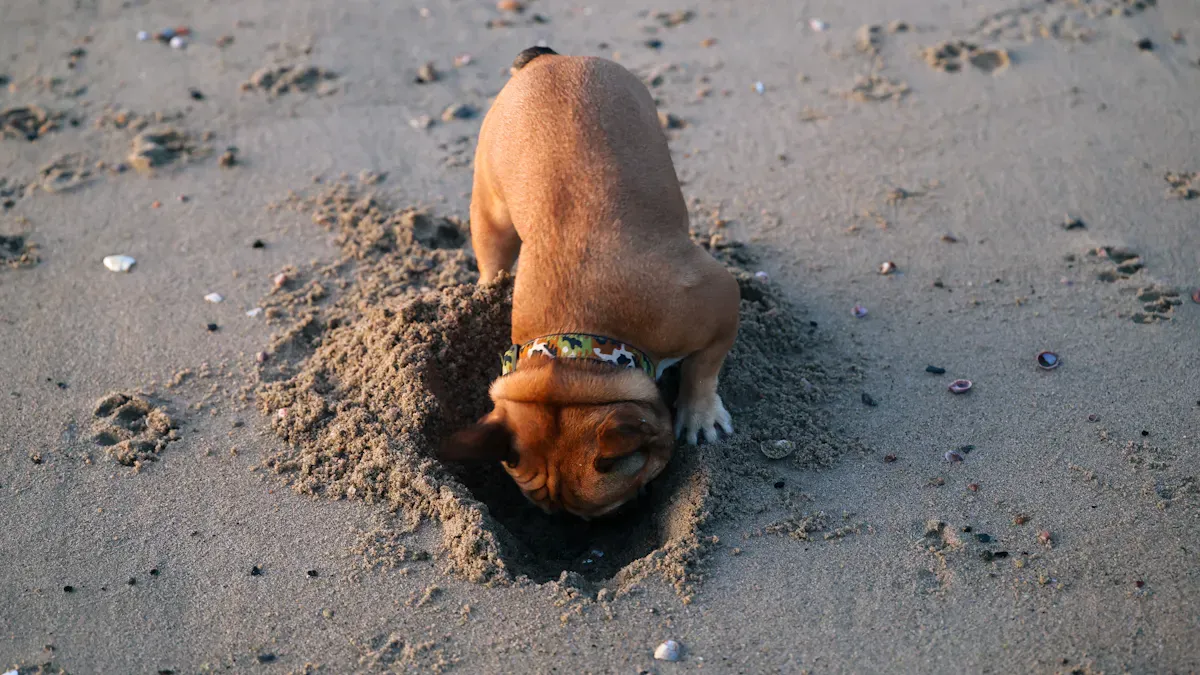
Anxiety and stress can significantly trigger your dog’s digging behavior. When dogs feel anxious, they often dig as a way to cope. This behavior can be similar to other self-soothing actions, like chewing or pacing. For instance, if your dog digs when you leave them alone, it might indicate separation anxiety. They may feel scared or uncertain, leading them to dig as a way to release that pent-up nervous energy.
Here are some common situations that can cause anxiety-related digging:
Being left alone: Dogs are social animals. When they feel isolated, they may dig to express their distress.
Loud noises: Thunderstorms or fireworks can frighten dogs, prompting them to dig as a way to find comfort.
Changes in routine: Disruptions, like moving furniture or having guests over, can unsettle your dog. This can lead to digging as they try to cope with the unfamiliar environment.
To help reduce unwanted digging caused by anxiety, consider creating a calm space for your dog. You might set up a designated digging zone or a cozy area where they can retreat when feeling stressed. This can help them feel more secure and less likely to dig out of fear.
Seeking Attention
Sometimes, your dog digs simply to get your attention. If they notice that digging leads to interaction—whether positive or negative—they may repeat the behavior. Dogs thrive on companionship and engagement. If they feel neglected or bored, they might dig to entertain themselves or to prompt you to play.
Here are some signs that your dog might be digging for attention:
Barking or whining: If your dog digs while making noise, they may be trying to get you to notice them.
Digging after playtime: Dogs often dig to self-soothe after an exciting play session. They might be trying to calm down or seek your approval.
Destructive behavior: If your dog digs up your garden or furniture, it could be their way of expressing frustration from lack of interaction.
To address this behavior, focus on positive ways to redirect digging. Engage your dog with interactive play or provide stimulating toys. You might even create a sandbox or designated digging pit where they can dig freely without causing damage. This way, you can satisfy their natural instincts while keeping your home intact.
By understanding your dog’s emotional needs, you can help manage their digging behavior effectively. Recognizing when they dig out of anxiety or for attention allows you to respond appropriately, fostering a happier and healthier relationship.
Understanding why your dog digs can help you manage this behavior effectively. Key motivations include instinct, boredom, and emotional needs. Observe your dog closely and consider their needs. By addressing these factors, you can create a happier environment for both of you. Remember, a well-stimulated dog is less likely to dig!
FAQ
Why do dogs dig in the yard?
Dogs dig in the yard to explore, find comfort, or express boredom. It’s a natural behavior rooted in their instincts.
How can I stop my dog from digging?
To stop your dog from digging, provide more exercise, mental stimulation, and a designated digging area. Redirect their energy positively.
Is digging a sign of anxiety in dogs?
Yes, digging can indicate anxiety. If your dog digs excessively, consider creating a calm space or consulting a vet for advice.
