


When your dog is not eating, it can signal serious health issues. This behavior often correlates with other medical conditions, making it crucial for you to pay attention. Understanding why your dog is not eating can help you take prompt action. A loss of appetite in dogs may indicate underlying problems, especially when accompanied by symptoms like vomiting or diarrhea. Always monitor your dog closely, as a complete loss of appetite can become a medical emergency.
Key Takeaways
Monitor your dog’s eating habits closely. Changes can signal health issues.
Consult a veterinarian if your dog refuses to eat for more than 24 hours. Early intervention is crucial.
Recognize signs of stress or anxiety in your dog. These can affect their appetite.
Keep track of your dog’s water intake. Dehydration can be serious and requires immediate attention.
Be aware of environmental changes that may impact your dog’s eating. A stable routine helps them feel secure.
Causes of Dog Not Eating
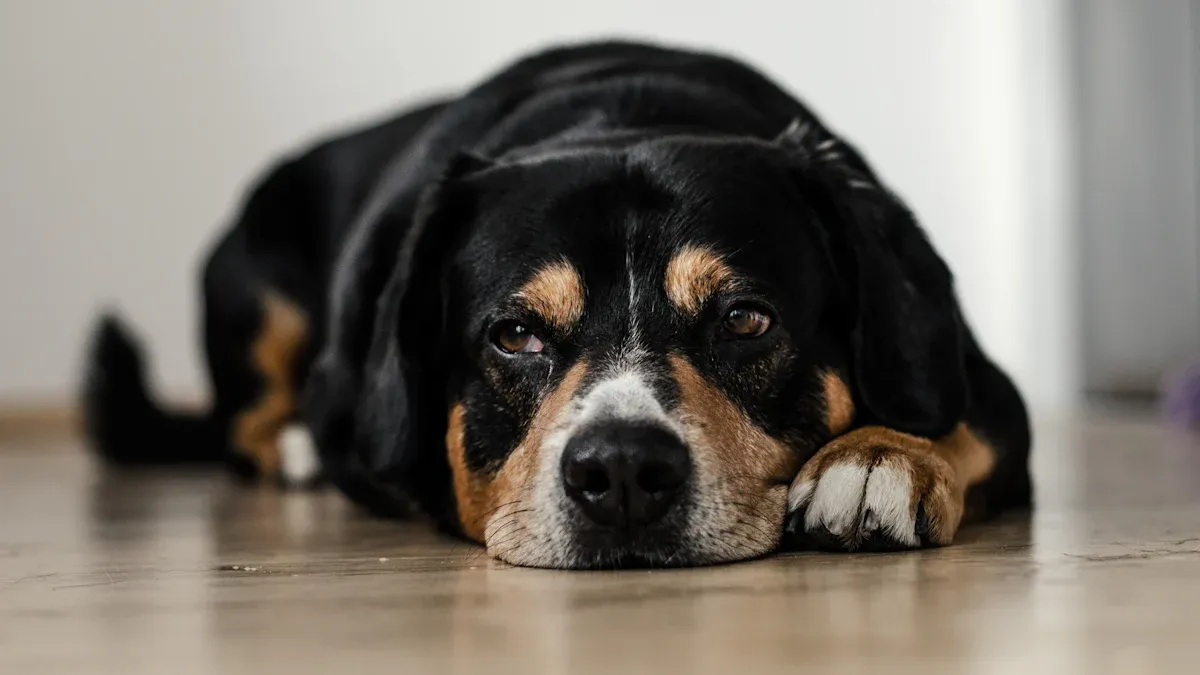
When your dog stops eating, various factors may contribute to this behavior. Understanding these causes can help you identify the underlying issues and take appropriate action.
Medical Conditions
Several medical conditions can lead to a loss of appetite in dogs. Serious illnesses such as:
Cancer
Systemic infections
Liver problems
Kidney failure
These conditions often cause significant discomfort, leading to a decreased appetite. Additionally, dental issues can also play a role. Problems like broken teeth, severe gingivitis, or oral tumors may cause pain that prevents your dog from eating comfortably. If you notice any signs of illness, consult your veterinarian promptly.
Behavioral Factors
Behavioral factors can significantly impact your dog’s appetite. Stress, fear, and anxiety can lead to physiological changes that suppress hunger. For example:
Generalized anxiety
Separation anxiety
Phobias
Cognitive decline in senior dogs
When dogs experience stress, their bodies activate the hypothalamic-pituitary-adrenal (HPA) axis. This response deprioritizes digestion, resulting in a decreased appetite. Furthermore, dogs may learn to refuse food if it leads to receiving more desirable treats, complicating appetite issues.
Environmental Changes
Changes in your dog’s environment can also affect their eating habits. Dogs are sensitive to their surroundings, and significant changes can cause stress. Common environmental factors include:
Moving to a new home
Adding a new pet or child
Having houseguests
Construction in the home
Rearranging furniture
These changes can lead to temporary stress, which may result in a lack of appetite. Even routine disruptions, such as traveling or having unfamiliar visitors, can impact your dog’s willingness to eat.
Recognizing these causes can help you address your dog’s eating issues effectively. Always monitor your dog’s behavior and consult a veterinarian if you have concerns about their health.
Serious Health Issues
When your dog experiences a loss of appetite, it may indicate serious health issues. Various illnesses can lead to decreased appetite, and recognizing these conditions is crucial for your dog’s well-being.
Illnesses and Infections
Certain illnesses and infections can significantly impact your dog’s eating habits. Conditions such as cancer, kidney disease, and liver disease often lead to a marked decrease in appetite. These diseases can cause nausea and digestive discomfort, making it difficult for your dog to eat.
Infections like parvovirus and kennel cough also play a role. Affected dogs often show symptoms such as:
Condition | Symptoms |
|---|---|
Parvovirus | Lack of appetite, vomiting, diarrhea, fever |
Kennel Cough | Loss of appetite, coughing, lethargy |
If your dog exhibits signs of illness, such as difficulty breathing or collapse, seek veterinary help immediately. These symptoms can indicate a medical emergency.
Dental Problems
Dental issues are another common cause of appetite loss in dogs. Pain from conditions like gum disease, tooth decay, or infections can make eating uncomfortable. When dogs experience dental pain, they may avoid food altogether.
Signs that your dog may have dental problems include:
Becoming irritable or withdrawing from family time
Pawing at the face or rubbing their mouth on furniture
Ignoring chew toys or bones they once loved
Monitoring your dog’s dental health is essential. If you suspect dental pain, consult your veterinarian for an evaluation.
Age-Related Changes
As dogs age, they may experience various health changes that affect their appetite. Common age-related issues include:
Mobility problems due to arthritis
Dental disease
Cognitive dysfunction
Systemic diseases such as kidney or liver failure
Chronic conditions like kidney failure can lead to a gradual decline in appetite. This condition causes a buildup of waste in the body, dehydration, and electrolyte imbalances. Almost half of dogs over the age of 10 will develop cancer, which is a leading cause of decreased appetite in older dogs.
Recognizing these serious health issues is vital. If your dog shows signs of appetite loss, consult your veterinarian to ensure they receive the necessary care.
How Long Can a Dog Go Without Eating?
Without Food
A healthy dog can survive without food for about five days if it has access to water. However, this duration can vary based on the dog’s health, age, and overall condition. If your dog stops eating, it is essential to monitor them closely. Prolonged appetite loss can indicate underlying health issues. For instance, chronic conditions like kidney disease can lead to nausea, making food unappealing.
When dogs experience a loss of appetite, their bodies may redirect energy to heal. This can cause them to conserve resources, which is why you might notice them becoming lethargic. If your dog goes without food for more than a day or two, consult your veterinarian to rule out serious health concerns.
Without Water
Water is crucial for your dog’s survival. Dogs can go without water for up to three days, but this can lead to severe health issues. Dehydration can occur quickly, especially in hot weather or if your dog is active. Losing just 10% of their water supply can lead to signs of dehydration, such as a parched mouth and extreme fatigue.
Water supports hydration, regulates body temperature, and aids in bodily functions. Without it, your dog may face serious health consequences much faster than without food. If your dog refuses to drink for more than a day, seek veterinary help immediately.
Understanding how long a dog can go without eating or drinking is vital for their health. Always be proactive in monitoring your dog’s habits, especially if they are sick or recovering from surgery.
What Can Cause a Dog to Stop Eating?
Stress and Anxiety
Stress and anxiety can significantly impact your dog’s appetite. When dogs feel anxious, they may experience a refusal to eat. Common stressors include:
Separation anxiety
New people or pets in the house
Loud noises, like thunder or fireworks
Changes in family dynamics
When dogs experience anxiety or grief, their bodies activate the hypothalamic-pituitary-adrenal (HPA) axis. This hormonal response can suppress hunger as the body prioritizes survival over digestion. You might notice other signs of anxiety, such as destructive behaviors, excessive barking, or drooling. If your dog shows these signs along with a refusal to eat, it’s essential to monitor their behavior closely.
Changes in Routine
Changes in routine can also lead to a lack of appetite. Dogs thrive on consistency, and any disruption can cause stress. For example, moving to a new home or having unfamiliar visitors can upset your dog’s sense of security. Emotional shifts, such as losing a companion, can also lead to changes in eating habits.
If your dog stops eating after a significant life change, consider how you can help them adjust. You might want to maintain a consistent feeding schedule and create a calm environment. If your dog continues to refuse food, consult your veterinarian. They can help identify any underlying health issues that may contribute to your dog’s appetite loss.
Understanding what can cause a dog to stop eating is crucial for their well-being. By recognizing stressors and changes in routine, you can take steps to support your dog’s emotional health and encourage them to eat again.
When to Seek Veterinary Help
Signs of Serious Health Issues
You should pay close attention to your dog’s behavior if they stop eating. Certain signs indicate a serious health issue that requires immediate veterinary attention. Look for the following warning signs:
Pale, blue, or yellow gums
Persistent vomiting or diarrhea
Difficulty breathing or noisy respiration
Distended or painful abdomen
Seizures, collapse, or unresponsiveness
Refusal to eat or drink for over 24 hours
If you notice any of these symptoms, do not hesitate to seek advice from a veterinarian. Early intervention can make a significant difference in your dog’s health.
Importance of Professional Diagnosis
Understanding the cause of your dog’s appetite loss is crucial. Appetite loss often serves as a symptom rather than a diagnosis itself. A veterinary evaluation provides clarity and peace of mind. Your veterinarian will likely perform a physical examination and may use diagnostic tools to identify the underlying cause. Common procedures include:
Complete Blood Count (CBC) to assess blood cells
Serum biochemistry profile to analyze organ function
Urinalysis to evaluate kidney function
If your dog refuses to eat and shows other signs of illness, contact your veterinarian within 8-12 hours. If your dog hasn’t eaten anything for two days, schedule an appointment for a check-up. Timely intervention allows for targeted care, which can shorten recovery time and prevent complications. Remember, dogs that do not eat for more than two or three days require prompt medical attention, as complete appetite loss can indicate an emergency.
Monitoring your dog’s eating habits is essential for their health. Changes in appetite can signal serious issues, such as dental pain or systemic diseases. Here are some key takeaways:
Observe Eating Patterns: Notice if your dog eats eagerly or hesitantly.
Track Water Intake: Changes in drinking habits can indicate health problems.
Watch Bathroom Habits: Regularity in bathroom habits reflects digestive health.
Proactive veterinary care can lead to early detection of health issues, improving your dog’s quality of life. If your dog refuses to eat for more than 24 hours, contact your veterinarian. Tools like health tracking apps can help you monitor your dog’s habits effectively. Stay vigilant and ensure your furry friend remains healthy and happy! 🐾
FAQ
What should I do if my dog refuses to eat for more than a day?
If your dog refuses food for over 24 hours, consult your veterinarian. This behavior may indicate underlying health issues that require prompt attention.
Can stress really cause my dog to stop eating?
Yes, stress can significantly impact your dog’s appetite. Changes in routine, new pets, or loud noises can create anxiety, leading to a refusal to eat.
How can I encourage my dog to eat again?
Try offering different food types or warming their meals. Create a calm environment during feeding times. If these methods fail, consult your veterinarian for advice.
Are there specific breeds more prone to appetite loss?
While any dog can experience appetite loss, certain breeds may be more sensitive to stress or health issues. Always monitor your dog’s eating habits, regardless of breed.
When should I worry about my dog’s water intake?
If your dog refuses to drink for more than 24 hours, seek veterinary help. Dehydration can occur quickly and poses serious health risks.
