

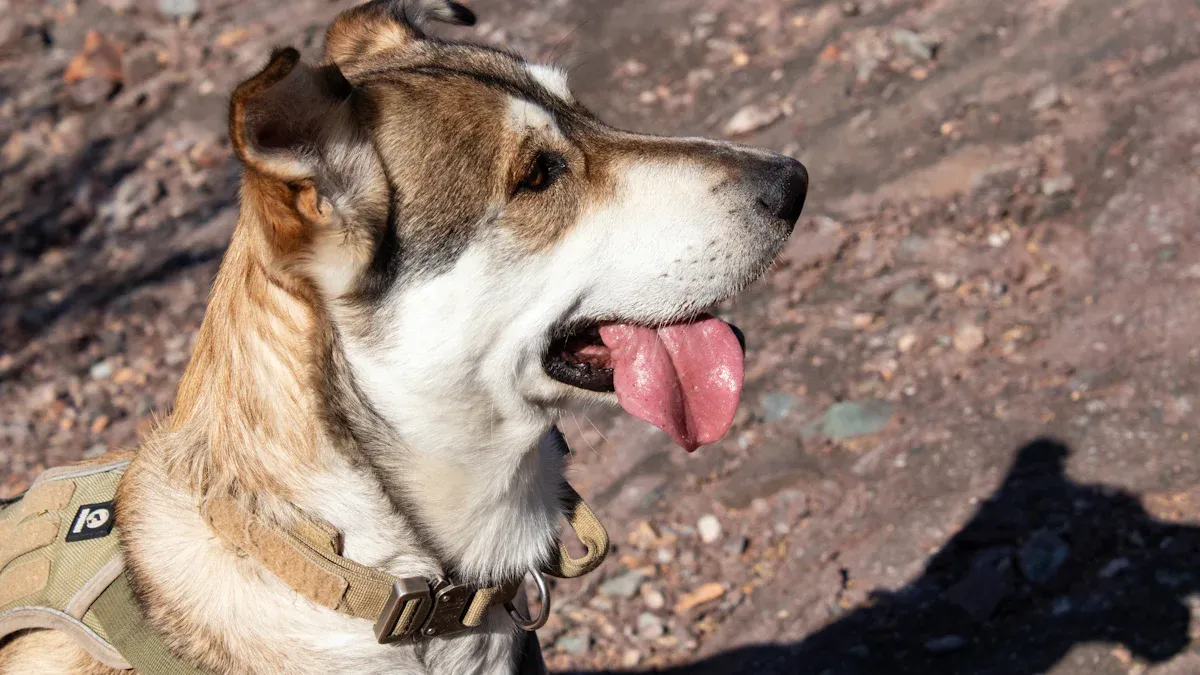
Dogs pant for various reasons, primarily to regulate their body temperature. Understanding the dog panting meaning is crucial for pet owners. While panting can be normal during excitement, anxiety, or heat, excessive panting may signal underlying health problems. Many pet owners mistakenly believe that panting only indicates distress. In reality, normal panting is part of a dog’s natural cooling system. Recognizing the differences between normal and excessive panting can help you ensure your dog’s well-being.
Normal Dog Panting Meaning
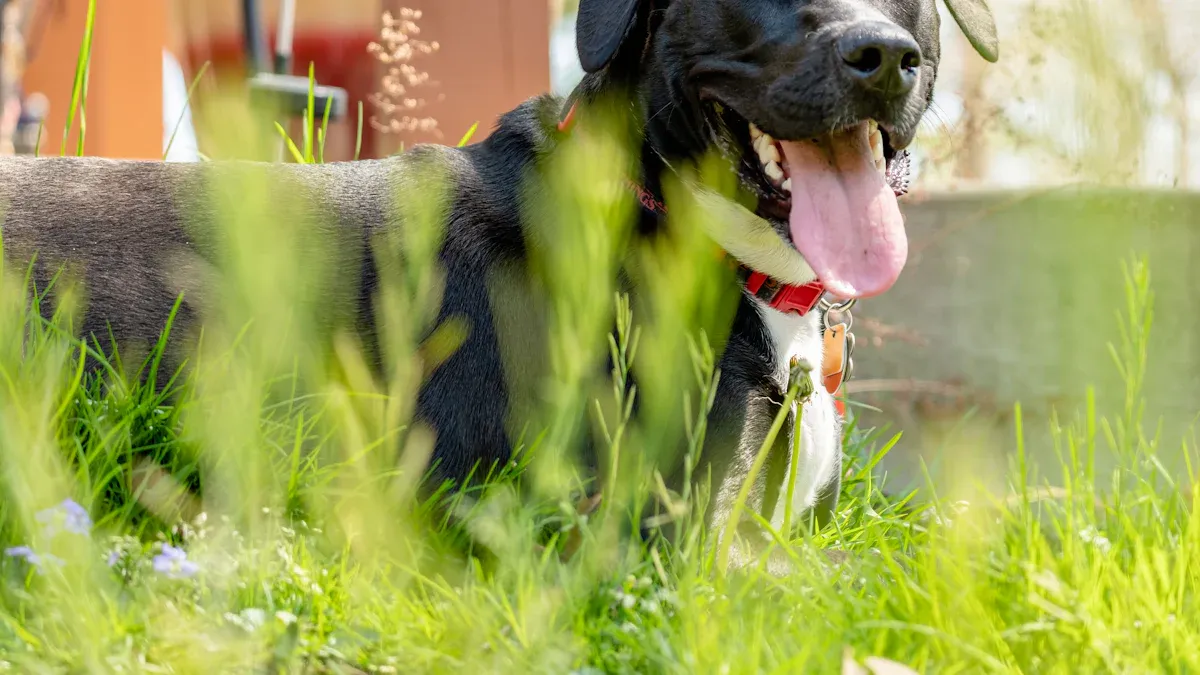
Reasons for Normal Panting
Dogs often pant for several normal reasons. Understanding these can help you recognize when your dog is simply cooling off or feeling excited. Here are some common reasons for normal panting:
Cooling the Body: Dogs primarily use panting to regulate their temperature. This process helps them cool down after exercise or during warm weather.
Exercise and Activity: After physical exertion, panting indicates that your dog is working to normalize its body temperature.
Excitement and Happiness: Dogs may also pant when they feel excited. Their emotional responses can lead to an increased heart rate and breathing.
Panting serves as a natural mechanism for dogs to maintain their health, especially during hot days or after vigorous play. The evaporation of saliva cools the blood going to the brain, which is essential for keeping their central nervous system functioning properly.
Recognizing Normal Behavior
You can distinguish normal panting from abnormal panting by observing your dog’s behavior. Here are some characteristics of normal panting:
Open-mouth breathing
Tongue hanging out
Even, steady rhythm
Relaxed body posture
Stops with rest, cooling, or hydration
In contrast, signs of abnormal panting include rapid breathing at rest, struggling to inhale or exhale, and open-mouth breathing while resting. If you notice your dog displaying any of these signs, it may indicate distress or a health issue.
To help you assess your dog’s condition, consider this checklist for distress:
Is my dog breathing faster than normal at rest?
Is each breath visibly difficult or forced?
Are their gums pale or bluish?
Are they restless, weak, or collapsing?
By understanding the normal dog panting meaning, you can better monitor your pet’s health and well-being.
Excessive Panting: Signs and Causes
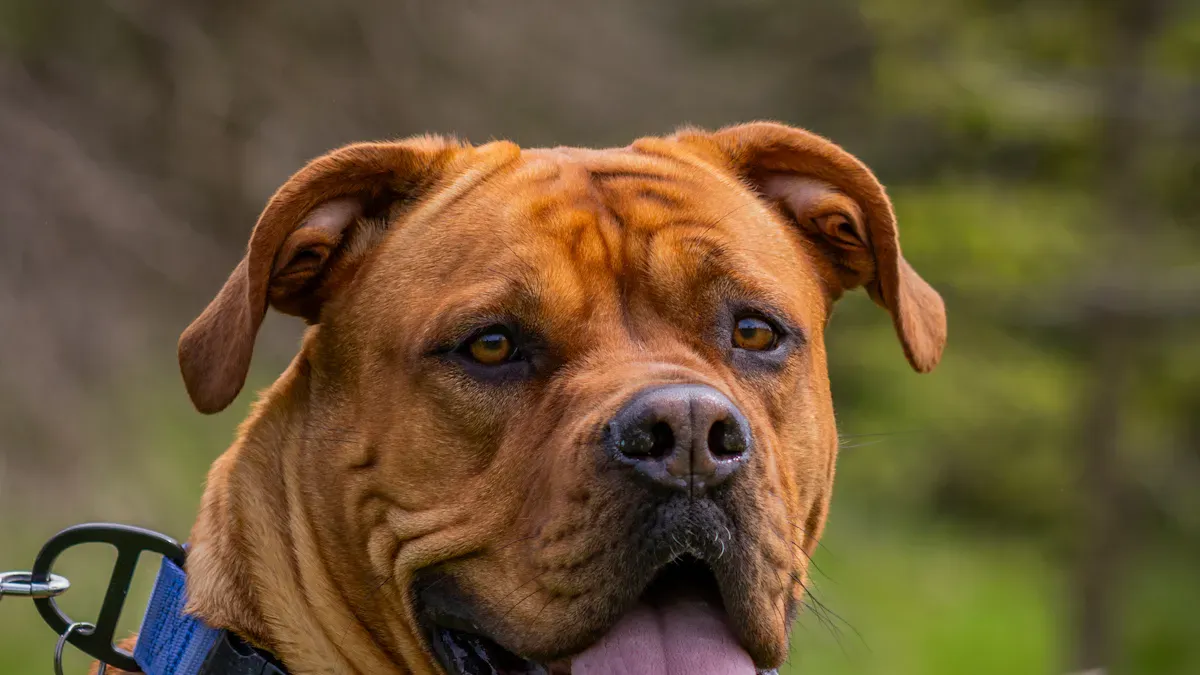
Identifying Excessive Panting
Excessive panting differs from normal dog panting. You should be aware of the signs that indicate your dog may be experiencing excessive panting. Here are some key indicators:
Rapid breathing without an obvious reason.
Heavy panting that lasts longer than usual.
Panting during cooler weather or at night.
Changes in the sound or appearance of panting, which may suggest respiratory issues.
A healthy dog typically breathes between 15 to 35 breaths per minute at rest. If your dog’s resting respiratory rate exceeds 40 breaths per minute, this is considered abnormal and should prompt further investigation.
Common Triggers for Excessive Panting
Several factors can lead to excessive panting in dogs. Understanding these triggers can help you identify when your dog needs attention. Here’s a table of common triggers and their descriptions:
Trigger | Description |
|---|---|
Congestive Heart Failure | Inefficient heart pumping leads to fluid in the lungs, causing panting. |
Pain | Internal pain or discomfort can lead to excessive panting. |
Anxiety and Stress | Severe anxiety can manifest as panting, often with other anxiety signs. |
Cushing’s Disease | Overproduction of cortisol causes increased panting. |
Heatstroke | Can cause ongoing panting even after the heat exposure has ended. |
Obesity | Overweight dogs may experience panting due to respiratory strain. |
In addition to these medical conditions, environmental factors can also trigger excessive panting. Loud noises, such as fireworks or thunderstorms, can cause anxiety. Car rides or new environments may also lead to stress-induced panting. If your dog pants excessively during these situations, it may be a sign of anxiety.
Recognizing excessive panting is crucial for your dog’s health. If you notice any of these signs, consult your veterinarian for further evaluation.
Health Issues Related to Dog Panting
Respiratory and Cardiac Concerns
Panting can indicate serious health issues, especially related to the respiratory and cardiac systems. You should pay close attention to your dog’s panting patterns. Here are some common respiratory diseases that may cause panting:
Bronchitis: Inflammation of the airways can lead to persistent coughing and panting.
Pneumonia: This infection in the lungs can cause difficulty breathing and excessive panting.
Laryngeal Paralysis: This condition affects the throat muscles, making it hard for your dog to breathe normally.
Pyothorax: Accumulation of pus in the chest cavity can lead to severe breathing difficulties.
Lung Tumors: These can obstruct airflow and cause abnormal breathing patterns.
Brachycephalic Airway Obstructive Syndrome: This condition affects flat-faced breeds, leading to breathing difficulties and excessive panting.
Cardiac issues can also manifest through panting. Watch for these symptoms:
Fast Breathing: Rapid or open-mouth breathing can indicate heart problems.
Tiring Quickly: If your dog gets tired easily during walks or play, it may signal a heart issue.
Severe Signs: Look for respiratory distress or sudden collapse, which can indicate a serious condition.
If you notice any of these signs, consult your veterinarian immediately. Early detection can make a significant difference in treatment outcomes.
Signs of Distress and Pain
Panting can also be a sign of distress or pain. Recognizing these signs is crucial for your dog’s well-being. Here are some indicators that your dog may be in discomfort:
Heavy panting or changes in breathing patterns.
Uncomfortable pets may pant without exertion or hot weather.
Rapid, shallow breaths can indicate stress or pain.
Tight or twitching muscles, shaking, or trembling.
An arched back or holding their head below their shoulders.
If your dog pants when it is not hot, excited, or stressed, this may indicate underlying issues. Always monitor your dog’s behavior and consult a veterinarian if you suspect pain or discomfort.
Veterinarians differentiate between panting caused by environmental factors and medical conditions by observing specific signs. For example, panting that occurs at rest or without an apparent reason is concerning. If the panting sounds harsh or strained, or if your dog’s tongue or gums appear pale or blue, seek veterinary care.
By understanding the health issues related to dog panting, you can take proactive steps to ensure your pet’s health and happiness.
Environmental Factors Affecting Panting
Temperature and Humidity Effects
Temperature and humidity significantly influence your dog’s panting behavior. When outdoor temperatures rise, dogs often experience increased panting rates. Research shows that higher temperatures lead to decreased stamina and more frequent panting. For instance, during physical exertion, dogs may pant more as they try to cool down.
Humidity also plays a role, especially during exercise and physical activity. In high humidity, dogs struggle to cool off effectively. A study found that during obedience trials with humidity levels around 98%, dogs showed a notable increase in their respiratory rate. This suggests that when the environment becomes too hot or humid, your dog may pant more to regulate its body temperature.
Here’s a quick overview of how dogs regulate their body temperature through panting:
Mechanism | Description |
|---|---|
Evaporative Cooling | Panting increases evaporation from oral surfaces, cooling the blood. |
Airflow Modulation | Dogs adjust airflow paths during breathing to optimize cooling. |
Patterns of Panting | Dogs exhibit different panting patterns based on temperature and activity level. |
Stress-Induced Panting
Stressful situations can also lead to excessive panting in dogs. Environmental factors that cause discomfort or fear activate their stress response system. Common stressors include loud noises, separation from owners, and changes in routine or environment.
When dogs feel anxious, they may exhibit signs such as:
Excessive panting
Pacing
Trembling
In particular, fear-based anxiety can arise from loud noises or unfamiliar environments. Separation anxiety occurs when dogs are left alone, leading to panic and physical symptoms like panting. Recognizing these signs can help you address your dog’s needs and reduce their stress.
By understanding how temperature, humidity, and stress affect your dog’s panting, you can take steps to create a more comfortable environment for them.
When to Consult a Vet
Warning Signs to Watch For
You should always monitor your dog’s panting closely. Certain warning signs indicate that you need to consult a vet. Here are some key signs to watch for:
Excessive panting: If your dog pants more than usual without exercise or heat, it may indicate disease or poisoning.
Labored breathing: Difficulty breathing suggests respiratory distress and requires immediate attention.
Unusual panting: Panting at odd times or in a loud manner may signal underlying conditions.
Persistent panting: If your dog continues to pant long after cooling down, it suggests urgent health issues.
Heatstroke: Excessive panting in hot weather can indicate a life-threatening condition.
Accompanying health issues: Signs like coughing, lethargy, or vomiting alongside panting warrant prompt evaluation.
If you notice any of these signs, seek veterinary care quickly. For example, if your dog’s panting is deep and labored, especially with exaggerated tongue lolling, it indicates a serious medical condition. Continuous panting that persists even at rest or in a cool environment necessitates veterinary evaluation.
Preparing for the Vet Visit
Before visiting the vet, gather important information about your dog’s health. This preparation can help the veterinarian diagnose your dog more effectively. Here’s a checklist of what to prepare:
Potential Causes of Panting | Signs to Watch For |
|---|---|
Exposure to smoke or irritants | Excessive panting without clear reason |
Respiratory issues (asthma, kennel cough) | Signs of discomfort or pain |
Lung infections or chronic lung disease | Nausea or digestive upset |
Pain or physical discomfort | Heatstroke symptoms in hot conditions |
Nausea or digestive upset | Persistent heavy panting |
Be ready to discuss your dog’s health history and any recent changes in behavior or environment. Note any accompanying symptoms like vomiting or lethargy. Understanding these factors can help your vet provide the best care for your dog.
By recognizing when to be concerned and preparing for your vet visit, you can ensure your dog receives the care it needs.
Monitoring your dog’s panting behavior is essential for their health. Remember that panting can be normal during heat, excitement, or exercise. However, excessive or unexplained panting, especially at rest, may signal a health issue. If you notice your dog panting without a clear cause, consult your veterinarian.
Abnormal panting deserves attention! Observation of abnormal panting should prompt an office visit with your veterinarian, even if everything else about your dog appears to be perfectly normal. The sooner the cause of the abnormal panting is discovered, the greater the likelihood of a good outcome.
Stay proactive about your dog’s well-being. Recognize signs of heat distress, provide ample hydration, and schedule outdoor activities during cooler parts of the day to prevent heatstroke. Your vigilance can make a significant difference in your dog’s health.
