

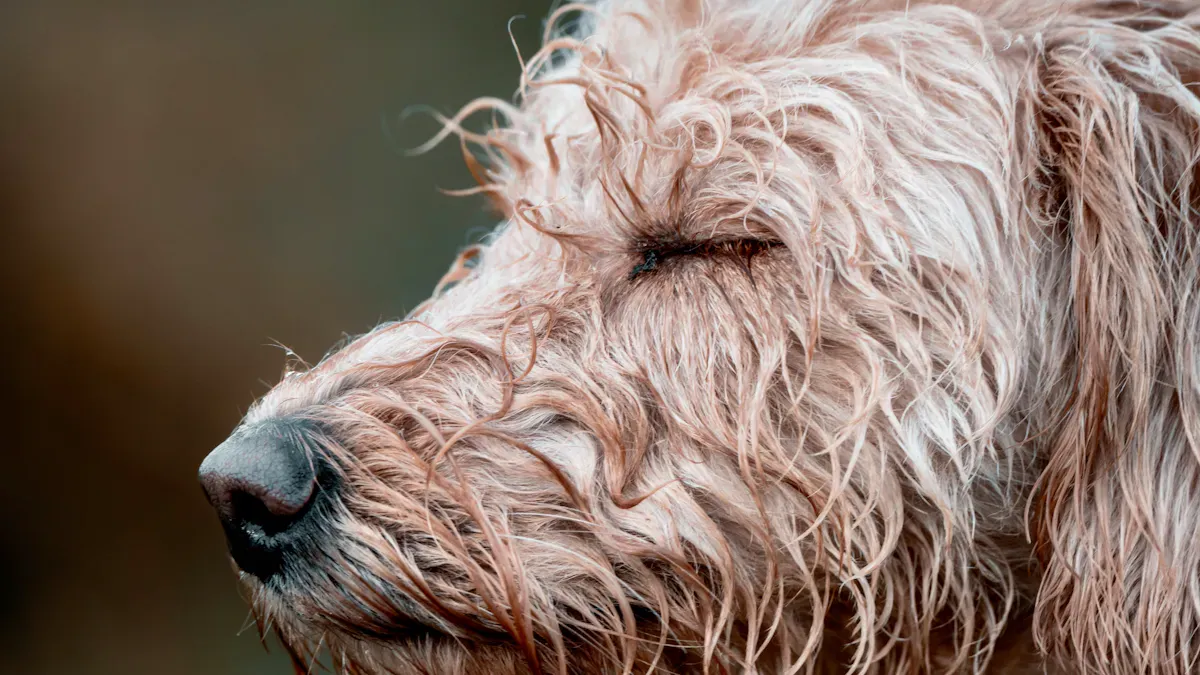
Dogs naturally shed hair as part of their growth cycle, and understanding the dog shedding causes is essential for maintaining a healthy coat. This process helps them keep their fur in good condition. However, you should pay attention to your dog’s shedding patterns. Excessive shedding can signal underlying health issues. Understanding the difference between normal shedding and concerning hair loss is crucial. Regular check-ups with your veterinarian can help identify any potential problems early on. Keeping track of your dog’s coat condition ensures their overall health remains a priority.
Normal vs. Excessive Shedding

Signs of Normal Shedding
Normal shedding occurs as part of your dog’s natural hair growth cycle. You can expect your dog to shed hair regularly, especially during seasonal changes. Here are some signs that indicate normal shedding:
Consistent Hair Loss: You notice a steady amount of hair on your furniture or floor.
Seasonal Changes: Shedding increases during spring and fall as your dog adjusts to temperature changes.
Healthy Coat: The fur remains shiny and healthy, with no bald spots or skin irritation.
Normal shedding varies by breed. Some dogs, like Golden Retrievers, shed more than others, such as Poodles. Regular grooming helps manage this shedding and keeps your dog’s coat in good condition.
Identifying Excessive Hair Loss
Excessive shedding is different from normal shedding. It can indicate underlying health issues that require attention. Here are some signs of excessive shedding:
Shedding Type | Characteristics | Causes of Excessive Shedding |
|---|---|---|
Normal Shedding | Natural process related to the dog’s growth cycle; varies by breed and season. | N/A |
Excessive Shedding | Characterized by visible bald spots, patchy thinning, or uneven fur growth. | Allergies, parasites, hormonal imbalances, infections, stress. |
If you notice any of the following symptoms, consult your veterinarian:
Patchy Hair Loss: Fur falls out in specific areas, leaving skin exposed.
Complete Hair Loss: Severe cases may lead to large bald patches.
Thinning Fur: The coat appears less lush than usual.
Redness or Irritation: The skin appears inflamed or swollen.
Excessive Scratching or Biting: A sign of discomfort that may indicate allergies or parasites.
Strong Odor or Scabs: Could suggest a skin infection requiring immediate treatment.
Certain health risks accompany excessive shedding, including:
Allergies
Infections
Hormonal imbalances
Parasites
If your dog is losing hair and shows signs of lethargy, weight loss, or behavioral changes, schedule a veterinary appointment as soon as possible. Monitoring your dog’s shedding patterns helps you maintain their overall health and well-being.
Common Dog Shedding Causes
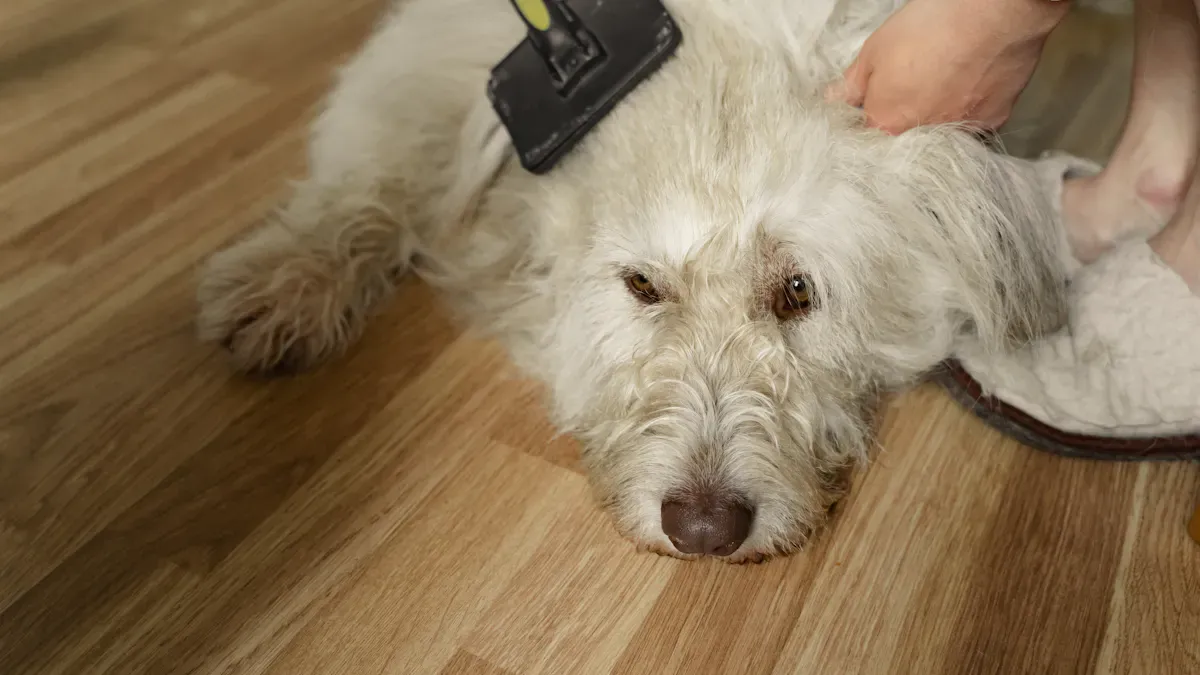
Allergies and Hair Loss in Dogs
Allergies are a significant cause of hair loss in dogs. When your dog encounters allergens, their immune system reacts, leading to inflammation and irritation. Common allergens include:
Food Ingredients: Certain proteins can trigger allergic reactions.
Environmental Factors: Pollens, dust, and mold can cause issues.
Flea Saliva: This can lead to a condition known as flea allergic dermatitis.
When your dog has allergies, you may notice symptoms such as red, irritated skin, excessive scratching, or even scabs. In some cases, food allergies can lead to gastrointestinal issues like vomiting or diarrhea. If you suspect allergies are causing hair loss in dogs, consult your veterinarian for proper diagnosis and treatment.
Parasites and Their Impact
Parasites are another common cause of dog hair loss. Fleas, mites, and ticks can irritate your dog’s skin, leading to excessive scratching and biting. Here are some key parasites to watch for:
Fleas: These tiny pests can cause intense itching and discomfort. They often lead to secondary infections that exacerbate hair loss.
Mites: Both Demodectic and Sarcoptic mites can burrow into the skin, causing irritation and hair loss. Sarcoptic mange, for example, leads to severe itching and hair loss around specific areas like the ears and elbows.
Ticks: While they primarily feed on blood, ticks can also transmit diseases that affect your dog’s overall health, leading to shedding as a secondary symptom.
If you notice your dog scratching excessively or developing bald patches, check for signs of parasites. Regular grooming and preventive treatments can help keep these pests at bay.
Understanding the common dog shedding causes, such as allergies and parasites, is crucial for maintaining your dog’s coat health. If you observe unusual shedding patterns or other concerning symptoms, don’t hesitate to reach out to your veterinarian for guidance.
Infections and Hair Loss in Pets
Infections can significantly contribute to hair loss in pets. Both bacterial and fungal infections can lead to inflammation and damage to hair follicles, resulting in shedding and bald patches. Understanding these infections helps you recognize when your dog may need veterinary care for hair loss.
Bacterial Infections
Bacterial infections often lead to serious dog hair loss. One common type is pyoderma, a bacterial skin infection that can cause inflammation and hair loss in dogs. Dogs are more susceptible to this condition due to their thinner skin barrier and higher pH levels, which allow bacteria to thrive. Another issue is bacterial folliculitis, which occurs when hair follicles become compromised. This can happen due to underlying systemic diseases, trauma, or allergic skin disease.
Here are some key points about bacterial infections:
Pyoderma can cause redness, swelling, and hair loss patches.
Folliculitis often appears as patchy hair loss and may be secondary to other skin issues.
Fungal Infections
Fungal infections also play a role in hair loss in pets. One of the most well-known is ringworm, a highly contagious fungal infection that leads to circular bald patches on the skin. This infection can cause significant hair loss, along with scaling and inflammation. Another type is Candida infections, which are yeast infections that can also result in hair loss.
Consider these facts about fungal infections:
Ringworm causes circular bald patches and requires early treatment to prevent spreading.
Hair loss is a common clinical sign of dermatophytosis, often appearing as localized patches.
If you notice signs of infection, such as patchy hair loss or skin irritation, consult your veterinarian. Early intervention can help prevent further complications and promote a healthy coat.
Hormonal Imbalances in Dogs
Hormonal imbalances can lead to significant shedding in dogs. Two common conditions that affect hormone levels are hypothyroidism and Cushing’s disease. Understanding these conditions helps you recognize symptoms and seek timely treatment.
Hypothyroidism
Hypothyroidism is a significant cause of hair loss in dogs. This condition occurs when the thyroid gland does not produce enough hormones. Approximately 60-80% of dogs with low thyroid hormone levels show clinical signs related to their skin or hair coat. You may notice the following symptoms if your dog has hypothyroidism:
Symmetrical hair loss on the trunk, chest, or tail, leading to a ‘rat tail’ appearance.
Dry, brittle hair that may not regrow well after shaving.
Abnormal skin conditions, such as dry, scaly, or thickened skin.
Presence of black spots or dark regions on the skin.
Poor wound healing and increased susceptibility to skin infections.
Additionally, dogs with hypothyroidism may exhibit lethargy and weight gain despite a poor appetite. If you observe these signs, consult your veterinarian for proper diagnosis and treatment.
Cushing’s Disease
Cushing’s disease, or hyperadrenocorticism, occurs when the body produces too much cortisol. This condition can also lead to hair loss. Symptoms associated with Cushing’s disease include:
Hair loss primarily on the trunk
Thin skin
Poor regrowth of hair in shaved areas
Flaky or scaly skin
New areas of dark pigmentation on the skin
Recurrent skin infections
The overall prevalence of Cushing’s disease in dogs is relatively low, but it can significantly impact those affected. If you notice any of these symptoms, it is essential to seek veterinary advice. Early intervention can help manage the condition and prevent further complications.
Recognizing hormonal imbalances in your dog is crucial for stopping dog hair loss and preventing future hair loss. Regular check-ups with your veterinarian can help you monitor your dog’s health and address any concerns promptly.
Stress and Its Effects on Shedding
Stress can significantly impact your dog’s shedding patterns. When dogs experience stress, their bodies react in ways that can lead to increased hair loss. You might notice that your dog sheds more when they face stressful situations.
Behavioral Stressors
Behavioral stressors can come from various sources. Here are some common examples:
Loud Noises: Thunderstorms, fireworks, or loud music can frighten your dog.
Separation Anxiety: Dogs may feel anxious when left alone, leading to excessive shedding.
Changes in Routine: New schedules or disruptions can create stress for your dog.
When dogs feel stressed, they may engage in overgrooming. This behavior can lead to bald patches and skin irritation.
According to a study published in the Journal of Veterinary Behavior, dogs exposed to high-stress environments — such as kennels or frequent travel — showed increased shedding and coat dullness.
Environmental Changes
Environmental changes can also contribute to stress and shedding. Consider these factors:
Moving to a New Home: A new environment can be overwhelming for your dog.
New Family Members: Introducing new pets or people can disrupt your dog’s sense of security.
Traveling: Frequent trips can cause anxiety, especially if your dog is not accustomed to it.
Recognizing these stressors is essential for managing your dog’s shedding. If you notice changes in your dog’s coat or behavior, consult your veterinarian. They can help you identify the cause and suggest ways to reduce stress.
Monitoring your dog’s shedding patterns is essential for their health. Regular brushing, a balanced diet rich in omega-3 fatty acids, and proper hydration can help manage shedding effectively. Here are some key takeaways:
Brush your dog 2-3 times weekly.
Look for signs of excessive shedding, such as bald patches or skin irritation.
Consult a veterinarian if you notice persistent hair loss or changes in behavior.
Taking these steps can lead to noticeable improvements in your dog’s coat within 4-6 weeks. Remember, consistent care is vital for your dog’s well-being.
FAQ
What should I do if my dog is shedding excessively?
If your dog is shedding excessively, consult your veterinarian. They can help identify the cause and recommend appropriate treatments or changes to your dog’s care routine.
How can I reduce my dog’s shedding?
You can reduce shedding by regularly grooming your dog, providing a balanced diet, and ensuring proper hydration. Regular vet check-ups also help maintain your dog’s coat health.
Are certain dog breeds more prone to shedding?
Yes, some breeds shed more than others. Breeds like Golden Retrievers and Siberian Huskies tend to shed heavily, while breeds like Poodles shed less.
Can stress cause my dog to shed more?
Yes, stress can lead to increased shedding in dogs. Changes in environment, loud noises, or separation anxiety can trigger this response.
When should I be concerned about my dog’s shedding?
You should be concerned if you notice bald patches, skin irritation, or changes in behavior. These signs may indicate underlying health issues that require veterinary attention.
