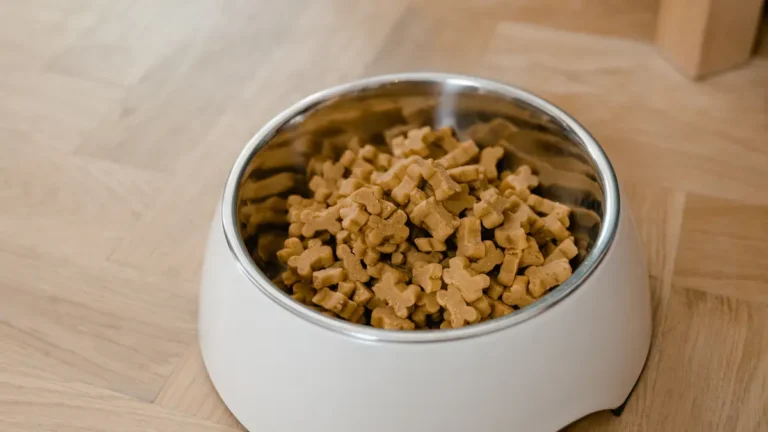


Sleep plays a vital role in your pet’s health and happiness. Pet beds comfort can significantly enhance their sleep quality. In fact, dogs using Barker Beds saw a 26% improvement in overall sleep scores and a 42% reduction in disturbed rest. Key features like supportive materials and cozy design help create a perfect sleeping environment for your furry friend.
Key Takeaways
Quality sleep is vital for your pet’s health. It boosts their immune system, enhances cognitive function, and stabilizes emotions.
Choose the right pet bed based on your dog’s needs. Orthopedic beds support aging dogs, while calming beds help anxious pets feel secure.
Investing in a comfortable pet bed can lead to better sleep quality for your dog, reducing stress and improving overall well-being.
Sleep Importance

Sleep is crucial for your dog’s overall health and well-being. Just like you, your furry friend needs a good night’s sleep to recharge and stay healthy. When dogs don’t get enough quality sleep, they can face several health issues. Here are some key effects of sleep on your pet’s health:
Health Effects
Physical Health: Quality sleep supports your dog’s immune system. During sleep, the body produces proteins called cytokines that help regulate immune responses. Without enough sleep, your dog may struggle to fight off infections and recover from injuries.
Cognitive Function: Dogs that sleep well tend to have better memory and learning abilities. Chronic sleep deprivation can lead to Canine Cognitive Deficiency Disorder (CCDD), similar to Alzheimer’s in humans. This condition can cause disorientation and memory loss.
Emotional Stability: A well-rested dog is less likely to experience anxiety and mood swings. Research shows that dogs sleeping less than six hours or being easily disturbed during the day often exhibit behavioral problems due to poor emotional control.
Here’s a quick look at how sleep duration affects different pets:
Animal Type | Average Sleep Duration (Hours) |
|---|---|
Dogs | 12 (50% of the day) |
Cats | 16-20 |
Kittens | 20-22 |
Sleep Patterns in Dogs
Understanding your dog’s sleep patterns can help you create an environment that promotes better sleep quality. Adult dogs typically need about 12 to 14 hours of sleep each day. Puppies, on the other hand, require around 18 hours due to their rapid growth and exploration.
Different breeds also have varying sleep needs. For example, larger breeds like Great Danes and Bulldogs tend to sleep more than smaller breeds like Pomeranians. Here’s a breakdown of average sleep hours for various breeds:
Breed | Average Sleep (hours) |
|---|---|
Adult Dogs | 12 – 14 |
Puppies | 18 |
Bulldog | High |
French Bulldog | High |
Greyhound | High |
Saint Bernard | High |
Chow Chow | High |
Great Dane | High |
Pug | High |
Mastiff | High |
Basset Hound | High |
Pomeranian | Low |
Australian Terrier | Low |
Labrador Retriever | Low |
Age and activity level also influence sleep patterns. Older dogs may experience fragmented sleep, while active dogs often enjoy deeper, more restorative sleep. Helping your pet sleep better can lead to improved health and happiness.
Pet Bed Types
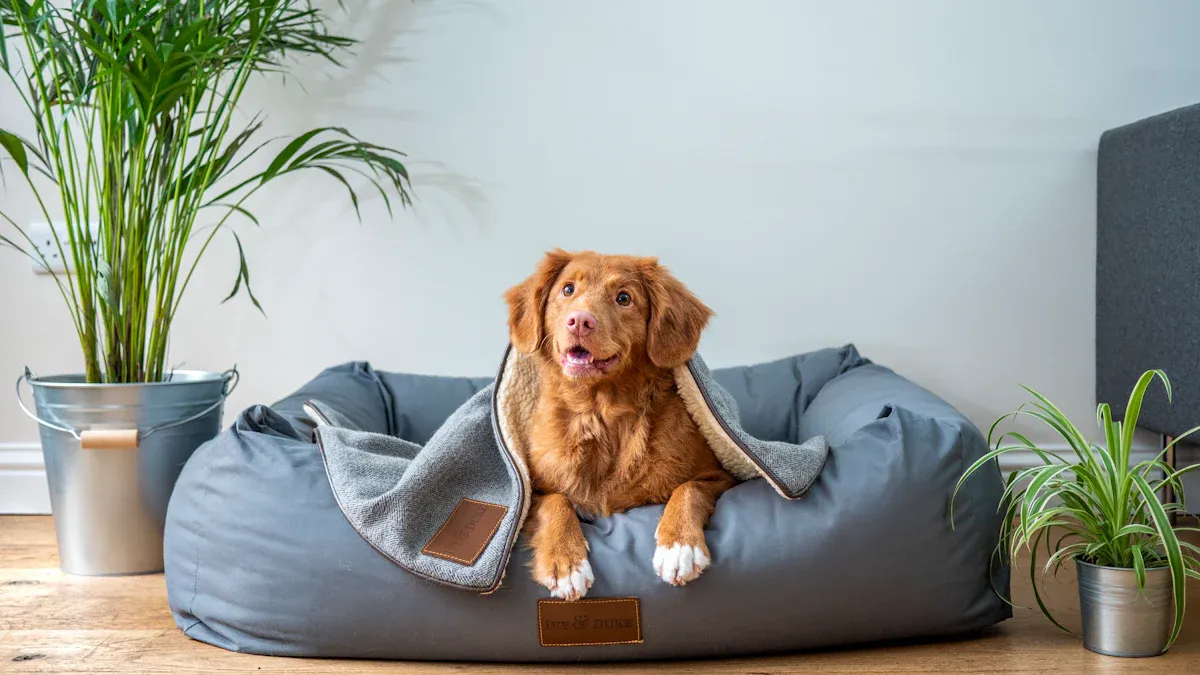
When it comes to choosing the right pet bed, you have several options that can significantly enhance your dog’s sleep quality. Each type of bed offers unique benefits tailored to different needs. Let’s explore some popular types of pet beds and how they can help your furry friend enjoy a good night’s sleep.
Orthopedic Beds
If your dog is aging or has joint issues, an orthopedic bed might be the best choice. These beds provide optimal support for your dog’s joints, helping to alleviate discomfort. They often feature high-quality memory foam that conforms to your dog’s body shape, reducing pressure points and improving sleep quality.
Material | Benefits for Joint Health | Durability |
|---|---|---|
Memory Foam | Conforms to body shape, reduces pressure points, improves sleep quality and mobility. | Long-lasting |
Polyfill | Soft and cushioned but flattens quickly, less support for orthopedic needs. | Short-lived |
Cotton Padding | Provides immediate comfort but lacks durability and support. | Short-lived |
Egg-Crate Foam | Moderate pressure relief, allows air circulation, but deteriorates faster than memory foam. | Moderate lifespan |
Investing in a supportive dog bed like this can lead to improved pet sleep and overall well-being.
Calming Beds
Calming beds are designed to create a safe and secure environment for your dog. These beds often feature raised edges that provide a sense of security, making them perfect for pets that experience anxiety. According to veterinarians, calming beds can help reduce anxiety by offering a comforting space for your dog to retreat to when feeling stressed.
They cater to individual preferences, providing warmth and a snug fit that enhances their calming effects.
Many pet owners report that their dogs exhibit calmer behavior and improved sleep after using these beds.
If your dog struggles with anxiety, a calming bed could be a game-changer for their sleep comfort.
Memory Foam Beds
Memory foam dog beds are gaining popularity for their ability to provide exceptional support and comfort. This material is unique because it conforms to your dog’s body shape, distributing weight evenly. This feature is especially beneficial for dogs with joint pain or arthritis, as it alleviates pressure points and promotes better sleep.
Studies show that memory foam beds significantly enhance sleep quality, leading to improved behavior and learning abilities.
Unlike cheaper alternatives, high-quality memory foam maintains its shape and support over time, making it a durable option for your pet.
Choosing a memory foam bed can be a great way to ensure your dog enjoys quality sleep and wakes up refreshed.
Benefits of Dogs Sleeping in Bed
Emotional Benefits
Letting dogs sleep in your bed can bring a lot of emotional perks for both you and your furry friend. Here are some key benefits:
Emotional comfort: Dogs provide immediate comfort, especially for those dealing with anxiety or stress. Their presence can help ease feelings of loneliness and promote a sense of security.
Stress reduction: Studies show that being close to your dog increases oxytocin levels, which boosts feelings of happiness. This can lead to quicker relaxation at bedtime, making it easier for you to drift off to sleep.
Reassurance for anxious dogs: If your dog tends to pace or vocalize at night, having them close can calm their nerves. This can lead to a more peaceful night for both of you.
Sleep Quality for Owners
Sharing your bed with dogs can have mixed effects on your sleep quality. Here’s what you should know:
Aspect | Effect on Owners | Effect on Dogs |
|---|---|---|
Psychological Benefits | Increased sense of security and comfort | Potential stress reduction from owner’s presence |
Sleep Quality | Possible disturbances from pet movements | May experience different sleep patterns |
Overall Impact | Mixed results; some report better sleep, others worse | Varies based on attachment and environment |
While many pet owners enjoy the companionship of dogs sleeping in bed, it can also lead to disturbances. More than half of pet owners report being woken up by their pets at night. This can happen due to noise, movement, or even heat. So, while the emotional benefits are clear, you might want to consider how your dog’s sleeping habits affect your own good night’s sleep.
Investing in a quality pet bed is essential for your dog’s health and happiness. A comfortable bed promotes better sleep, reduces stress, and supports overall well-being. Remember to consider your dog’s size, age, and health needs when choosing the perfect bed. Your furry friend deserves the best for a restful sleep!
FAQ
How much sleep do dogs need?
Dogs typically need 12 to 14 hours of sleep daily, while puppies may require up to 18 hours for growth and development.
What type of bed is best for my dog?
Choose a bed based on your dog’s needs. Orthopedic beds suit older dogs, while calming beds help anxious pets feel secure.
Can I wash my dog’s bed?
Yes! Regularly wash your dog’s bed to keep it clean and fresh. Follow the manufacturer’s instructions for the best results.