

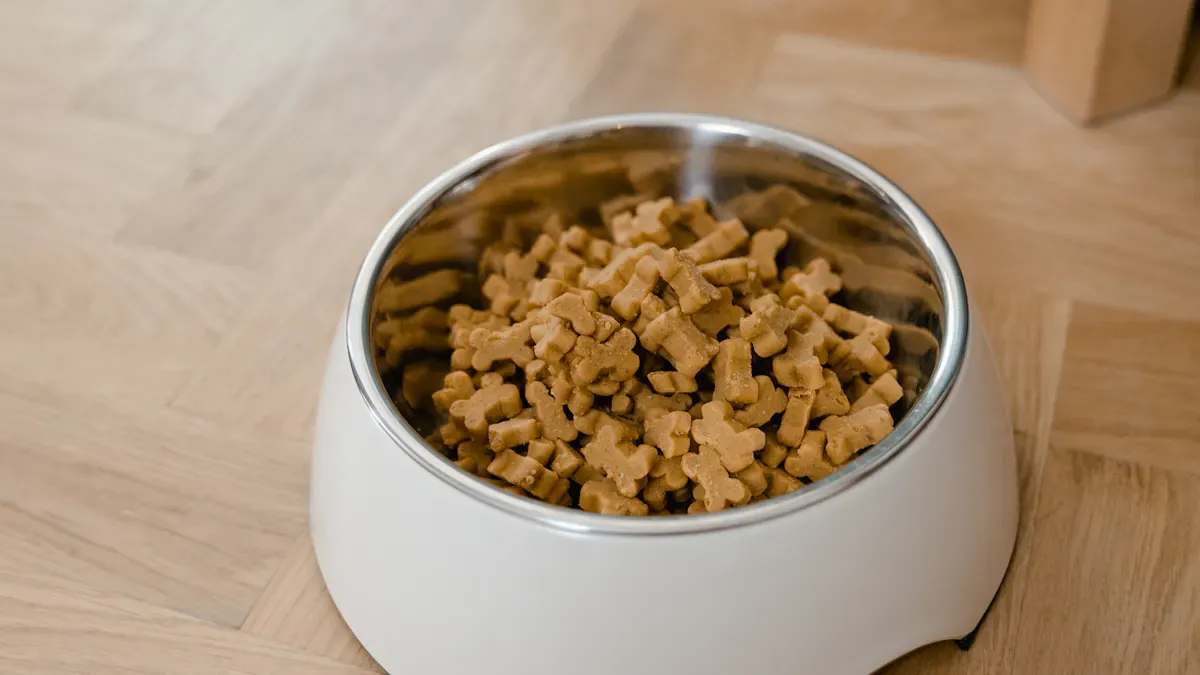
Choosing the right material for your pet food bowls plays a critical role in their health. Different materials can affect food bowl hygiene measures, which directly impacts your pet’s well-being. For example, stainless steel and high-quality ceramic bowls resist bacterial growth, promoting better hygiene. In contrast, plastic bowls often lead to health issues like allergies and skin irritations. Prioritizing the right bowl material ensures your furry friend enjoys safe meals and proper hydration.
Importance of Bowl Material
Health Risks of Plastic Bowls
When you choose plastic pet food bowls, you may unknowingly expose your pet to several health risks. Research shows that plastic bowls can contain harmful chemicals like Bisphenol A (BPA). This chemical disrupts hormones and links to serious health issues such as diabetes, obesity, and infertility. Additionally, plastic bowls are porous and can scratch easily, leading to bacterial growth and odors. This creates a significant health hazard for your pet.
Studies indicate that plastic feeding bowls can harbor bacteria such as MRSA and Salmonella. These bacteria can lead to vomiting, diarrhea, and infections in pets. The microbiological contamination of dog food bowls is a serious concern. Plastic bowls generally have higher bacterial counts compared to ceramic and stainless steel bowls. This means that using plastic bowls can compromise food bowl hygiene measures, putting your pet’s health at risk.
Moreover, microplastics from these bowls can leach into food and water, especially when scratched or heated. These chemicals disrupt endocrine functions, posing long-term health risks to pets. You should consider the potential for chemical leaching when selecting a bowl for your furry friend.
Safety of Ceramic Bowls
Ceramic bowls can be a safer alternative to plastic. High-quality ceramic pet bowls are made with food-safe materials that do not react with food or water. These bowls are typically free from toxic chemicals, such as lead, which can leach into food or water. Choosing ceramic bowls specifically designed for pets ensures they are safe and free from harmful substances.
However, you should be aware of some safety concerns associated with ceramic bowls. Lead contamination can occur if the glaze contains lead, posing a health risk to pets. Additionally, crazing can create tiny cracks that harbor bacteria, leading to potential health issues. Fragility is another concern, as ceramic bowls can break easily, creating hazards from sharp shards.
Despite these risks, ceramic bowls show lower bacterial adhesion and counts due to their non-porous nature. Studies indicate that ceramic materials have significantly lower bacterial counts compared to plastic. This makes ceramic bowls a better choice for maintaining food bowl hygiene measures. By opting for high-quality ceramic bowls, you can help ensure safe pet feeding practices and promote your pet’s overall health.
Benefits of Stainless Steel Bowls
Stainless steel bowls offer numerous advantages for your pet’s feeding routine. One of the most significant benefits is their resistance to scratches. Unlike plastic bowls, stainless steel does not harbor bacteria in scratches. This feature helps maintain food bowl hygiene measures, ensuring a safer eating environment for your pet.
Easy to Clean
Cleaning stainless steel bowls is a breeze. Their smooth, non-porous surface makes them easy to wash by hand or in the dishwasher. In contrast, ceramic and plastic bowls can be more challenging to clean due to their porous nature. Bacteria can hide in scratches and cracks, making it difficult to sanitize them effectively. Here’s a quick comparison of cleaning methods for different materials:
Material | Ease of Cleaning |
|---|---|
Stainless Steel | Excellent (dishwasher safe) |
Ceramic | Poor (difficult to sanitize scratches) |
Plastic | Poor (difficult to sanitize scratches) |
Health Implications
Using stainless steel bowls can significantly impact your pet’s health. These bowls are non-porous, which prevents bacteria and odors from embedding. Research shows that stainless steel bowls help reduce the risk of microbiological contamination of dog food bowls. This reduction lowers the chances of your pet experiencing health hazards like gastrointestinal issues.
Additionally, stainless steel bowls are durable and can last between 5 to 10 years. This lifespan is much longer than plastic bowls, which typically last only 6 to 12 months. The durability of stainless steel means you won’t need to replace them frequently, saving you money in the long run.
Moreover, slow-eating stainless steel bowls can help prevent choking and gastric dilatation-volvulus (GDV). These bowls promote better digestion and reduce the risk of obesity, contributing to your pet’s overall health.
Choosing the Right Pet Water Bowl
When selecting a pet water bowl, consider the material carefully. Different materials can impact both cleanliness and hydration. Here are some common options:
Stainless Steel: Highly durable and easy to clean. It prevents bacteria from growing and does not retain odors.
Ceramic: Offers a stylish look and is also easy to clean. Ensure you choose high-quality ceramic to avoid harmful glazes.
Plastic: While lightweight and inexpensive, plastic bowls can harbor bacteria and may leach chemicals into the water.
To maintain food bowl hygiene measures, you must clean your pet water bowl regularly. Here’s a quick guide on cleaning methods:
Cleaning Frequency | Method |
|---|---|
Daily | Rinse the water bowl with hot water and mild detergent to remove food particles, saliva, and mineral deposits. |
Weekly | Scrub the water bowl with a pet-safe antibacterial solution and rinse thoroughly to remove any chemicals. |
The choice of water bowl material significantly affects water cleanliness and pet hydration. A comparison of materials shows:
Bowl Material | Cleanliness Impact | Hydration Impact |
|---|---|---|
Stainless Steel | High – easy to clean, prevents bacteria | High – durable and safe |
Ceramic | High – easy to clean, prevents bacteria | High – durable and safe |
Plastic | Low – can harbor bacteria, scratches | Low – potential chemical risks |
Using a stainless steel or ceramic bowl helps ensure your pet drinks clean water. Contaminated water bowls can lead to health hazards, including gastrointestinal issues. Remember, the right bowl not only keeps your pet hydrated but also promotes their overall health.
Tip: Regularly check your pet’s water bowl for any signs of wear or scratches. These can harbor bacteria and affect your pet’s hydration.
By choosing the right pet water bowl and maintaining it properly, you can help your furry friend stay healthy and hydrated.
Choosing the right material for your pet’s food bowl is essential for their health. Opt for stainless steel or high-quality ceramic bowls, as they resist bacteria and are easier to clean. Avoid plastic bowls, which can leach harmful chemicals and harbor bacteria. Remember to look for FDA-approved options to ensure safety. Regular cleaning of bowls is crucial to prevent harmful microbes from spreading. By making informed choices, you can significantly enhance your pet’s well-being and ensure a safe feeding environment.
Tip: Always check for scratches or wear on your pet’s bowls, as these can trap bacteria and affect their health.
FAQ
What materials should I avoid for pet food bowls?
Avoid plastic bowls due to their potential to leach harmful chemicals like BPA. These bowls can also harbor bacteria, posing health risks to your pet.
How often should I clean my pet’s food bowl?
You should clean your pet’s food bowl daily. Regular cleaning prevents bacteria buildup and ensures a safe eating environment for your furry friend.
Are ceramic bowls safe for pets?
High-quality ceramic bowls are generally safe. Ensure they are lead-free and designed for pets. Check for cracks, as they can harbor bacteria.
How can I tell if my pet’s bowl is worn out?
Inspect your pet’s bowl for scratches, cracks, or discoloration. These signs indicate wear and can lead to bacterial growth, compromising your pet’s health.
What is the best material for pet water bowls?
Stainless steel is the best choice for pet water bowls. It is durable, easy to clean, and prevents bacteria growth, ensuring your pet stays hydrated safely.