
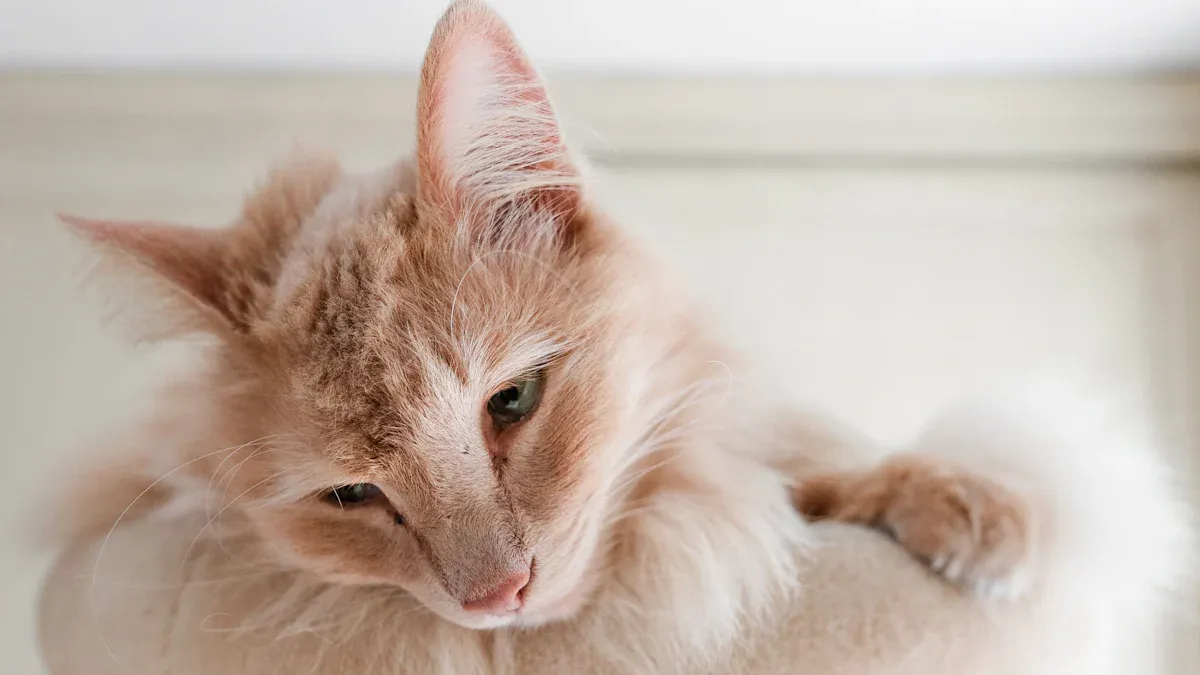
Have you ever wondered why cats knead? This behavior is completely normal and often brings comfort to your feline friend. Kneading serves as a way for cats to express their feelings and connect with their surroundings. Interestingly, kittens are more likely to knead, as they depend on their mothers for nourishment. In contrast, older cats tend to knead less frequently as they age. Understanding why do cats knead can deepen your bond with them and enhance your appreciation for their unique behaviors.
Key Takeaways
Kneading starts in kittenhood, helping them feel comfort and security from their mothers.
Adult cats knead to recreate feelings of warmth and safety, showing trust in their owners.
Kneading activates scent glands, allowing cats to mark their territory and communicate ownership.
Excessive kneading may indicate stress or anxiety; monitor your cat’s behavior for changes.
Create a comfortable environment with soft bedding and playtime to support your cat’s emotional well-being.
Origins of Kneading
Kittenhood and Nursing
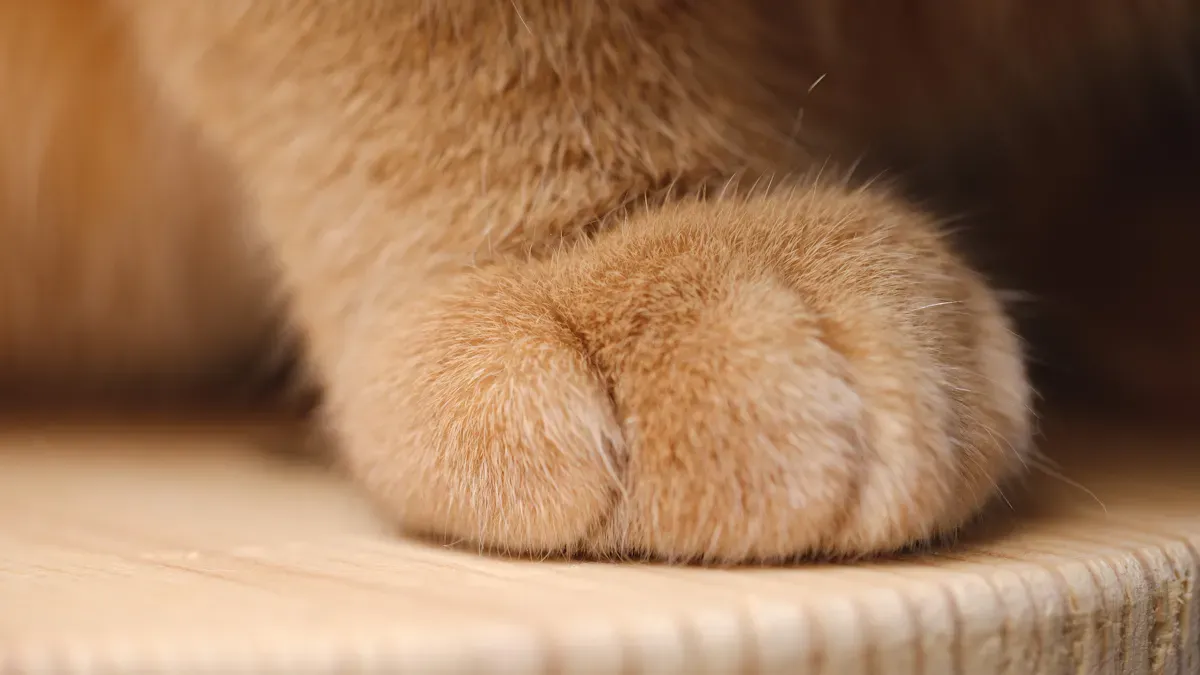
Kneading begins in kittenhood. When kittens are born, they rely on their mothers for nourishment. To stimulate milk flow, they knead their mother’s belly. This action provides comfort and security. As they grow, this behavior often continues into adulthood. You may notice your cat kneading soft surfaces, just like they did as kittens. This instinctual behavior is deeply rooted in their early experiences.
Instinctual Behaviors
Kneading is not just a habit; it has strong instinctual roots. In the wild, feline ancestors demonstrated similar behaviors. They would knead grass or leaves to create a comfortable resting area or a place to give birth. This action helped them prepare a safe space for themselves and their young. Even today, domestic cats knead to mimic these actions, creating a soft bed or checking for threats in their environment.
Here are some key points about the instinctual origins of kneading:
Kneading may come from wild ancestors who tread down grass or foliage to create a nest.
It could be a remnant of kittens kneading their mother’s teats to stimulate milk flow.
The behavior may serve as a form of communication of affection towards human companions.
Kneading also activates scent glands in the paw pads. These glands release pheromones, which help cats mark their territory. This behavior indicates that your cat feels safe, relaxed, and happy. Kneading is a vital part of their emotional well-being.
Why Do Cats Knead? Emotional Significance
Comfort and Security
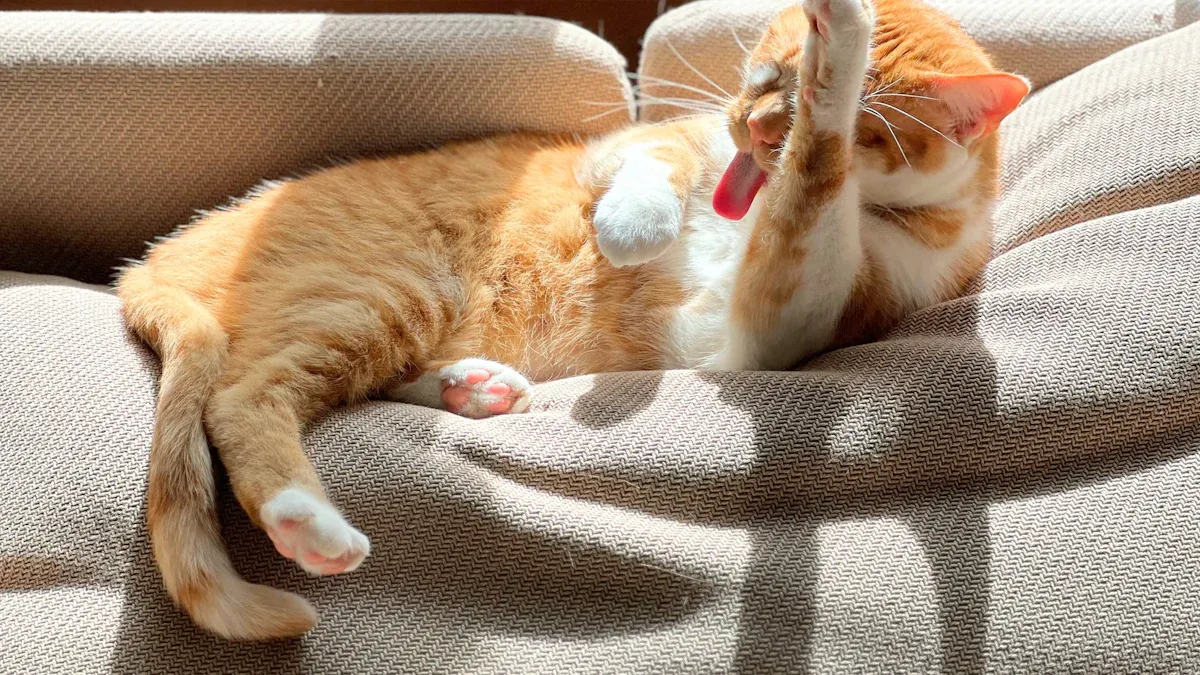
Kneading provides your cat with emotional comfort and security. This behavior often stems from their kittenhood, where kneading helped them stimulate milk flow from their mothers. As adult cats, they continue this behavior because it links to feelings of warmth and safety. When you see your cat kneading, it signals that they feel relaxed and secure in their environment.
Research shows that kneading is a natural behavior that indicates happiness and a sense of safety. Here are some key points about the comfort and security aspects of kneading:
Kneading begins at birth, providing comfort as kittens knead their mother’s belly.
Adult cats continue this behavior, associating it with feelings of warmth and security.
Kneading often occurs when cats are relaxed, indicating trust and emotional bonding.
When your cat kneads on your lap or beside you, it reflects their affection and trust. This behavior is a sign that they consider you part of their safe space.
Bonding with Owners
Kneading also serves as a bonding mechanism between you and your cat. This behavior is often seen during positive interactions, especially when you pet or cuddle your cat. Kneading while being petted shows that your cat enjoys your company and feels comfortable with you.
Veterinarians interpret kneading as a sign of trust and bonding. When your cat kneads, it reflects their comfort and affection, similar to other affectionate behaviors like nuzzling or purring. Kneading is not just a habit; it signifies a strong emotional connection between you and your feline friend.
Cat Kneading and Territory Marking
Scent Glands and Territory
Kneading serves as a non-destructive way for cats to mark their territory. When your cat kneads, it activates scent glands located in their paw pads. These glands release pheromones, which help communicate ownership of a space. As your cat kneads, they deposit these scents onto surfaces, effectively claiming them as their own. This behavior is subtle yet significant in feline communication.
Here are some key points about the role of scent glands in cat kneading:
The scent glands in cat paws release pheromones during kneading, marking territory and communicating with other cats.
Kneading allows cats to leave their scent on objects, which is a form of territorial marking.
Cats have interdigital glands in their paws that release a unique scent when kneading.
This behavior helps your cat feel secure in their environment. It also reinforces their presence in shared spaces, especially in multi-cat households.
Social Signals to Other Cats
In multi-cat households, kneading can serve as a way for cats to communicate with each other. When cats knead near one another or on shared surfaces, they reinforce social bonds. This behavior can also indicate hierarchy. Dominant cats may knead more frequently in specific areas, asserting their authority within the group.
Consider the following points about how kneading functions as a social signal:
Kneading helps establish social dynamics among cats, marking territory and reinforcing relationships.
Dominant cats may use kneading to assert their authority, while submissive cats may knead less frequently.
This behavior can indicate comfort and trust, both with humans and other cats.
By understanding these aspects of cat kneading, you can appreciate how this behavior goes beyond mere affection. It plays a crucial role in your cat’s social interactions and emotional well-being.
When Kneading Becomes a Concern
Excessive Kneading
While kneading is a common behavior in cats, excessive kneading can signal underlying issues. If you notice your cat kneading more often than usual, it may indicate anxiety or discomfort. Here are some signs that kneading has become excessive:
Your cat kneads frequently throughout the day.
Kneading occurs in unusual situations, like during stressful events.
You observe other compulsive behaviors alongside kneading.
Excessive kneading can suggest a compulsive behavioral disorder. Changes in kneading frequency warrant veterinary attention, as they may indicate pain or stress. For instance, soreness from an injury or arthritis can lead to increased kneading as a self-soothing action.
Signs of Stress or Anxiety
Kneading can also be a response to stress or anxiety. Cats often use this behavior to manage their feelings during tough times. Here are some common causes of stress that may lead to increased kneading:
Changes in routine or environment, such as moving to a new home.
The introduction of new pets or family members.
Medical conditions like arthritis, which can cause discomfort.
Increased kneading may accompany other signs of stress, such as hiding or changes in appetite. If you notice these behaviors, it may be time to consult a veterinarian. They can help determine if your cat’s kneading is a sign of a deeper issue.
Understanding what to do about cat kneading can help you support your feline friend. Providing a calm environment and addressing any changes in their life can reduce stress and promote comfort.
Managing Cat Kneading Behavior
Providing Alternatives
You can help manage your cat’s kneading behavior by offering suitable alternatives. Here are some effective strategies:
Scratching Posts: These redirect your cat’s natural scratching behavior away from furniture. They provide an outlet for kneading instincts without damaging your belongings.
Soft Bedding: Providing soft bedding can reduce stress and promote comfort. Cats often knead on soft surfaces, so having designated areas can help.
Kneading Blanket: Offer a specific blanket for kneading. This allows your cat to express their behavior without affecting your clothes or furniture.
Praise Calm Kneading: When your cat kneads calmly, give gentle praise. This reinforces positive behavior and helps them feel secure.
Creating a Comfortable Environment
Creating a comfortable environment is essential for reducing unwanted kneading. Consider these tips:
Regular Playtime: Engage in regular playtime with your cat. This reduces stress and provides mental stimulation, which can decrease excessive kneading.
Safe Spaces: Ensure your cat has plenty of soft bedding or blankets in their favorite lounging spots. This encourages relaxation and comfort.
Protective Layers: Place a thick blanket or pillow between your cat and your legs. This protects your skin while allowing them to knead.
Calming Products: Use pheromone diffusers or calming sprays. These mimic natural cat pheromones, creating a sense of safety and familiarity. They can help reduce stress behaviors, including kneading.
By implementing these strategies, you can help your cat feel more secure and comfortable. This can lead to a reduction in unwanted kneading behaviors while still allowing them to express their natural instincts.
Kneading is a natural and often positive behavior in cats. It links to comfort, instinct, and emotional security. Here are some key takeaways:
Kneading begins in kittenhood, associated with nursing.
Adult cats knead to recreate feelings of safety and warmth.
This behavior can also mark territory through scent glands.
“The reason cats knead is for comfort and affection. It is a relaxation technique; it shows they trust you and they like you,” says Dr. Elyse Kent, D.V.M.
Appreciate your cat’s kneading as a sign of affection and comfort. It strengthens your bond and enhances their emotional well-being.
FAQ
What does it mean when my cat kneads on me?
When your cat kneads on you, it shows affection and trust. This behavior indicates that your cat feels safe and comfortable in your presence.
Is kneading a sign of stress in cats?
Kneading can indicate stress if it becomes excessive. If your cat kneads more than usual, observe for other signs of anxiety or discomfort.
Can I stop my cat from kneading?
You can’t stop kneading entirely, but you can redirect it. Provide soft blankets or designated areas for kneading to protect your furniture.
Why do some cats knead more than others?
Some cats knead more due to their personality or past experiences. Kittens that kneaded more during nursing may continue this behavior into adulthood.
Is kneading harmful to my cat?
Kneading is generally harmless and a natural behavior. However, if it becomes compulsive, consult a veterinarian to rule out underlying issues.