
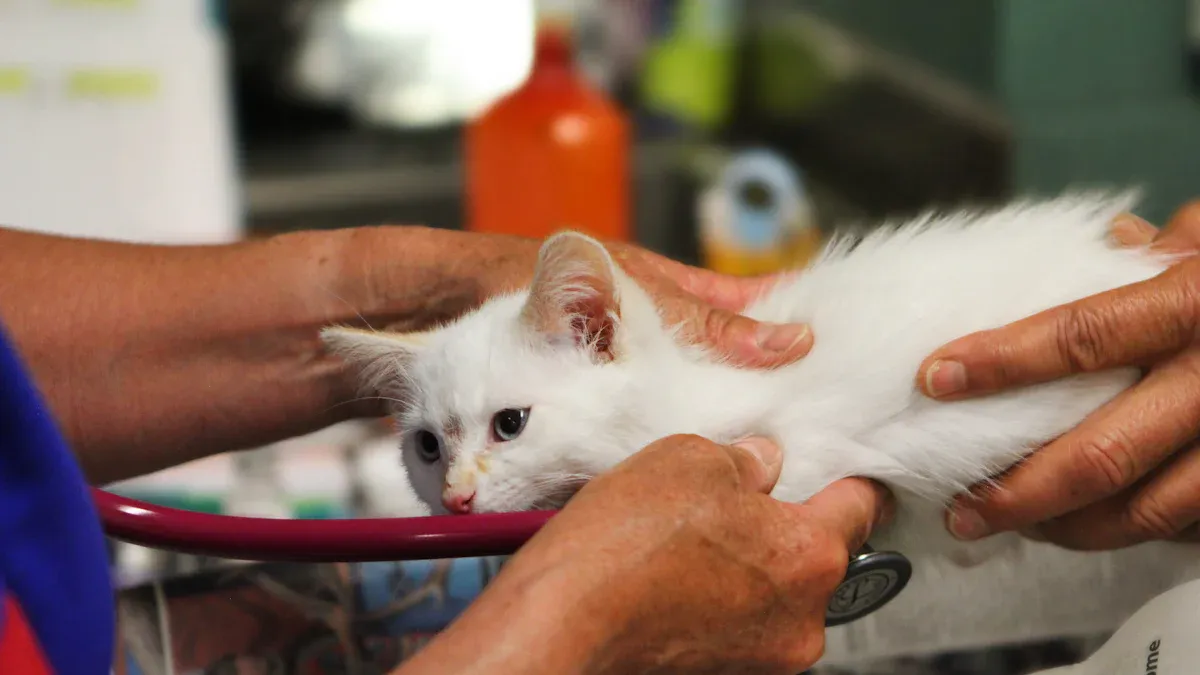
As a cat owner, you might feel worried when your furry friend refuses to eat. Understanding why your cat is not eating can help you identify potential health issues. A sudden loss of appetite can signal serious conditions such as liver disease, kidney problems, or dental pain. Ignoring these signs may lead to more severe health risks, so it’s crucial to monitor your cat’s eating habits closely.
Remember, a cat not eating for 24 hours should prompt a visit to the veterinarian.
Key Takeaways
Monitor your cat’s eating habits closely. A sudden loss of appetite can signal serious health issues.
If your cat does not eat for more than 24 hours, consult a veterinarian immediately to prevent complications.
Create a calm and inviting eating environment. This can help reduce stress and encourage your cat to eat.
Consider your cat’s food preferences. Offering wet food or warming their meals can make eating more appealing.
Regular veterinary check-ups are essential. They help identify potential health issues before they become serious.
Causes of Cat Not Eating
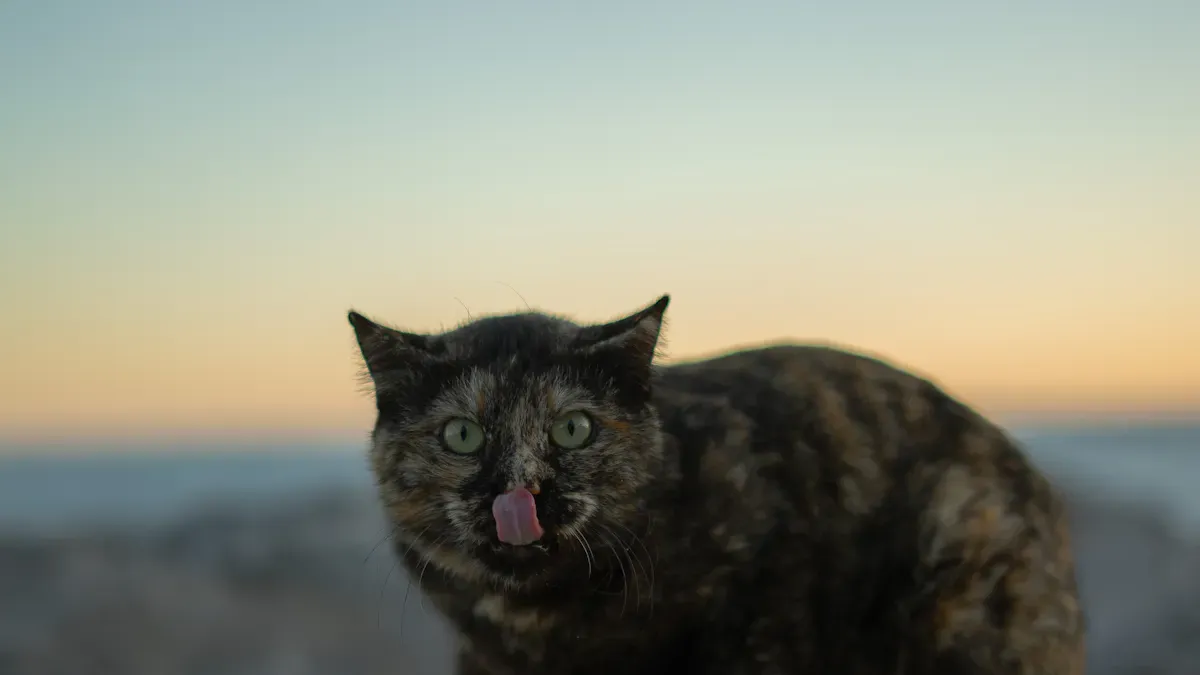
Illnesses and Health Conditions
When your cat refuses to eat, it may indicate underlying health issues. Several medical conditions can lead to a loss of appetite. Here are some common causes:
Medical Condition | Description |
|---|---|
Dental pain | Issues like gingivitis or broken teeth can cause significant discomfort. |
Kidney disease | A common issue that can lead to reduced appetite in cats. |
Liver issues | Problems with the liver can also affect a cat’s desire to eat. |
Gastrointestinal upset | Digestive issues can lead to a refusal to eat. |
Pancreatitis | Inflammation of the pancreas can cause appetite loss. |
Infections | Various infections can lead to a decrease in appetite. |
Fever or inflammation | General illness can manifest as a refusal to eat. |
Chronic kidney disease is particularly prevalent in older cats. Symptoms include weight loss, increased thirst, frequent urination, lethargy, and vomiting. Similarly, liver issues can lead to hepatic lipidosis, a serious condition characterized by poor appetite and rapid weight loss. Understanding the causes of your cat’s food refusal is essential for timely intervention.
Stress and Environmental Changes
Stress can significantly impact your cat’s eating habits. Cats are sensitive creatures, and changes in their environment can lead to decreased appetite. Common stressors include:
New pets or people in the home
Moving to a new house
Loud noises or nearby construction
A change in feeding schedule
New food bowls or litter box location
Research indicates that stress can cause cats to eat poorly, become less active, and avoid social interactions. During a study, cats exposed to stressors exhibited symptoms like vomiting, decreased appetite, and less frequent litter box use. These signs indicate a negative impact on their eating behavior.
Dental Issues
Dental problems can also lead to a cat not eating. If your cat experiences dental pain, eating may become uncomfortable. Signs of dental issues include:
Decreased or lack of appetite
Weight loss due to dental disease
Rapid weight loss can indicate pain and discomfort from stomatitis, making eating painful.
If you notice your cat eating smaller portions or skipping meals altogether, dental issues may be the cause. Regular dental check-ups can help prevent these problems and ensure your cat maintains a healthy appetite.
Encouraging a Cat Refusing to Eat
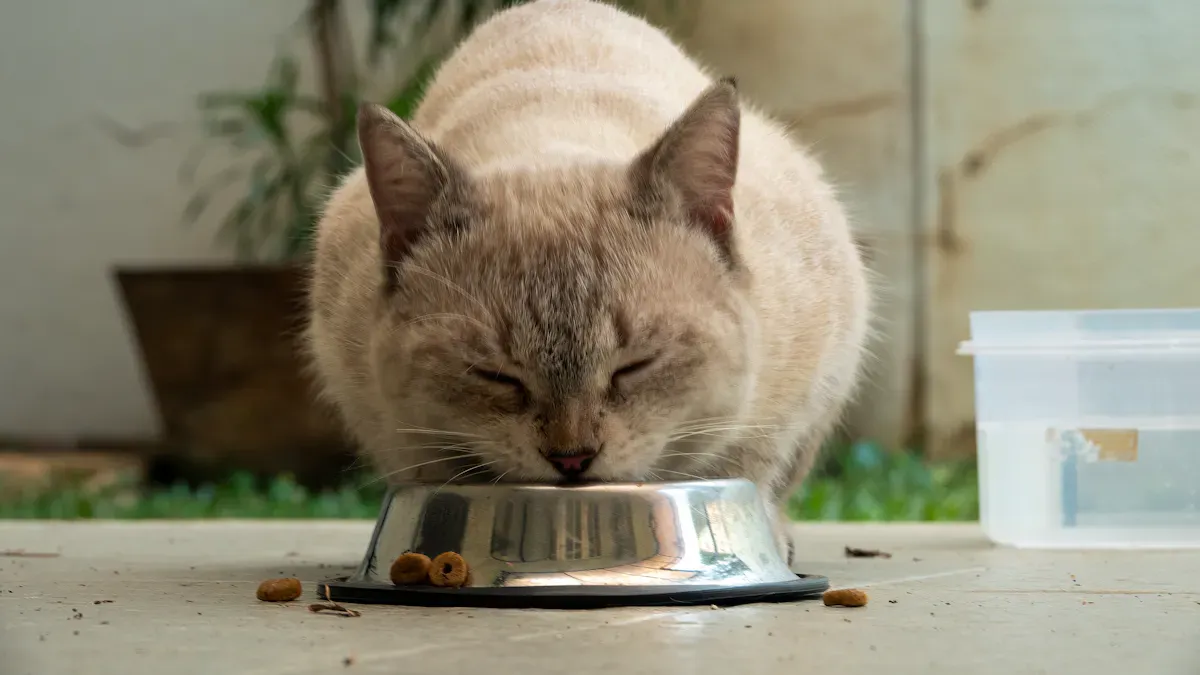
Food Options and Preferences
When your cat refuses to eat, you can try several strategies to encourage your cat to eat. Start by warming their food slightly. This enhances the aroma, making it more enticing. You can also switch to more palatable textures, such as pâté or shredded meat. Cats often prefer wet foods, as studies show they adjust their intake based on texture and moisture. Here are some additional tips to consider:
Offer flavorful additions like tuna water or low-sodium chicken broth.
Remove uneaten food within 30 minutes to keep it fresh and appealing.
Provide a variety of canned food formulations to maintain interest.
Creating a Comfortable Eating Space
The environment where your cat eats plays a crucial role in their willingness to eat. Research indicates that the location of the food bowl can significantly affect eating behavior. In multi-cat households, competition for food can lead to decreased appetite. To create a comfortable eating space, consider the following:
Place the food bowl in a quiet area away from distractions.
Use different types of bowls to see which your cat prefers.
Change the location of the food bowl occasionally to keep things interesting.
Additionally, you can simulate hunting behaviors by using foraging toys or feeding puzzles. These methods provide mental stimulation and encourage your cat to engage with their food. Remember, a calm and inviting atmosphere can help alleviate stress and encourage eating.
By implementing these strategies, you can help your cat regain their appetite and enjoy mealtime again.
When to Seek Urgent Vet Care
Signs of Serious Health Issues
If your cat is not eating, you must watch for signs that indicate a need for urgent vet care. Here are critical warning signs to consider:
Not eating for more than 24 hours
Rapid weight loss
Vomiting or diarrhea
Drooling or difficulty swallowing
Hiding or behavioral changes
Weakness or collapse
Pale gums
Severe dehydration
Persistent vomiting
Additionally, if you notice jaundice, which appears as yellowing of the gums, eyes, or skin, seek immediate veterinary attention. Other symptoms to monitor include low energy, changes in breathing, and unusual postures. These signs can indicate serious health conditions that require early diagnosis and treatment.
Duration of Appetite Loss
The duration of your cat’s appetite loss is crucial in determining the urgency of the situation. If your cat has not eaten for more than 24 hours, it is best to consult a vet. This timeframe is especially important if your cat also shows other symptoms, such as vomiting, diarrhea, or lethargy.
Cats can develop serious conditions like hepatic lipidosis if they do not eat for several days. Overweight or obese cats are at a higher risk for this condition. When food intake decreases, the liver starts breaking down body fat for energy, which can overwhelm its processing capacity.
If your cat refuses food for 24 to 36 hours without any apparent reason, even if they drink water normally, an examination by a veterinarian is recommended. Early diagnosis and treatment can prevent complications and improve your cat’s chances of recovery.
Monitoring your cat’s eating habits is essential for their health. A sudden loss of appetite can indicate serious health issues. You should observe your cat closely and consider factors like stress, dental problems, or illness.
To help your cat, create a calm feeding environment and offer appealing food options. If your cat refuses to eat for more than 24 hours, seek help from a veterinarian. Early intervention can prevent complications and support recovery. Regular veterinary checkups also play a crucial role in identifying potential health issues before they escalate.
By staying vigilant and proactive, you can ensure your cat remains healthy and happy.
FAQ
What should I do if my cat refuses to eat for more than 24 hours?
If your cat doesn’t eat for over 24 hours, consult your veterinarian. This could indicate a serious health issue that requires immediate attention.
Can stress really affect my cat’s appetite?
Yes, stress can significantly impact your cat’s appetite. Changes in their environment, such as new pets or loud noises, can lead to decreased eating.
How can I tell if my cat has dental problems?
Look for signs like difficulty eating, drooling, or bad breath. If your cat shows these symptoms, schedule a veterinary dental check-up.
What types of food are best for encouraging my cat to eat?
Offer wet food, as it tends to be more appealing. You can also try warming the food or adding flavorful toppings like tuna water.
Is it normal for cats to skip meals occasionally?
Yes, it’s normal for cats to skip a meal now and then. However, if this behavior lasts more than a day, monitor for other symptoms and consult a vet.