
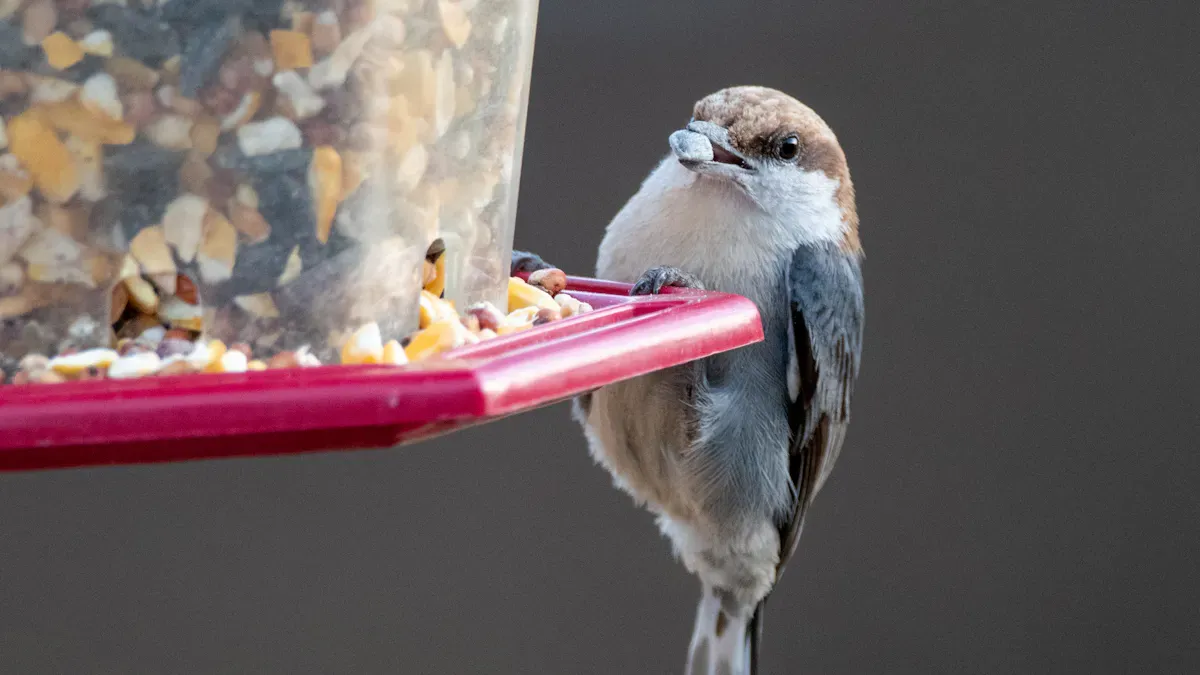
A balanced diet plays a crucial role in your bird’s health and longevity. Providing the right foods can significantly enhance their well-being. Here are some key points about the importance of a nutritious diet for birds:
Balanced nutrition is linked to increased longevity, with birds potentially living for decades with proper care.
A healthy diet is essential for their well-being, contributing to their overall health.
Birds on nutritionally deficient diets face higher disease rates and shorter lifespans.
Understanding these factors helps you make informed choices in your bird diet plan.
Top Foods for Birds
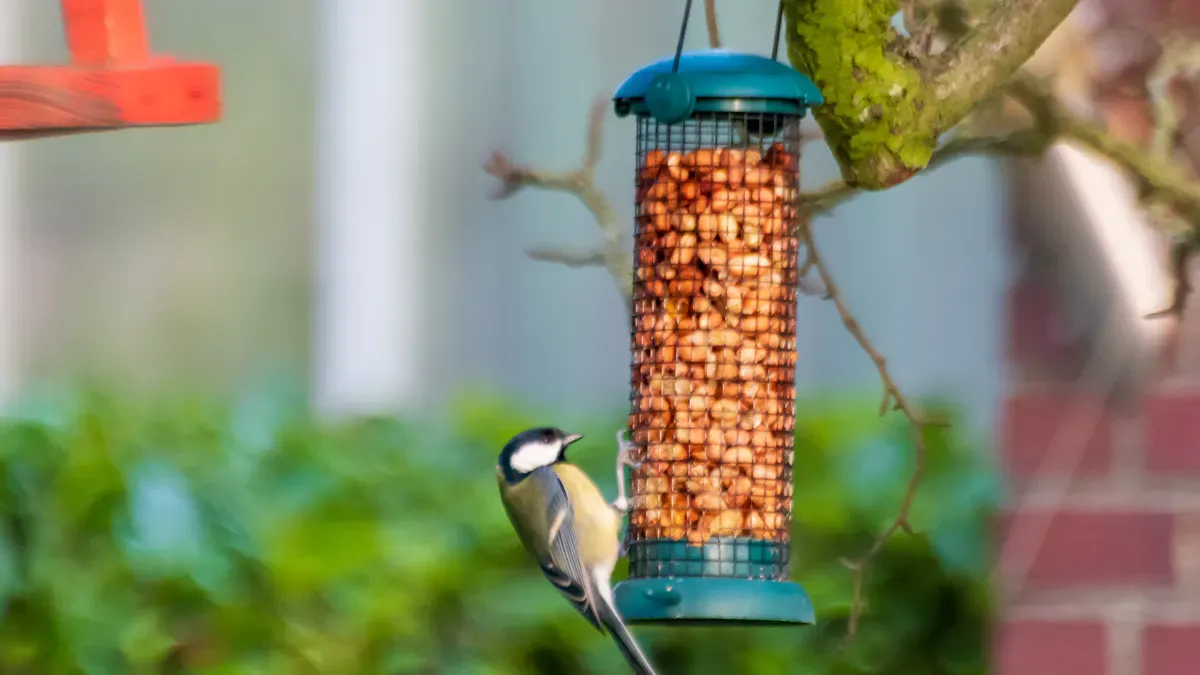
Sunflower Seeds
Sunflower seeds are a favorite among many birds. They are high in fat, providing essential energy. Birds can easily crack them open, making them accessible. However, be cautious with portion sizes. Overfeeding can lead to health issues, such as moldy seeds and disease.
Nyjer Seeds
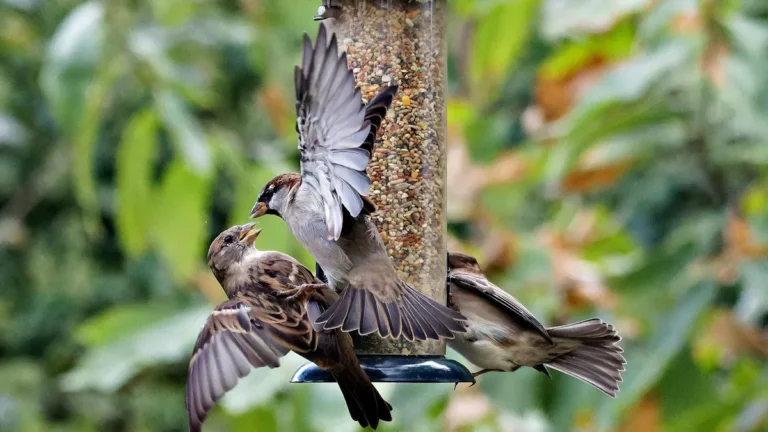
Nyjer seeds are tiny but packed with nutrients. They are especially popular with finches like American Goldfinches and Pine Siskins. These seeds are high in fat and protein, making them an excellent energy source. You can offer them in feeders designed specifically for small seeds.
Millet
Millet is a versatile grain that many birds enjoy. It is a good source of carbohydrates and can be offered in various forms, such as sprays or loose seeds. This food is particularly appealing to ground-feeding birds.
Peanuts
Peanuts are rich in protein and healthy fats. They can positively influence your bird’s growth and health. Incorporating peanuts into their diet can enhance nutrient digestibility. Just remember to offer them in moderation to avoid excessive fat intake.
Mealworms
Mealworms are a nutritious snack, especially for insectivorous birds. They provide essential protein, which supports feather growth and muscle development. Many birds love mealworms, especially during nesting season when they need extra energy.
Safflower Seeds
Safflower seeds are similar to sunflower seeds but have a slightly bitter taste. They are rich in healthy fats and carbohydrates. Cardinals and some grosbeaks prefer these seeds, making them a great addition to your bird diet plan.
Quality Pellets
Quality pellets offer balanced nutrition for your birds. They prevent picky eating and come in various shapes and sizes. Look for pellets that contain proteins, carbohydrates, fats, vitamins, and minerals to ensure your birds receive all necessary nutrients.
Fresh Vegetables
Fresh vegetables are vital for a bird’s diet. Dark leafy greens like kale and broccoli provide essential vitamins. You can mix them into your bird’s meals or offer them as treats. Avoid harmful vegetables like avocado and onion.
Fresh Fruits
Fresh fruits should be a staple in your bird’s diet. They provide essential fiber, vitamins, and minerals. Offer fruits like apples, berries, and bananas in moderation. These fruits are not only nutritious but also delicious for your feathered friends.
Calcium Sources
Calcium is crucial for strong bones and healthy feathers. Foods like kale, broccoli, and almonds are excellent sources. Ensure your birds receive enough calcium, especially during breeding seasons, to support their overall health.
Nutritional Benefits
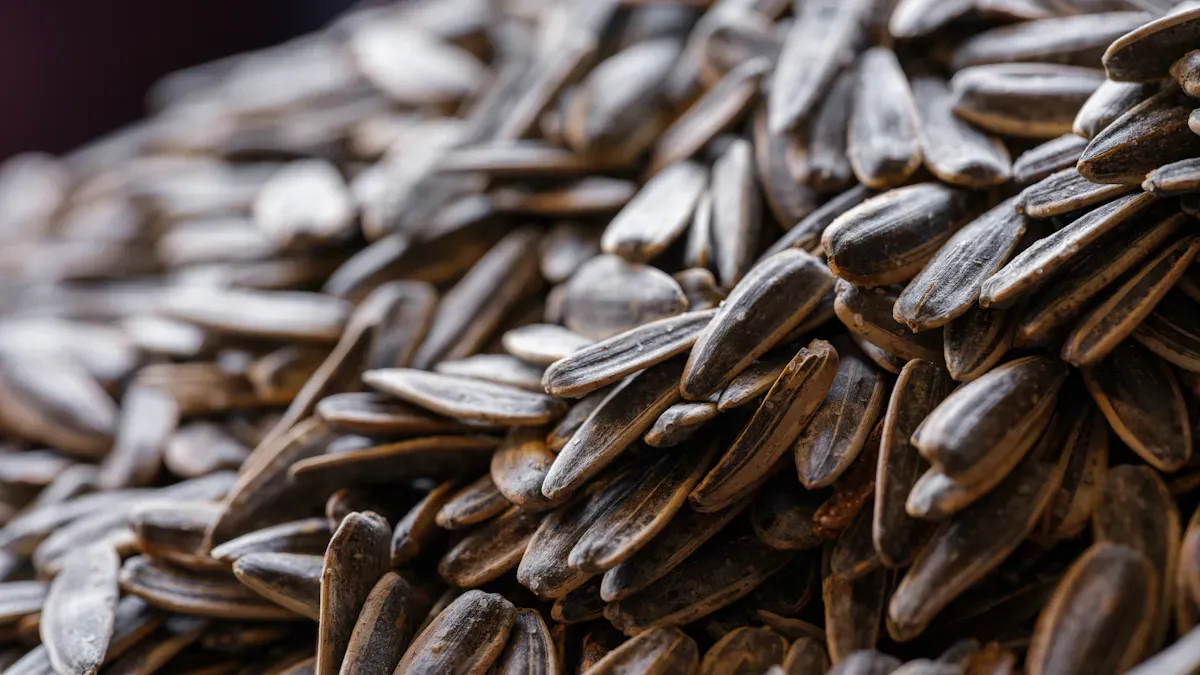
Vitamins and Minerals
Vitamins and minerals play a vital role in your bird’s health. They support various bodily functions, from immune response to feather development. Here’s a breakdown of essential vitamins and minerals, along with their food sources:
Vitamin/Mineral | Function | Food Sources |
|---|---|---|
Calcium | Bone strength, feather development, blood clotting, egg production | Cuttlebone, mineral blocks, calcium perch |
Vitamin A | Eye, feather, reproductive, immune health | Beta carotene-rich foods |
Vitamin E | Antioxidant, protects vitamins | Nuts, seeds, green leafy vegetables |
Vitamin D3 | Calcium absorption, bone health | Sunlight, full-spectrum lighting |
B-complex vitamins | Nutrient breakdown | Whole grains, legumes, vegetables |
Including foods rich in these nutrients can prevent deficiencies. For example, a lack of Vitamin A can lead to dull feathers and respiratory infections. You can avoid this by offering orange and dark green foods like sweet potatoes and leafy greens. Similarly, ensuring adequate Vitamin D3 helps maintain strong bones and balance.
Protein Sources
Protein is crucial for your bird’s growth, feather development, and overall health. Different bird species have varying protein needs. For instance, rapidly growing babies require about 20% of their diet to be protein, while adult birds need around 10-15%. During molting, birds may need increased protein intake. Here are some excellent protein sources to consider:
Bird Type | Protein Requirement |
|---|---|
Rapidly Growing Babies | 20% of diet |
Adult Birds | 10-15% of diet |
Molting Birds | Increased protein intake needed |
You can incorporate protein-rich foods such as cooked quinoa, chickpeas, lentils, hemp seeds, and raw pumpkin seeds into their diet. These options not only provide essential protein but also add variety to their meals.
Fiber and Digestive Health
Fiber is essential for maintaining digestive health in birds. It aids in digestion and helps prevent issues like constipation. There are two types of dietary fiber: insoluble and soluble. Insoluble fiber limits access to digestive enzymes, promoting gut health, while soluble fiber creates a viscous environment that supports beneficial bacteria.
Here are some excellent sources of fiber for your birds:
Type of Fiber | Role in Digestive Health |
|---|---|
Insoluble | Limits access of digestive enzymes, promotes gut health |
Soluble | Creates viscous conditions, fermented by microflora, increases SCFA, decreases intestinal pH, stimulates beneficial bacteria like Lactobacillus |
Fresh fruits and vegetables, especially leafy greens like kale, spinach, and romaine lettuce, are fantastic sources of fiber. Including these in your bird diet plan can enhance their digestive health and overall well-being.
Incorporating Foods into the Bird Diet Plan
Meal Planning
Planning balanced meals for your bird is essential for their health. You should focus on a mix of pelleted food, fresh produce, and occasional seeds or nuts. Here are some guidelines to help you create a nutritious meal plan:
Pelleted Food: Choose species-specific pellets that provide balanced nutrition.
Fresh Produce: Include safe fruits and vegetables like collard greens, zucchini, and apples.
Occasional Seeds or Nuts: Treats should be high in fat and offered sparingly.
Avoid: Stay away from toxic foods like avocado, chocolate, and caffeine.
By following these guidelines, you can ensure your bird receives a well-rounded diet that supports their overall health.
Portion Control
Portion control is crucial in preventing obesity and ensuring your bird gets the right nutrients. Here’s a simple approach to managing portions:
Week One: Offer 75% seeds and 25% pellets.
Week Two: Adjust to 50% seeds and 50% pellets.
Week Three: Shift to 25% seeds and 75% pellets.
Week Four: Further reduce seeds for larger parrots.
This gradual transition helps your bird adapt to a healthier diet without overwhelming them. Additionally, consider daily vitamin and mineral supplements for birds on a seed-heavy diet. Use powdered vitamins on fresh food rather than seeds or water.
Variety and Rotation
Providing a variety of foods is vital for your bird’s mental and physical health. A monotonous diet can lead to serious health issues, including obesity and malnutrition. Here are some benefits of rotating different foods:
Mixing ingredients like quinoa, carrots, and hemp seeds offers a range of nutrients.
Rotating foods keeps mealtime exciting, preventing boredom.
Introducing fresh foods in various formats enriches their eating experience.
A diverse diet allows your bird to experience different tastes and textures. This variety mimics their natural foraging behavior, encouraging them to engage with their food actively. By incorporating fruits, vegetables, and pellets, you can prevent nutritional deficiencies and promote overall well-being.
A balanced diet is essential for your bird’s health and happiness. Incorporate a variety of foods, including whole grains, fresh greens, and proteins, to mimic their natural foraging behavior. This variety meets their nutritional needs and enriches their lives.
Tip: Consult with an avian veterinarian regularly. They can help you adjust your bird’s diet based on its species, age, and health status. Annual wellness exams are recommended for healthy birds, while more frequent visits are crucial for young or senior birds.
By monitoring your bird’s health and diet, you can prevent nutritional imbalances and ensure a long, healthy life for your feathered friend.
FAQ
What should I avoid feeding my bird?
Avoid foods like avocado, chocolate, caffeine, and high-sugar items. These can be toxic or harmful to your bird’s health. Stick to safe fruits, vegetables, and seeds.
How often should I feed my bird fresh food?
You should offer fresh fruits and vegetables daily. Remove any uneaten food after a few hours to prevent spoilage and keep your bird healthy.
Can I give my bird table scraps?
It’s best to avoid table scraps. Many human foods contain salt, sugar, or spices that can harm your bird. Stick to bird-safe foods for their diet.
How do I know if my bird is getting enough nutrients?
Monitor your bird’s weight, feathers, and energy levels. A healthy bird has bright feathers and is active. Consult a vet if you notice any changes.
Is it okay to feed my bird only seeds?
Feeding only seeds can lead to nutritional deficiencies. Include a variety of pellets, fresh fruits, and vegetables to ensure a balanced diet for your bird.