
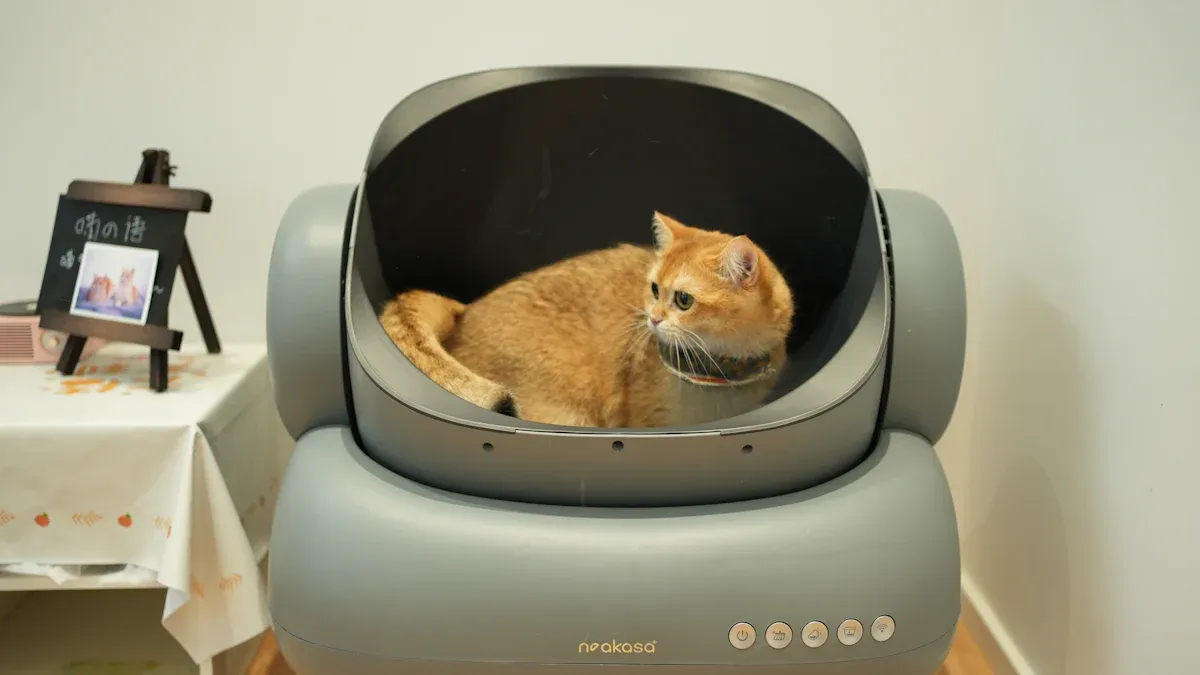
Have you ever found yourself frustrated when your beloved cat suddenly decides to avoid the litter box? You might wonder, “Why is this happening?” This issue affects many cat owners and can lead to serious consequences. In fact, house-soiling is a primary reason that cats are surrendered to shelters. Understanding why your cat avoids the litter box is crucial for finding effective solutions. By addressing these cat litter box problems, you can create a more comfortable environment for your furry friend.
Key Takeaways
Regularly clean the litter box to keep it inviting. Scoop daily and wash weekly to encourage your cat to use it.
Choose the right size litter box. It should be at least 1.5 times your cat’s length for comfort.
Monitor your cat’s health for signs of discomfort. Health issues like UTIs can lead to litter box avoidance.
Create a calm environment. Reduce stress by addressing changes in the home and using calming products.
Be patient with retraining. Use positive reinforcement and ensure the box is accessible and clean.
Health Problems

When your cat starts avoiding the litter box, health problems could be the culprit. One of the most common issues is a urinary tract infection (UTI). This painful condition can make it uncomfortable for your cat to urinate. As a result, they may associate the litter box with pain and choose to eliminate elsewhere.
Urinary Tract Infections
A UTI can lead to several distressing symptoms. You might notice your cat making frequent trips to the litter box but producing little urine. They may also strain to urinate or vocalize during elimination. In some cases, you could even see blood in their urine. These signs indicate that your cat is in discomfort, which can lead to them not using the litter box at all.
Here’s a quick overview of common health problems that can cause your cat to avoid the litter box:
Medical Condition | Description |
|---|---|
Urinary Tract Infections (UTIs) | Cats may associate the litter box with pain, leading to avoidance. |
Bladder Stones or Crystals | Can cause pain during urination, prompting cats to eliminate outside the box. |
Constipation or Gastrointestinal Issues | May make litter box use uncomfortable, leading to avoidance. |
Arthritis or Mobility Issues | Older cats may struggle with high-sided boxes, necessitating lower-entry options. |
Other Health Conditions | Conditions like kidney disease and diabetes can also affect litter box habits. |
Other Health Issues
Beyond UTIs, other health issues can also contribute to litter box avoidance. For instance, chronic kidney disease (CKD) leads to increased urination. This can overwhelm your cat, causing them to have accidents outside the litter box. Similarly, diabetes causes excessive thirst and urination, which can make your cat associate the litter box with discomfort.
If your cat has arthritis, they might find it hard to jump into a high-sided litter box. This can discourage them from using it altogether.
It’s essential to recognize that pain or discomfort from these medical issues can create negative associations with the litter box. As one expert noted, “Conditions like Feline Idiopathic Cystitis (FIC), urinary tract infections (UTIs), kidney disease, or arthritis can make using the box painful. If your cat associates the box with pain, they may look for a ‘safer’ spot, like your bed or a pile of laundry.”
If you notice your cat exhibiting signs of discomfort or inappropriate elimination, it’s crucial to consult a veterinarian. They can help identify any underlying health issues and provide appropriate treatment. Early intervention is key to resolving these litter box issues effectively.
Box Setup
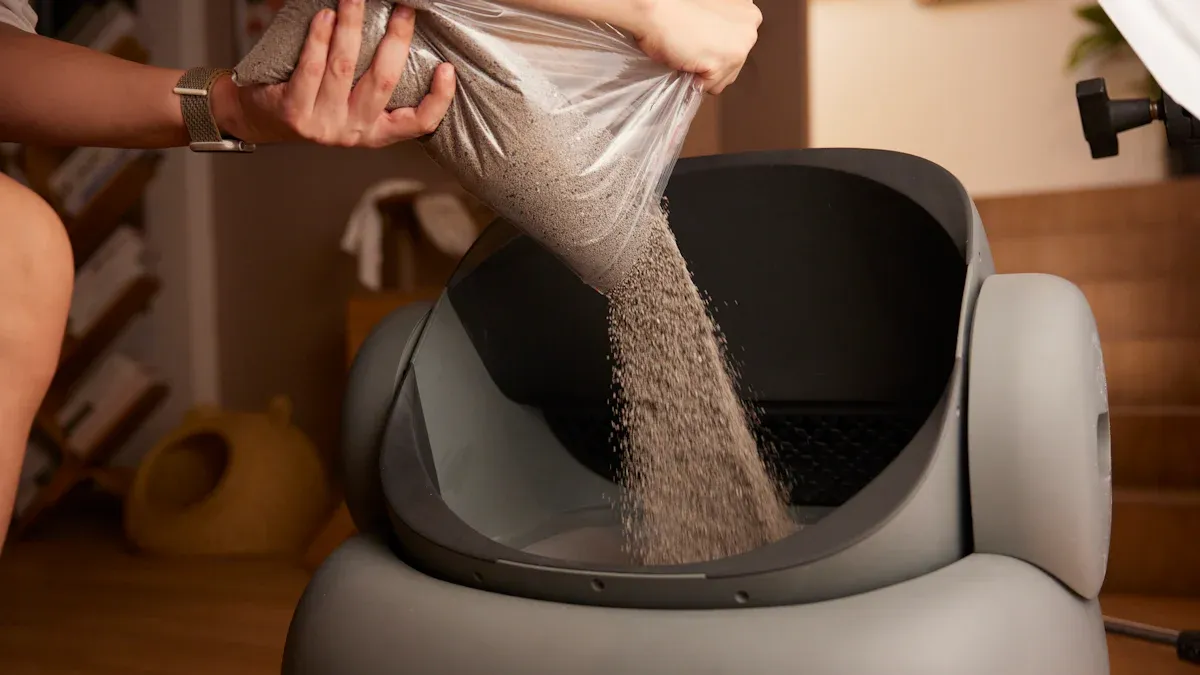
When it comes to cat litter box problems, the setup of the box plays a crucial role. You want to create an inviting space for your cat, and that starts with cleanliness.
Cleanliness
Cats are naturally clean animals. If their litter box isn’t clean, they may refuse to use it. To keep your cat happy and healthy, follow these cleaning guidelines:
Cleaning Frequency | Task Description |
|---|---|
Daily | Scoop all litter boxes at least once daily, preferably twice. Check for changes in elimination patterns, urine color, or stool consistency. |
Weekly | Empty boxes completely, wash with mild dish soap and hot water, dry thoroughly, and refill with fresh litter. Avoid harsh chemicals or strongly scented cleaners that may deter use. |
Monthly | Replace all litter completely, inspect boxes for cracks or damage that retain odors, and sanitize surrounding floor areas. |
A study comparing traditional litter boxes with the Litter-Robot 4 shows that cleanliness significantly affects cat usage rates. The research found that less litter dispersion correlates with a cleaner environment, which is crucial for encouraging cats to use the litter box.
Size and Number of Boxes
The size of the litter box matters too. A box that’s too small can make your cat feel cramped and uncomfortable. Here are some guidelines for choosing the right size:
The litter box should be at least 1.5 times the length of your cat (from nose to tail base).
For a cat measuring 16 inches, a 24-inch box is recommended.
For an 18-inch cat, a 27-inch box is suggested.
Large breeds may require boxes that are 30–35 inches long.
In multi-cat households, the number of boxes is just as important. Veterinarians often recommend the ‘+1’ rule, which means having one litter box for each cat, plus one additional box. This ensures that every cat has access to a clean, private space. For example:
For two cats, you should have three boxes.
For three cats, four boxes are ideal.
Providing multiple litter boxes can help reduce the incidence of feline lower urinary tract disease (FLUTD) by minimizing stress-related triggers such as territorial competition. Some cats may prefer to urinate in one box and defecate in another, indicating that multiple boxes cater to their natural behaviors.
By ensuring your cat has a clean, appropriately sized litter box in a suitable location, you can significantly reduce the chances of them pooping outside the litter box.
Stress Factors
Cats are sensitive creatures, and changes in their environment can lead to stress. When your cat feels stressed, they might start avoiding the litter box. Understanding these stress factors can help you create a more comfortable space for your furry friend.
Environmental Changes
Several environmental changes can trigger stress in your cat. Here are some common culprits:
Introduction of new pets or family members
Relocation to a new home
Dirty or smelly litter boxes
Boxes placed in noisy or hard-to-reach locations
Preferences for certain litter textures or scents
When you introduce new pets or move to a new home, your cat may feel anxious. They thrive on routine, and any disruption can lead to litter box issues. Research shows that various environmental stressors, including moving and changes in household routines, can lead to litter box problems in cats. It’s essential to consider the stress levels of all cats in your home, not just the one avoiding the box.
Calming Solutions
To help your cat feel more at ease, consider implementing some calming solutions. Here are a few options that can make a difference:
Use pheromone diffusers to promote calmness.
Consider calming products like Feliway or similar pheromone diffusers.
For particularly stressed cats, natural remedies such as calming supplements or herbs can be beneficial.
Pheromone therapy has been shown to help cats that avoid the litter box due to stress or anxiety. By creating a more comfortable and familiar environment, you can encourage your cat to use the litter box again.
If you notice your cat is pooping outside the litter box, it’s crucial to assess their environment. Addressing stress factors and providing calming solutions can significantly improve their litter box habits.
Behavioral Issues
When it comes to your cat avoiding the litter box, behavioral issues can play a significant role. One of the main reasons is negative associations. If your cat has had a bad experience with the litter box, they might start to avoid it altogether.
Negative Associations
Cats can develop a fear of their litter box for various reasons. For instance, if they were startled by a loud noise while using it or if another pet attacked them nearby, they might associate the box with danger. This fear can lead to your cat not using the litter box and opting for other areas in your home instead.
Here are some common negative associations that can cause litter box avoidance:
Loud noises: Sudden sounds can scare your cat while they’re using the box.
Previous punishment: If you scolded your cat for accidents, they might link the litter box to negative experiences.
Resource guarding: In multi-cat households, one cat may prevent others from using the box, leading to accidents elsewhere.
Litter box preferences: Cats can be picky about the type of litter or cleanliness, which can impact their willingness to use the box.
Understanding these associations is crucial. If your cat feels stressed or threatened, they may choose to eliminate outside the litter box, leading to inappropriate elimination.
Litter Box Training
Training your cat to use the litter box is essential, especially if they’ve developed avoidance behaviors. Here are some effective techniques to help you retrain your cat:
Choose a spacious litter box with low sides for easy access.
Experiment with different types of litter to find your cat’s preference.
Introduce your cat to the box after meals or when they wake up.
Use positive reinforcement, like treats, when your cat uses the box correctly.
Keep the litter box clean by scooping daily and changing the litter regularly.
Address any accidents promptly with enzymatic cleaners to remove odors.
Monitor your cat’s behavior for signs of litter box aversion.
Be patient and consistent with your training efforts.
Provide multiple litter boxes if you have several cats or a multi-level home.
Consult your veterinarian for persistent issues.
Most cats instinctively prefer a clean litter box. With patience and encouragement, you can help your cat overcome their avoidance behavior. Remember, understanding the reasons behind their actions is key to successful retraining.
By addressing negative associations and implementing effective litter box training, you can create a more positive experience for your cat. This will help them feel safe and comfortable using their litter box again.
Understanding why your cat avoids the litter box is essential for their well-being. Key reasons include health problems, box setup issues, stress factors, and behavioral concerns. Addressing these issues promptly can prevent further complications.
Here are some quick tips to help you get started:
Clean the litter box regularly.
Ensure the box is the right size and in a quiet location.
Monitor your cat’s health for any signs of discomfort.
If you notice persistent problems, don’t hesitate to consult a veterinarian or an animal behaviorist. They can provide valuable insights and solutions tailored to your cat’s needs.