
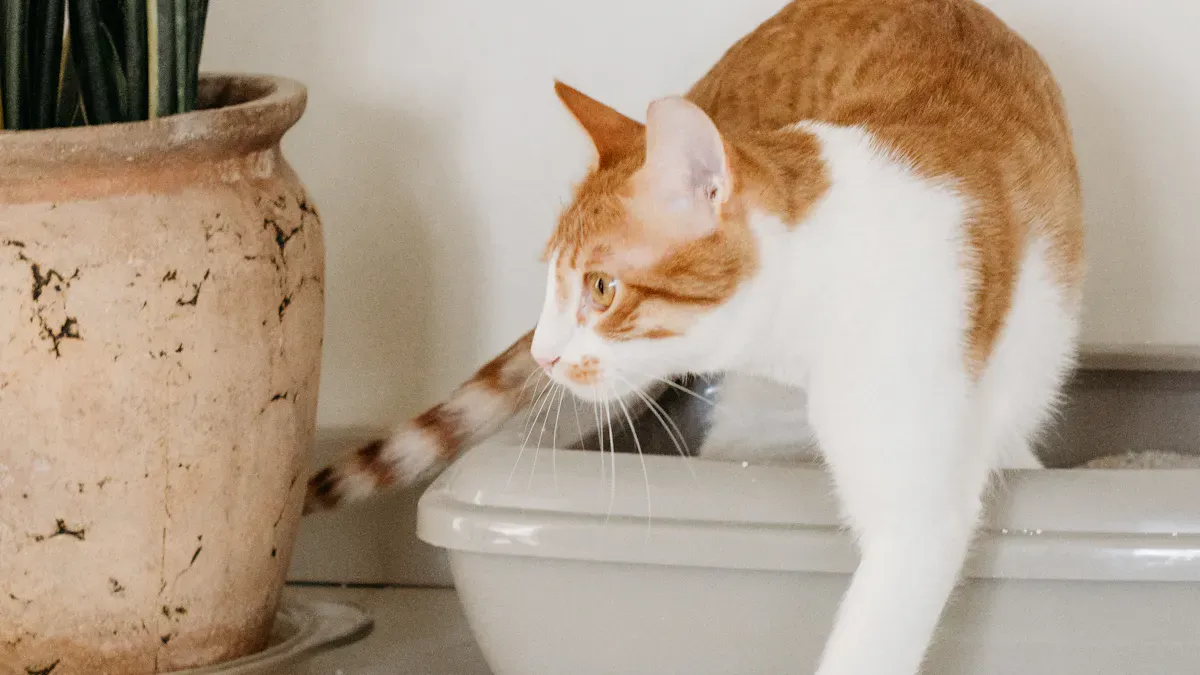
Choosing the right cat litter box types for your feline friend is crucial for their comfort and health. Did you know that at least 10% of all cats develop elimination problems due to inappropriate litter box selection? Cats have different needs based on their size, age, and behavior. For instance, a kitten may require a low-entry box, while a senior cat might prefer a larger, easily accessible option. Understanding these differences helps ensure your furry friend feels safe and comfortable when using their litter box.
Evidence Type | Description |
|---|---|
Litter Box Size | Cats prefer larger boxes, which can influence their excretion behavior and reduce house-soiling issues. |
Litter Type Preference | Cats show a strong preference for clumping clay litter over non-clumping types, affecting their comfort during excretion. |
Texture and Scent | Fine, sand-like textures and unscented litters are preferred, as they align with natural behaviors of covering excrement. |
Behavioral Changes | A comfortable litter environment promotes normal urination behavior and reduces house-soiling incidents. |
Selecting the right cat litter box types can make a significant difference in your cat’s well-being.
Key Takeaways
Choose a spacious litter box to allow your cat to move comfortably and reduce elimination issues.
Select a box that is easy to clean to maintain hygiene and encourage regular use.
Understand your cat’s preferences for open or covered boxes to create a comfortable environment.
Place the litter box in a quiet, low-traffic area to promote usage and reduce stress.
Consider your cat’s age and health needs when selecting a litter box type for optimal comfort.
Importance of Cat Litter Box Types
Behavior and Health
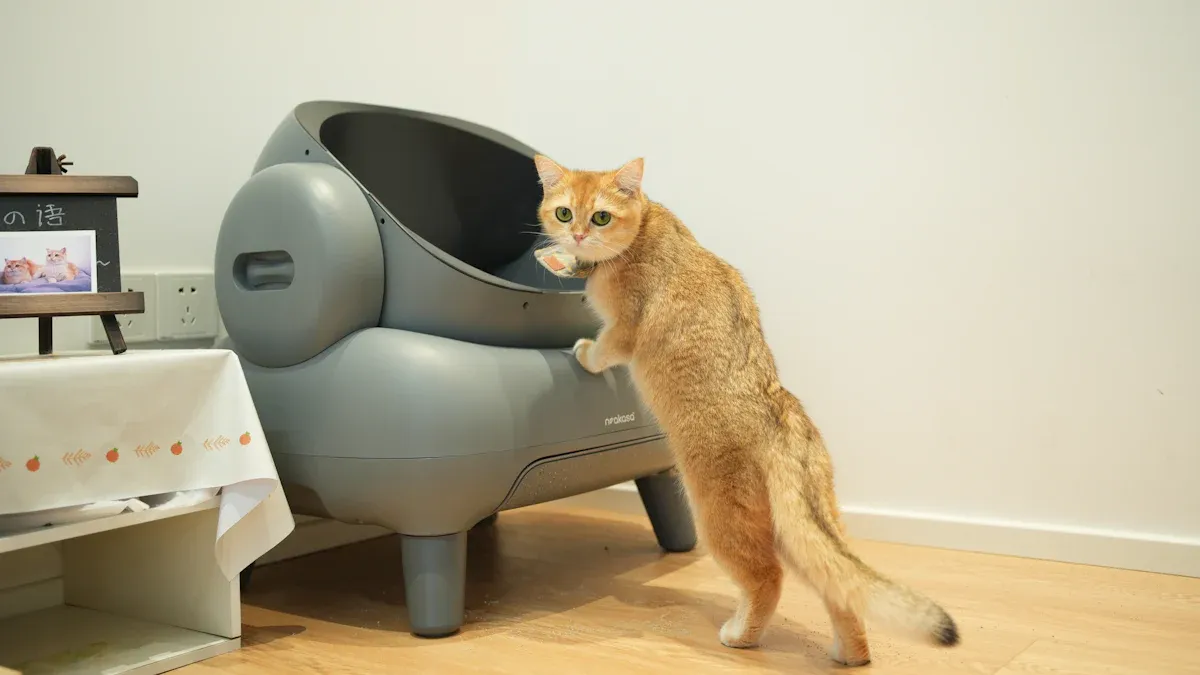
Choosing the right cat litter box types can significantly impact your cat’s behavior and overall health. When you select a box that suits your cat’s preferences, you help create a positive environment for them. Here are some key points to consider:
A cat’s aversion to the litter box can lead to house soiling. This behavior often indicates that your cat dislikes the type of box or litter you provide.
Cats have specific preferences for surfaces and locations. If the litter box isn’t to their liking, they may refuse to use it altogether.
Medical issues, like urinary tract disorders, can also change how your cat eliminates. This connection shows that the type of litter box you choose can influence both behavior and health outcomes.
By understanding these factors, you can make informed decisions that promote your cat’s well-being.
Stress Reduction
The right litter box can also help reduce stress in your cat. Research shows that certain types of boxes can create a more comfortable experience for your furry friend. For example, a study by Ellis et al. (2015) found that:
Study | Key Finding |
|---|---|
Ellis et al. (2015) | 60-70% of cats preferred open boxes; 75%+ for outdoor experience cats. |
Stress Assessment | Enclosed boxes linked to higher cortisol levels: 36% in multi-cat homes, 42% in anxious cats. |
Behavioral Observation | Less avoidance in open-top boxes, reducing litter box avoidance issues. |
These findings suggest that providing an open litter box can lower stress levels, especially for anxious cats. When your cat feels secure and comfortable, they are less likely to avoid the litter box, which can lead to better health and happiness.
Types of Litter Boxes
Open vs. Covered
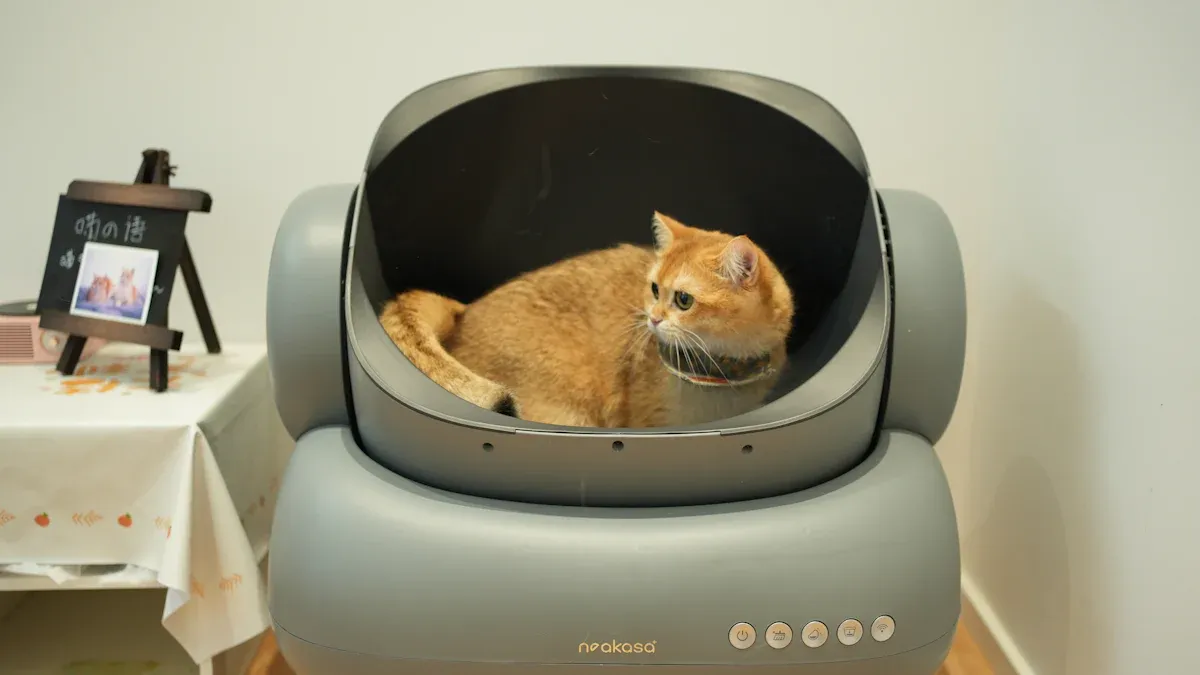
When choosing between open and covered litter boxes, consider your cat’s preferences. Open boxes are popular because they allow easy access and ventilation. Many cats feel more comfortable in these spaces, as they can see their surroundings. This visibility can reduce stress and encourage regular use. However, open boxes may lead to litter scatter and odor issues.
On the other hand, covered boxes offer privacy and better odor control. Many cat owners prefer them for their ability to contain smells and reduce litter spread. They can keep your home cleaner, but they require regular cleaning to maintain freshness. If the box becomes too dirty, your cat might avoid it. Remember, cats generally prefer larger and cleaner litter boxes, so choose wisely!
Self-Cleaning Options
Self-cleaning litter boxes are a modern solution for busy cat owners. These automatic options remove waste shortly after your cat uses the box. This feature minimizes odors and bacteria growth, creating a consistently clean environment. It’s especially beneficial in multi-cat households, where cleanliness is crucial.
However, some cats may be frightened by the noise of self-cleaning mechanisms. If your cat is sensitive, they might avoid using the box altogether. Additionally, these boxes often require specific litter types, which may not align with your cat’s preferences. While they offer convenience, be cautious and observe your cat’s behavior to ensure they adapt well.
Low-Entry for Kittens and Seniors
Low-entry litter boxes are perfect for kittens and senior cats. Their design minimizes strain on joints, making it easier for older cats to access the box. For new kittens, a low entry height helps them learn to use the box without difficulty.
Here are some features that make low-entry boxes suitable:
Feature | Description |
|---|---|
Low Entry Design | Entry height under 10 cm minimizes strain on joints for easy access. |
Large Size | Ample space allows easy movement and positioning for comfort. |
Easy-to-Clean Design | Important for older cats sensitive to odors, encouraging regular use. |
These boxes help prevent injuries and ensure that your furry friends feel comfortable and secure while doing their business.
Choosing Based on Cat Needs
Kittens and Seniors
When selecting a litter box for kittens and senior cats, you want to consider their unique needs. Both groups require easy access and comfort. Here are some key factors to keep in mind:
Size: Choose a box that is large enough for your cat to enter and turn around comfortably.
Shape: Consider whether a covered or uncovered box suits your cat’s preferences.
Material: Opt for durable, non-porous materials that are easy to clean and help control odors.
Safety Features: Ensure there are no sharp edges or harmful parts in the design.
Ease of Cleaning: Select boxes that are convenient to clean to maintain hygiene.
For kittens, the box should have low sides to help them learn to use it without difficulty. Senior cats may also benefit from low-entry boxes to avoid straining their joints.
Category | Kittens | Senior Cats |
|---|---|---|
Litter Box Accessibility | Edges should not be too high for easy entry and exit. | Similar accessibility needs; may require lower edges for ease. |
Litter Management | Discuss appropriate management and locations to ensure proper use. | May house-soil due to medical or behavioral conditions. |
Litter Preferences | Offer choices in separate boxes to express preferences. | Preference for unscented clumping litter if there are urinary issues. |
Box Locations | Provide multiple boxes in quiet, accessible locations. | Same recommendation for accessibility, especially in multi-cat homes. |
Cleaning | Regular cleaning and avoidance of strong chemicals are essential. | Regular cleaning is crucial to prevent aversion to the box. |
Special Needs Cats
Cats with special needs may require additional considerations when it comes to their litter box. These cats can be fussy about their environment, so it’s essential to create a comfortable space for them. Here are some tips:
Accessibility: Choose litter boxes with low-to-the-ground entryways for easy access. You might also consider boxes that can be modified for lower entry or add ramps for accessibility.
Substrate Variety: Some cats may develop aversions to certain substrates due to negative experiences. Offering multiple types of litters can help you find what works best for your cat.
Location: Ensure the box is placed in a quiet, low-traffic area. This can help reduce anxiety and encourage use.
Cats with mobility issues may benefit from elevated litter boxes, which can reduce physical strain for both the cat and the owner.
Multi-Cat Households
If you have multiple cats, choosing the right litter box setup is crucial for maintaining harmony. Here’s what you should consider:
Number of Boxes: The general rule is to have one litter box per cat, plus one extra. This means if you have three cats, you should have four boxes.
Placement: Distribute litter boxes throughout your home in quiet, low-traffic areas. Ensure boxes are easily accessible and not near food or water bowls. Cats prefer to keep their eating and elimination areas separate.
Cleaning: Regularly clean each box to prevent odors and ensure a pleasant experience for your cats. Clustering boxes can lead to territorial disputes, so proper placement can alleviate stress and prevent behavioral issues.
Remember, most cats are willing to share resources if they feel secure. The conflict often arises not from the physical box but from competition for resources and overwhelming scents. By providing clean and strategically placed litter boxes, you can minimize the reasons for conflict in multi-cat homes.
Choosing the right litter box for your cat is essential for their comfort and health. Remember these key points:
Size Matters: Ensure the box is spacious enough for your cat to move freely.
Ease of Cleaning: Look for boxes that are easy to maintain.
Understand Preferences: Some cats prefer covered boxes for privacy, while others like open ones for visibility.
Location is Key: Place the litter box in a quiet area to encourage use.
By considering your cat’s unique needs, you can create a positive litter box experience that promotes their well-being.
FAQ
What size litter box should I choose for my cat?
Choose a litter box that allows your cat to turn around comfortably. Generally, larger boxes work best, especially for bigger breeds. A good rule is to select a box that’s at least one and a half times your cat’s length.
How often should I clean the litter box?
You should scoop the litter box daily to keep it clean. Change the litter completely and wash the box with soap and water every 1-2 weeks. Regular cleaning helps prevent odors and encourages your cat to use the box.
Can I use any type of litter in a self-cleaning box?
No, self-cleaning boxes often require specific types of litter. Check the manufacturer’s guidelines to ensure compatibility. Using the wrong litter can damage the mechanism or make it less effective.
Why does my cat avoid the litter box?
Cats may avoid the litter box due to cleanliness, location, or type of litter. Stress, medical issues, or a dislike for the box’s design can also contribute. Observe your cat’s behavior to identify the cause.
How many litter boxes do I need for multiple cats?
The general rule is to have one litter box per cat, plus one extra. This means if you have three cats, you should have four boxes. This setup helps reduce territorial disputes and encourages regular use.