
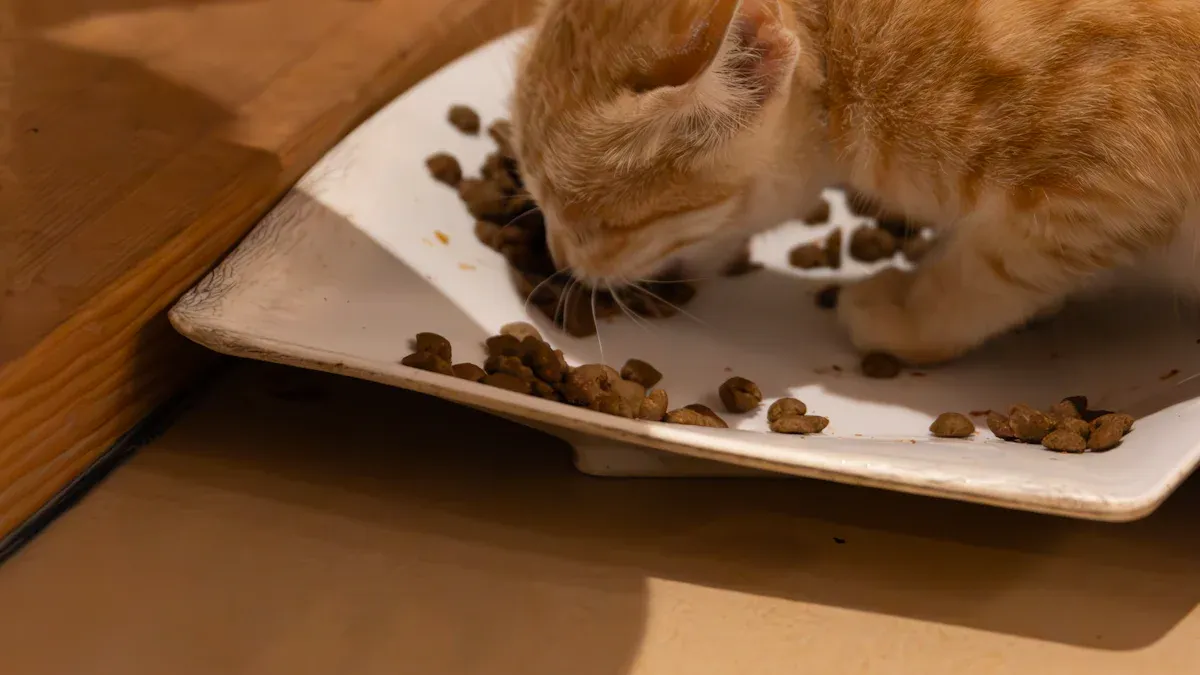
Monitoring your cat’s weight is crucial for their health. Sudden cat weight gain can lead to serious issues like diabetes, heart disease, and even a shorter life expectancy. Understanding what causes these changes helps you take action early. Keep an eye on your furry friend to ensure they stay happy and healthy!
Medical Causes of Cat Weight Gain
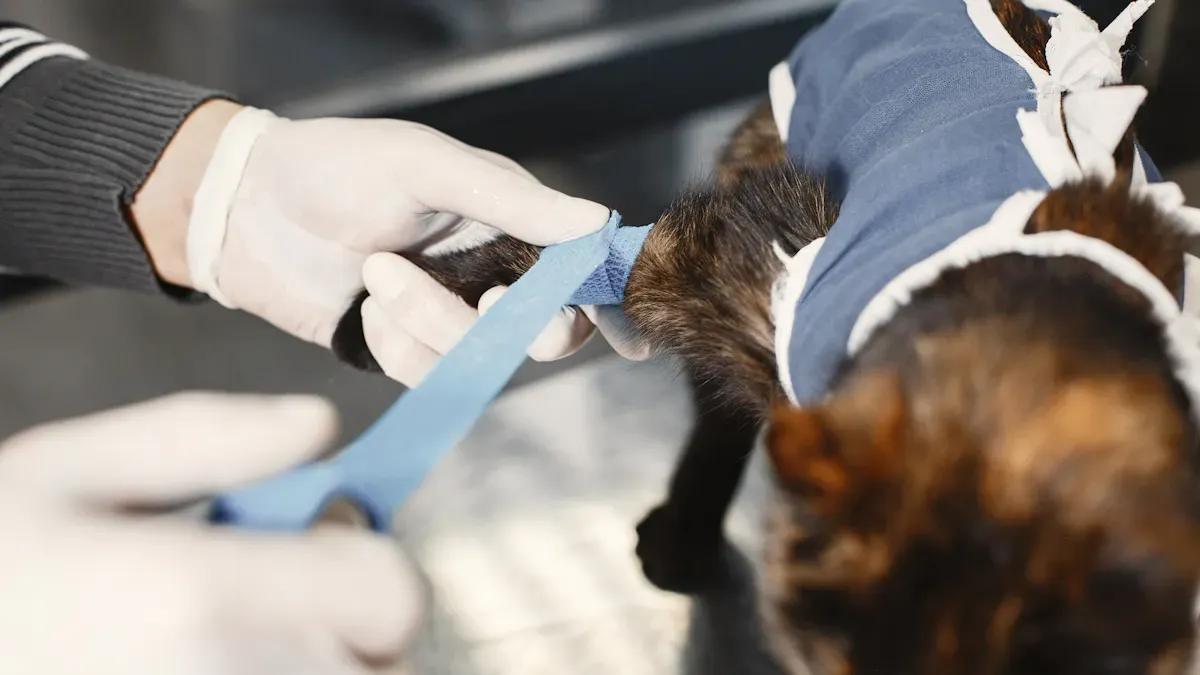
When you notice sudden weight gain in your cat, it’s essential to consider potential medical causes. Various health issues can lead to unexpected changes in your cat’s weight. Here are some common conditions to be aware of:
Hypothyroidism and Diabetes
Hypothyroidism is rare in cats, but it can occur. This condition happens when the thyroid gland doesn’t produce enough hormones, leading to weight gain. On the other hand, diabetes mellitus is more common. In diabetic cats, the body struggles to absorb glucose, which can lead to weight loss despite a good appetite. You might notice your cat drinking more water and urinating frequently—these are early signs of diabetes.
Tip: If you see these symptoms, consult with a veterinary professional. Early diagnosis can help manage the condition effectively.
Cushing’s Disease and Fluid Retention
Cushing’s disease, also known as hyperadrenocorticism, can cause various symptoms, including weight gain. Cats with this condition may develop a pendulous abdomen and muscle loss. Interestingly, while some cats gain weight, others may lose it. This variability makes it crucial to monitor your cat’s overall health.
Fluid retention can also lead to weight gain. Conditions like congestive heart failure can cause fluid to accumulate in the abdomen, giving your cat a pot-bellied appearance. Here are some symptoms of fluid retention to watch for:
Abdominal swelling
Decreased appetite
Low energy
Coughing or trouble breathing
If you notice any of these signs, it’s time to seek veterinary advice.
Effects of Spaying and Neutering
Spaying and neutering can significantly impact your cat’s weight. After these procedures, hormonal changes can lead to increased appetite and a decreased metabolic rate. Studies show that about 26% of cats gain weight within six months after being spayed or neutered. This weight gain can range from 3% to 53%.
Evidence Type | Description |
|---|---|
Hormonal Changes | Spaying/neutering reduces sex hormones, affecting metabolism. |
Increased Appetite | Lower estrogen levels can lead to increased hunger. |
Decreased Metabolic Rate | Neutered cats burn fewer calories, which can lead to weight gain if their diet remains unchanged. |
If you notice unexplained weight gain in your cat, it’s vital to consult with a veterinary professional. They can help identify any underlying health issues and create a personalized weight management plan. Regular check-ups are essential for keeping your cat healthy and happy.
Dietary Influences on Weight Gain
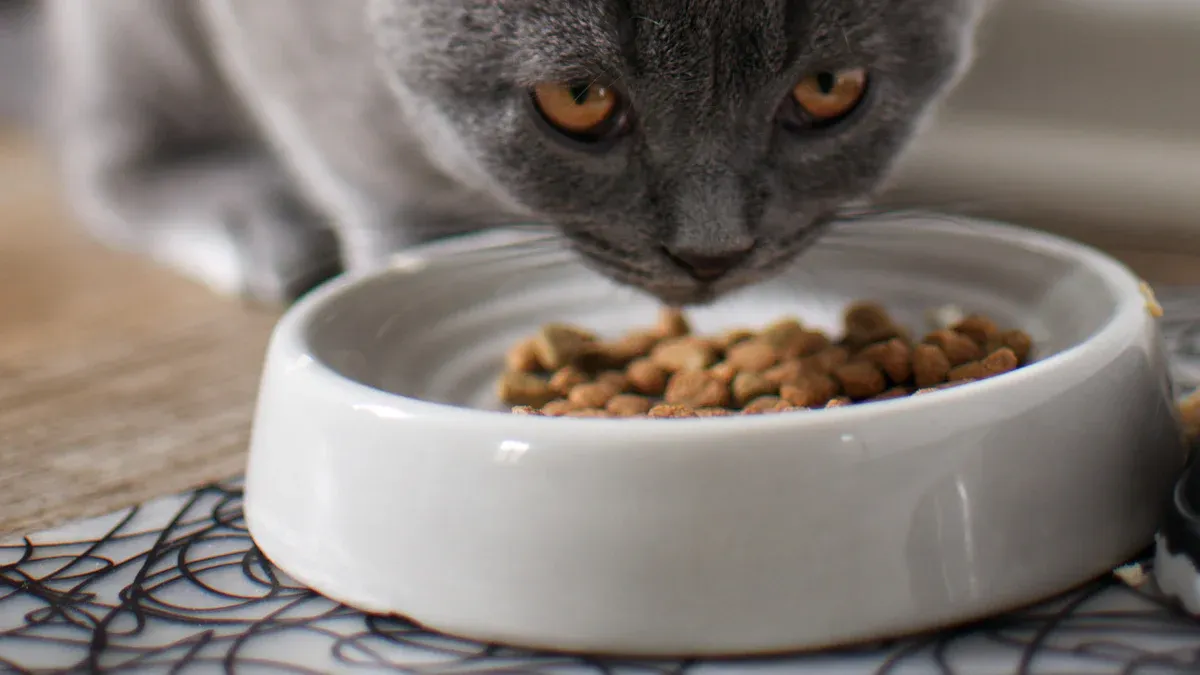
Overfeeding and Portion Control
Overfeeding is one of the most common reasons for cat weight gain. When you leave food out all day, your cat may snack mindlessly. This free-feeding approach can lead to excess body fat over time. Instead, consider measuring your cat’s food portions. Guessing can result in overfeeding, which is a significant contributor to weight gain in cats. Here are some common dietary mistakes that lead to weight gain:
Free-feeding your cat all day long.
Guessing portions instead of measuring.
Giving too many treats or the wrong kinds.
Feeding the wrong food for your cat’s age.
Not adjusting for your cat’s activity level.
To help your cat achieve a healthy weight, you should adjust their diet based on their age and activity level. Indoor cats typically require fewer calories than outdoor cats. Using a gram scale to measure food portions is the best way to ensure accuracy.
Overfeeding not only leads to weight gain but also affects your cat’s digestive health. Studies show that excessive food intake reduces nutrient digestibility and alters gut microbiota. This can complicate your cat’s overall health. As your cat gains weight, their body condition score (BCS) increases, indicating a higher risk of obesity-related health issues.
Evidence Type | Description |
|---|---|
Digestive Efficiency | Overfeeding reduces nutrient digestibility and gastrointestinal transit time. |
Weight Gain Impact | Cats’ body condition score (BCS) increased significantly due to overfeeding. |
Metabolic Changes | Overfeeding leads to metabolic abnormalities like glucose intolerance. |
Low-Quality Food and Nutritional Needs
The quality of your cat’s food plays a crucial role in weight management. Low-quality diets often lack essential nutrients, leading to overeating as your cat tries to meet its nutritional needs. When choosing cat food, look for options labeled “weight management” or “healthy weight.” These formulas are typically lower in calories and fat while providing more nutrients per serving.
Feeding your cat a balanced diet helps prevent nutrient deficiencies and supports weight loss when fed as directed. Cats with lower energy requirements are at greater risk of deficiencies when fed less food. Therefore, it’s essential to adjust their diet according to their age and health status.
Here are some tips for maintaining a healthy diet for your cat:
Choose high-quality commercial diets that meet your cat’s nutritional needs.
Monitor the caloric intake from treats, as excessive treats can lead to weight gain.
Incorporate enrichment activities to promote physical activity alongside dietary changes.
By focusing on proper nutrition and portion control, you can help your cat maintain a healthy weight and avoid the pitfalls of obesity.
Behavioral Factors Leading to Weight Gain
Sedentary Lifestyle and Activity Levels
Your cat’s activity level plays a significant role in their weight management. If your feline friend leads a sedentary lifestyle, they are more likely to gain weight. Indoor cats, in particular, face a higher risk of becoming overweight due to limited opportunities for exercise. A lack of physical activity can slow down their metabolism and lead to muscle loss.
To keep your cat active, aim for at least 20-30 minutes of playtime each day. Here are some fun activities to consider:
Use interactive toys that encourage your cat to chase and pounce.
Set up a laser pointer for them to chase around the room.
Create obstacle courses with boxes or tunnels.
By promoting regular exercise, you can help prevent excess body fat and maintain a healthy weight.
Stress, Boredom, and Begging Behaviors
Stress and boredom can also lead to weight gain in cats. Some cats may overeat as a way to cope with stress, while others might lose their appetite altogether. If your cat seems anxious or bored, they might turn to food for comfort.
To combat this, provide plenty of environmental enrichment. Here are some ideas:
Rotate toys regularly to keep things fresh and exciting.
Create vertical spaces for climbing and exploring.
Spend quality time playing with your cat to strengthen your bond.
Additionally, free-feeding can lead to overeating, especially if your cat lacks stimulation. Instead, consider measured meals to help control their calorie intake. By addressing these behavioral factors, you can help your cat avoid gaining weight for no apparent reason and support their overall well-being.
Factor | Description |
|---|---|
Inappropriate Food Intake | Overeating can occur if cats are free fed; measured meals can help control this. |
Physical Inactivity | Lack of exercise increases the risk of becoming overweight or obese. |
Age | Older cats may eat the same amount but require fewer calories. |
Spay/Neuter Status | Metabolism slows post-surgery, but proper diet and exercise can prevent weight gain. |
By understanding these behavioral influences, you can create a weight loss plan that works for your cat and helps them stay healthy.
Monitoring your cat’s weight is vital for their health. Regular weigh-ins, visual checks, and vet visits help you catch any sudden changes early. Here are some proactive steps you can take:
Measure meals to avoid overfeeding.
Limit treats to 10% of daily calories.
Engage your cat with toys and climbing structures.
By staying informed and taking action, you can help your cat maintain a healthy weight and enjoy a longer, happier life.