
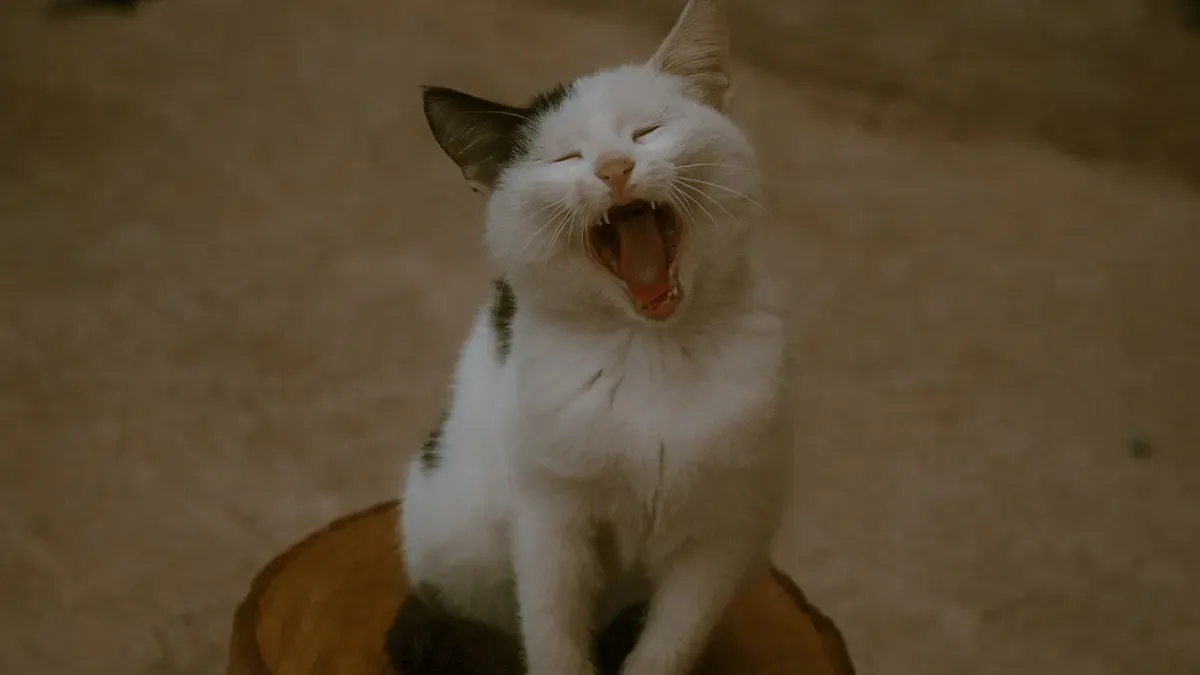
The gentle sound of a cat’s purr can soothe your soul. Many people associate this comforting noise with a cat’s happiness and contentment. However, you might wonder, why do cats purr? This behavior is far more complex than it seems. Research shows that purring can stem from various reasons. A study of 280 mixed-breed cats revealed that genetics play a role in how and why cats purr. This indicates that purring is not solely about feeling relaxed. Understanding these hidden reasons can deepen your bond with your feline friend.
Key Takeaways
Cats purr to express happiness and comfort, signaling they feel safe and relaxed.
Purring strengthens the bond between cats and humans, enhancing communication and emotional connection.
The vibrations from purring have healing properties, promoting recovery and reducing stress for cats.
Kittens use purring to communicate with their mothers, indicating needs for attention and comfort.
Purring can also signal distress or pain, so observe your cat’s behavior for context.
Contentment in Purring
Relaxation and Comfort
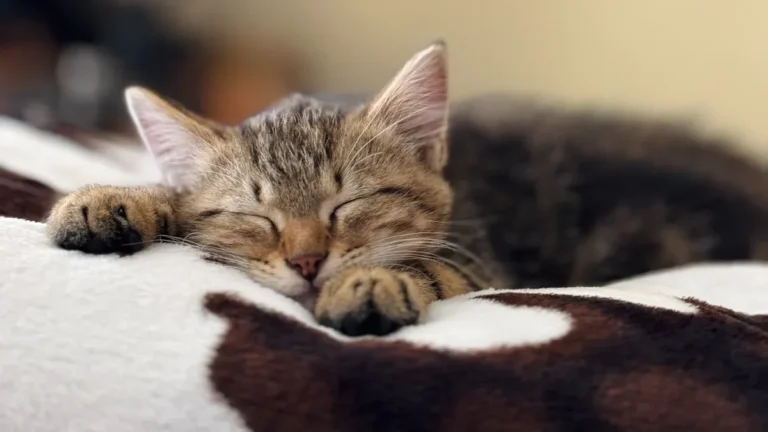
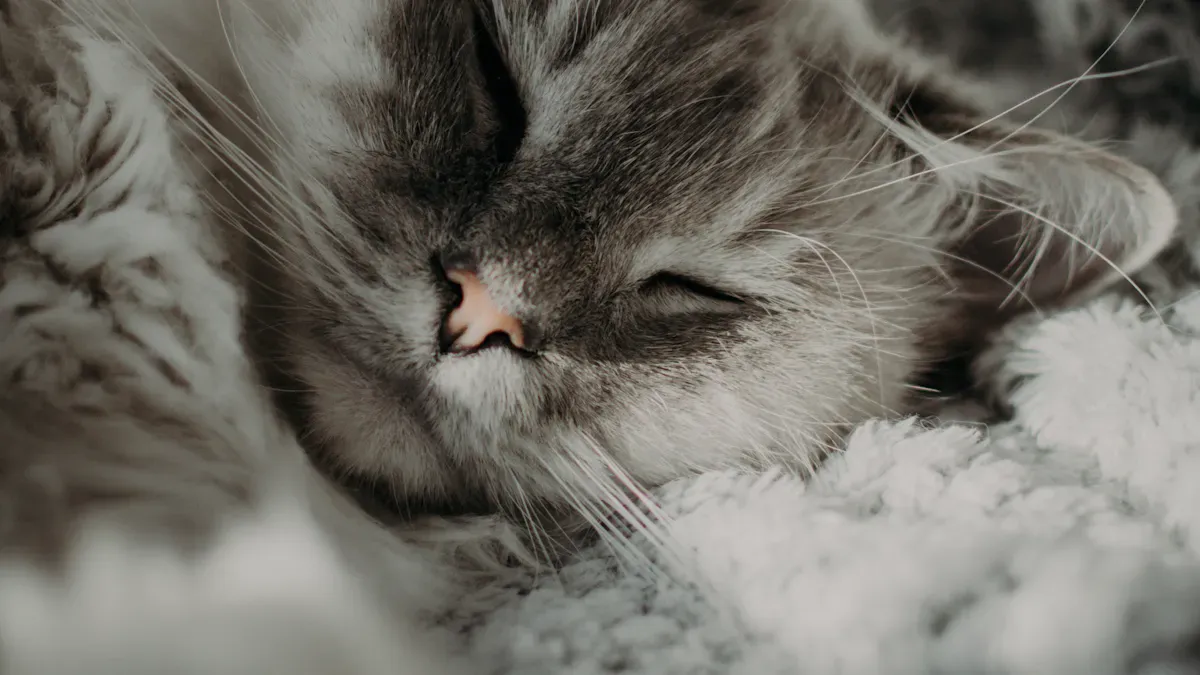
When you hear a cat’s purr, it often signals relaxation and happiness. This soothing sound can indicate that your feline friend feels safe and comfortable. Purring serves as a natural response that helps cats regulate their breathing. It promotes calmness and maintains a steady breathing rate, especially during sleep.
Here are some physiological changes that occur in cats during relaxation linked to purring:
Purring helps cats regulate their breathing, promoting calmness and a regular breathing rate, especially during sleep.
The soothing vibrations of a cat’s purr can lower stress and trigger the body’s relaxation response, contributing to emotional well-being.
Purring regulates the autonomic nervous system, which controls involuntary functions like heart rate and breathing.
These factors show that when cats purr, they are not just expressing contentment; they are also engaging in a form of self-soothing.
Bonding with Humans
Purring also plays a significant role in strengthening the bond between you and your cat. Research shows that cats tend to purr more often when interacting with humans than when they are alone. This behavior suggests that they seek to communicate their feelings and enhance their connection with you.
During moments of petting or close contact, cats often increase their purring frequency. This indicates that they feel relaxed and secure in your presence. The act of petting a purring cat enhances the human-animal bond, providing companionship and reducing feelings of isolation.
Consider these points about the bond formed through purring:
Purring fosters a sense of connection and relaxation for humans.
It serves as a form of communication that enhances the relationship between cats and their owners.
Hearing a cat purr while petting it can enhance the bond between you and your pet, contributing to feelings of comfort and overall well-being.
This emotional exchange deepens the bond between you and your feline companion, making purring a vital aspect of your relationship.
Healing Benefits of Purring
Built-in Healing Mechanism
Purring serves as a remarkable built-in healing mechanism for cats. Research by Elizabeth von Muggenthaler shows that the frequency of a cat’s purr typically ranges from 25 to 150 Hertz. This frequency has healing properties that can benefit your cat’s health. Frequencies between 20 to 50 Hz can increase bone density and relax tense muscles. These findings suggest that when your cat purrs, it may be engaging in a form of self-healing.
The vibrations from a purring cat can also promote tissue regeneration and reduce pain. This means that purring not only comforts your cat but also helps it recover from injuries or stress. You might notice that your cat purrs more when it feels unwell or after a stressful experience. This behavior indicates that your feline friend instinctively uses purring as a way to heal itself.
Stress Relief for Cats
Purring acts as a powerful self-soothing mechanism for cats. It helps them calm down and alleviate stress. Here are some key points about how purring contributes to stress relief:
Purring can lower blood pressure and reduce anxiety in both cats and humans.
The vibrations from a cat’s purr create a calming effect, helping your cat feel more secure.
Purring is not just a sign of contentment; it also allows cats to calm themselves during distress.
Veterinary studies confirm that the frequency of a cat’s purr has therapeutic benefits. For instance, research from the University of Pennsylvania shows that petting a purring cat can lower blood pressure and heart rate within five minutes. This means that when you interact with a purring cat, you both experience health benefits.
Communication Through Purring
Kittens and Purring
Kittens begin purring shortly after birth. This early purring indicates their contentment and helps them communicate with their mother. Here are some key points about how kittens use purring:
Purring serves as a request for attention or food.
Different types of purrs exist, including those that solicit food, characterized by a higher pitch.
Mother cats purr more intensely after giving birth to bond with their kittens.
Purring provides warmth and comfort to newborns.
While purring often signals happiness, it can also indicate mild discomfort or stress. This dual purpose of purring helps kittens express their needs effectively.
Attention-Seeking Behavior
Adult cats also use purring as a way to communicate with you. They purr not only when they feel happy but also when they are injured or in distress. This behavior serves several purposes:
Cats purr to solicit care and attention from humans.
You may notice your cat purring when it wants to be fed or cuddled.
Purring can create a calming atmosphere, encouraging you to respond to your cat’s needs.
Understanding that cats purr to communicate can enhance your relationship with them. By recognizing the context of their purring, you can better respond to their needs and strengthen your bond.
Purring in Distress
Signs of Pain
Purring can sometimes signal that your cat is in pain or feeling anxious. While you may associate purring with happiness, it can also indicate distress. Here are some signs to watch for:
Purring may occur when your cat feels fear or pain, especially in more gentle cats.
Excessive purring can signal distress rather than contentment.
Some cats may purr continuously as a self-soothing mechanism during stressful situations.
Veterinarians often observe that cats purr during veterinary exams or after injuries. This behavior shows that purring is not just a sign of happiness; it can also happen when cats feel anxious or unwell.
Seeking Comfort
Cats purr in various situations, including when they seek comfort. They may purr when they are hungry, hurt, or scared. This behavior serves as a self-soothing mechanism, similar to how you might comfort yourself in stressful moments. Here are some contexts where you might notice your cat purring:
Cats often purr when they are happy and relaxed, but they also do so when they feel unwell.
Observations show that cats may purr together when one is unwell, suggesting a form of “purr therapy.”
Cats have been noted to purr during labor and even right before death, indicating the complex emotional responses they experience.
Understanding these signs can help you respond appropriately to your cat’s needs. If you notice your cat purring excessively or in unusual situations, consider consulting your veterinarian to ensure your feline friend is healthy and comfortable.
Purring and Breathing Regulation
Breathing Patterns
Purring significantly affects a cat’s breathing patterns. When cats purr, they engage specialized muscles in their larynx and diaphragm. These muscles work together to create a continuous sound during both inhalation and exhalation. This indicates a complex relationship between purring and breathing regulation.
You might notice that purring changes the breathing patterns of cats. This alteration can make it challenging to accurately count their respiratory rate. To get an accurate measurement, wait until your cat is completely settled before checking their breathing.
Purring changes the breathing patterns of cats.
This alteration makes it challenging to accurately count their respiratory rate.
It is recommended to wait until the cat is completely settled before measuring their breathing.
Inducing Sleep
Purring also plays a role in helping cats fall asleep. The soothing vibrations from a cat’s purr can create a calming atmosphere, promoting relaxation. Research shows that the frequency of a cat’s purr ranges from 25 to 140 Hz. This frequency is known to aid in bone growth, pain relief, and healing.
Evidence Description | Details |
|---|---|
Therapeutic Frequencies | The frequency of a cat’s purr ranges from 25 to 140 Hz, which is known to aid in bone growth, pain relief, and healing. |
Self-Healing Mechanism | Purring is suggested to be a form of self-soothing and self-healing for cats, promoting relaxation and potentially aiding in sleep. |
When you hear your cat purring, it may be a sign that they are not only content but also preparing for a restful sleep. This self-soothing behavior helps them relax and drift off into a peaceful slumber.
Understanding why cats purr reveals much about their emotional and physical states. Cats purr for various reasons, including expressing contentment, seeking attention, and even self-soothing during distress. Here are some key reasons why cats purr:
Contentment and joy: Cats purr to show happiness and comfort.
Mother-kitten bonding: Purring helps kittens communicate with their mothers.
Healing and health support: The vibrations from purring may promote healing.
Stress reduction: Purring serves as a self-soothing mechanism.
Communication: Cats use purring to convey messages to humans and other cats.
By observing your cat’s purring in different contexts, you can better understand their needs and emotions. This awareness strengthens your bond and ensures their well-being.
FAQ
What does it mean when my cat purrs loudly?
A loud purr may indicate your cat feels very content or is seeking attention. However, if it occurs alongside signs of distress, it could signal discomfort or pain. Always observe your cat’s body language for context.
Can all cats purr?
Most domestic cats can purr, but not all. Some wild cats, like lions and tigers, cannot produce this sound. Purring is more common in smaller felines, such as house cats and cheetahs.
Why does my cat purr when I pet them?
Your cat purrs while you pet them to express happiness and comfort. This behavior strengthens your bond and shows they feel safe in your presence. It’s their way of communicating affection.
Is purring always a sign of happiness?
No, purring isn’t always a sign of happiness. Cats may also purr when they are in pain, anxious, or seeking comfort. Pay attention to their overall behavior and body language for clues.
How can I tell if my cat is purring due to distress?
If your cat purrs excessively or in unusual situations, it may indicate distress. Look for signs like hiding, changes in appetite, or unusual vocalizations. Consult your veterinarian if you notice these behaviors.